Table of Contents >> Show >> Hide
- Why “Back to Basics” Storage Is Trending
- The Back-to-Basics Storage Framework
- Room-by-Room Storage Ideas That Actually Stick
- Entryway and Drop Zone: The Clutter Hot Spot
- Kitchen and Pantry Organization: Zones Beat Perfection
- Fridge Storage: Clear Bins and a “Condiment Plan”
- Closet Organization: Make Vertical Space Earn Its Keep
- Bathroom Storage: Tame the Tiny Chaos
- Living Room Storage: Hide It in Plain Sight
- Garage Storage Ideas: Go Vertical or Go Home
- Small Space Storage: When Your Home Is Basically a Tetris Level
- Budget vs. Built-In: Picking the Right Storage System
- The “Reset Routine” That Keeps Storage from Sliding Back
- Common Storage Mistakes (and the Fixes)
- FAQ: Back-to-Basics Storage (Quick Answers)
- Conclusion: Storage That Supports Your Life
- Real-Life Storage Experiences: Notes from the Clutter Trenches (Extra )
If you’ve been personally victimized by a “miscellaneous drawer” that now requires a sherpa and a snack break to navigate,
welcome. You’re in the right place.
The big storage trend right now isn’t some futuristic gadget that talks to your phone (your phone already talks to you enough).
It’s back to basics home organization: simple, repeatable storage solutions that make your house feel calmer
without turning you into a full-time label-making intern.
This “Storage Edition” is about getting the fundamentals rightbins, zones, shelves, and routinesso your home stays organized
even when life gets loud, laundry gets weird, and someone in your household thinks the floor is a valid filing system.
Why “Back to Basics” Storage Is Trending
For a while, home organization got a little… competitive. Clear containers, rainbow snack zones, matching fontsbeautiful, yes.
Sustainable when you’re juggling work, kids, pets, and the emotional needs of your sourdough starter? Less yes.
Back-to-basics storage is the antidote: it prioritizes function over perfection and builds systems that survive real life.
The goal isn’t “Pinterest pantry.” The goal is “I can find the paprika without a search party.”
Think of it like this: trends come and go, but gravity remains. Your storage has to work with gravity, human habits, and the
universal law that reusable water bottles multiply when no one is watching.
The Back-to-Basics Storage Framework
If you only remember one thing, make it this: Contain, Categorize, Place, Maintain. That’s the whole game.
Every great home storage solution is just those four steps wearing a cute outfit.
1) Contain: Give Loose Items a Home (Before They Take Over Yours)
“Containment” is the secret sauce. Without containers, small stuff becomes visual clutter. With containers, it becomes a category.
The best containers aren’t the fanciestthey’re the ones you’ll actually use.
- Clear bins for things you forget exist (snacks, sunscreen, cords).
- Opaque bins for things you don’t need to see (holiday décor, backup toiletries).
- Baskets where you want cozy, not clinical (throws, toys, magazines).
- Drawer organizers for “tiny chaos” (batteries, makeup, measuring spoons).
Pro tip: If you buy containers before you declutter, your home will become a container museum. Declutter first. Then contain
what’s left.
2) Categorize: Store by Use, Not by Fantasy
A basic rule of decluttering and organizing: store items based on how you live, not how you wish you lived.
If you never bake bread, the bread maker shouldn’t be hogging the best cabinet like it pays rent.
Categories should answer: “What do I reach for together?” Instead of “What is this technically called?”
3) Place: Put Daily Items Where Your Hands Naturally Go
The most successful organizing systems reduce friction. Daily-use items belong in the easiest-to-reach spots. Occasional-use
items can live higher, lower, or deeper. This is how you stop fighting your own storage.
- Everyday items: waist-to-eye level
- Weekly items: easy reach, but not prime real estate
- Seasonal/rare items: top shelves, under-bed, high closet storage
4) Maintain: A System That Needs Constant “Re-Organizing” Isn’t a System
Maintenance is the difference between “organized for a day” and “organized as a lifestyle.” Keep it simple:
fewer steps, fewer categories, fewer opportunities for the system to collapse like a soufflé.
Room-by-Room Storage Ideas That Actually Stick
Let’s talk practical storage ideasthe kind that work even when you’re tired, busy, or functioning on iced coffee
and vibes.
Entryway and Drop Zone: The Clutter Hot Spot
If your entryway is a pile of shoes and unopened mail, congratulations: you have a normal household. Fix it with a “landing strip.”
- Hooks at eye level for coats and bags (yes, even if you have a closet).
- Shoe containment: a rack, a tray, or labeled baskets per person.
- Mail corral: one bin for “To Do,” one for “To File,” one for “To Recycle.”
- Catch-all bowl for keys and sunglasses (small, not a salad bowl).
Back-to-basics rule: the drop zone must be closer than the floor. If the hook is behind a door, the floor wins.
Kitchen and Pantry Organization: Zones Beat Perfection
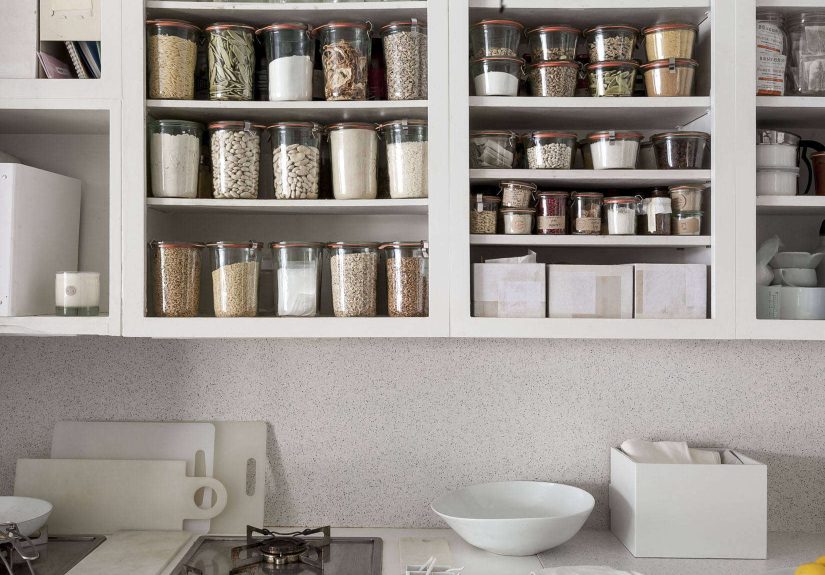
The trend in pantry organization is less about decanting every noodle into matching acrylic and more about
functional zones that speed up meals.
Try these simple pantry zones:
- Breakfast: oatmeal, cereal, coffee/tea
- Lunchbox: snacks, bars, small treats
- Dinner helpers: pasta, sauces, grains
- Baking: flour, sugar, chocolate chips (the holy trinity)
- Backstock: extras, but capped (more on that below)
Add a turntable (lazy Susan) for oils, sauces, or spices so nothing disappears into the pantry shadow realm.
Use risers so cans don’t form a single-file line like they’re waiting for concert tickets.
Fridge Storage: Clear Bins and a “Condiment Plan”
Fridge organization isn’t about impressing guests (no one is coming over just to admire your kale). It’s about visibility.
Clear bins create “mini zones” that make groceries easier to see, grab, and rotate.
- Snack bin for grab-and-go items
- Lunch bin for deli items and quick fixes
- Prep bin for chopped veggies and ingredients
- Condiment turntable so bottles stop playing Jenga in the door
Bonus: when everyone knows where things go, fewer people ask, “Where’s the ketchup?” (They will still ask. But fewer.)
Closet Organization: Make Vertical Space Earn Its Keep
The basics of closet organization are having enough hanging space, shelves that fit your wardrobe, and a plan for
accessories that currently live “wherever.”
- Double-hang shirts and pants if you’re short on hanging space.
- Top shelf for seasonal bins (labeled, light enough to lift safely).
- Shoe zones: floor rack, hanging organizer, or clear boxes if you’re fancy.
- Drawer dividers for socks/underwear so they stop migrating.
If your closet feels packed but you “have nothing to wear,” that’s usually a sign your storage isn’t matching your real
categories. Try grouping by lifestyle: work, weekend, workouts, events. Your morning brain will thank you.
Bathroom Storage: Tame the Tiny Chaos
Bathrooms are small, high-use, and full of tiny items with big opinions (bobby pins, looking at you). The trick is shallow
storage and clear categories.
- Under-sink bins by category: hair, skin, dental, backups.
- Drawer organizers for makeup and grooming tools.
- Over-the-toilet shelving if you’re short on cabinets.
- Shower caddies that drain well (mold is not a décor theme).
Living Room Storage: Hide It in Plain Sight
In common areas, storage should look like furniture. This is where back-to-basics gets stylish.
- Ottomans with storage for blankets and games
- Credenzas for media, board games, and “stuff we need but don’t want to see”
- Decorative baskets for throws, toys, or pet supplies
- Charging drawer or bin so cords aren’t decorating your surfaces
Garage Storage Ideas: Go Vertical or Go Home
A garage is basically a giant opportunity for vertical storage. Wall systems, pegboards, track rails, and ceiling
racks get bulky items off the floor and back into a usable zone.
- Pegboards and hooks for tools
- Wall tracks for sports gear and garden equipment
- Ceiling racks for seasonal bins
- Clear, labeled totes for categories (camping, holiday lights, paint)
Back-to-basics rule for garages: define the purpose first. Parking? Workshop? Storage? If it’s all three, you need boundaries
zones, tape lines, and a hard cap on “random pile area.”
Small Space Storage: When Your Home Is Basically a Tetris Level
Small-space storage isn’t about owning less (though that helps). It’s about using “weird” spaces on purpose:
behind doors, under beds, inside cabinets, and up walls.
- Over-the-door organizers for cleaning supplies, hair tools, or pantry overflow
- Wall-mounted hooks for bags, hats, and lightweight items
- Under-bed bins for off-season clothes and linens
- Stackable storage bins where shelves are tall and space is wasted
The goal is to stop treating your home like it has “not enough storage” and start treating it like it has
“storage that needs a promotion.”
Budget vs. Built-In: Picking the Right Storage System
Not every home needs custom cabinetry. But almost every home needs intentional storage.
Here’s a practical way to decide how far to go.
When budget storage is enough
- You rent, move often, or like flexibility
- Your needs change seasonally (kids, hobbies, work-from-home shifts)
- You’re building habits first (smart!)
When modular systems shine
Modular closet kits and adjustable shelving systems are trending because they’re customizable without being permanent.
They let you redesign as your wardrobe, family, or hobbies evolve.
When built-ins make sense
- You’ve lived in the home long enough to know what you truly need
- You’re solving a recurring pain point (tiny pantry, awkward closet)
- You want to increase functionality and, often, resale appeal
The “Reset Routine” That Keeps Storage from Sliding Back
Your home doesn’t need a monthly reorganization montage. It needs short resets that prevent drift.
Think of it like brushing your teeth: boring, necessary, extremely effective.
The 10-minute daily reset
- Clear the drop zone
- Return items to their bins
- Quick sweep of one high-traffic surface
The 30-minute weekly reset
- Fridge scan: toss expired items, regroup bins
- Pantry “front it”: pull forward what’s used most
- Laundry area: restock supplies and contain strays
Common Storage Mistakes (and the Fixes)
If your storage system keeps failing, you’re not “bad at organizing.” Your system is just asking too much of a normal human.
Here are the usual culprits.
- Mistake: Too many micro-categories. Fix: Merge into broader, easier labels.
- Mistake: Storing frequently used items too high. Fix: Move daily items to prime shelves.
- Mistake: Buying bins before measuring. Fix: Measure shelves, drawers, and door clearance first.
- Mistake: “Backstock” without limits. Fix: One bin per categorywhen it’s full, stop buying.
- Mistake: No maintenance routine. Fix: Add a 10-minute reset to your evening or morning habit.
FAQ: Back-to-Basics Storage (Quick Answers)
What’s the fastest way to organize a messy space?
Start with a trash bag and a donation box. Then group like items into temporary piles. Only after that do you add containers.
Fast organizing is mostly fast decision-making.
Are clear bins always better?
Clear bins are great for visibility (pantry, fridge, kids’ items, supplies). Opaque bins are better for visual calm
(living room, linen closet, deep storage). Use both intentionally.
How do I keep my home organized with kids or roommates?
Make categories obvious and easy: large labels, fewer steps, and bins that don’t require a complicated “lid ceremony.”
If it’s hard to put away, it won’t get put away.
Conclusion: Storage That Supports Your Life
The organized home trend right now isn’t about owning the “perfect” storage products. It’s about building systems that support
your actual routinesmorning chaos, after-school snacks, weekend projects, and all.
Go back to basics: contain the loose stuff, create clear categories, store daily items where you can reach them, and keep it all
alive with tiny resets. You’ll spend less time searching, less time cleaning around clutter, and more time enjoying the home you
already have.
Real-Life Storage Experiences: Notes from the Clutter Trenches (Extra )
Let’s talk about what happens after you organizeaka the part no one posts. Real homes don’t stay tidy because the bins are
expensive. They stay tidy because the system is forgiving.
One of the most common “aha” moments people describe is realizing they don’t have a storage problemthey have a
decision fatigue problem. When a system requires you to make five tiny choices (open cabinet, find matching lid, remove
lid, place item perfectly, replace lid), your brain will eventually negotiate: “Or… we could just set this here and deal with it
later.” Congratulations, you’ve invented The Pile.
That’s why open-top bins and baskets feel like magic in high-traffic areas. You can toss and go. Is it museum-level pristine?
No. Does it keep your counters from looking like a flea market? Yes. And that’s a win.
Another real-world lesson: the first storage system you try is rarely the one you keep. People often report that they
overcomplicate the pantry on attempt onetoo many matching containers, too many labels, too many “rules.” Attempt two is usually
simpler and far more durable: a few zones, a couple of bins, and labels that read like a normal person wrote them (“SNACKS” beats
“AFTERNOON DELIGHTS,” unless you live in a whimsical cottage and your pantry is sponsored by fairies).
Closets teach a similar lesson. Many homeowners discover that the “problem” isn’t lack of spaceit’s lack of
vertical planning. When you add a second hanging rod, a shelf riser, or a set of clear bins for seasonal accessories,
suddenly the closet stops being a black hole and starts being a tool. The biggest mindset shift? Storing based on frequency.
The coat you wear twice a year should not be blocking the jacket you grab daily like it’s trying to establish dominance.
And garages… garages are where good intentions go to retire. People often say the breakthrough comes when they stop using the
floor as a storage surface. The moment you install hooks, tracks, or shelving and assign categoriessports, lawn care, tools,
holidayyour garage becomes navigable. Even better: when bins are labeled clearly, other household members can actually put
things back. (Will they? Sometimes. But now they can, which is huge.)
The most relatable experience of all: realizing maintenance beats marathons. Folks consistently describe feeling lighter once
they adopt a tiny weekly resetten minutes in the drop zone, a quick fridge scan, a “return to bin” sweep. It’s not glamorous.
It’s not a makeover. It’s just a simple routine that protects your future self from stepping on a LEGO at midnight.
Back-to-basics storage works because it respects reality. Your home doesn’t need to be perfect. It needs to be functional,
easy to maintain, and kind to the people living in itincluding you.