Table of Contents >> Show >> Hide
- What Happened on Mount Rinjani?
- Why Mount Rinjani Is Beautiful but Dangerous
- The Guide Allegation: Why It Matters
- Why the Rescue Took So Long
- A Human Being Behind the Viral Headline
- What Travelers Should Learn Before Booking a Volcano Trek
- What Tour Companies Must Do Better
- Why This Story Went Global
- Travel Experience Section: Lessons From Volcano Treks and Remote Hiking
- Conclusion
A dream hike on one of Indonesia’s most famous volcanoes became an international tragedy when Brazilian tourist Juliana Marins fell from a trail on Mount Rinjani and was found dead after a days-long rescue effort. The story spread quickly because it contained nearly every fear adventure travelers try not to think about: a steep volcanic trail, bad weather, a guide accused by the family of leaving a tired hiker behind, and a rescue mission slowed by terrain so brutal that even trained teams struggled to reach the site.
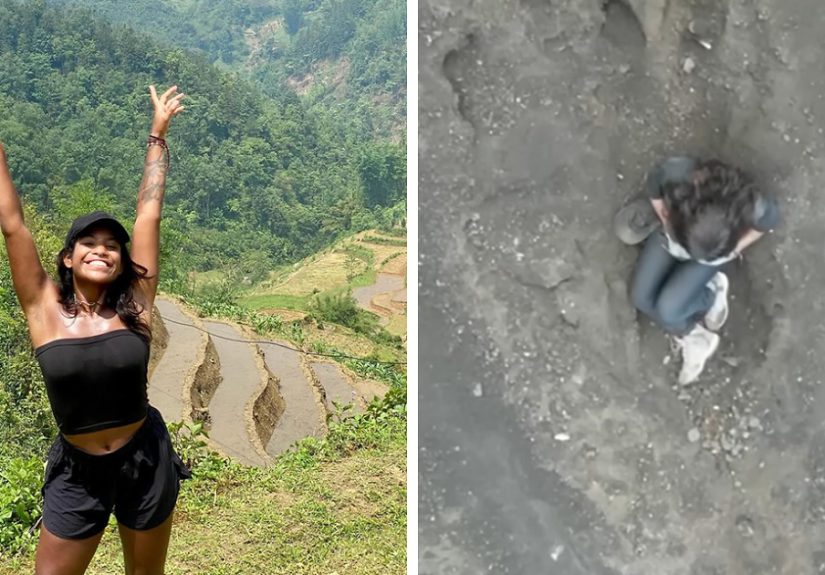
The headline sounds almost cinematic: a tourist trapped 1,600 feet inside an active volcano. The real details are more precise, and more heartbreaking. Marins fell down a ravine or cliff area near the crater route of Mount Rinjani, an active volcano on Lombok Island. Officials and major news outlets reported that she was trekking with a guide and other foreign hikers when she fell hundreds of meters. Her family later alleged she had been left alone after becoming exhausted. Authorities said rescue efforts were obstructed by fog, steep rock, unstable volcanic terrain, and dangerous weather.
This is not just a viral travel horror story. It is a reminder that adventure tourism is not a decorative Instagram filter with better shoes. Volcano trekking can be magnificent, but it is also a contract with risk. And when travelers rely on guides, tour operators, rescue systems, and local rules, the quality of that safety chain can decide whether a bad day becomes survivableor irreversible.
What Happened on Mount Rinjani?
Mount Rinjani is one of Indonesia’s most iconic trekking destinations. Rising about 12,224 feet, it is the second-highest volcano in the country and a bucket-list climb for many visitors to Lombok. The mountain is famous for its crater lake, sweeping ridgelines, and views that make hikers temporarily forget their knees have filed a formal complaint.
In June 2025, Juliana Marins, a young Brazilian traveler, joined a guided hike on the mountain. Reports say the group was ascending the volcano when she fell from a trail near the crater area. Indonesian authorities said she fell roughly 600 meters, while other reports described her location at around 500 meters, or about 1,600 feet, below the trail after being spotted by drone.
Her family said she had become tired during the climb and asked to stop. According to her sister’s account reported by international media, the guide continued with the group instead of staying with her, later returning to find that she had fallen. Because that claim came from the family, the responsible way to describe it is as an allegation, not a court-tested conclusion. Still, the accusation struck a nerve because guided adventure travel depends on one basic promise: nobody should be treated like extra luggage accidentally left beside a trail.
Rescue teams eventually located her, but reaching her was another matter. Thermal drones, ropes, mountaineering equipment, and trained rescuers were used. Fog and steep, rocky ground repeatedly slowed or prevented access. Helicopter evacuation was reportedly considered but could not be safely executed because of the weather and terrain. After four days of search and recovery efforts, officials confirmed her death and retrieved her body.
Why Mount Rinjani Is Beautiful but Dangerous
Mount Rinjani attracts hikers for a reason. It is dramatic, remote, and spectacular. The route can include sunrise summit pushes, loose volcanic gravel, narrow paths, cold night conditions, and long hours of climbing. In other words, it is not a casual stroll unless your definition of “casual” includes oxygen debt and a backpack that slowly becomes your emotional support boulder.
Volcanic terrain creates special hazards. Trails can be steep and unstable. Weather can shift quickly. Fog can reduce visibility to almost nothing. Loose rock makes slipping more likely, especially when hikers are exhausted. In the dark or early morning, fatigue and poor footing can turn a narrow trail into a serious threat.
Rinjani is also an active volcano, which adds another layer of seriousness. The main danger in Marins’ case appears to have been a fall on extreme terrain rather than an eruption. However, the broader volcanic environment still matters. Active volcanic regions can involve unstable ground, sudden weather changes, exposed slopes, and limited rescue access. The U.S. Department of State has advised travelers in Indonesia to exercise increased caution partly because natural disasters, including volcanic eruptions, can disrupt transportation, infrastructure, and health services.
The Guide Allegation: Why It Matters
The most emotionally charged part of the story is the claim that Marins was abandoned by her guide after saying she was exhausted. For any trekking operation, that allegation is devastating because guides are not just route-finders. They are risk managers, pace-setters, emergency communicators, and the people expected to notice when a client is moving from “tired but fine” into “this is becoming unsafe.”
Good guides do more than point toward the summit and say, “Up.” They check the group’s condition. They manage spacing. They make sure slower hikers are not isolated in high-risk areas. They communicate with porters and other staff. They know when summit feverthe irresistible urge to keep going because the top is “right there,” even when it is absolutely not right therehas become dangerous.
In adventure travel, the phrase “the group stays together” is not sentimental. It is operational. If one person is struggling, the group plan must change. That may mean stopping, splitting with adequate staff, turning back, or assigning a qualified guide to remain with the tired hiker. Leaving someone alone on exposed volcanic terrain, especially in low light or poor weather, is the kind of decision that can turn a manageable problem into a catastrophe.
Indonesian tourism officials later emphasized the need for compliance with standard operating procedures, improved safety training, stricter supervision, and certified operators. Those are not boring bureaucratic words. They are the guardrails between adventure and chaos.
Why the Rescue Took So Long
To people following the story online, the delay was agonizing. Many asked the same question: if drones could see her, why could rescuers not reach her quickly? The answer lies in the difference between locating someone and physically reaching them. A drone can cross a dangerous ravine in seconds. A human rescue team has to descend on ropes, carry equipment, manage falling rock, avoid becoming victims themselves, and operate in weather that may suddenly erase visibility.
Authorities and news reports described thick fog, steep ground, rocky terrain, and unsafe conditions. Recovery by stretcher reportedly took hours. A helicopter was considered, but weather made it impractical. This is one of the cruelest realities of mountain rescue: being visible does not mean being reachable.
Still, Marins’ family criticized the pace and communication around the operation. They alleged negligence and disputed some updates. Their frustration resonated with millions of people in Brazil and beyond, partly because modern rescue stories now unfold in public. Drone footage, social media updates, family statements, official posts, and news alerts all collide in real time. When information is slow, contradictory, or unclear, public trust drops faster than a phone battery on GPS mode.
A Human Being Behind the Viral Headline
It is easy for the internet to turn tragedy into a dramatic headline. But Juliana Marins was not a headline. She was a daughter, sister, traveler, and young woman exploring Southeast Asia. Reports described her as a Brazilian tourist who had been backpacking and documenting her travels. Family messages and public tributes painted the picture of someone adventurous, loved, and full of plans.
That matters because adventure deaths are often discussed in two unhelpful ways. One side romanticizes risk, as if danger automatically makes a trip meaningful. The other side blames the traveler, as if anyone who hikes a volcano must have signed away their right to safety. Both reactions miss the point.
Adventure travel should involve responsibility from everyone: the traveler, the guide, the company, the park authority, and the emergency response system. A hiker should prepare honestly. A guide should manage the group professionally. Operators should follow rules. Authorities should communicate clearly. Rescue teams should be properly trained and equipped. Safety is not one person’s job; it is a relay race where dropping the baton can be fatal.
What Travelers Should Learn Before Booking a Volcano Trek
Choose Certified Guides and Operators
Do not book a trek only because it is cheap or because the website has a photo of a smiling guide holding a mug of coffee at sunrise. Ask whether the operator is licensed, insured, and compliant with national park rules. Look for recent reviews that mention safety, pacing, emergency response, and guide behaviornot just “the view was amazing.” The view is usually amazing. That does not mean the safety plan is.
Ask About the Guide-to-Hiker Ratio
A single guide for a group can become a problem if one hiker gets sick, injured, or exhausted while others continue. Ask how many guides and porters will be present. Ask what happens if someone needs to turn back. A professional company should have a clear answer, not a vague “No worry, my friend,” which is charming until it becomes the entire emergency protocol.
Respect Fatigue as a Safety Signal
Fatigue is not weakness. It is data. On steep trails, exhaustion affects balance, judgment, and reaction time. Many falls happen not because hikers are reckless, but because they are tired, cold, dehydrated, or moving in the dark. If your body is sending warning messages, do not treat them like spam.
Carry Basic Emergency Gear
Even guided hikers should carry essentials: water, snacks, headlamp, whistle, small first-aid kit, emergency blanket, charged phone, power bank, warm layer, rain protection, and identification. A satellite communicator or personal locator beacon may be worth considering for remote treks. Nobody plans to need emergency gear. That is exactly why it matters.
Know When to Turn Around
The summit is optional. Coming home is not. Turning around because of fatigue, weather, darkness, or poor footing is not failure. It is good judgment wearing hiking boots. Mountains will still be there later. Knees may complain, but mountains are famously patient.
What Tour Companies Must Do Better
Tour companies selling high-risk adventure experiences should treat safety as a core product, not a fine-print accessory. That means trained guides, emergency communication, realistic itineraries, proper equipment, weather monitoring, medical screening, and transparent cancellation policies. It also means giving guides the authority to turn back without fearing bad reviews from summit-hungry clients.
Operators should also brief hikers clearly before departure. A good briefing explains the route, the hardest sections, expected weather, emergency procedures, group spacing, and what to do if someone becomes tired or separated. Nobody should be learning the emergency plan for the first time while clinging to a slope.
After the Mount Rinjani tragedy, Indonesian tourism officials called attention to standard operating procedures and guide certification. That is the right conversation. But enforcement matters. Rules that live only in PDF files are not safety systems; they are paperwork with hiking poles.
Why This Story Went Global
The death of Juliana Marins went global because it combined grief, uncertainty, travel anxiety, and a deeply relatable fear: being alone in a dangerous place while help is close enough to imagine but too far to touch. Millions followed updates from Brazil. International outlets reported on the rescue, the family’s allegations, and the difficult terrain. Social media amplified every new detail.
There is also a broader reason the story resonated. Adventure tourism is booming. More travelers want experiences that feel raw, remote, and unforgettable. They want volcanoes, glaciers, deserts, jungles, and high-altitude trails. But the tourism industry sometimes packages danger as a lifestyle accessory. A mountain becomes “beginner friendly.” A volcano becomes “must-do.” A hard climb becomes “worth it for the photos.” Then reality arrives wearing fog and loose rock.
The lesson is not to stop exploring. The lesson is to explore with clear eyes. Nature is not a theme park. It does not care about your content calendar, your flight home, or whether your calves are emotionally prepared. The best travelers are not fearless. They are informed, humble, and willing to turn around.
Travel Experience Section: Lessons From Volcano Treks and Remote Hiking
Anyone who has done a serious mountain trek knows there is a moment when the adventure stops feeling like a postcard and starts feeling like a negotiation. The trail gets steeper. The wind picks up. Someone’s headlamp beam starts bouncing because their legs are tired. The guide says the summit is “not far,” which in mountain language can mean anything from 20 minutes to the length of a small presidential administration.
Volcano hikes are especially deceptive because they often begin with excitement and social energy. The group chats. Someone takes photos. Everyone is optimistic. Then the ground changes. Volcanic gravel slides under each step. The air gets colder. The route narrows. At that point, preparation becomes more important than enthusiasm.
A smart traveler learns to read the group as carefully as the trail. Is anyone falling behind? Is the guide checking on everyone? Are rest breaks realistic? Is the pace being set for the strongest hiker or the whole group? These questions matter. In remote terrain, small gaps can become dangerous. A person who is only a few minutes behind can become invisible in fog, darkness, or switchbacks.
One of the best habits is to create a personal “stop rule” before the hike begins. For example: if I feel dizzy, I stop; if I lose coordination, I tell the guide; if weather closes in, I ask about turning back; if I am separated from the group, I stay put and signal rather than wandering. Decisions made before exhaustion are usually smarter than decisions made while your lungs are trying to resign.
Another useful experience-based rule is to pack as though the guide is helpful but not magical. Guides are important, but they are not teleportation devices. Carry enough water, calories, layers, and light to survive a delay. A lightweight emergency blanket, whistle, and headlamp weigh very little, but they can make a huge difference if something goes wrong. Your backpack should not look like you are invading a small country, but it should contain more than vibes and trail mix.
Communication is also part of safety. Before leaving, tell someone your operator name, route, start time, expected return, and emergency contact. In areas with limited signal, consider offline maps or satellite messaging. If you are traveling solo, this matters even more. Solo travel can be empowering and beautiful, but the logistics need to be boringly solid. Boring plans save lives.
Finally, do not let social pressure push you beyond safe limits. In group hikes, people often keep quiet because they do not want to be “the problem.” But the real problem is silence. A tired hiker who speaks up early gives the guide options. A tired hiker who says nothing until collapse creates an emergency. Responsible groups normalize honesty: “I need a break” should be treated like useful information, not a confession.
The Mount Rinjani tragedy is devastating because it feels preventable in the broadest sense, even if every specific detail remains subject to investigation and dispute. It reminds travelers that guides must be chosen carefully, fatigue must be respected, and remote landscapes demand more than courage. Adventure should make life bigger, not shorter.
Conclusion
The story of the tourist trapped 1,600 feet inside an active volcano after allegedly being abandoned by a guide is more than a shocking headline. It is a hard lesson in adventure travel safety, guide responsibility, rescue limitations, and the unforgiving nature of volcanic terrain. Juliana Marins’ death on Mount Rinjani should push travelers to ask tougher questions before booking treks and push operators to treat safety as seriously as scenery.
Beautiful places can still be dangerous. Experienced guides can still make mistakes. Rescue teams can be brave and still be slowed by weather and terrain. That is why prevention matters most. Choose certified operators. Stay with the group. Speak up when exhausted. Carry basic emergency gear. Know when to turn around. The best adventure story is the one you get to tell afterward.
Note: This article is written for web publication and is based on reported facts from major news outlets, official government statements, and public travel-safety guidance. Allegations regarding guide abandonment are presented as allegations attributed to the family, not as a legal finding.