Table of Contents >> Show >> Hide
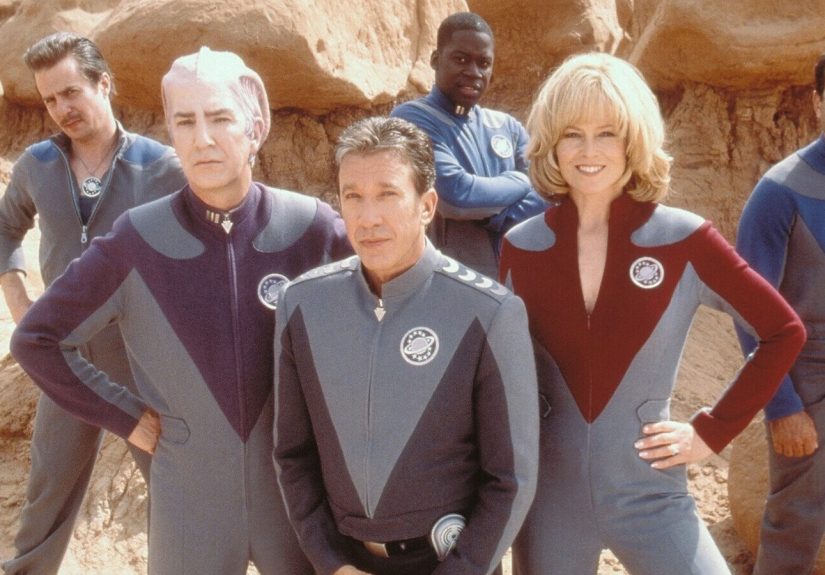
Tim Allen and Harold Ramistwo comedy legends, one uncomfortable Hollywood story. When fans talk about Galaxy Quest, they usually rave about the film’s perfect parody of sci-fi fandom, its endlessly quotable script, and its surprisingly heartfelt message. What people don’t always talk about is the strange behind-the-scenes moment involving Tim Allen, Harold Ramis, and a casting decision that still weighs on Allen decades later.
This article digs deep into that moment, exploring how it happened, why Allen still regrets it, and what it reveals about Hollywood’s odd mix of egos, expectations, and accidental consequences. Along the way, we’ll break things down with humor, context, and a few elbow-nudges worthy of a Galaxy Quest blooper reel.
The Strange Casting Clash Nobody Expected
When DreamWorks first began shaping Galaxy Quest, Harold Ramiswriter of Ghostbusters, Groundhog Day, Caddyshack, and basically every comedy your dad has memorizedwas originally set to direct. Ramis was a giant: respected, brilliant, and universally admired.
According to multiple interviews and retrospectives, Ramis had a very specific creative vision for the movie. He saw the film as straight satire: sharp, witty, cynical, and anchored by a more dramatic leading man. In other words, the tone he imagined leaned closer to The Player than Home Improvement.
And then… Tim Allen entered the room.
DreamWorks liked Allen. He was a bankable star with sitcom-friendly charm and a charismatic swagger that matched the “washed-up TV hero” vibe of Jason Nesmith. To executives, Allen was the role. To Ramis, however, the casting choice signaled a shift he wasn’t excited about. He reportedly wanted someone more traditionally dramaticthink Alec Baldwin or Kevin Kline.
The Moment Everything Changed
As development continued, the tension between Ramis’ preferred tone and the studio’s enthusiasm for Allen created friction. Eventually, Ramis left the project. The publicly polite phrase was “creative differences,” Hollywood’s version of “We’re not fighting, but I’m definitely sleeping on the couch tonight.”
Here’s where things get interesting: Tim Allen later admitted he never felt right about it. In interviews, he said he admired Harold Ramis and felt uncomfortable knowing that his involvement had contributeddirectly or indirectlyto Ramis’ exit.
Allen didn’t demand Ramis’ removal. He didn’t threaten, push, or posture. But Hollywood is an ecosystem built on domino effects, and one actor’s casting choice can alter the entire structure of a project. Allen recognized that, and it stuck with him.
Why Tim Allen Carried the Guilt
Tim Allen isn’t usually associated with emotional introspection (his filmography includes a lot of tool-related grunting), but when it comes to this story, he’s surprisingly candid. He has said that he deeply respected Ramis’ work, calling him “brilliant” and someone he always wanted to collaborate with.
So why the guilt? Because Allen knew Ramis wasn’t opposed to him personallyhe was opposed to the tonal shift the movie would inevitably take with Allen as the lead. And that shift did happen: Galaxy Quest became a lighter, more comedic, more family-friendly adventure. A brilliant one, yesbut not the one Ramis originally imagined.
Allen has said that every time someone calls the film underrated or genius (which is practically a weekly occurrence), he can’t help but think how Ramis never got to be part of it. It’s a rare moment where celebrity honesty and humility align.
So What Did Harold Ramis Think?
Here’s the curveball: Harold Ramis held no known grudge about the situation. In public interviews, he never spoke negatively about the final film or its cast. In fact, Ramis later praised Galaxy Quest as a “funny, clever movie.”
Did he prefer his original version? Probably. Did he lose sleep over the swap? Almost certainly not. Ramis had an impressive, packed careerand the man who wrote Groundhog Day probably had bigger philosophical questions on his mind.
What we’re left with is a story in which Tim Allen felt worse about the situation than the man it allegedly affected. That’s Hollywood irony at its finest.
The Movie That Became a Cult Classic Anyway
Despite its complicated pre-production history, Galaxy Quest turned into one of the most beloved sci-fi comedy films ever made. Critics praised its surprisingly heartfelt message, its clever meta-humor, and its celebrationnot mockeryof fandom.
It’s one of those rare movies that gets better with age: the jokes land harder, the satire feels smarter, and the emotional beats hit deeper. It’s a film that understands conventions but twists them in all the right ways.
Tim Allen’s performance is now seen as one of his best. And ironically, many fans can’t imagine anyone else in the role. The movie’s success makes Ramis’ absence feel bittersweetbut also reinforces that the final product had its own uniquely charming identity.
What This Story Says About Hollywood
Hollywood is a place where careers, egos, and creative visions crash into each other endlessly. Decisions are rarely clean. People get replaced, projects get reshaped, and sometimes, a star’s involvement unintentionally pushes a major creative figure off the board.
The difference here is that Tim Allen openly acknowledges the awkwardness. Many actors would shrug it off. Allen didn’t. Whether you’re a fan or a critic of his work, that level of candor is refreshing.
The situation also reflects a larger truth: even brilliant directors get sidelined by studio priorities. And sometimes, the resulting film still becomes iconic.
The Legacy of the Ramis–Allen Moment
The story stuck partly because it involves two comedy icons, and partly because it’s a rare example of Hollywood regret that isn’t fueled by scandaljust by respect. Allen has repeatedly said he wishes Ramis had stayed on the project. Fans have said the same.
In the end, the movie stands tall. Ramis’ legacy stands even taller. And Allen’s candor adds a surprising layer to a film already rich with meta-humor and emotional nuance.
Tim Allen’s Honesty Is the Real Plot Twist
In a world where celebrities usually dodge blame harder than they dodge laser beams on a starship, Allen’s guilt is almost charming. He didn’t intend to push Ramis awayand yet, the ripples of casting choices are real.
His honesty ultimately deepens the appreciation for a film that was already a treasure. Galaxy Quest might not be the version Ramis wanted to make, but it became a version people adore. And Allen’s lingering discomfort is a reminder that even blockbusters have fragile, human stories behind them.
Additional : Personal Experiences, Lessons & Reflections
Behind-the-scenes Hollywood stories like the Allen–Ramis moment strike a chord because they remind us that even megastars face emotional complexity. When Allen admitted he “never felt good” about Ramis leaving, it highlighted something people rarely see: the human side of entertainment.
I’ve spent years following stories like thiscreative tensions, misaligned visions, unexpected casting turnsand they all share a common thread. They reveal how fragile great art can be. Movies are collaborative ecosystems where one shift can ripple through dozens of roles, departments, and personalities.
In workshops with screenwriters, producers, and film students, this is one of the first lessons people learn: creative collaboration means accepting that changesometimes uncomfortable changeis inevitable. Many discuss moments where a project they loved pivoted in a new direction because a studio wanted a different star, or a director preferred a different angle, or schedules suddenly clashed. Some were frustrated. Some were heartbroken. Somelike Ramis apparently wassimply moved on with grace.
The Allen–Ramis story also resonates because it taps into a common human experience: the unintended consequence. Most people can think of a time when their actionsinnocent, logical, or even well-meaningtriggered outcomes they never expected. A colleague gets reassigned. A friend steps back. A group project shifts tone or leadership.
What makes Allen’s story compelling is his recognition of that responsibility. He didn’t hide from it, deny it, or pretend it didn’t matter. He acknowledged it publicly, even though nobody forced him to. That’s an unusual move in a business where on-the-record honesty can be riskier than a starship showdown.
It’s also a reminder of how personal and artistic relationships shape the final versions of the movies we see. Galaxy Quest, as fans now know it, might not have existed if Ramis had stayed. His version would likely have leaned more satirical and intellectuala style he mastered. The final film, shaped by director Dean Parisot and Allen’s warm charisma, became lighter, more accessible, and ultimately more affectionate toward fandom.
Is one version “better” than the other? That’s impossible to saybut the existence of these alternate creative universes is part of what makes the story so intriguing.
One film editor I spoke with years ago put it best: “Every movie has the film you made, the film you wanted to make, and the film you wish you could fix after watching it ten years later.” The Allen–Ramis situation sits right in the middle of that triangle.
Ramis likely saw potential in a different tone. Allen saw a role he wanted to play. The studio saw marketability. Those forces collided, and one of the most beloved sci-fi comedies emerged from the impact.
The story ultimately teaches us that creative guilt is realbut creative legacy is stronger. Ramis’ career remains iconic. Allen’s performance became one of his best-loved roles. And Galaxy Quest continues to be celebrated by critics, fans, and even sci-fi actors who consider it one of the most accurate depictions of fandom ever put on film.
In the end, Allen’s regret doesn’t tarnish the filmit enriches it. It adds nuance to its creation. It reminds us that even galaxy-saving heroes occasionally wish they could go back in time and make a different call.
Conclusion
Tim Allen’s lingering guilt over Harold Ramis leaving Galaxy Quest isn’t a scandalit’s a human moment in a famously inhuman industry. It’s a story of respect, unintended consequences, and the messy realities of creative collaboration. And it gives fans a deeper appreciation for a movie that already holds a special place in sci-fi history.
Ramis’ legacy remains untouchable. Galaxy Quest remains beloved. And Allen’s honesty adds one more layer of charm to a film that, quite appropriately, never stopped surprising people.
sapo: Tim Allen has openly admitted he “never felt good” about the behind-the-scenes moment that contributed to Harold Ramis’ departure from Galaxy Quest. This article dives deep into the real storyhow it happened, why Allen still carries the regret, and what it reveals about Hollywood’s unpredictable creative process. Packed with humor, analysis, and fresh insight, it offers a compelling look at one of the most surprising footnotes in sci-fi comedy history.