Table of Contents >> Show >> Hide
- What TikTok’s Sleep Reminder Feature Actually Does
- Why Late-Night TikTok Is So Hard to Quit
- Will a Sleep Reminder Actually Help?
- What Sleep Science Says About Getting More Rest
- Why Teens May Benefit More Than Adults
- What This Feature Gets Right
- What This Feature Cannot Fix
- How to Make TikTok’s Sleep Reminder Work Better
- So, Will TikTok Help You Get More Rest?
- Experiences Related to TikTok Sleep Reminders and Better Rest
- Conclusion
Note: Body-only HTML, ready for web publishing.
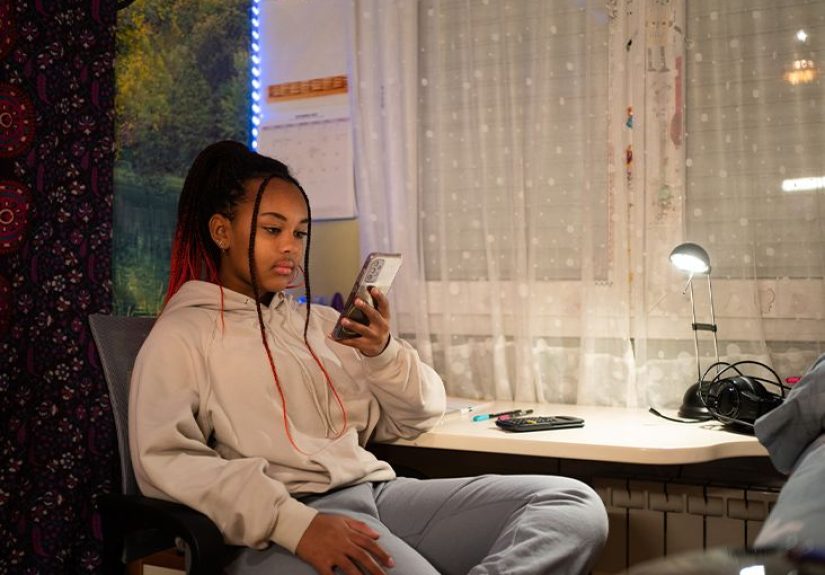
There are two kinds of people in this world: the ones who say, “Just one more TikTok,” and the ones who somehow wake up with their phone on their face and a charger cable wrapped around one ankle like a tiny electronic snake. TikTok seems to know this. That is why the platform now has a sleep-focused feature designed to interrupt late-night scrolling and nudge users toward bed.
On paper, it sounds great. A reminder pops up, the app tells you to wind down, maybe a guided meditation rolls in, and suddenly you are choosing sleep over one more video about celebrity drama, skincare routines, or a raccoon stealing cat food. But the bigger question is not whether TikTok can remind you to sleep. It is whether that reminder can actually help you get more rest in a real-world environment where attention is currency, habits are sticky, and bedtime procrastination has become an Olympic-level sport.
The short answer is: it might help a little, especially for people who already want to sleep and just need a nudge. But it is not a magic sleeping potion in app form. Like most digital wellness tools, its success depends less on the reminder itself and more on what happens after you see it.
What TikTok’s Sleep Reminder Feature Actually Does
TikTok has been expanding its screen-time and well-being tools, especially for teens. The platform introduced a nighttime “wind down” experience and later expanded it into a guided meditation feature during sleep hours. For users under 18, these nighttime prompts are enabled by default. If a teen is still scrolling after 10 p.m., TikTok can interrupt the feed with a full-screen prompt meant to encourage winding down. Adults can also turn on Sleep Hours manually in the app’s screen-time settings.
That matters because this is not just another tiny notification buried under fifty unread group chats. TikTok is trying to insert friction into late-night use. In plain English: the app is attempting to interrupt the autopilot mode that keeps people swiping long after they were supposed to be asleep.
And honestly, that is not a terrible idea. A lot of nighttime scrolling is not intentional. Many people do not decide, with full clarity and purpose, to sacrifice sleep for forty-two videos in a row. They just drift into it. A well-timed reminder can act like a friend tapping your shoulder and saying, “Hey, maybe stop learning how to organize your spice drawer at 12:17 a.m.”
Why Late-Night TikTok Is So Hard to Quit
If you have ever told yourself you would watch videos for “five minutes” and then somehow emerged an hour later with strong opinions about kitchen gadgets and capybaras, you already understand the problem. TikTok is built for momentum. The endless feed removes stopping points. There is no natural end of chapter, no “Are you still watching?” that feels judgmental enough to change your life, and no reliable cue to put the phone down.
Sleep researchers and pediatric experts have been warning for years that screens before bed can chip away at healthy sleep in several ways. First, they keep your brain stimulated. Second, the light from screens can interfere with the body’s evening wind-down process. Third, emotionally charged or highly engaging content can make your mind more alert at exactly the moment you want it to become less interesting.
In other words, late-night social media is not just bright. It is busy. It asks your attention to keep sprinting when your body would really prefer to change into sweatpants and file a complaint.
Will a Sleep Reminder Actually Help?
Yes, for some people
Behavior change often starts with awareness. If someone loses track of time at night, a reminder can be useful because it creates a pause. That pause matters. A prompt that says, in effect, “You planned to sleep, remember?” can help a user step out of the scroll spiral long enough to make a better decision.
This may be especially helpful for teens, who often need more sleep than they get and who are already balancing school schedules, social pressures, homework, activities, and the ordinary chaos of adolescence. A simple interruption can work like a digital speed bump.
But not if the habit is stronger than the prompt
Here is the catch: reminders do not automatically beat habit loops. If someone is stressed, lonely, overstimulated, avoiding tomorrow’s responsibilities, or simply enjoying the app too much, they may dismiss the reminder and keep going. TikTok seems to understand this, which is why the platform added a second, harder-to-dismiss full-screen prompt. Still, the user can often choose to continue.
That means the feature is best viewed as a tool, not a solution. It can support healthier digital habits, but it cannot create those habits from scratch. A bedtime reminder is helpful in the same way a gym membership is helpful. It opens a door. It does not do the push-ups for you.
What Sleep Science Says About Getting More Rest
Sleep experts are pretty consistent on the big stuff. Teenagers generally need more sleep than most of them are getting, and adults need enough nightly sleep on a regular schedule. Healthy sleep is not just about hours in bed. It is also about timing, routine, environment, and how quickly your brain can shift from daytime mode to nighttime mode.
That is where TikTok’s sleep reminder has some logic behind it. A gentle nudge toward a wind-down routine fits with broader sleep guidance. Researchers and major health organizations commonly recommend a consistent sleep schedule, a calming pre-bed routine, and less screen exposure close to bedtime. Guided meditation, quiet music, breathing exercises, and mindfulness practices can help some people relax and improve sleep quality.
But let us keep our pajamas on and stay realistic. Meditation is not a universal off-switch. It may help some people settle down, especially if they are mildly stimulated or anxious. It is less likely to work miracles if the person has chronic insomnia, high stress, untreated anxiety, too much caffeine in their bloodstream, or a phone that keeps lighting up like Times Square.
Why Teens May Benefit More Than Adults
Teen users are probably the clearest target for this feature, and that makes sense. Adolescents often face a perfect storm: they need substantial sleep, their biological rhythms can shift later at night, and their daily schedules rarely respect that reality. Add social media to the mix and you have a recipe for “I will just check one thing” turning into “Why is it suddenly 1:08 a.m.?”
For teens, even a small improvement in bedtime behavior can matter. Better sleep has been linked to mood regulation, attention, learning, athletic performance, and overall well-being. So while TikTok’s reminder may not solve teen sleep deprivation, it could be a useful piece of a bigger system that includes family rules, app limits, school-night routines, and a bedroom environment that is not running a full entertainment center.
Adults, meanwhile, can also benefit, but many of them need more than a reminder. Adult sleep problems are often tied to work stress, parenting, irregular schedules, revenge bedtime procrastination, or the small tragedy of answering one more email at night. A meditation prompt may help an adult who simply forgot the time. It will not single-handedly cancel burnout.
What This Feature Gets Right
It adds friction
Apps are usually designed to remove friction. This feature does the opposite. That is important because friction can be healthy when your goal is to break an automatic behavior.
It shifts the vibe
Late-night feeds are often fast, emotional, noisy, or oddly specific. Replacing that mood with guided meditation or calming prompts changes the mental atmosphere. That can make it easier to disengage.
It normalizes digital boundaries
There is something useful about a major social platform saying, in effect, “Maybe do not be here forever.” It sends a cultural message that rest is not laziness and that screen-time boundaries are normal, not dramatic.
What This Feature Cannot Fix
It cannot overpower addictive design by itself
A reminder is still happening inside the same app that is competing for your attention. That creates an awkward tension. TikTok can encourage rest, but it is also very good at keeping people engaged.
It cannot replace sleep hygiene
If your room is bright, your phone is buzzing, your bedtime changes every night, and you drank iced coffee at 7 p.m., the reminder is trying to solve a bigger mess with a very polite tap on the shoulder.
It cannot treat serious sleep problems
If someone has chronic insomnia, anxiety-related sleep disruption, breathing issues during sleep, or major schedule irregularity, an in-app nudge is not enough. That person may need medical support, therapy, or a more structured sleep plan.
How to Make TikTok’s Sleep Reminder Work Better
If you want the feature to actually help, pair it with real-world habits. Think of the reminder as the first domino, not the whole chain reaction.
1. Use it as a hard stop
When the prompt appears, do not negotiate with yourself like a tiny bedtime lawyer. Close the app. Stand up. Plug in your phone away from the bed.
2. Build a 30- to 60-minute wind-down routine
Read something boring in the best possible way, stretch, shower, journal, or listen to something calm. The point is to send your brain a consistent message that the day is over.
3. Keep your bedroom less entertaining
If your bed is also your movie theater, gaming station, social hub, and snack review studio, sleep has terrible branding. Make the room darker, cooler, quieter, and less screen-centered.
4. Protect your sleep schedule
Going to bed at wildly different times confuses your body. A reminder works better when it shows up as part of a routine, not as a surprise visit from the Sleep Police.
5. Be honest about why you are still scrolling
Sometimes people stay on TikTok because they are not sleepy. Sometimes they stay because they are avoiding stress, loneliness, or tomorrow. Those are different problems, and they need different fixes.
So, Will TikTok Help You Get More Rest?
Potentially, yes. But mostly in the way a helpful nudge helps, not in the way a transformation montage helps. TikTok’s sleep reminder feature is a smart step because it recognizes a very modern problem: many people are not choosing less sleep in a dramatic, conscious way. They are leaking sleep, minute by minute, through habits that feel harmless in the moment.
The feature may be most effective for users who are already open to changing their nighttime routine. For them, the prompt can create a pause, the guided meditation can lower the temperature in the room, and the whole sequence can become a cue to log off. That is valuable.
But if you are hoping the app will rescue you from every late-night scroll spiral while you keep all your other habits exactly the same, that is probably wishful thinking dressed up in comfy pajamas. Better sleep usually comes from a stack of behaviors: consistency, boundaries, less stimulation before bed, and a routine your brain learns to trust.
In short, TikTok can remind you to sleep. Whether it helps you get more rest depends on whether you treat that reminder as background decoration or as a real signal to power down. The feature is not fake wellness fluff, but it is also not a miracle. It is a nudge. And sometimes, when your eyes are dry, your brain is fried, and the algorithm is still serving you one more oddly compelling video, a nudge is a pretty good place to start.
Experiences Related to TikTok Sleep Reminders and Better Rest
In real life, the experience of using a sleep reminder is rarely dramatic. There is no movie moment where someone sees a guided meditation prompt, gasps softly, and immediately becomes the kind of person who drinks herbal tea and wakes up before sunrise to journal. Usually, the change is smaller and messier than that. But that does not mean it is meaningless.
For some users, the biggest benefit is simply becoming aware of how often they lose time at night. A reminder at 10 p.m. or later can expose a pattern they were not fully admitting to themselves. Maybe they thought they were scrolling for fifteen minutes, but the prompt reveals they have been online for nearly an hour. That kind of moment can be surprisingly powerful. It turns an invisible habit into a visible one.
Other people may find the reminder mildly annoying at first and useful later. That is common with behavior-change tools. The first reaction is often, “Excuse me, app, I did not ask for your opinion.” But after a few nights, the same prompt can start to function like a mental checkpoint. Instead of rolling straight from video to video, the person pauses and asks, “Do I actually want to keep doing this?” Even when the answer is yes, that split second of awareness is different from mindless scrolling.
There is also the emotional side of the experience. Nighttime scrolling is often tied to stress, boredom, loneliness, or the need to decompress after a long day. In those moments, TikTok may feel less like entertainment and more like a buffer between you and your thoughts. That is why a sleep reminder will help some nights and fail completely on others. If a person is using the app to avoid anxiety or delay tomorrow, a meditation prompt may feel soothing, or it may feel like an interruption they are not ready to accept.
For teens, the experience can be even more layered. Some may appreciate the structure without saying so out loud. Others may see it as just another adult-coded rule built into their phone. Still, even a resisted reminder can plant a seed. Over time, it may help normalize the idea that healthy digital habits are not punishment. They are maintenance, like charging your phone, brushing your teeth, or not eating nachos in bed unless you are prepared to live with the consequences.
Adults may have their own version of this experience. A sleep reminder can be oddly humbling when you realize you are a full-grown person taking bedtime cues from an app that also showed you a recipe for pickle tacos fifteen minutes earlier. But that is modern life. And if the feature helps even a little, the source does not really matter.
What many people experience most is not instant better sleep, but a better transition into sleep. They put the phone down a bit earlier. Their brain feels slightly less activated. They spend fewer minutes in the “I am tired but somehow still watching videos” zone. Over time, those small wins can add up. Not every reminder will work. Not every night will improve. But if a sleep prompt helps a person reclaim even twenty or thirty minutes of rest more consistently, that is not trivial. That is real sleep, real recovery, and real benefit.
Conclusion
TikTok’s new sleep reminder feature is not nonsense, and it is not a cure-all. It sits in that realistic middle ground where many useful wellness tools live. It can help users notice the time, interrupt a habit loop, and ease into a calmer bedtime routine. For teens especially, that could be meaningful. For adults, it may still be useful, but mostly when paired with stronger sleep hygiene and a genuine willingness to unplug.
If the platform’s new sleep tools encourage even a fraction of users to stop scrolling sooner, sleep a little longer, and wake up feeling less like a haunted raccoon, that is a win. Small improvements in nightly rest can have a bigger impact than people think. But the app can only open the door. You still have to walk to bed.