Table of Contents >> Show >> Hide
- Meet Ben: A Farm, a Sunrise, and a Very Real “Office”
- What “Outdoors as an Office” Actually Means
- The Jobs That Live Outside
- How Outdoor Pros Stay Productive When the “Office” Has Weather
- Outdoor Work Safety: The Stuff That Makes the Dream Sustainable
- Why People Love Outdoor Offices (Even When They’re Hard)
- How to Build Your Own “Outdoors as My Office” Career Path
- Outlook: The Outdoor Office Isn’t Going AwayBut It Is Changing
- Experiences From an Outdoor Office: The Parts Nobody Mentions in a Job Posting (Extra Field Notes)
Some people have a corner office with a glass wall. Other people have a corner field with a fence post.
And if your “commute” involves stepping over a hose, dodging a curious chicken, or checking the sky like it’s your boss,
congratulations: you might already understand the appeal of having the outdoors as your office.
The phrase sounds romanticlike you’re typing emails while a bald eagle delivers your lunch. In reality, outdoor work is equal parts
freedom, grit, problem-solving, and “wait… why is that noise coming from the tractor?” But it’s also one of the most human ways to work:
close to daylight, weather, seasons, and the kind of silence that makes you think clearer (and occasionally question your life choices).
Meet Ben: A Farm, a Sunrise, and a Very Real “Office”
Popular culture loves the idea of “the outdoors as my office,” but it hits different when you watch someone actually live it.
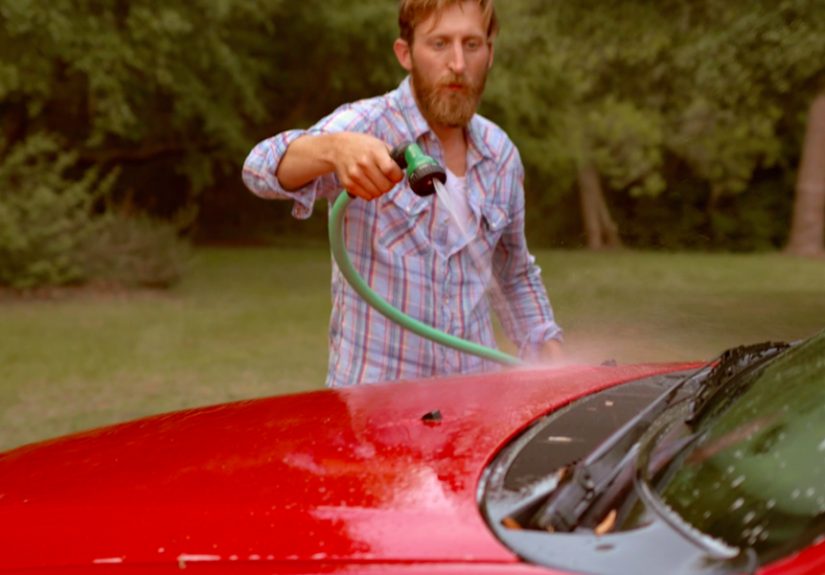
In a Popular Mechanics feature, a farmer named Ben is shown doing what farmers do best: showing upearlythen staying busy until the day
says “okay, you can breathe now.”
For Ben, the outdoors isn’t a background. It’s the job site, the schedule, and the scoreboard. His work lives between crop yields and livestock
responsibilities, with plenty of hands-on, boots-on, “yep, that’s mud” moments. But the work also carries a reward that doesn’t fit neatly in a spreadsheet:
time outdoors, space to think, and a kind of solitude that can feel like luxury when the world is loud.
And because outdoor people are rarely one-note, Ben’s story includes another classic ingredient: a hobby with wheels. When he’s not working the land,
he’s into motorcyclesheading out, exploring new places, and picking up gear along the way. In other words, his office doesn’t close;
it just changes scenery.
What “Outdoors as an Office” Actually Means
Let’s translate the slogan into real life. Having the outdoors as your office usually means:
- Your workspace moves (truck bed, tailgate, ATV rack, trailhead, riverbank, job trailer, field station).
- Your calendar is weather-shaped (heat, storms, wind, smoke, cold snapsyour “meetings” may get rescheduled by clouds).
- Your tools are half physical, half digital (hand tools + GPS + apps + radios + photos + notes + forms).
- Your “dress code” is safety-first (boots, sun gear, gloves, eye protection, insect protectionstyle points optional).
- Your productivity isn’t measured only in keystrokes (it’s measured in outcomes: repaired fence, mapped boundary, healthy habitat).
It’s also a mindset: outdoor workers are constantly scanning, adjusting, anticipating, and improvising. The office is not a fixed room.
It’s a living environment that doesn’t care about your deadline.
The Jobs That Live Outside
Ben’s farm life is a powerful example, but he’s part of a much bigger club. In fact, government data suggests a substantial share of U.S. workers
are exposed to outdoor conditions as a regular part of the job. Outdoor work shows up in obvious careers and in some you might not immediately picture.
Farmers and agricultural managers
Farmers, ranchers, and agricultural managers often do what Ben does: split time between outdoor, physically demanding work and the office-side planning
that keeps the whole operation running. Even on smaller farms, you’re juggling equipment, animals, soil, schedules, supply runs, and the kind of
problem-solving that starts with, “Well… that’s not supposed to be leaking.”
Outdoor work on farms also happens in every seasonhot, cold, wet, windy, and occasionally “why is the air trying to slap me?”
That all-weather reality is why good routines matter: hydration, sun protection, safe equipment habits, and pacing.
Forest and conservation work
If you like your office with tall ceilings (trees) and occasional meetings with mosquitoes, forestry and conservation roles are classic outdoor careers.
Conservation scientists and foresters may move between office, lab, and field sites, sometimes traveling to remote locations. Forest and conservation workers
can be outdoors in all kinds of weather, using protective equipment and working around natural hazards.
Wildlife biology and field research
Zoologists and wildlife biologists do plenty of analysis indoors, but fieldwork is often essentialobserving animals in natural habitats,
collecting data, and navigating rough terrain with equipment. Outdoor work in this lane tends to be a mix of patience and precision:
you might hike for hours to set up a camera trap, then wait days for the right moment (and still come home with pictures of raccoons).
Park rangers and public lands professionals
Park rangers are the human bridge between wild places and the people who visit them. Depending on the role, they may educate visitors,
help keep parks safe, manage resources, or respond to emergencies. It’s a job where your “customer service desk” might be a trailhead,
and your “presentation room” is a canyon overlook.
Surveyors, field techs, and “the map is the job” careers
Surveyors are a perfect example of an outdoor office you might not noticeuntil you see someone standing with GPS gear and a tripod,
turning a patch of land into precise measurements. Surveying blends fieldwork and office work. Outside, surveyors may stand for long periods,
walk long distances, and work in bad weather.
Landscaping, groundskeeping, and skilled outdoor trades
Landscapers, groundskeepers, and other outdoor crews shape the spaces we live inplanting, trimming, building hardscapes, installing systems,
and maintaining outdoor areas. The work is physical, detailed, and often time-sensitive (because plants do not read your project plan).
How Outdoor Pros Stay Productive When the “Office” Has Weather
Outdoor work can look chaotic from the outside. Inside, good outdoor workers are quietly running systems. Here are the productivity strategies
you’ll hear again and again:
1) Build a “field plan” before you step out
The best outdoor days start with a quick plan: what must happen today, what can wait, and what could derail everything (heat, storms, equipment issues).
Many workers do a five-minute check-in: weather forecast, safety risks, tools needed, and the first two tasks that will make the day feel “won.”
2) Create a portable workstation that doesn’t fight you
The outdoor office is often a kit, not a desk. A smart field setup usually includes:
- Sun glare control (hat brim, sunglasses, shade, or simply turning your body so you can see the screen).
- Weather-proof note-taking (a weather-resistant notebook, a phone note app, or a clipboard with a cover).
- Power backup (portable battery pack, vehicle charger, and a “charge early, charge often” habit).
- Clean hands plan (wipes, gloves, or a small water jug so you’re not typing with “mystery farm substance”).
- Simple organization (one pouch for tools, one for tech, one for safetyso you’re not rummaging like a raccoon).
3) Work with the clock, not against it
Outdoors, timing is a tool. Many teams schedule heavier labor in cooler hours, save paperwork for shade breaks, and front-load tasks that require
focus before the afternoon heat (or the afternoon chaos) arrives.
Outdoor Work Safety: The Stuff That Makes the Dream Sustainable
The outdoors can be a great officeif you don’t treat it like a theme park. Safety is what lets outdoor work stay enjoyable long-term.
These are the big categories professionals plan for.
Heat: hydration, breaks, and acclimatization
Heat stress is one of the most serious risks for outdoor workers. The basics sound simple, but they’re powerful:
drink water regularly, take rest breaks, and use shade when possible. Heat safety guidance commonly emphasizes water, rest, and shade as prevention,
not as a “nice bonus” you earn after you feel awful.
If you’re new to hot workor returning after time awayacclimatization matters. Gradually increasing time and intensity in hot conditions over a week or two
can reduce risk. This is one reason experienced crews watch out for new teammates: heat doesn’t care if you’re “tough.”
Sun and UV: your skin doesn’t get “used to it” in a helpful way
If you work outside, sun protection is not vanityit’s maintenance. Think of it like oil changes for your skin:
it’s boring until it’s expensive. Use shade when you can, wear protective clothing and a wide-brimmed hat, and use sunscreen correctly.
Many dermatology recommendations advise reapplying sunscreen about every two hours when outdoors, and again after sweating or water exposure.
The UV Index is also a practical tool. On moderate-to-high UV days, protection matters even if it’s not “that hot.”
UV risk can be high on cool, bright daysespecially at altitude or near reflective surfaces like water.
Bugs, ticks, and “why is my sock moving?”
Outdoor offices come with coworkers who do not respect personal boundaries. Tick prevention is a big deal in many regions.
Common public health guidance includes staying on trails when possible, avoiding brushy areas, using repellent, and treating clothing and gear
with products that contain 0.5% permethrin (or purchasing treated clothing).
Storms and lightning: don’t negotiate with thunder
Lightning safety is blunt for a reason: no place outside is safe during a thunderstorm.
If you hear thunder, get into a substantial building or a hard-topped vehicle (not a picnic shelter, not under a tree).
Outdoor workers often build “weather exits” into the day: a clear plan for where to go and when to stop.
Smoke and air quality: the invisible problem
In many parts of the U.S., wildfire smoke is now a recurring part of outdoor work. Smoke can irritate the eyes and airways and worsen breathing problems.
Air quality tools (like the Air Quality Index) help guide decisions about modifying outdoor activity.
When smoke is heavy and you must be outside, workplace safety guidance often discusses reducing exposure and using appropriate respiratory protection
in the right circumstances.
Why People Love Outdoor Offices (Even When They’re Hard)
Here’s the part that makes the whole thing make sense: many people don’t just “tolerate” outdoor workthey prefer it.
Research and public health discussions about nature exposure often link time outdoors with benefits like improved mood, lower stress,
and better attention. Some people feel calmer outside; others feel sharper. Either way, the environment changes how your brain behaves.
Outdoor work also delivers a kind of honest feedback you don’t always get in an indoor job.
A fence is either fixed or it isn’t. A trail is either clear or it isn’t. A field note either captures the data or it doesn’t.
That clarity can be deeply satisfyingespecially for people who hate “busywork” that never becomes anything tangible.
How to Build Your Own “Outdoors as My Office” Career Path
Start by choosing your flavor of outdoors
Not all outdoor offices are the same. Ask yourself:
- Do you want hands-on skilled work (trades, landscaping, equipment, maintenance)?
- Do you want science and data (field biology, conservation, surveying, environmental monitoring)?
- Do you want public-facing work (park interpretation, outdoor education, guiding)?
- Do you want run-the-whole-show responsibility (farming, ranching, land management)?
Build practical skills and safety habits early
Outdoor jobs reward competence. Basic fitness helps, but so do “quiet skills” like navigation, communication, recordkeeping,
and knowing how to spot risk before it becomes an emergency.
If you’re aiming at science or resource careers, skills like GIS, data collection, and field methods matter.
If you’re aiming at hands-on work, learn tools, equipment safety, and the craft details that separate “done” from “done right.”
Don’t underestimate the paperwork (yes, even outside)
Almost every outdoor career has a paperwork twin: permits, reports, logs, maintenance records, maps, inventory, scheduling, compliance.
The outdoors may be the office, but documentation is often the language of the job.
Outlook: The Outdoor Office Isn’t Going AwayBut It Is Changing
Many outdoor careers remain essential: food production, infrastructure, land stewardship, public lands management, safety, and research.
Technology is changing the work (drones, improved GPS, mobile reporting, sensors), but it’s not eliminating the need for people in the field.
What is changing is the set of conditions outdoor workers face, especially around heat and smoke in some regions.
That means training, planning, and worker protections become even more importantnot just for health, but for keeping outdoor work sustainable
as a long-term career.
Experiences From an Outdoor Office: The Parts Nobody Mentions in a Job Posting (Extra Field Notes)
If you’ve never worked outside all day, it’s easy to imagine the outdoors as a permanent vacation. The reality is more interestingand more specific.
Outdoor work has a rhythm that you feel in your body. The day often starts earlier than your neighbors would consider polite.
In farming, that might mean checking fences or animals before the sun gets serious. In surveying, it might mean arriving at a site early
so the first measurements happen before traffic, heat shimmer, or afternoon storms complicate things. In conservation work, it might mean
hitting a trailhead with a backpack full of gear and a mental checklist that’s half science, half “please don’t let anything leak today.”
One of the first surprises is how often you’re “working” even when you’re not moving. Outdoor jobs include a lot of scanning:
reading clouds, tracking wind, noticing which direction a smell is coming from, checking the ground for hazards, watching a coworker’s body language
for signs they’re overheating. It’s like your brain runs an extra background program all day. That can be tiring, but it can also make you feel
incredibly alertlike you’re awake in a way you’re not when you’ve been under fluorescent lights for eight hours.
Then there’s the improvisation. Your plan will be strong at 7:00 a.m. and emotionally fragile by 10:15 a.m.
A gate won’t latch. A tool goes missing. The site is muddier than expected. The sun is bright enough to turn your laptop screen into a mirror
that reflects your “why am I doing this?” face. Outdoor pros learn to keep the plan flexible: do the most time-sensitive task first,
build in buffers, and accept that some days are about triage and smart choices, not perfection.
Outdoor offices also change your relationship with small comforts. Shade becomes premium real estate. Water tastes better when you’ve earned it.
A clean pair of socks can feel like winning the lottery. You become the kind of person who knows exactly where the best breeze hits near a barn,
behind a job trailer, or under a particular cluster of trees. You also learn that “just five more minutes” can be a trap when the temperature climbs,
so you start respecting breaks as part of the jobbecause they are.
There’s a social side too. Some outdoor work is solitaryjust you, the task, and the birds acting like they pay rent. Other outdoor jobs are intensely team-based,
where communication is safety. You learn to talk clearly over noise, to check in without making it weird, and to treat “Are you okay?” as normal professional language.
You also learn that humor is a tool. It keeps the day light enough to move through it. Outdoor crews are famous for the kind of jokes that only make sense
when you’ve been wrestling a stubborn piece of equipment, covered in dust, and someone says, “Great newsthis is the easy part.”
Finally, there’s the quiet reward. Outdoor work gives you moments that feel almost unfair to call “work”:
sunrise across a field, fog lifting off a river, a trail that finally opens into a view, the sound of wind in trees, a clean line on a map that proves you nailed the measurements.
Ben’s story captures that reward wellhard work paired with the kind of life that keeps you outside, close to what’s real.
The outdoors as an office isn’t about pretending the job is easy. It’s about choosing a workplace that makes sense to your brain and body,
and building the habits that let you stay there for the long haul.