Table of Contents >> Show >> Hide
- What Is Nori Seaweed, Exactly?
- The Biggest Possible Risks of Nori Seaweed
- 1. Too Much Iodine Can Stress the Thyroid
- 2. Contaminants and Heavy Metals Are a Real Quality Concern
- 3. Roasted Seaweed Snacks Can Be Surprisingly Salty
- 4. Vitamin K Can Be a Problem for People Taking Warfarin
- 5. Digestive Side Effects Can Happen, Especially in Sensitive People
- 6. Allergy Is Rare, but It Is Still Possible
- 7. Pregnancy Is a Time to Be Smart, Not Extreme
- Who Should Be Most Careful With Nori Seaweed?
- How to Eat Nori More Safely
- So, Is Nori Seaweed Healthy or Risky?
- Real-World Experiences Related to the Topic
- Conclusion
- SEO Tags
Nori seaweed has one of the best public relations teams in food. It wraps sushi, stars in trendy snack packs, and gives “I am making good life choices” energy with almost no effort. And to be fair, nori does bring plenty to the table: minerals, fiber, umami flavor, and very few calories. But whenever a food gets promoted as a tiny green miracle, it is worth asking a less glamorous question: can too much of it backfire?
The honest answer is yes, sometimes. The possible risks of nori seaweed are real, but they are also very context-dependent. For most healthy adults, moderate amounts of nori are unlikely to cause trouble. The bigger issues tend to show up when people eat large amounts often, rely on heavily seasoned seaweed snacks, already have thyroid disease, take certain medications, or assume that “natural” automatically means “limitless.” Spoiler: it does not. Poison ivy is natural too, and no one is sprinkling that on rice bowls.
This article takes a clear, practical look at nori seaweed risks, including iodine overload, heavy metal concerns, sodium, digestive side effects, medication interactions, and who should be more careful than the average sushi fan.
What Is Nori Seaweed, Exactly?
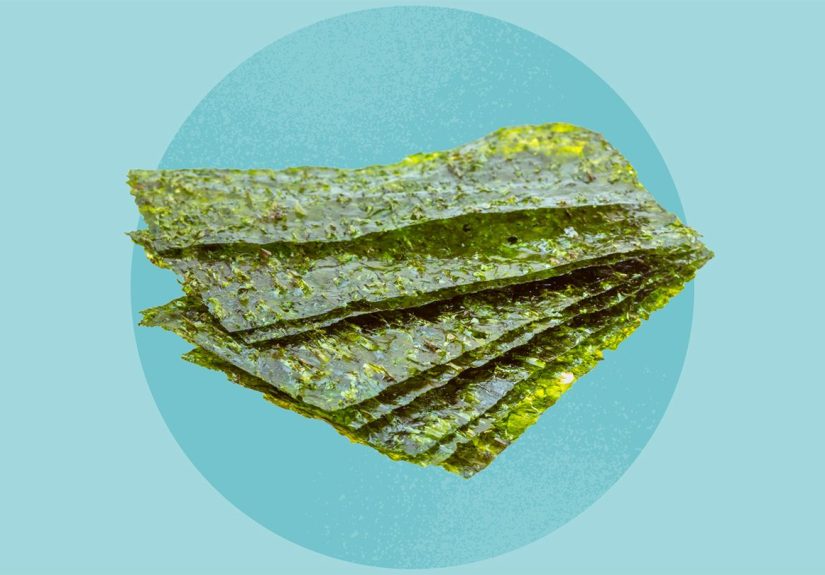
Nori is an edible seaweed commonly sold in thin dried sheets. It is the classic wrapper used for sushi rolls, but it also appears in roasted seaweed snacks, crumbled seasoning blends, and crunchy toppings for rice, noodles, soups, and salads. Compared with some other seaweeds, especially kelp or kombu, nori is often considered a milder option. That is good news. It is not a free pass.
One reason nori gets so much attention is that seaweed in general can contain iodine, vitamin K, fiber, and other minerals pulled from seawater. The catch is that the nutritional profile can vary a lot depending on species, growing conditions, harvest location, and processing. In plain English, one sheet is not always like the next sheet. Seaweed is nutritious, yes, but it is not a precision-engineered multivitamin.
The Biggest Possible Risks of Nori Seaweed
1. Too Much Iodine Can Stress the Thyroid
If there is one headliner in the “nori side effects” conversation, it is iodine. Your body needs iodine to make thyroid hormones. That makes it essential, but not harmless in unlimited amounts. Too little iodine is a problem. Too much iodine can also be a problem, especially for people with existing thyroid issues.
This is where seaweed becomes tricky. Nori usually contains less iodine than kelp or kombu, but it can still contribute meaningful amounts, and seaweed iodine levels vary widely. That means a person who eats sushi at lunch, roasted seaweed snacks in the afternoon, and a seaweed-heavy dinner may be stacking far more iodine than they realize. Add an iodine-containing supplement, and suddenly the “healthy snack habit” starts looking like thyroid roulette.
Possible effects of excessive iodine intake can include thyroid inflammation, worsened hyperthyroidism, hypothyroidism in susceptible people, or changes in thyroid function over time. This does not mean one sushi roll is a medical emergency. It means daily high intake, especially from multiple seaweed products, is not something to shrug off.
People with hyperthyroidism, Hashimoto’s disease, nodules, a history of goiter, or other thyroid conditions should be especially cautious. For them, too much seaweed is not just a nutrition quirk. It can become a genuine management issue.
2. Contaminants and Heavy Metals Are a Real Quality Concern
Seaweed absorbs compounds from its environment. That is part of what makes it mineral-rich, but it is also why contamination matters. Depending on where it is grown or harvested, seaweed can accumulate heavy metals and other contaminants. Arsenic gets the most attention, but lead, cadmium, and mercury are also part of the broader conversation.
Now for the important nuance: “can contain contaminants” is not the same as “every pack of nori is dangerous.” Risk varies by species, waters, testing practices, and brand quality. Still, this is one of the most credible concerns around edible seaweed. The point is not to panic over a sushi night. The point is to avoid treating seaweed as if it were nutritionally identical to lettuce grown in a tightly controlled garden bed.
If you eat nori often, quality matters. Products from reputable companies that follow food safety standards are a smarter bet than mystery seaweed from who-knows-where. “Artisanal ocean sheets harvested under the moon” sounds poetic, but it is not a testing protocol.
3. Roasted Seaweed Snacks Can Be Surprisingly Salty
Plain nori is one thing. Packaged roasted seaweed snacks are often another species entirely in spirit, if not biology. Many are seasoned with salt, oils, flavor powders, or spicy coatings. So while the front of the package may whisper “light, crisp, wellness,” the nutrition label may clear its throat and mention sodium.
This matters for people watching blood pressure, managing kidney issues, or trying to reduce overall sodium intake. A couple of packets may not seem like much because they are feather-light, but sodium adds up quickly across snacks, sauces, soups, and restaurant meals. In other words, the seaweed itself may be modest, but the seasoning team may have arrived like it was auditioning for a ramen commercial.
If you love seaweed snacks, compare labels. Look for lower-sodium versions and watch serving sizes, because tiny packages have a sneaky way of being inhaled before your brain even registers that a snack occurred.
4. Vitamin K Can Be a Problem for People Taking Warfarin
Nori can contain vitamin K, and that matters if you take warfarin or similar blood-thinning medication. The issue is not that nori must be banned forever. The issue is consistency. Sudden changes in vitamin K intake can affect how warfarin works.
So if a person goes from “I eat seaweed maybe twice a year” to “I now add nori to everything because I saw one wellness video and became unstoppable,” that shift can matter. Anyone on warfarin should discuss regular nori or seaweed intake with a clinician or pharmacist instead of winging it. Blood-thinner management is not a great place for culinary improvisation.
5. Digestive Side Effects Can Happen, Especially in Sensitive People
Nori is not famous for causing digestive drama, but seaweed in larger amounts can irritate the digestive tract in some people. Possible issues include bloating, loose stools, stomach discomfort, or a mild laxative effect. This is more likely if you suddenly eat a lot of seaweed, already have a sensitive gut, or pile seaweed on top of a generally high-fiber day.
For people with irritable bowel syndrome or a history of food sensitivities, even “healthy foods” can behave like little troublemakers. If your stomach tends to send formal complaints after diet changes, start small instead of treating nori as confetti for every meal.
6. Allergy Is Rare, but It Is Still Possible
Seaweed allergy is not the most common food allergy on the block, but allergic reactions are possible. Symptoms may include itching or swelling in the mouth, hives, stomach pain, vomiting, or more severe reactions in rare cases. If someone notices symptoms shortly after eating nori seaweed, they should stop eating it and get medical advice, especially if breathing problems or throat tightness show up.
It is also worth noting that some people confuse seafood allergy, iodine sensitivity, and seaweed reactions as if they are the same thing. They are not identical. But if you have a history of food allergies or unexplained reactions to marine foods, caution makes sense.
7. Pregnancy Is a Time to Be Smart, Not Extreme
Pregnancy increases iodine needs, but that does not mean unlimited seaweed is a brilliant strategy. Very high iodine intake during pregnancy can affect thyroid function in both the pregnant person and the baby. That makes nori one of those foods that may be totally fine in moderate amounts but not ideal as an everyday mega-source.
This is especially relevant for people who already take prenatal vitamins with iodine. Food plus supplement plus seaweed snack habit can create a stack that deserves attention. During pregnancy, moderate intake and label awareness are much wiser than chasing every “superfood” trend on the internet like it owes you rent.
Who Should Be Most Careful With Nori Seaweed?
Not everyone faces the same level of risk. The following groups should be more thoughtful about regular nori intake:
- People with hyperthyroidism, hypothyroidism, Hashimoto’s disease, goiter, thyroid nodules, or a history of thyroid instability
- People taking warfarin or other medications affected by vitamin K consistency
- People using iodine-containing supplements or multiple fortified products
- Pregnant or breastfeeding people who need balanced iodine intake, not random excess
- People with high blood pressure who choose salty roasted seaweed snacks often
- People with digestive sensitivity, IBS, or a tendency toward food-related stomach upset
- Anyone with a suspected seaweed or food allergy
How to Eat Nori More Safely
The goal is not to fear nori. It is to eat it like a sensible adult instead of a trend-chasing raccoon in the snack aisle.
Choose moderation over obsession
Having nori occasionally in sushi or as a light snack is very different from eating several servings every day. The dose makes the drama.
Read labels on snack packs
Check sodium, serving size, and ingredient lists. Some seaweed snacks are simple; some are basically salt in a very convincing costume.
Avoid stacking multiple iodine sources mindlessly
If you already use iodized salt, take a supplement with iodine, or eat other seaweed products, keep the total picture in mind.
Be careful with supplements
Seaweed in food is one thing. Seaweed powders, kelp capsules, and “thyroid support” products can push intake much higher and more unpredictably.
Buy from reputable brands
Choose products from established companies with good manufacturing practices rather than poorly labeled imports with vague sourcing.
Talk to your clinician if you have a thyroid condition or take warfarin
This is especially important if you plan to eat nori regularly, not just once in a blue moon with spicy tuna.
So, Is Nori Seaweed Healthy or Risky?
Both statements can be true. Nori seaweed can be a nutritious, low-calorie, flavorful food. It can also pose risks when eaten too often, in heavily salted snack form, in combination with supplements, or by people with certain health conditions. In other words, nori is not dangerous by default, but it is also not a magical green loophole in the laws of nutrition.
The biggest takeaway is this: nori is usually safest when it stays in the role of ingredient or occasional snack, not when it graduates into an everyday wellness obsession. If you enjoy it, great. Keep portions sensible, choose quality products, and pay attention to your thyroid, medications, and total diet pattern. Your sushi roll can stay delightful without turning into a science experiment.
Real-World Experiences Related to the Topic
In real life, concerns about the possible risks of nori seaweed usually do not begin with a dramatic trip to the emergency room. They begin much more quietly. Someone starts eating seaweed snacks because they want a lighter alternative to chips. Another person adds nori strips to grain bowls, ramen, and eggs because they like the salty umami kick. A sushi lover begins ordering extra seaweed salad and keeps roasted nori in a desk drawer “for healthy snacking.” None of this sounds reckless. That is exactly why the issue can sneak up on people.
One common experience is simple overconfidence. Because nori is low in calories, many people assume it is automatically low-risk in every other way. They do not think about iodine, sodium, or the fact that seaweed is an ocean-grown food with natural variability. A person may feel proud of replacing processed snacks with roasted seaweed, only to realize later that they were eating multiple salted packets a day. On paper, it still looked virtuous. In practice, the sodium and total intake were climbing.
Another experience shows up in people with thyroid issues. Someone with a history of hyperthyroidism or thyroid medication changes their diet and starts eating seaweed more often because it seems nutrient-dense. Later, during a routine conversation with a clinician, they discover that regular seaweed intake is something worth tracking. The surprise is not that nori is “bad.” The surprise is that a food marketed as clean and wholesome can still matter when thyroid balance is already delicate.
People on warfarin can have a similar learning moment. They may not be told to fear green foods forever, but they are often told to keep vitamin K intake steady. Then a new habit appears: sushi twice a week, seaweed snacks after work, nori flakes on rice. The problem is not the existence of nori. The problem is the sudden change. For many people, the experience is less about symptoms they can feel and more about realizing that consistency matters more than trendy food swaps.
Digestive experiences also come up more often than people expect. Some individuals can eat nori with zero issues. Others notice bloating, a mildly irritated stomach, or loose stools when they jump from “almost never” to “every day.” This is especially true in people with sensitive digestion. They are often surprised because the portion seems tiny. But concentrated foods with fiber, seasoning, and strong flavor can still make themselves known.
Pregnant people sometimes describe a different kind of experience: confusion. They hear that iodine is important for fetal development, then also hear that too much iodine can be a problem. That can make nori feel like both hero and villain at once. In reality, the most practical experience-based lesson is moderation. Occasional nori is usually a very different story from using seaweed as a daily nutrition shortcut.
The broader pattern is consistent. Most real-world issues with nori seaweed do not come from eating a sushi roll on Friday night. They come from repetition, stacking, and assumptions. The food itself is not outrageous. The habits around it can be. And as nutrition stories go, that is almost painfully relatable.
Conclusion
Nori seaweed deserves a more balanced reputation than it usually gets. It can absolutely fit into a healthy diet, but it also comes with possible downsides that are easy to overlook because the portions are small and the marketing is shiny. If you enjoy nori, the smartest move is not to avoid it forever. It is to keep it in perspective. Eat it in moderate amounts, choose better products, watch the sodium in snack versions, and be extra cautious if you have thyroid disease, take warfarin, or are pregnant. That way, nori stays what it should be: a flavorful bonus, not a stealthy nutrition headache.