Table of Contents >> Show >> Hide
- Why a Newlywed Cookbook Works Better Than Another “Date Night Idea” List
- What Makes The Newlywed Cookbook So Appealing?
- Cooking Together Builds Better Communication
- Food Becomes a Love Language You Can Actually Eat
- Why Newlyweds Need Kitchen Traditions
- The Practical Side: Budget, Health, and Less Takeout Panic
- How to Use The Newlywed Cookbook Without Turning Dinner Into a Group Project From School
- Recipe Types That Help Couples Bond
- A Cookbook Can Help Couples Host Without Melting Down
- The Emotional Value of a Shared Kitchen
- How to Turn the Cookbook Into a Relationship Ritual
- Gift Potential: Why This Cookbook Makes Sense for Weddings and Anniversaries
- Common Mistakes Couples Make When Cooking Together
- of Real-Life Experience: How This Cookbook Hack Actually Feels
- Final Thoughts: The Happiest Couples May Be the Ones Who Cook Together
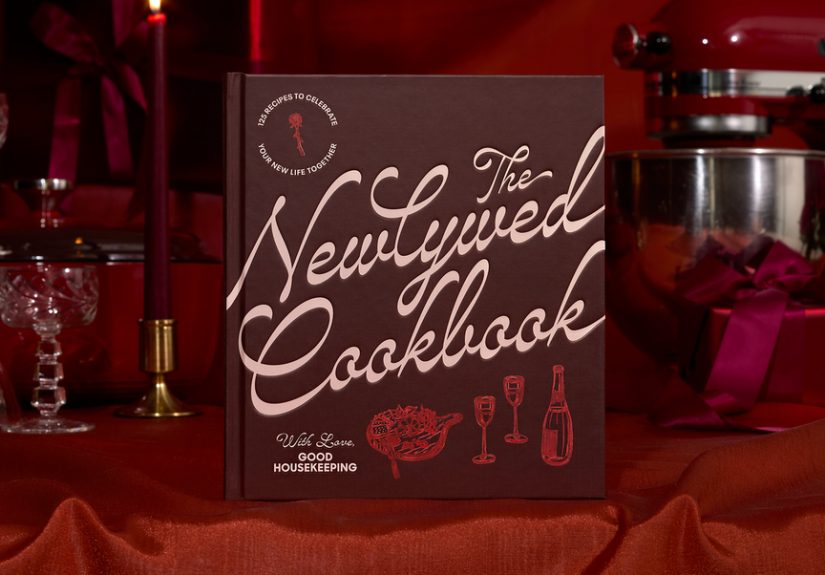
Some couples build a happy home with matching towels. Others do it with a shared calendar, a suspiciously expensive coffee machine, and the sacred agreement that nobody talks before caffeine. But one of the simplest, warmest, and most delicious hacks for happy couples may be sitting on the kitchen counter: The Newlywed Cookbook.
At first glance, a cookbook for newlyweds sounds like a sweet wedding giftpretty cover, charming recipes, something you place next to the stand mixer you promised yourself you would use every weekend. But the real magic is not just in the recipes. It is in the routine. Cooking together gives couples a practical way to communicate, divide tasks, slow down, and create small traditions that last longer than the honeymoon tan.
The Newlywed Cookbook taps into a truth many relationship experts, home cooks, and happily fed people already understand: dinner is rarely just dinner. It is teamwork with garlic. It is problem-solving with pasta water. It is romance that occasionally involves washing a cutting board.
Why a Newlywed Cookbook Works Better Than Another “Date Night Idea” List
Date nights are lovely, but they can become surprisingly complicated. Reservations, traffic, budgets, dress codes, parking, and the eternal question of “Where do you want to eat?” can turn romance into a courtroom debate. A cookbook brings the date night home, where stretchy pants are welcome and the playlist is under your control.
The best thing about a cookbook designed for couples is that it gives structure without killing spontaneity. Instead of staring into the fridge like it might reveal ancient wisdom, couples can choose a recipe, gather ingredients, and start working toward a shared goal. That goal might be a beautiful roast chicken, a cozy pasta dinner, or a dessert that looks slightly less polished than the photo but still tastes like victory.
Cooking together also creates a natural rhythm. One person chops, the other stirs. One reads the recipe, the other mispronounces “shallot” with confidence. The kitchen becomes a small stage where couples practice patience, humor, compromise, and recovery from minor disastersalso known as marriage.
What Makes The Newlywed Cookbook So Appealing?
The Newlywed Cookbook is popular because it understands that couples do not simply need recipes; they need a way to build a shared kitchen life. A strong newlywed cookbook usually includes approachable meals for two, ideas for entertaining, pantry guidance, and recipes that feel special without requiring culinary school tuition.
Good couple-focused cookbooks often balance everyday practicality with celebration. That matters. Newly married life is not one long champagne brunch. Sometimes it is Tuesday, both people are tired, and dinner needs to happen before somebody starts eating shredded cheese straight from the bag. A helpful cookbook gives couples realistic options: quick weeknight meals, comforting classics, celebratory dishes, and flexible recipes that can survive substitutions.
The appeal is emotional too. A cookbook becomes part of a couple’s home story. The first recipe you make together may become the dish you repeat on anniversaries. A soup made during a rainy weekend may become “our soup.” A cake that collapses in the middle may become a family legend. In a world full of digital everything, a physical cookbook with splatters, notes, and folded pages can feel like a little edible scrapbook.
Cooking Together Builds Better Communication
Kitchen teamwork is communication training in disguise. Recipes require planning, timing, listening, adapting, and sometimes saying, “You were right; that pan was too small.” These are not just cooking skills. They are relationship skills wearing an apron.
When couples cook together, they practice small negotiations. Who handles the main dish? Who cleans as they go? Who is trusted near the broiler? These decisions may sound tiny, but they help partners learn each other’s habits and preferences. One person may be precise and recipe-loyal. The other may treat measurements as gentle suggestions from a distant relative. Neither approach is automatically wrong, but both people need to understand each other if dinner is going to arrive before midnight.
Cooking also makes conversation easier. Sitting face-to-face and saying, “Let’s discuss our feelings,” can feel intense. But talking while peeling carrots or stirring risotto feels more relaxed. Hands are busy, pressure is lower, and conversation can unfold naturally. For many couples, the kitchen becomes a comfortable place to talk about work, plans, money, family, or why one person keeps putting empty containers back in the fridge.
Food Becomes a Love Language You Can Actually Eat
Acts of service may not sound glamorous, but few things say “I love you” like making breakfast when your partner is exhausted or learning how they like their coffee. Food is intimate because it is daily. It is not reserved for holidays or big romantic gestures. It shows up again and again, quietly saying, “I thought about you.”
The Newlywed Cookbook works as a happy-couple hack because it encourages partners to cook with and for each other. That difference matters. Cooking with someone builds teamwork. Cooking for someone builds care. Together, they create a balanced kitchen relationship where food becomes both a shared activity and a thoughtful gift.
Imagine one partner making pancakes on a slow Sunday morning while the other sets the table and makes coffee. Or two people assembling homemade pizza after work, arguing playfully about mushrooms, and ending the night with flour on the counter and dinner that tastes better because they made it together. These moments may not look like movie romance, but they are often the stuff real happiness is made of.
Why Newlyweds Need Kitchen Traditions
Every couple needs rituals. Not stiff, formal traditions with rules and ceremonial napkin foldingunless that is your thing, in which case, proceed majestically. What couples really need are repeatable moments that create connection.
A cookbook can help create those rituals. Friday pasta night. Sunday soup. Birthday breakfast. First-cold-day chili. Holiday cookies. Anniversary dinner at home. These traditions give couples something to look forward to and return to, especially when life gets busy.
Traditions do not need to be fancy. In fact, the best ones are often simple. A couple might pick one new recipe every month. They might cook through one chapter of a cookbook each season. They might invite friends over for a low-pressure dinner where the official dress code is “please bring appetite.” Over time, these small rituals become part of the relationship’s architecture.
The Practical Side: Budget, Health, and Less Takeout Panic
Romance is wonderful, but so is not spending half the grocery budget on emergency takeout. Cooking at home can help couples manage money, plan meals, reduce food waste, and make more intentional choices about ingredients. For newlyweds adjusting to shared finances, a cookbook can quietly become a budgeting tool.
Meal planning does not have to be joyless. It does not require color-coded spreadsheets, unless you are that couple, in which case your pantry is probably already alphabetized. A simple plan might include three home-cooked dinners, one leftovers night, one flexible “clean out the fridge” meal, and one date-night recipe from the cookbook.
Cooking at home also gives couples more control over portions, seasoning, and dietary preferences. If one person loves spicy food and the other thinks black pepper is a hostile act, recipes can be adjusted. If one partner is vegetarian, gluten-free, dairy-sensitive, or simply suspicious of cilantro, home cooking makes it easier to build meals that work for both people.
How to Use The Newlywed Cookbook Without Turning Dinner Into a Group Project From School
The secret is to keep it fun. A cookbook should not become a performance review. Nobody needs to be graded on knife skills while trying to make soup. Start with recipes that match your real life, not your fantasy life where you casually make puff pastry on a Wednesday.
Pick Recipes Based on Energy Level
Some nights are “let’s make a beautiful dinner” nights. Other nights are “toast counts as architecture” nights. Choose recipes accordingly. A good couple’s cookbook should offer options for both relaxed meals and special occasions. Save the more ambitious dishes for weekends or celebrations, and use simpler recipes during the week.
Divide Tasks Clearly
Before starting, decide who does what. One person can prep vegetables while the other handles the protein. One can read instructions while the other measures ingredients. Clear roles prevent the classic kitchen traffic jam where two people reach for the same spoon and suddenly dinner has choreography.
Accept Imperfection
The first attempt at a recipe does not need to look like a magazine cover. Burnt edges, uneven slices, and sauce that thickens with suspicious enthusiasm are part of the process. Laugh, learn, eat what can be eaten, and order backup pizza only when necessary.
Recipe Types That Help Couples Bond
Not all recipes are equally couple-friendly. Some dishes are perfect for teamwork, while others are better suited for one focused cook and one supportive snack provider. The best recipes for couples usually include multiple simple steps, flexible timing, and room for conversation.
Homemade Pizza
Pizza is one of the ultimate couple meals because it invites creativity. Each person can customize toppings, and the process feels playful rather than formal. One partner stretches dough while the other prepares toppings. The result is dinner plus entertainment, with cheese as emotional support.
Fresh Pasta or Gnocchi
Fresh pasta is a little more ambitious, but it is wonderfully collaborative. Rolling, cutting, shaping, and saucing create a hands-on experience. It is also humbling, which is healthy. Nothing strengthens a relationship like realizing both of you are equally bad at making identical gnocchi.
Big Salads With Warm Extras
A hearty salad with roasted vegetables, grains, cheese, nuts, or grilled chicken is easy to divide into tasks. One person roasts, one chops, both assemble. It feels fresh, colorful, and grown-up without requiring a culinary summit.
Breakfast-for-Dinner
Pancakes, eggs, roasted potatoes, fruit, and coffee after dark? That is not laziness; that is lifestyle innovation. Breakfast-for-dinner is ideal for couples who want comfort without pressure.
Desserts for Two
Small-batch desserts are perfect for newlyweds because they feel romantic and manageable. A two-serving chocolate cake, baked fruit crisp, or simple cookies can turn an ordinary evening into a tiny celebration.
A Cookbook Can Help Couples Host Without Melting Down
Newlyweds often want to host friends and family but may feel intimidated. What if the roast is dry? What if the table looks boring? What if someone asks where the serving spoons are and you realize you own exactly one spoon and it is busy?
A cookbook can make hosting less chaotic by offering menus, timing tips, and recipes that scale. Couples can start small: invite two friends, cook one main dish, add a salad, buy dessert if needed, and call it charming. Hosting does not need to look like a lifestyle magazine spread. It just needs to feel welcoming.
The best hosting trick for couples is choosing food that does not require last-minute panic. Braises, casseroles, roasted vegetables, pasta bakes, grain salads, and make-ahead desserts are your friends. Anything that allows the hosts to enjoy their guests instead of whisper-fighting near the oven deserves a permanent place in the rotation.
The Emotional Value of a Shared Kitchen
A shared kitchen is more than cabinets and cookware. It is where couples create daily evidence that they are building a life together. The first grocery list. The first dinner party. The first recipe that becomes “ours.” The first time someone bravely says, “Maybe less cumin next time.”
The Newlywed Cookbook represents this emotional shift beautifully. It is not about becoming perfect hosts or flawless cooks. It is about learning how to nourish each other in ordinary ways. That may sound simple, but ordinary care is the backbone of a strong relationship.
There is also something grounding about cooking in a fast-moving world. Phones can be put away. Ingredients demand attention. Water boils when it wants to boil. Garlic burns if ignored. Cooking pulls couples into the present moment, where connection is easier to notice.
How to Turn the Cookbook Into a Relationship Ritual
To get the most out of The Newlywed Cookbook, treat it like a shared adventure rather than a kitchen textbook. Choose recipes together. Write notes in the margins. Rate dishes honestly. Circle favorites. Add dates next to meals you cooked for special occasions.
Couples can create a simple ritual: once a week or once a month, pick one recipe neither person has made before. Shop together if possible. Cook without rushing. Eat at the table. Talk about what worked and what you would change. Over time, this becomes more than dinner. It becomes a practice of attention.
Another fun idea is the “signature dish challenge.” Each partner chooses one recipe to master. It might be roast chicken, risotto, pancakes, chili, or a favorite cake. Once mastered, that dish becomes part of the couple’s home identity. Guests may even request it. Fame, at last, but with more dishes.
Gift Potential: Why This Cookbook Makes Sense for Weddings and Anniversaries
A newlywed cookbook is a thoughtful gift because it is both practical and symbolic. It says, “Here is something you can use,” but also, “Here is a way to make memories.” That is a rare combination. Many wedding gifts are useful; fewer become part of the couple’s story.
For a personal touch, gift the cookbook with a handwritten note inside. Add a favorite family recipe, a date-night idea, or a list of pantry staples. You can also pair it with a useful kitchen item: a wooden spoon, apron, sheet pan, good olive oil, measuring cups, or a simple cast-iron skillet. Avoid overly niche gadgets unless you know the couple dreams of owning a tiny torch for crème brûlée. Some people do. Respect the torch people.
Common Mistakes Couples Make When Cooking Together
Cooking together can be wonderful, but it can also reveal personality differences faster than assembling furniture. Fortunately, most kitchen conflict is preventable.
Trying a Complicated Recipe on a Stressful Night
Do not attempt a three-hour dinner after a draining workday unless both people have agreed to the mission. Ambitious cooking requires energy, patience, and snacks.
Correcting Everything
Unless safety is involved, let your partner chop the onion their way. Constant correction turns cooking into a lecture, and nobody wants a TED Talk about zucchini.
Ignoring Cleanup
Cooking is not finished when the food hits the plate. Decide how cleanup works. Some couples cook together and clean together. Others divide: one cooks, one cleans. Either system works if both people agree.
Forgetting to Enjoy the Meal
After all the chopping, stirring, tasting, and rescuing, sit down. Light a candle if you want. Use the nice plates. Celebrate the effort. Even a simple dinner deserves a moment.
of Real-Life Experience: How This Cookbook Hack Actually Feels
The most realistic way to describe cooking from a newlywed cookbook is this: it turns a normal evening into something with a beginning, middle, and delicious ending. Instead of drifting through the same routinescrolling, snacking, asking what is for dinner, pretending not to hear the questionyou have a small project to share.
One of the best experiences couples can have with a cookbook like The Newlywed Cookbook is choosing a recipe together before grocery shopping. This sounds ordinary, but it quietly teaches cooperation. One person may want something cozy and familiar, like pasta or roasted chicken. The other may want something adventurous, maybe a bright salad, a spicy stew, or a dessert that requires zesting citrus like a person with weekend confidence. The compromise becomes part of the fun. You are not just picking dinner; you are learning how to make choices as a team.
Then comes the grocery store, which is basically a relationship obstacle course with fluorescent lighting. You learn who compares prices, who gets distracted by fancy cheese, who believes a shopping list is legally binding, and who thinks “we might need snacks” is a spiritual truth. Even this can become a ritual. Couples who shop together for a recipe often return home more invested in the meal because they chose the ingredients together.
In the kitchen, the cookbook becomes a referee. Instead of one person saying, “That is not how my family makes it,” the recipe offers a neutral starting point. This is especially helpful for newlyweds merging two food histories. Maybe one person grew up with big Sunday dinners, while the other grew up with quick weeknight meals. Maybe one loves bold spices and the other prefers gentle flavors. A cookbook gives both partners a shared language.
The best moments are usually small. Someone tastes the sauce and nods like a serious judge on a cooking show. Someone forgets to preheat the oven and acts personally betrayed by time. Someone drops a spoon, laughs, and keeps going. These little moments matter because they create emotional texture. They become memories attached to smells, flavors, and inside jokes.
Cooking together also reveals care in practical ways. One partner washes herbs because they know the other hates gritty parsley. One takes over stirring because the other is tired. One packs leftovers for lunch, turning dinner into tomorrow’s kindness. None of this is dramatic, but happy relationships are often built from undramatic kindness repeated often.
Over time, the cookbook becomes marked by use. A page gets splattered with tomato sauce. A corner folds down. A note appears: “Use less salt next time,” or “Make this for Thanksgiving,” or “Great with extra lemon.” Those notes become a couple’s private history. The book is no longer just a published collection of recipes. It becomes customized by the life happening around it.
That is why The Newlywed Cookbook is such a good hack for happy couples. It does not promise perfection. It offers practice. Practice choosing, planning, laughing, fixing, tasting, serving, and cleaning up. Practice being partners in a room where the stakes are low but the rewards are warm. And at the end, you get dinner. Honestly, relationship advice should always come with dinner.
Final Thoughts: The Happiest Couples May Be the Ones Who Cook Together
The Newlywed Cookbook is more than a charming gift for newly married couples. It is a practical guide to creating shared meals, shared memories, and shared routines. It helps couples slow down, work together, and turn ordinary nights into something a little more intentional.
No cookbook can guarantee a perfect marriage. But a good one can help couples build habits that support connection: communication, compromise, patience, humor, and care. Add olive oil, a few reliable recipes, and the willingness to wash the dishes, and you have a surprisingly powerful formula.
So yes, The Newlywed Cookbook may be our hack for happy couples. Not because every recipe will be flawless. Not because cooking together is always romantic. But because the kitchen gives couples a place to practice love in real timewith snacks.
Note: This HTML body is written as original, publication-ready content based on synthesized information from reputable U.S. cookbook, cooking, lifestyle, and relationship sources.