Table of Contents >> Show >> Hide
- What Is a Ken Den, Exactly?
- From Man Cave to Ken Den: How the Trend Evolved
- Key Design Principles of a Ken Den
- Personalization: The Heart of the Ken Den
- Beyond the Man Cave: A More Inclusive Space
- Layout Ideas for Different Homes
- How to Start Creating Your Own Ken Den
- Common Mistakes to Avoid
- Real-Life Ken Den Experiences and Lessons Learned
- Final Thoughts: Your Ken Den, Your Rules
Once upon a time, the “man cave” was the home’s dark, snack-crumb–covered secret. Think: hand-me-down recliner, suspicious carpet, and a TV so big it basically had its own ZIP code. Today, that stereotype is getting a serious glow-up. Enter the Ken Dena polished, design-forward space that still feels masculine (or at least “main-character Ken”) but finally plays nicely with the rest of your home.
Inspired by a more modern, stylish idea of what a personal retreat can be, the Ken Den is less “don’t mind the smell” and more “would you like a Negroni and a seat by the fireplace?” It’s a space tailored to one person’s interests, but it doesn’t shut everyone else out. Instead of being exiled to the basement, it can become a chic lounge, reading room, or entertaining hub that feels intentional, not improvised.
If you’ve ever looked at an old-school man cave and thought, “Fun, but… absolutely not in my house,” the Ken Den might be exactly the upgrade you’ve been waiting for.
What Is a Ken Den, Exactly?
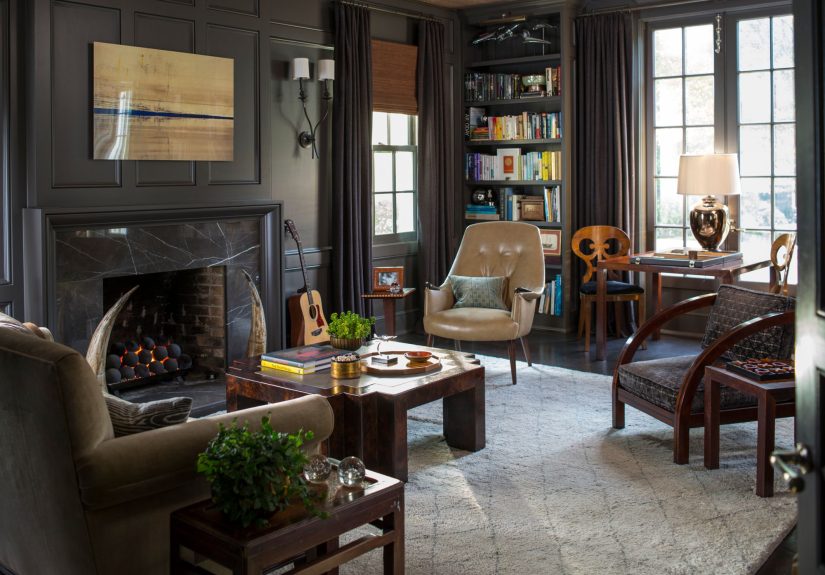
A Ken Den is a curated, personal retreat that blends comfort, style, and personality in a way that looks as good as it feels. Think of it as a gentleman’s lounge for the 2020s: cozy seating, thoughtful lighting, beautiful materials, and a layout that’s as welcoming for a book club as it is for game day.
Unlike the stereotypical man cave, which leans heavily into sports memorabilia, beer logos, and anything that looks good under fluorescent light, a Ken Den is:
- Stylized, not slapped together. Design detailslike layered lighting, art, and colormatter just as much as the giant screen.
- Personal, not predictable. Instead of a generic bar sign, you might see framed concert posters, travel photos, or a curated vinyl wall.
- Comfortable, not cluttered. Storage is planned, cords are hidden, and every piece has a purpose.
- Welcoming, not exclusive. Friends, family, and partners are invited in, not subtly told to keep out.
In short, the Ken Den keeps the fun and relaxation of a man cave but upgrades the look, the layout, and the vibe so it feels like a stylish part of your home instead of a design compromise.
From Man Cave to Ken Den: How the Trend Evolved
The classic man cave really took off in the early 2000s, often as a reaction to open-plan homes and shared spaces. It was billed as the “male sanctuary”a place to watch sports, play games, and escape everyday responsibilities for a while. Basements, garages, and spare bedrooms got filled with recliners, bar fridges, dartboards, neon signs, and anything else that screamed “guy space.”
But home design and culture have been evolving. A few big shifts helped push the man cave toward the Ken Den:
- Open-concept homes got smarter. People now want every room to look intentional, not like the builder forgot to call the designer for one of them.
- Style became a flex, not just stuff. Social media made interiors incredibly visible. That garage full of mismatched furniture? Not very “Insta-ready.”
- Masculinity softened and broadened. Modern “guy spaces” now happily include candles, plush throws, and color palettes beyond black, gray, and “team logo.”
- Shared use is the norm. Families and couples want multi-use roomsspaces that can function for movie nights, coworking, or casual hangouts.
The Ken Den bridges all of this. It honors the idea of having a personal retreat, but it treats that retreat like any other designed room: with attention to layout, light, comfort, and aesthetics. It’s not a cave. It’s a lounge.
Key Design Principles of a Ken Den
1. Elevated Comfort Over Cheap Comfort
Comfort is still king, but the Ken Den swaps the lumpy recliner for quality seating that actually supports your back and looks good in daylight. Think deep sofas in performance fabric, leather club chairs, or an oversized chaise that invites you to nap “by accident.”
Look for:
- Sofas with clean lines and high-resilience cushions that won’t flatten in a year.
- Accent chairs that swivel for conversation and screen viewing.
- Ottomans or benches that double as extra seating when guests show up.
2. Layered Textures and Luxurious Materials
A Ken Den feels inviting because it’s rich in texture. You might see a wool rug underfoot, a velvet pillow on a leather sofa, and a warm wood coffee table anchoring the room. Metal detailsbrass, matte black, or brushed nickeladd a subtle sense of polish.
Some winning combinations include:
- Leather sofa + wool rug + stone-topped coffee table
- Dark wood shelves + linen Roman shades + ceramic lamp bases
- Low-pile rug + boucle accent chair + metal side table
3. A Thoughtful Color Palette
Where man caves often default to black and primary colors, Ken Dens lean into deeper, more layered palettes. Popular choices include charcoal, forest green, navy, cognac, and warm neutralscolors that feel cozy without being gloomy.
A simple formula: choose one dark grounding color (like navy), one warm neutral (like camel or taupe), and one accent (like rust, emerald, or muted gold). Repeat them through textiles, art, and accessories so the room feels cohesive, not chaotic.
4. Tech That Disappears (Until You Need It)
Yes, the TV can still be big. Yes, the sound system can still rattle your popcorn. But in a Ken Den, technology is integrated, not overpowering. Hidden wiring, low-profile speakers, media consoles with closed storage, and even frame-style TVs help the space look chic even when everything’s turned off.
Bonus points for:
- Smart lighting you can control by voice or app.
- Cable management systems that keep the media wall clean.
- Built-in or floating shelves that frame the TV like artwork.
5. Organized, Clutter-Free Storage
The Ken Den is where fun happens, but it doesn’t have to look like fun exploded and never left. Closed cabinets for games and gear, baskets for blankets, and dedicated drawers for remotes and chargers keep visual noise to a minimum.
Think of storage as part of the design: beautiful built-ins, vintage chests, and handsome credenzas all help the room function without feeling like a dorm room.
Personalization: The Heart of the Ken Den
The number one rule of a Ken Den? It should look like you, not like a generic “male leisure” catalog spread. Instead of stuffing the room with every trend, choose a few personal themes or passions and give them pride of place.
Ideas for making it yours:
- Music lover? Mount guitars on the wall, display vinyl with ledges, and invest in a stylish turntable setup and record storage.
- Sports enthusiast? Skip the clutter of random memorabilia. Curate a few framed jerseys or photos, and light them wellmore gallery wall, less sports bar.
- Movie buff? Add a projector or large TV, dimmable sconces, and a snack bar with decent glassware and a concealed mini-fridge.
- Reader or gamer? Build out a bookshelf wall or gaming station with ergonomic seating and warm task lighting.
Personalization isn’t about stuffing the room full of everything you like. It’s about editing: picking the pieces that tell your story and giving them room to breathe.
Beyond the Man Cave: A More Inclusive Space
One big difference between the old-school man cave and the Ken Den is attitude. The man cave was often marketed as a private escape, “for the guys,” and decorated accordingly. The Ken Den, on the other hand, can still be a personal space while being more inclusive in language, design, and use.
That might mean:
- Choosing decor that feels welcoming to partners, kids, and guests.
- Designing flexible seating that works for game nights and family movie marathons.
- Using artwork and accessories that reflect shared interests, not just one person’s fandoms.
The name “Ken Den” itself reflects this shift. It’s playful, stylish, and a little tongue-in-cheek. The energy is less “keep out” and more “come hang out.” It’s still someone’s special place, but it’s not designed to exclude anyone who doesn’t fit an old stereotype of masculinity.
Layout Ideas for Different Homes
Small Apartment Ken Den
No spare room? No problem. A Ken Den can be carved out of a living room corner or a wide hallway landing. Anchor the zone with a rug, a comfortable chair or loveseat, a compact side table, and a floor lamp. Add wall-mounted shelves or a small media console to create a visual “bubble” that feels like its own zone.
Spare Bedroom Turned Den
That underused guest room can pull double duty. Swap the bed for a sleeper sofa, add blackout curtains for movie nights, and use the closet as hidden storage for games, extra bedding, or equipment. A desk or console behind the sofa can make the space work as a mini home office during the day.
Basement or Garage Ken Den
These spaces are classic man cave territory, but they’re perfect for a Ken Den too. Focus on improving lighting and insulation first so it doesn’t feel like a bunker. Use area rugs to define zones, add warm wall colors, and bring in at least one unexpected design momenta statement light fixture, bold art, or a colorful bar frontto keep things from feeling too cavernous.
How to Start Creating Your Own Ken Den
-
Define the main purpose.
Is this space for movie nights, quiet reading, gaming, entertaining friends, or all of the above? Prioritize your top two usesthat will guide your layout and furniture choices.
-
Choose your mood.
Do you want the room to feel like a jazz lounge, a modern library, a cozy sports club, or a minimalist tech haven? Collect inspiration pics and look for recurring themes in colors, shapes, and textures.
-
Set a realistic budget.
Decide where to splurge (sofa, rug, lighting) and where to save (side tables, accessories). A great sofa and good lighting can elevate even basic pieces around them.
-
Pick a hero piece.
Start with one standout elementa leather sofa, a large piece of art, a statement rug, or a bar cabinetand build the room around it. It keeps decisions focused and the design cohesive.
-
Layer in lighting.
Mix overhead lights with wall sconces, table lamps, and floor lamps. Aim for at least three light sources in a small Ken Den and more in a larger space.
-
Edit, then accessorize.
Bring in decor slowly and be prepared to remove things. A few meaningful objects beat a hundred random knickknacks every time.
Common Mistakes to Avoid
- Going all theme, no balance. A room that looks like a sports bar, a movie set, or a single fandom shrine can feel dated quickly. Mix your passion pieces with timeless furniture and finishes.
- Ignoring lighting. A single overhead light makes even expensive furniture look flat. If your budget is tight, spend on lamps before you splurge on accessories.
- Buying everything in one weekend. The best Ken Dens evolve. Start with the essentials and allow the room to grow as you live in it.
- Letting cables rule the room. Visible cords instantly downgrade the look. Budget for cable covers, cord clips, and furniture that hides wires.
- Forgetting comfort. A stunning chair that no one wants to sit in is decor, not design. Always test the comfort level of seating and consider how you actually relax.
Real-Life Ken Den Experiences and Lessons Learned
So what does a Ken Den look like in real lifenot just on a mood board? Here are a few “greatest hits” stories and the design takeaways you can steal.
Ryan’s City-View Ken Den
Ryan, a software engineer living in a high-rise condo, originally had what he lovingly called “the sports cave”a dark corner of his living room with a big TV, a sagging sectional, and a stack of game controllers that seemed to multiply overnight. When he started working from home more, the setup suddenly felt less fun and more chaotic.
His Ken Den makeover started with a single decision: trade the oversized sectional for a streamlined sofa in a rich charcoal fabric. He added a mid-century–inspired armchair, a wool rug, and a slim media console that hid the console jungle. A floating shelf over the TV now displays framed photos from hikes and concerts instead of random souvenirs.
What changed? The space became fully multifunctional. On weekdays, it’s a calm backdrop for video calls. On weekends, it flips into an impressive hosting zone with mood lighting and a bar cart in the corner. Same square footage, totally different energy.
Jasmine and Marcus’s Shared Retreat
Jasmine and Marcus bought a small bungalow with one bonus room off the living area. At first, they argued over what to do with it: he wanted a man cave, she wanted a cozy library. The compromise? A Ken Den that reflected them both.
They painted the walls a deep green, added built-in bookshelves, and chose a camel leather sofa that worked for his game nights and her book club. Sports memorabilia is limited to a couple of framed vintage tickets and one signed jersey, styled alongside art prints and plants. A small round table with comfortable chairs doubles as a board-game spot, laptop station, and wine-and-cheese perch when friends come over.
Now, instead of being “his room” or “her dream reading nook,” the Ken Den is where both of them actually hang outand where guests inevitably end up during parties.
The Empty-Nesters’ Grown-Up Den
After their kids moved out, a couple in their 50s reclaimed the old playroom and turned it into a transformable Ken Den: part lounge, part hobby zone. They installed wall-to-wall shelving with closed cabinets on the bottom, open display on top, and a built-in desk under the window. A plush, low-profile sectional wraps around a large coffee table, perfect for puzzles, laptop time, or movie snacks.
Instead of leaning into a single theme, they treated the room as a curated snapshot of their shared life: framed travel photos, a few sculptural pieces picked up on trips, and a small bar cabinet with well-chosen glassware. It’s polished enough to show off, but relaxed enough that their college-age kids still flop down on the sofa when they visit.
Their biggest takeaway? They wished they’d created the space sooner. The Ken Den didn’t just update their home; it subtly shifted their routines, encouraging more intentional downtime and more evenings spent actually using the “nice” room instead of walking past it.
Whether you’re in a studio apartment or a sprawling suburban home, that’s the true promise of the Ken Den: a space that looks elevated, feels deeply personal, and gives you permission to enjoy your own house a little more.
Final Thoughts: Your Ken Den, Your Rules
The Ken Den proves you don’t have to choose between style and comfortor between a personal retreat and a welcoming space. Done right, it’s the next-generation man cave: curated, comfortable, and proudly on display instead of hidden in a corner.
Start with how you want to feel in the space, then layer in furniture, color, texture, and tech to support that feeling. Edit ruthlessly, invest where it counts, and let your personality lead the way. Whether you call it a Ken Den, a lounge, or simply “my spot,” you’ll end up with something much better than a cave: a room you’re genuinely proud to share.