Table of Contents >> Show >> Hide
- What Is Candy Corn, Exactly?
- The 1880s: When Candy Looked to the Cornfield for Inspiration
- 1898 and Beyond: Candy Corn Goes Big
- How Candy Corn Is Made: The Surprisingly Technical Story Behind a Tiny Triangle
- How Candy Corn Became a Halloween Candy Favorite
- The Modern Candy Corn Economy: Billions of Pieces and a Whole Lot of Opinions
- National Candy Corn Day: Yes, That’s a Real Thing
- Flavor Spin-Offs, Seasonal Cousins, and the “What If It Tasted Like a Hot Dog?” Era
- Why People Love Candy Corn (and Why Others Don’t)
- Using Candy Corn Beyond the Candy Bowl
- Conclusion: A Tiny Candy That Accidentally Became a Cultural Icon
- Extra: Candy Corn Experiences That Make the History Feel Personal (500+ Words)
Candy corn is the Halloween candy equivalent of a heated family group chat: some people swear it’s the taste of fall, others insist it belongs in the same category as candle wax and regret. And yetevery Octoberthose little tri-colored kernels show up anyway, like a seasonal comet you can eat one color at a time.
So how did candy corn go from “farm-themed novelty” to “Halloween candy icon”? The short version: America changed, candy factories changed, and Halloween changedthen candy corn quietly hitched a ride on all three. The longer (and sweeter) version is below.
What Is Candy Corn, Exactly?
Candy corn is a mellowcreme candya soft, chewy confection made primarily from sugar and corn syrup. It’s usually flavored with a simple, vanilla-and-honey-ish profile that some people describe as “fondant-adjacent” (said affectionately or as a warning, depending on the speaker).
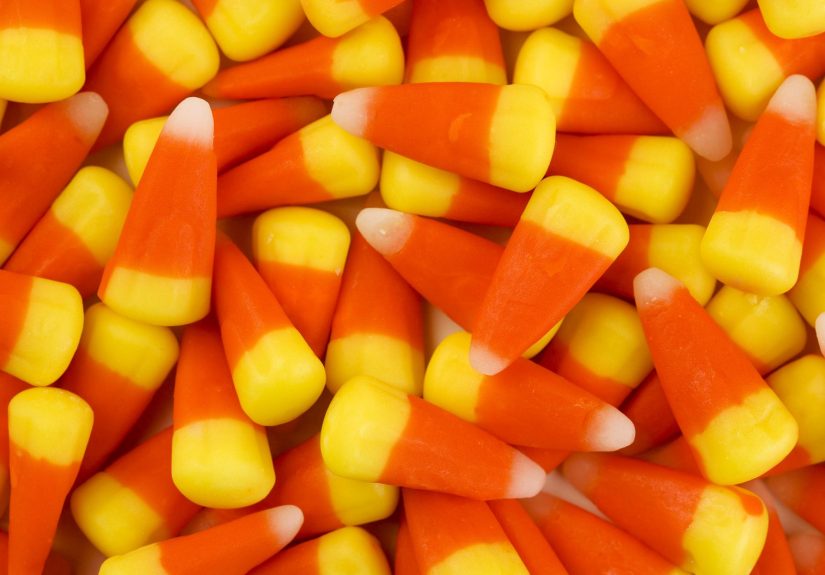
The classic shape is the whole point: candy corn is designed to resemble a kernel of corn, with three stacked bands of colorwhite tip, orange center, yellow basecreating a tiny edible harvest festival in your palm.
The 1880s: When Candy Looked to the Cornfield for Inspiration
Most histories place candy corn’s origin in the 1880s. Oral histories and candy-industry accounts often credit a candy maker named George Renninger, who worked for the Wunderle Candy Company in Philadelphia, with developing an early version of the tri-colored corn-kernel candy.
Why corn? Because late-19th-century America was still heavily rural and agriculture-themed marketing actually worked. A candy shaped like something familiar from farm life wasn’t just cuteit was strategic. It also gave confectioners an excuse to lean into “harvest spirit” branding long before pumpkin spice did a hostile takeover of autumn.
The Original Vibe: “Chicken Feed,” Not “Halloween Treat”
Here’s the plot twist that makes candy corn history delightful: candy corn wasn’t originally positioned as a spooky-season candy at all. Early marketing reportedly used the name “Chicken Feed” and leaned hard into the farm theme, sometimes even featuring a rooster on packaging.
That name sounds like a prank someone would pull on a kid (“Sure, it’s candytry it!”), but it made sense in its era. Corn was a familiar symbol of harvest and rural life, and the candy was designed to feel like a playful spin on the everyday.
1898 and Beyond: Candy Corn Goes Big
The candy didn’t stay a local novelty. A major turning point often cited is 1898, when the Goelitz Confectionery Company began producing candy corn. Goelitz would later become known as the Jelly Belly Candy Company, and the company’s long-running mellowcreme production helped cement candy corn as a recognizable American staple.
It’s worth pausing to appreciate the business brilliance here: mellowcremes were comparatively affordable to make, had a long shelf life, and could be shaped into seasonal and novelty forms. Candy corn was one hit among many harvest-themed candies, but it was the one that stuckpartly because the design was iconic and partly because it was weirdly charming. (America loves weirdly charming.)
How Candy Corn Is Made: The Surprisingly Technical Story Behind a Tiny Triangle
Candy corn may look simple, but making it consistentlyat massive scalerequires serious manufacturing precision. Traditional production used hand-layering and labor-intensive steps; modern factories rely on mechanized systems that can pump out millions of pieces with uniform stripes and shapes.
Starch Molds and the “Mogul” Method
A common industrial approach uses cornstarch molds to shape the candy. Think of it like making footprints in soft sandexcept the “sand” is starch and the footprints are kernel-shaped cavities.
In many factory setups, a candy-making system (often described as a mogul) deposits the candy mixture into those starch impressions in stages. This method helps create the signature layered look and keeps shapes crisp while the candy sets.
The Famous Three-Pour Look
The stripes aren’t painted on afterward. They’re built in layerstypically depositing white, then orange, then yellow so the wide base ends up golden and the tip stays bright. Once the pieces set, they’re separated from the starch and often given a light coating to create that familiar sheen.
In other words: those little kernels are basically a tiny engineering project that happens to taste like “October.”
How Candy Corn Became a Halloween Candy Favorite
Candy corn’s Halloween dominance wasn’t immediate. For decades it existed as a general harvest-season (or even year-round) candy with strong rural branding. The real shift happened as Halloween in the United States transformed into the candy-centered holiday we recognize today.
A big cultural accelerant was the post–World War II era. As sugar rationing ended and communities leaned into safer, kid-focused celebrations, trick-or-treating surged. Halloween became a mainstream neighborhood event, and candy companies happily matched supply to demand.
Candy corn had a competitive advantage: its colors already looked like fall. Its shape fit harvest imagery. It was shelf-stable, easy to portion, and unmistakable in a bowl of mixed candy. Over time, those traits helped it become a seasonal “default,” right alongside mini chocolate bars and the one candy nobody remembers buying but everyone somehow has.
The Modern Candy Corn Economy: Billions of Pieces and a Whole Lot of Opinions
Today, candy corn is produced at a scale that feels slightly unreal until you see it in a warehouse. Industry and media reports commonly cite production in the billions of pieces annually and tens of millions of pounds sold each year in the United Statesespecially during the Halloween season.
One reason candy corn remains so visible is that major manufacturers have made it a reliable seasonal product, with large-volume distribution and prominent retail placement. It also helps (from a marketing standpoint) that candy corn is famously polarizing. People debate it every year, and debate is basically free advertising.
National Candy Corn Day: Yes, That’s a Real Thing
If you want a date to celebrate (or respectfully roast) candy corn, mark October 30. It’s widely recognized as National Candy Corn Dayconveniently timed right before Halloween, when candy bowls are full and self-control is on vacation.
The holiday itself is less about serious tradition and more about giving candy lovers a playful excuse to lean into the season. But it also reflects something true: candy corn is baked into American fall culture whether you love it, hate it, or only eat it when there’s nothing else left in the snack drawer.
Flavor Spin-Offs, Seasonal Cousins, and the “What If It Tasted Like a Hot Dog?” Era
For most of its history, candy corn was essentially one flavor with one look. Modern candy culture, however, is powered by two forces: novelty and limited editions. So candy corn evolved.
- Holiday color swaps: red-and-green “reindeer corn,” pink-and-red Valentine mixes, and spring-themed pastels.
- Harvest variations: pumpkin-shaped mellowcremes and “Indian corn” mixes with brown or chocolate tones.
- Wild flavor experiments: seasonal mashups and novelty flavors designed to spark social media reactions (successful or not).
Whether these variations are delightful or chaotic depends on your personality and how brave you feel in the candy aisle. Either way, they prove that candy corn isn’t stuck in the pastit just wears the past like a cozy sweater.
Why People Love Candy Corn (and Why Others Don’t)
Candy corn’s reputation is one of America’s most predictable annual arguments. The core reasons fall into a few buckets:
The Love Case
- Nostalgia: For many people, the taste is basically a memory of classroom parties, costume masks, and chilly evenings.
- Texture rituals: Some fans eat it layer by layer like a tiny candy science experiment.
- Seasonal magic: Candy corn feels like fall decor you can snack on while carving pumpkins.
The “No Thanks” Case
- Texture complaints: Critics call it waxy or overly sweet (sometimes both in the same sentence).
- Expectation mismatch: The corn shape tricks your brain into expecting something elsethen surprise, it’s vanilla sugar.
- Overexposure: It’s everywhere in October, which can create a “why are you in my face?” reaction.
And yet, even many skeptics admit it plays an important role: candy corn is a Halloween atmosphere generator. It’s a symbol. It’s edible seasonal decor. It’s the candy bowl’s loudest outfit.
Using Candy Corn Beyond the Candy Bowl
Candy corn is surprisingly versatile if you treat it like an ingredient instead of a stand-alone candy. A few popular uses:
- Snack mixes: Combine candy corn with salted peanuts for a sweet-salty throwback (many people swear by it).
- Baking: Fold into cookie dough, sprinkle on blondies, or use as cupcake toppers for instant Halloween vibes.
- Decorating: Layer in clear jars, use in party favors, or sprinkle on tablescapes like edible confetti.
The secret is portioning: candy corn is intense in a charming way. A handful is festive. A bowlful is… a commitment.
Conclusion: A Tiny Candy That Accidentally Became a Cultural Icon
Candy corn started as a clever nod to America’s agricultural rootspossibly even sold under a farmy name like “Chicken Feed” and evolved alongside mass manufacturing, shifting seasonal marketing, and the rise of modern trick-or-treating. It didn’t become a Halloween candy favorite by force. It became one by fit: the colors, the timing, the symbolism, and the sheer recognizability all clicked.
Love it or hate it, candy corn has achieved what most candies can only dream of: it’s instantly identifiable, intensely debated, and permanently tied to a season. That’s not just candy history. That’s branding immortalitywith a sugary aftertaste.
Extra: Candy Corn Experiences That Make the History Feel Personal (500+ Words)
The funny thing about candy corn is that most people don’t just eat itthey experience it. It’s one of those foods that carries a whole mood, like hot cocoa or popcorn at the movies. Here are some of the most common candy corn moments that show why this old-school mellowcreme still matters every fall.
1) The First Sightings: “Oh, It’s That Time Already?”
For a lot of shoppers, candy corn is the first official sign that Halloween is loading. You walk into a store for something totally normalpaper towels, shampoo, a snack you’ll pretend is “for later”and there it is: a wall of orange, yellow, and white bags. The brain immediately switches to autumn mode, even if it’s still hot outside.
2) The Great Bowl Debate
Candy corn becomes a conversation piece the moment it hits a communal bowl. Someone will grab a few pieces and smile like they’ve just found buried treasure. Someone else will stare at it like it personally inconvenienced them. Somehow both people will speak with confidence, as if candy corn is a political issue and not a sugar triangle.
3) Eating It “The Right Way” (Even Though Everyone Has a Different Right Way)
Some people bite it in half. Some people eat the colors one at a time. Some people claim the white tip is “the best part” with the seriousness of a sommelier describing a rare vintage. And then there are the rebels who toss a handful in their mouth like they’re speed-running Halloween.
4) The Sweet-and-Salty Combo Tradition
The candy corn-and-peanuts pairing is one of those old-fashioned snack tricks that keeps getting rediscovered. It’s not fancy, but it works: the peanuts add crunch and salt, the candy corn adds sweetness, and suddenly you have a snack that feels oddly balancedlike candy corn got a sensible friend.
5) The Classroom and Party Memory Effect
Candy corn is strongly linked to “kid season” experiences: classroom parties, costume parades, fall festivals, and that one friend who always had the most dramatic vampire cape. Even if you don’t eat candy corn often as an adult, the smell of a freshly opened bag can bring back those memories fast.
6) The Taste Test Challenge
Candy corn is also perfect for friendly dares: blind taste tests, “love it or hate it” polls, and seasonal snack rankings. People who claim they dislike it will still try a piecejust to confirm their opinion (which is honestly very on-brand for human beings).
7) Edible Décor Energy
Even candy corn skeptics often admit it looks great in fall décor. It layers beautifully in jars, pops in party favors, and makes any dessert table look instantly Halloween-ready. It’s basically edible ambiancelike a tiny sugar candle that doesn’t require matches.
All these moments are why candy corn sticks around. It’s not only about flavor; it’s about season, memory, tradition, and a little bit of playful controversy. A candy that can start conversations, trigger nostalgia, and double as decoration has more cultural staying power than something that tastes good and disappears quietly. Candy corn doesn’t disappear quietly. It arrives loudly, every year, wearing fall colors like it invented autumn.