Table of Contents >> Show >> Hide
- What Is Grandmacore, Exactly?
- Why Designers Love Grandmacore Right Now
- The Grandmacore “Ingredients List”
- How to Make Grandmacore Look Designer (Not Costume)
- Room-by-Room Grandmacore Ideas
- Where to Find Grandmacore Pieces Without Spending a Fortune
- Common Grandmacore Mistakes (and How to Avoid Them)
- Final Thoughts: Grandmacore Is a Feeling, Not a Checklist
- Experiences: Real-Life Grandmacore Moments (500+ Words)
- SEO Tags
If your feed has been serving up homes that look like they smell faintly of lemon tea, library books, and “just one more cookie,”
you’re not imagining things. Grandmacore (also lovingly called “granny chic” or the close cousin “grandmillennial style”)
is having a major interior design momentand it’s not just a novelty trend with doilies and dust ruffles (though, yes, those are invited).
At its best, grandmacore is cozy-with-intention: layered patterns, vintage finds, soft textures, warm lighting, and a collected look
that feels personal instead of showroom-perfect. Think: a floral lamp shade next to a sleek sofa. A thrifted oak side table holding a very modern
wireless charger. A quilt thrown over a chair like it’s been waiting to comfort you since 1987.
In this guide, we’ll break down what grandmacore actually is, why designers keep recommending it, and exactly how to pull it off in a way that says
“tasteful nostalgia” and not “I moved into my aunt’s guest room and never left.”
What Is Grandmacore, Exactly?
Grandmacore is an interior style that celebrates the “grandma house” vibewarm, welcoming, a little sentimental, and proudly unfussy.
It leans into traditional elements like florals, needlepoint, vintage frames, skirted furniture, and inherited-looking treasures.
But the modern version isn’t about copying the past. It’s about remixing it.
Grandmacore vs. Grandmillennial vs. Cottagecore
- Grandmacore: The coziest branch on the family treesoft textures, homey layers, comfort-first, lots of “lived-in” charm.
-
Grandmillennial: A more tailored, design-forward taketraditional patterns (toile, chintz, plaids) mixed with crisp, modern pieces.
Think “preppy vintage with a fresh haircut.” -
Cottagecore: More pastoral and nature-romanticrustic woods, wildflowers, handmade vibes, and an aesthetic that says,
“I churn butter… spiritually.”
The overlap is real, and honestly, your house doesn’t care what label you use. The goal is the same: make a space feel warm, expressive, and human.
Why Designers Love Grandmacore Right Now
Grandmacore is trending because it solves a modern problem: many homes feel a bit too sterile. After years of stark minimalism, cool grays,
and rooms that look like nobody has ever eaten a snack inside them, people are craving spaces with soul.
1) It’s comfort you can see
Layered textiles (quilts, lace, knits), plush seating, and warm lighting create an instant sense of ease. Grandmacore makes a home feel like it’s
on your side. Like it would offer you soup and tell you you’re doing greatwithout making it weird.
2) It’s personal, not perfect
A big part of the aesthetic is mixing meaningful items: heirlooms, thrifted finds, travel trinkets, old books, and quirky art. The “collected over time”
look feels more authentic than matchy sets. Designers love it because it’s easier to make a room feel intentional when it has a story.
3) It’s naturally more sustainable
Grandmacore thrives on vintage furniture, secondhand decor, and reusing what you already have. Shopping your own attic (or someone else’s estate sale)
reduces waste, adds character, and usually saves money. It’s basically eco-friendly decorating, but with better lamp shades.
4) It plays nicely with modern life
The updated approach isn’t about living like it’s 1962. It’s about borrowing the best partscomfort, craftsmanship, warmthand pairing them with modern
function (performance fabrics, smart lighting, minimal clutter zones, and furniture that doesn’t wobble like it’s auditioning for a slapstick comedy).
The Grandmacore “Ingredients List”
You don’t need to transform your home into a full Victorian parlor overnight. Start by understanding the building blocks.
Think of grandmacore like a recipe: it’s all about the right mix.
Patterns that say “hello, darling”
- Florals and chintz: big, cheerful blooms on fabric, wallpaper, or bedding
- Toile: scenic prints that feel classic (and slightly dramatic, in a good way)
- Gingham and checks: especially in kitchens, breakfast nooks, and casual corners
- Stripes: the “responsible adult” of pattern mixing
- Botanical prints: framed, layered, or used in textiles
Textiles you want to nap on
- Quilts (beds, throws, even as a tablecloth)
- Crochet and lace (pillow trims, curtains, doiliesuse lightly if you’re cautious)
- Needlepoint (pillows, stools, framed pieces)
- Velvet and linen (for balance: one plush, one airy)
Furniture with curves and character
- Antique wood pieces: dressers, side tables, hutches
- Skirted furniture: tables or seating with fabric skirts (surprisingly chic when edited)
- Turned legs and classic silhouettes: wingbacks, rolled arms, cane details
- Vintage-inspired lighting: pleated shades, brass bases, ceramic lamps
Decor that feels collected, not cluttered
- Vintage frames and small gallery moments
- Ceramics and glass: vases, ginger-jar shapes, colored glass
- Books: stacked, shelved, and actually read (optional but emotionally impressive)
- Sentimental objects: heirlooms, travel keepsakes, handwritten notes framed
How to Make Grandmacore Look Designer (Not Costume)
The line between “cozy” and “chaos” can be…thin. Like vintage lace. Here’s how designers keep grandmacore fresh.
Rule #1: Mix old and new on purpose
Grandmacore works best when at least one element feels modern: a clean-lined sofa, contemporary art, minimal window trim, or sleek hardware.
The contrast is what makes the vintage pieces feel curated instead of dated.
Rule #2: Choose a simple color anchor
If you love pattern mixing (and grandmacore does), you need a unifying thread. Pick 2–3 core colors and repeat them across the room:
maybe cream + sage + dusty rose, or navy + warm white + brass. This keeps the look cohesive even when you’ve got florals, stripes, and a
plaid pillow that’s living its best life.
Rule #3: Use “edited maximalism”
Grandmacore can be layered without being overwhelming. The trick is leaving breathing room:
a clear tabletop corner, a calm wall, or a simpler rug to balance busier fabrics.
You’re not trying to fill every inchyou’re trying to make every inch feel intentional.
Rule #4: Upgrade the lighting (seriously)
Nothing ruins a cozy vintage vibe faster than a single ceiling light that feels like an interrogation.
Grandmacore shinesliterallywith warm, layered lighting: table lamps, sconces, floor lamps, and soft bulbs.
Aim for “golden hour,” not “operating room.”
Room-by-Room Grandmacore Ideas
Living room: cozy layering without the mess
- Start with a neutral sofa, then add patterned pillows (mix floral + stripe + solid)
- Add one vintage wood piece (coffee table, sideboard, or side table)
- Bring in a quilted throw or needlepoint accent
- Use a classic lamp shade (pleated or scalloped) for instant “grandma energy”
Bedroom: soft, nostalgic, still modern
- Swap plain bedding for printed sheets or a floral duvet
- Try a quilt layered at the foot of the bed
- Use a vintage dresser (bonus points if it’s slightly imperfect)
- Add a romantic detail: a canopy frame, a ruffled sham, or brass reading light
Dining room: the comeback of “sit and stay awhile”
- Use a tablecloth or quilt-as-tablecloth for warmth and texture
- Mix dining chairs (same tone, different shapes)
- Display dishes or glassware in a hutch or open shelving
- Add a centerpiece that isn’t fussy: seasonal branches, a ceramic bowl, or fresh flowers
Kitchen: where grandmacore feels effortless
- Add patterned curtains (cafe curtains work well for a vintage nod)
- Use open shelves for a few pretty, practical items (not 47 mugs)
- Bring in warm metals: brass pulls, copper utensils, vintage trays
- Try a small pattern moment: wallpaper in a nook, gingham seat cushions, or a cheerful runner
Bathroom: vintage charm in small doses
- Swap a standard mirror for a vintage-inspired frame
- Add a small lamp (yes, in the bathroomif it’s safe and practical)
- Use woven baskets and glass jars for storage
- Bring in soft textiles: a patterned shower curtain or embroidered hand towels
Where to Find Grandmacore Pieces Without Spending a Fortune
Grandmacore is one of the easiest trends to shop secondhandbecause the whole point is that it looks collected over time.
Here are smart places to start:
- Thrift stores: lamps, frames, baskets, small furniture, floral art
- Estate sales: quality wood pieces, china, linens, vintage lighting
- Antique malls: unique statement items (go with measurementslearn from everyone’s mistakes)
- Online resale: great for specific searches like “needlepoint pillow” or “brass pharmacy lamp”
- Your own storage: yes, even the box labeled “misc.” That’s where the magic lives.
Pro tip: reupholstery is your secret weapon
If you find a well-made chair with good bones, reupholster it in a classic pattern (floral, stripe, or check).
It’s one of the most “designer” moves in the grandmacore playbook: old structure, fresh fabric, instant personality.
Common Grandmacore Mistakes (and How to Avoid Them)
Mistake 1: Going full-theme overnight
If you replace everything at once, your home can feel like a stage set. Instead, build gradually:
start with a lamp, a vintage wood piece, and one textile. Let the room evolve.
Mistake 2: Too many tiny items
Grandmacore loves collectibles, but a hundred small objects can read as clutter.
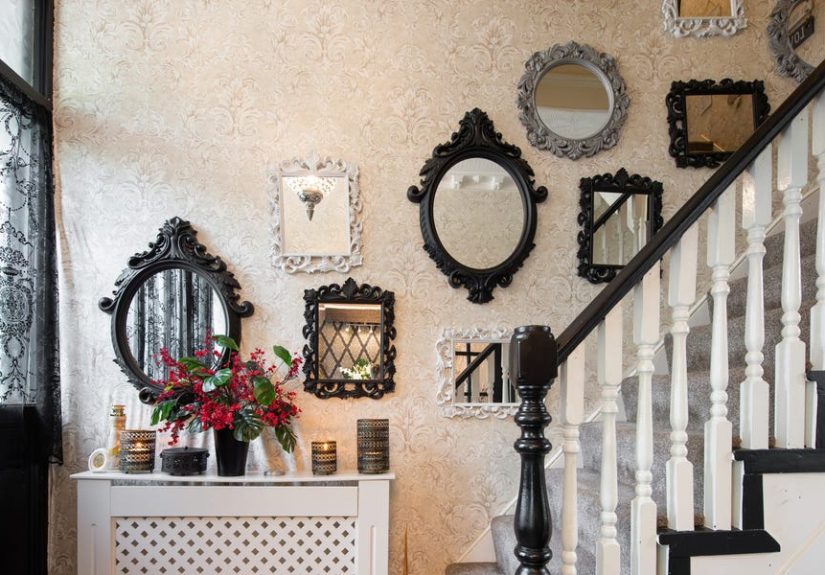
Mix in larger pieces (a big mirror, a substantial lamp, a bold artwork) to create visual “rest stops.”
Mistake 3: No modern balance
A room packed with only vintage can feel heavy. Add modern contrast:
a simple sofa, clean-lined side table, minimalist rug, or contemporary art.
The goal is “timeless,” not “time capsule.”
Mistake 4: Forgetting function
Cozy is great. Tripping over a footstool every day is not.
Keep pathways clear, storage practical, and high-use zones calm.
Grandma would want you to be safe, okay?
Final Thoughts: Grandmacore Is a Feeling, Not a Checklist
The reason designers keep coming back to grandmacore is simple: it makes homes feel welcoming.
It celebrates craftsmanship, sentiment, and the joy of a space that looks like real life happens there.
Start small, mix thoughtfully, and let your home become a little more yousoft edges, warm light, and all.
Experiences: Real-Life Grandmacore Moments (500+ Words)
The funniest thing about grandmacore is that it often starts with one “innocent” decision. A person buys a floral pillow as a joke,
then suddenly they’re debating the merits of scalloped lamp shades at 11:47 p.m. This section is a collection of common real-world
grandmacore experiencespractical, relatable scenarios that show how the trend actually plays out in everyday homes.
1) The Thrift-Store Chair That Became the Main Character
A classic grandmacore origin story: you find a vintage wingback chair with solid wood legs and a silhouette that screams “I have opinions about tea.”
The upholstery is…let’s call it “historically adventurous.” But the bones are great, so you take it home, clean it up, and reupholster it in a cheerful
floral or a tight stripe. Suddenly, your modern living room has a focal point with personality. And the best part? That chair doesn’t just look goodit
tells people you decorate with intention, not algorithms. (Even if you absolutely found it through an algorithm. We won’t tell.)
2) The Quilt-as-Tablecloth Dinner That Made Everyone Stay Longer
Someone throws a quilt over the dining table because they don’t own a tablecloth. The texture softens the room instantly, the stitching catches candlelight,
and dinner feels warmerlike a holiday, without the pressure. Guests linger. People ask where you got the quilt. You casually say, “Oh, it’s vintage,” like
you’re the kind of person who just has vintage quilts lying around (which, to be fair, you are now). Grandmacore is sneaky: it’s decor that changes behavior.
Cozy rooms make people slow down.
3) The “One Shelf of Cute Things” Rule That Prevented Cluttercore
Many people love the idea of collected, nostalgic decorbut don’t love the idea of dusting 200 tiny objects. One practical grandmacore trick is creating
a “contained sentiment zone”: one bookshelf, one hutch, or one section of open shelving where the vintage treasures live. That could be framed botanicals,
an old vase, a small stack of books, a candle stick, and a family photo. The rest of the room stays calmer. This is how you get the warmth without the chaos:
charm in a container.
4) The Lamp Shade Upgrade That Made the Whole Room Look Expensive
Grandmacore doesn’t require major renovations. Sometimes it’s just swapping a basic drum shade for a pleated or scalloped shade.
That tiny change can make a room feel more curated and “collected.” Add a warm bulb and suddenly the corner looks like it belongs in a magazine spread.
People underestimate how much lighting shapes mood. Grandmacore understands it instinctively: homes should glow, not glare.
5) The Pattern-Mixing Confidence Boost
A lot of folks raised on minimalist trends feel nervous about mixing patterns. Grandmacore is a gentle gateway drug. You start with one floral pillow,
then add a stripe, then toss in a checkbecause somehow it works. The key experience here is realizing that design doesn’t have to be rigid.
When patterns share a color family (say, blues and creams) they can play together without fighting. Once you see it, it’s hard to unsee.
Your home becomes less about “matching” and more about “belonging.”
If there’s a common thread in these experiences, it’s this: grandmacore makes people feel good. It creates rooms where you actually want to sit,
talk, read, snack, and stay awhile. In an era where everything moves fast, a home that feels like a warm hug isn’t just a trendit’s a lifestyle upgrade.