Table of Contents >> Show >> Hide
In a film universe full of gangsters, space wizards, and masked vigilantes, one character in a yellow tracksuit quietly sliced her way into movie history: The Bride, a.k.a. Beatrix Kiddo, the vengeful assassin at the heart of Kill Bill. She’s part kung fu warrior, part spaghetti-western gunslinger, part grieving mom who just wants a normal life… after finishing her revenge list.
Over two movies, The Bride changed the way audiences thought about female action heroes. She bleeds, fails, cries, and then gets back up again to decimate an entire yakuza army with one Hattori Hanzo sword and a frankly worrying level of cardio. No wonder critics, fans, and pop-culture lists keep ranking her among the most iconic film characters of all time.
This deep dive pulls together rankings and opinions from critics, fan communities, and cultural commentary to answer one big question: where does The Bride actually rank in the action-hero hall of fame? Along the way, we’ll walk through her most legendary moments, how she compares to other action icons, and why people still debate whether she’s an empowering feminist figure, a problematic fantasy, or somehow both at once.
Who Exactly Is “The Bride”?
From Deadly Viper to devoted mother
The Bride’s real name is Beatrix Kiddo, a former top-tier assassin in the Deadly Viper Assassination Squad. She’s codenamed Black Mamba and serves as the right hand of Bill, her mentor, boss, and lover. When she discovers she’s pregnant, she does something almost more dangerous than assassinating mob bosses: she tries to quit. She fakes her death, flees, and attempts to build a normal life with a new fiancé in El Paso.
The wedding rehearsal turns into a massacre when Bill and the Deadly Vipers storm the chapel and shoot everyone, including Beatrix, who is pregnant and unarmed. She survives a bullet to the head but spends years in a coma. Waking up to find her baby gone and her body abused, she chooses a single purpose: “Kill Bill.” The hit list she writes on that hospital bed becomes the spine of both filmsand the reason she’s so endlessly ranked, analyzed, and argued about.
A character built to be iconic
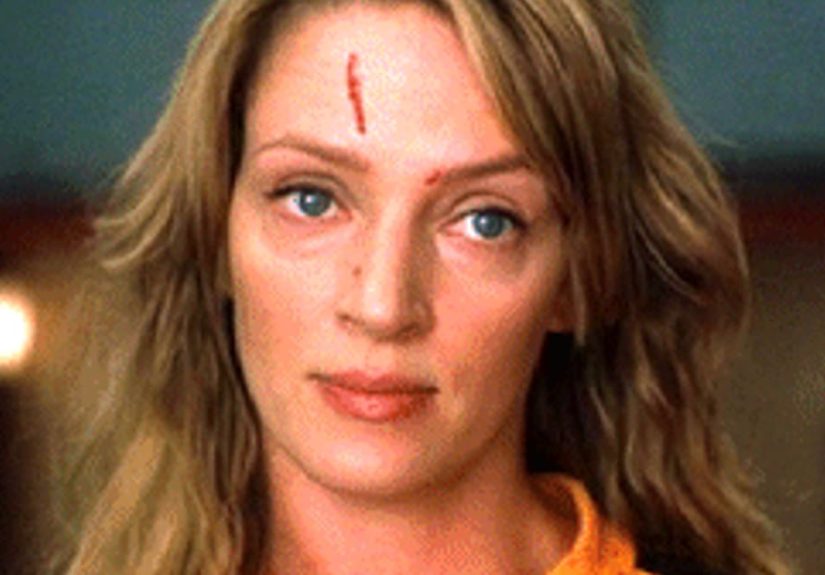
The Bride was designed from the beginning to be larger than life. Quentin Tarantino and Uma Thurman came up with the character years before filming while working together on Pulp Fiction. She blends elements from classic kung fu cinema, grindhouse revenge flicks, samurai stories, and westerns. Her looka yellow tracksuit inspired by Bruce Lee, a razor-sharp katana, and a face that’s often streaked with sweat and bloodbecame instantly recognizable cosplay shorthand for “I mean business.”
This deliberate mash-up is a big reason critics and list-makers love her. She feels familiar and totally fresh at the same time: a walking tribute to film history, but also a fully realized character with a specific trauma, complex relationships, and a surprisingly soft core when it comes to her daughter, B.B.
Ranking The Bride’s Most Iconic Moments
Fans and writers have spent years ranking The Bride’s best scenes, arguing over which moment is the most “badass” or emotionally devastating. Here’s a synthesized ranking of her standout sequences, based on recurring favorites in critic lists and fan discussions, along with why each moment matters.
1. The House of Blue Leaves massacre
If you ask someone to “show one scene that explains The Bride,” this is it. In the House of Blue Leaves sequence, she storms a Tokyo nightclub to confront O-Ren Ishii and ends up fighting dozens of henchmen plus the infamous Crazy 88. It’s part ballet, part bloodbath. The scene’s choreography, visual style (including black-and-white and silhouette work), and relentless pace cement The Bride as a mythic warrior rather than just a skilled fighter. It’s also where her determination goes from personal vendetta to unstoppable force of natureand most rankings put this moment firmly at the top.
2. The showdown with Elle Driver in the trailer
The Bride vs. Elle Driver might be the purest expression of “messy, ugly, personal” revenge in the whole series. Two rival assassins fighting in a cramped trailer with katana blades, shattered glass, and a writhing snake in the background feels claustrophobic and brutal. The Bride ultimately takes Elle’s remaining eye, leaving her blinded and screaming. It’s vicious, morally murky, and unforgettableexactly the kind of scene that sticks in audience memory and tops “most savage moments” lists.
3. Training under Pai Mei
The Pai Mei flashbacks show The Bride at her lowesthumiliated, beaten, mockedand then slowly transformed into the warrior we see in Volume 1. Pai Mei’s cruel training regime is equal parts disturbing and darkly funny, and it provides the explanation for her almost superhuman abilities, like the famous “punch through a coffin” move. Rankings often place these scenes high not just for the cool factor but because they reveal her resilience, stubbornness, and willingness to suffer for a future she hasn’t even fully imagined yet.
4. Clawing out of the grave
Buried alive in a wooden coffin, The Bride has no katana, no allies, and no hopeexcept for what she learned from Pai Mei. The sound design of her fists hitting the wood, the splintering coffin, and the sudden rush of air as she pulls herself up through the dirt is pure catharsis. It’s a top-tier survival moment and shows why she’s more than just a stylish killer. She refuses to die inconveniently for anyone’s narrative, including Bill’s.
5. The kitchen conversation with Bill
Forget swords for a secondthe final confrontation in Kill Bill: Vol. 2 happens mostly over a quiet conversation at a kitchen table while B.B. watches cartoons. Bill dissects Beatrix’s nature, calling her a born killer and comparing her to Superman; she pushes back, insisting she chose motherhood. The moment where she finally uses the Five Point Palm Exploding Heart Technique is shockingly gentle, almost loving. Many critics rank this as one of the most powerful scenes in the duology because it reframes the entire revenge story as a tragic breakup between two people who were never going to be able to coexist peacefully.
6. The Vernita Green fight in the living room
The suburban knife fight between The Bride and Vernita Green is chaotic, funny, and brutally grounded. Two assassins destroy a normal family home while a school bus pulls up outside. When Vernita’s daughter walks in just in time to see her mother die, The Bride calmly tells the girl that she’ll understand somedayand that she’ll be waiting if the child wants revenge. It’s chilling and deeply human at the same time, which is why it frequently lands on fan “top scenes” lists.
7. The moment she realizes B.B. is alive
Emotionally, this might be The Bride’s number one scene. She storms into Bill’s hideout expecting a final showdown and instead hears a tiny voice say, “Hi Mommy!” Her entire body language collapses from warrior mode to overwhelmed mom within seconds. It’s a reminder that beneath all the bloodshed, her real motivation isn’t just to hurt the people who hurt her; it’s to reclaim the life that was stolen from her and protect her child. For many viewers, this is the scene that makes them root for her on a deeper level than “cool fight scenes.”
How Do Critics and Fans Rank The Bride Overall?
A regular on “greatest characters of all time” lists
The Bride doesn’t just dominate niche action-movie rankingsshe shows up in broad “greatest characters” lists across pop culture. Entertainment magazines in the U.S. have placed her among the top 100 characters of the last few decades, and film outlets have ranked her alongside classic figures like James Bond, Indiana Jones, and Ellen Ripley. That tells us she’s not just loved by Tarantino fans; she’s widely recognized as a defining character of modern cinema.
These lists tend to praise the same qualities: her mixture of vulnerability and ferocity, Uma Thurman’s committed performance, and the way the character carries two movies almost entirely on her shoulders. Even when people argue over Tarantino’s style, they usually agree that Beatrix Kiddo is one of his greatest creations.
Standing next to other action legends
Stack The Bride next to other iconic action heroes and you can see why rankings consistently place her near the top, especially among female protagonists. Like Sarah Connor, she transforms from victim to warrior. Like Ellen Ripley, she mixes maternal instinct with deadly competence. Like John Wick, she operates by a personal code that feels almost mythological.
Where she stands out is tone and texture. Her story is emotionally raw, but the films around her are stylized, playful, and self-aware. She’s an action figure in a cinema toy box, yet her grief, guilt, and love for B.B. feel painfully real. That combination keeps her high in fan rankings even as new action heroines arrive on screen every year.
Cultural impact: beyond the movies
The Bride’s influence has escaped the walls of the film world. Cosplayers replicate her yellow jumpsuit and katana at conventions worldwide. A species of parasitic wasp was even named after her, a nod to her lethal efficiency. Professional athletes and performers have borrowed her codename “Black Mamba” and her fierce visual identity as shorthand for focused, deadly skill.
Stage shows, live musical tributes, and mash-up performances regularly reference The Bride as one of the signature images of 2000s cinema. That kind of cross-medium presence is a big reason she stays high in pop-culture rankings: she’s not just a character; she’s an icon you can recognize in a silhouette.
Opinions: Feminist Icon, Problematic Fantasy, or Both?
The empowerment argument
Many critics and scholars read The Bride as a symbol of female empowerment. She escapes abuse, refuses to be controlled, and systematically dismantles the power structure that tried to own her. Her violence isn’t random; it’s directed at the people who violated her autonomy, tried to kill her child, and decided she was easier to erase than respect. In that reading, every swing of the sword is an act of defiance against a world that expected her to stay dead and quiet.
The critique: stylized violence and the male gaze
On the other hand, some feminist analyses argue that The Bride still exists inside a male-authored fantasy. The camera lingers on her body, the violence is heavily stylized for audience pleasure, and her empowerment is played out through extreme physical suffering. According to this view, she’s powerfulbut still framed primarily through what looks “cool” rather than what feels realistic or safe for women in the real world.
Why the tension keeps her interesting
That tug-of-war between empowerment and exploitation is part of why people still talk about The Bride. She’s complicated. You can watch her and feel genuinely inspired by her refusal to give up; you can also watch and feel uneasy about the level of pain she’s put through for our entertainment. Instead of making her less iconic, that discomfort gives her layers. Rankings and opinion pieces often reflect this, praising her as a great character while debating whether she’s a healthy model of “strong woman” representation.
Experiences and Reactions: How Viewers Connect With The Bride
Beyond critic lists and academic essays, The Bride really lives in the stories fans tell about how she made them feel. Scroll through forums, social threads, or fan essays and you’ll find a surprising range of personal experiences tied to her character.
Relatability in rage and resilience
A lot of viewers latch onto The Bride’s emotional journey more than her sword skills. People talk about watching Kill Bill after breakups, job loss, or traumatic events and seeing their own anger reflected in her focused rage. She doesn’t just lash out randomly; she channels her pain into a goal, sets clear steps (literally a kill list), and keeps moving even when she gets knocked downsometimes literally buried. For many, that’s the fantasy: not the violence itself, but the idea of not being paralyzed by unfairness.
Viewers who’ve gone through medical trauma or long recovery periods often mention the coma scenes. The helplessness of lying in a hospital bed and then the sudden, desperate fight to reclaim her body resonates with people who’ve felt physically vulnerable. Even if they don’t want to punch their way out of a coffin, the metaphor of clawing back control lands hard.
Cosplay, confidence, and stepping into the yellow suit
Conventions and costume parties provide another layer of “experience” around The Bride: cosplay. Many fans describe putting on the yellow jumpsuit and holding a toy katana as unexpectedly empowering. It’s not just about looking cool; it’s about stepping into a persona who survived the worst day imaginable and still walked out swinging. Some fans say it boosts their confidence the same way wearing a sharp suit or favorite dress doesonly with a little extra “do not mess with me” energy.
Interestingly, people who don’t see themselves as “action-movie types” still gravitate to The Bride cosplay. Her costume is visually striking, but her story is grounded in very human emotions: fear, grief, and fiercely protective love. That mix of theatrical style and emotional realism makes her feel accessible even when she’s objectively doing things that defy physics.
Generational viewings and shifting opinions
Another common experience is rewatching Kill Bill at different ages. People who first saw the movies as teenagers often say they primarily focused on the fight scenesranking the Crazy 88 battle above everything else, quoting lines, and obsessing over the soundtrack. When they revisit the films as adults, especially as parents, the scenes with B.B., the chapel massacre, and the kitchen conversation with Bill hit harder.
Some viewers describe their opinion of The Bride changing over time. At first, she’s a “cool assassin.” Later, she becomes a complicated survivor trying to build a stable life from absolute wreckage. That evolving relationship with the character is part of why she stays culturally relevant. Rankings aren’t static; as audiences grow up, they bring new life stages and perspectives to the same scenes, and The Bride continues to hold up under that scrutiny.
Why fan experiences keep her high in the rankings
When you combine all these experiencespeople seeing their own anger in her revenge, finding confidence in cosplay, and revisiting the films with new eyesyou get a character who doesn’t just live on a list of “Top 100 Movie Characters.” She lives in people’s personal narratives. Fans use The Bride as a reference point for resilience, boundaries, and the messy process of reclaiming a life after everything falls apart.
That’s the secret behind her staying power. Rankings and opinions shift, new movies come out, and trends change. But a character who helps people make sense of their own stories tends to stay near the top, no matter how many new heroes step into the spotlight.
The Final Verdict: Where The Bride Really Ranks
Put all the evidence togethercritical acclaim, iconic scenes, cultural impact, and deep fan attachmentand The Bride comfortably sits near the top tier of modern film characters. She’s not just one of the most memorable female action heroes; she’s one of the defining action protagonists, period.
Her story is a wild mash-up of genre homage and emotional sincerity. She’s a mother and a killer, a victim and a survivor, a myth and a very human woman who just wants to tuck her daughter into bed without looking over her shoulder. That complexity is why she keeps showing up in rankings and why opinions about her are still passionate, divided, and evolving.
If there’s one consensus, it’s this: whether you watch Kill Bill for the over-the-top fight scenes, the character study, or the cathartic revenge fantasy, The Bride is the beating heart of it alland she’s earned her place (and then some) in cinema’s hall of legends.