Table of Contents >> Show >> Hide
- Why Cane-Wrapped Hardware Feels So Right Right Now
- Who Is Sibella Court, and Why Does Her Version Matter?
- What Makes the Collection Stand Out
- Where Cane-Wrapped Hardware Works Best
- How to Use It Without Going Overboard
- Why This Trend Has More Staying Power Than Most
- Living With Cane-Wrapped Hardware: The Experience in Real Life
- Conclusion
There are home upgrades that shout, and then there are home upgrades that lean in close and whisper, “Relax, I have excellent taste.” Cane-wrapped hardware falls very much into the second camp. It is subtle, tactile, a little worldly, and just fancy enough to make a tired cabinet feel like it now drinks sparkling water and says things like “bespoke joinery.”
That is exactly why Sibella Court’s cane-wrapped hardware has caught the eye of design lovers. Known for interiors and objects that celebrate patina, handwork, and the romance of materials that get better with age, Court brings an unusually soulful approach to a category many homeowners still treat as an afterthought. And that is the real twist here: hardware may be small, but it has an outsized effect on how a room feels. Change the pull, and suddenly the cabinet has a personality.
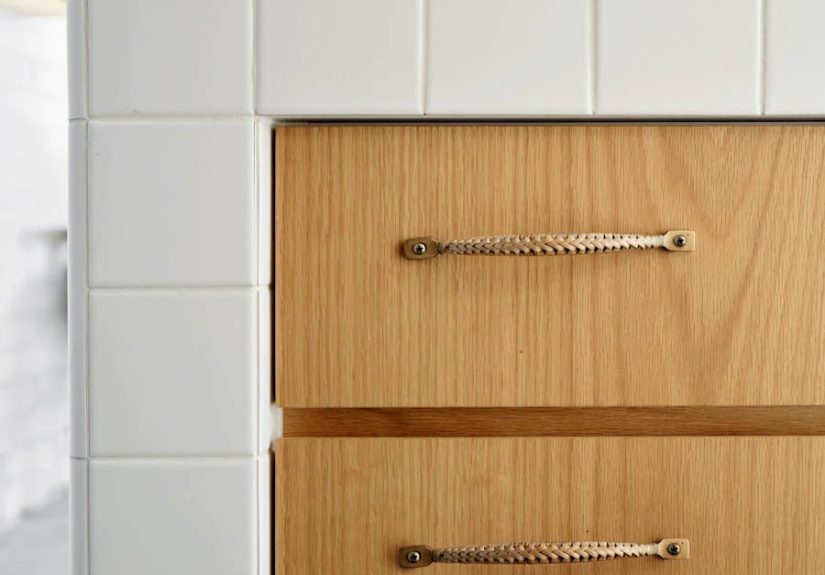
In a market filled with predictable matte black bars and safe brushed nickel standbys, Sibella Court’s cane-wrapped knobs, pulls, and brackets feel refreshingly alive. They blend warm brass with woven natural fiber, pairing utility with softness and old-world craft with modern restraint. The result is hardware that looks decorative without becoming fussy, earthy without feeling rustic, and elegant without trying too hard. Not bad for something you grab when you are half-awake looking for coffee beans.
Why Cane-Wrapped Hardware Feels So Right Right Now
Part of the appeal comes down to texture. Home design has been moving away from surfaces that feel cold, flat, and overly polished. Designers have been gravitating toward organic forms, tactile finishes, and materials that bring warmth to everyday spaces. That shift helps explain why brass remains so popular and why woven materials such as cane and rattan continue to show up in rooms that want to feel collected rather than showroom-perfect.
Cane, for the record, is not just a random woven look. It comes from the outer bark of the rattan plant and has long been used in furniture and decorative applications because it is lightweight, durable, and visually airy. That airy quality matters. Cane adds pattern without heaviness. It softens hard lines. It introduces craft without making a space look overdone. When that same idea is translated into hardware, the effect is surprisingly powerful. You get all the warmth and movement of woven natural material, but in a small, highly touchable form.
And yes, touch matters here. Hardware is one of the few design elements you physically interact with every day. You do not merely look at it. You grip it, pull it, brush past it, and build muscle memory around it. That is why beautiful hardware is often described as the jewelry of the kitchen or bath. It finishes the room, but it also changes the daily experience of using the room. A good pull does not just match the cabinetry. It feels satisfying in your hand.
Who Is Sibella Court, and Why Does Her Version Matter?
Sibella Court is not a designer who approaches materials in a sterile, trend-first way. Her work has long drawn from travel, history, forgotten trades, and what she has described as “humble materials” that develop character over time. Brass, leather, rope, zinc, and cane all fit naturally into that worldview because none of them stay frozen. They wear in. They darken, soften, deepen, and become more interesting with use.
That attitude gives her hardware a different energy from mass-market decorative pulls that are made to look artisanal but feel oddly lifeless in person. Court’s pieces are rooted in the idea that materials should tell a story, and that design should honor makers, heritage techniques, and the beauty of imperfection. In other words, this is not cane slapped on metal for a quick trend hit. It is part of a larger design language built around age, touch, and atmosphere.
That also helps explain why her hardware avoids feeling precious. Even when the pieces are elegant, they still have a grounded quality. They are meant to be used. They belong on cabinetry, wardrobes, furniture, shelves, and hardworking rooms where beauty has to earn its keep.
What Makes the Collection Stand Out
It mixes polish with imperfection
The smartest thing about cane-wrapped brass hardware is the contrast. Brass brings sheen, structure, and a little classic glamour. Cane brings softness, variation, and hand-touched texture. Put them together and the hardware lands in a sweet spot between refined and relaxed. It has enough polish for tailored interiors, but enough irregularity for homes that want warmth and soul.
It turns utility into decoration
Many cabinet pulls are either aggressively minimal or overly ornamental. Sibella Court’s pieces split the difference. They are functional first, but they also act like tiny decorative moments across a room. A run of cane-wrapped pulls on dark millwork can create rhythm. A single statement pull on a wardrobe can make a plain door feel custom. A bracket wrapped with cane can make open shelving feel less builder-basic and more deliberately styled.
It references design history without getting stuck in it
Some of the collection’s pieces nod to older design traditions and specific influences. The Vienna Drawer Pull and the 1954 Drawer Pull, for example, reference the enduring appeal of cane, wood, leather, and brass associated with mid-century Viennese design. That historical thread matters because it gives the collection depth. These pieces do not feel like random novelty objects. They feel like contemporary interpretations of ideas that have already proven they can age beautifully.
It offers more than one mood
The line is not one-note. Pieces such as the London Drawer Pull feel bolder and more sculptural, with cane and brass working together in a form that bridges antique-shop romance and modern geometry. The Vienna Drawer Pull is more slender and restrained. The Cutter Pull brings wrapped craft into a more tactile, hand-friendly silhouette. Then there are the Workshop and Wyeth brackets, which expand the language of the collection beyond drawers and doors and into shelving and architectural detail.
That range is important because it lets homeowners repeat the same design language across a space without making everything too matchy-matchy. You can echo materials without cloning every single piece. That is usually where rooms start looking layered instead of staged.
Where Cane-Wrapped Hardware Works Best
In kitchens: This is probably the most obvious home for cane-wrapped hardware, and for good reason. Kitchens can get visually hard in a hurry: stone counters, tile backsplashes, metal appliances, painted cabinetry, and all the shiny, wipeable things of adult life. Cane softens that hardness. It adds warmth to painted cabinets, especially deep green, navy, cream, mushroom, or warm white tones. On wood cabinetry, it adds another layer of texture without fighting the grain.
In bathrooms: Bathrooms often benefit from detail that feels warm and less clinical. Cane-wrapped pulls can take a vanity from standard to custom-looking, especially when paired with unlacquered or brushed brass plumbing. The trick is balance. Use cane as an accent rather than covering every possible surface in woven texture until the room starts auditioning for a beach resort reboot.
On wardrobes and built-ins: This may be the most charming application of all. A wardrobe, linen press, mudroom cabinet, or hallway built-in can handle a slightly more decorative pull because it is read more like furniture. Here, cane-wrapped hardware helps millwork feel personal and less architectural. It gives storage a pulse.
On vintage or vintage-inspired furniture: Cane-wrapped hardware is also a strong choice for dressers, bedside tables, and repurposed case pieces. If you are refreshing an old chest or upgrading a plain storage cabinet, swapping in a pull with natural texture is one of the fastest ways to make the piece look more expensive and more considered.
How to Use It Without Going Overboard
The temptation with any charming material is to spread it everywhere like a design jam on hot toast. Resist. Cane works best when it punctuates a room, not when it takes over the entire conversation.
Start by thinking about contrast. Cane-wrapped hardware looks especially good when the surrounding cabinetry is smooth and relatively simple. Flat-front cabinets, Shaker doors, and understated furniture forms all make a good backdrop because they let the texture do the talking. If the cabinet fronts already have heavy carving, aggressive paneling, or loud wood grain, adding woven pulls can feel like everyone showed up to the party in sequins.
Scale matters, too. Larger drawers and tall pantry doors need hardware with enough visual weight to feel proportional. One of the most common mistakes people make with cabinet hardware is choosing pieces that are too small, too flimsy, or too trendy for the room around them. Cane-wrapped pieces are tactile and expressive, so they should feel intentional, not like a cute last-minute impulse purchase made at 11:48 p.m. while pretending to compare renovation budgets.
Finally, pay attention to neighboring finishes. Cane-wrapped brass hardware plays beautifully with natural stone, painted wood, aged brass fixtures, leather accents, linen textiles, and darker, moodier colors. It can also work in lighter, brighter rooms, where it adds warmth without visual clutter. What it generally does not want is a room full of icy chrome, high-gloss lacquer, and hyper-minimal severity. That pairing can work, but it takes a very practiced eye.
Why This Trend Has More Staying Power Than Most
Calling cane-wrapped hardware a trend is fair, but it is only half the story. Yes, woven textures are visible in today’s interiors. Yes, designers are still leaning into organic materials and warmer finishes. But the deeper reason these pieces have staying power is that they tap into qualities people rarely tire of: texture, warmth, craftsmanship, and patina.
Brass ages well. Cane has a long history in furniture and decorative arts. Together, they create the kind of layered, lived-in richness that tends to outlast trend cycles. That does not mean every version on the market will endure. Cheap imitations rarely do. But well-made pieces in honest materials usually find a way to stay relevant because they do not depend on novelty alone.
That is where Sibella Court’s point of view gives the collection an edge. The hardware is not trying to be futuristic, ironic, or algorithm-approved. It is trying to be useful, beautiful, and a little bit storied. In home design, that is often the difference between something you replace in two years and something you quietly love for a decade.
Living With Cane-Wrapped Hardware: The Experience in Real Life
On paper, cane-wrapped hardware sounds like a small detail. In daily life, it feels bigger than that. The experience begins the first time you reach for a drawer and notice that the pull does not feel cold or generic. It has texture. It gives slightly under your fingers in a way solid metal never does. There is a human quality to it, a sense that somebody actually thought about the hand before they thought about the photo.
In a kitchen, that difference shows up in tiny moments. Early in the morning, when the room is still quiet and you are opening the cabinet for coffee mugs, the cane catches the light differently from polished metal. It reads softer. Warmer. Less like equipment and more like part of a lived-in room. By afternoon, when the space is brighter and busier, the same pulls add a little pattern and shadow to the cabinets without screaming for attention. They are decorative, but they are not needy. Frankly, more design elements should aspire to that.
There is also something satisfying about how cane-wrapped hardware changes the mood of storage. Cabinets usually exist to hide things. They are practical by nature. Cane gives them a social life. A pantry door becomes more graceful. A wardrobe starts to feel like furniture. Even a boring built-in in a hallway can suddenly look like it belongs in a thoughtfully renovated home rather than a place where the default design setting was “acceptable beige.”
The sensory side matters, too. Good interiors are not only visual. They are physical. You hear the latch, feel the pull, notice the temperature of the material, and build little rituals around use. Cane-wrapped hardware makes those rituals more pleasant. It adds a hint of softness to the repeated, slightly boring motions of domestic life: open, close, pull, tuck away, repeat. That might sound dramatic for a drawer handle, but anyone who has ever loved a beautifully weighted faucet or a well-made doorknob knows the truth. Daily touch points shape our sense of home more than we admit.
Then there is the aging process, which may be the most compelling part of the experience. Cane and brass are not static materials. They evolve. Brass deepens, softens, and gains character. Cane develops subtle variation and a more lived-in look. Instead of deteriorating into ugliness, the right materials mellow into charm. That makes the hardware feel less disposable and more personal over time.
Of course, this does not mean cane-wrapped hardware is for everyone. If you want a kitchen that looks ultra-slick, nearly invisible, and untouched by human joy, there are other options. But if you want a room with warmth, texture, and a sense of story, Sibella Court’s approach makes a compelling case. It proves that even the smallest details can carry atmosphere. Sometimes the thing that makes a room memorable is not the giant marble island or the dramatic light fixture. Sometimes it is the humble cabinet pull that quietly makes every interaction feel a little more special.
Conclusion
Sibella Court’s cane-wrapped hardware succeeds because it treats utility as an opportunity for character. It takes a category that often gets chosen at the very end of a project and moves it closer to the center of the design conversation. With brass for warmth, cane for texture, and a worldview built around craft and patina, these pieces offer something more interesting than a quick cosmetic upgrade. They offer atmosphere.
That is the brass tacks of it. Good hardware should do more than open a drawer. It should make the room feel finished, the materials feel richer, and the everyday act of living at home feel a little more tactile, a little more thoughtful, and a lot less forgettable.