Table of Contents >> Show >> Hide
- Quick Answer: What’s the Best Way to Reheat Lasagna?
- Food Safety First: Don’t Skip This
- Method 1: Reheat Lasagna in the Oven (Best Overall)
- Method 2: Reheat Lasagna in the Microwave (Fastest)
- Method 3: Air Fryer (Crispy, Fast, Surprisingly Great)
- Method 4: Skillet Reheat (For Crispy-Edge Lovers)
- How to Reheat Frozen Lasagna
- Common Lasagna Reheating Mistakes (and How to Avoid Them)
- How to Choose the Right Method in Real Life
- Serving Tricks That Make Reheated Lasagna Taste Fresh
- 500-Word Experience Section: What Happened When I Tested Every Method for a Week
- Conclusion
Lasagna is one of life’s greatest culinary miracles: part comfort food, part architecture, part “I will absolutely eat this for breakfast.” But reheating it? That’s where dreams can go wrong. One minute you’re craving gooey cheese and rich sauce; the next minute you’re chewing a dry pasta brick with a lava-hot edge and a refrigerator-cold center.
The good news: reheating lasagna well is not complicated. The better news: you have options depending on your schedule, serving size, and how crispy (or melty) you want the final result. In this guide, you’ll get an in-depth, real-world breakdown of the oven, microwave, air fryer, skillet, toaster oven, and frozen-lasagna approachesplus food safety rules that matter, common mistakes to avoid, and a quick decision framework so you can choose the right method in seconds.
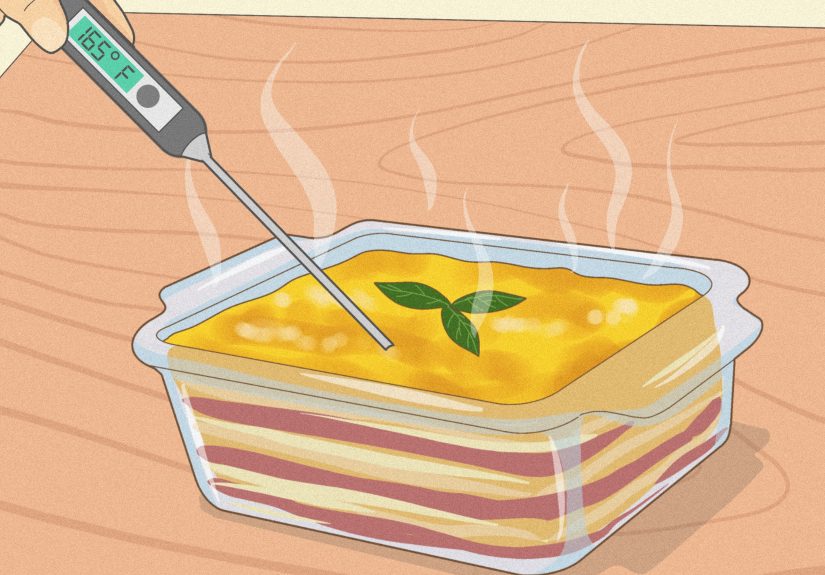
If you only remember one thing, make it this: the center of your reheated lasagna should hit 165°F. If you remember two things, add this: a little moisture and a cover will save your leftovers from drying out. Your future self (and your cheese pull) will thank you.
Quick Answer: What’s the Best Way to Reheat Lasagna?
Best overall: Oven reheating at 350°F, covered, then briefly uncovered at the end.
Fastest: Microwave, on medium or medium-high power in short intervals, covered.
Best crispy edges: Skillet or air fryer.
Best for big portions: Oven, always.
| Method | Best For | Typical Time | Texture Result | Difficulty |
|---|---|---|---|---|
| Oven | Most situations, especially multiple portions | 20–45 min | Even heat, melty center, good structure | Easy |
| Microwave | Single serving, speed | 2–6 min | Soft and moist, less crispy top | Very easy |
| Air Fryer | Single serving with crisp top/edges | 8–15 min | Crispier exterior, hot center if done right | Moderate |
| Skillet | Leftovers with “restaurant-style” crispy sides | 8–12 min | Excellent browning, rich flavor | Moderate |
| Toaster Oven | 1–2 portions without heating full oven | 15–25 min | Similar to oven, slightly faster | Easy |
Food Safety First: Don’t Skip This
Before we talk technique, let’s talk safety. Leftover lasagna is still a perishable food, and dairy + meat + sauce is a perfect environment for bacteria if mishandled.
Core rules for reheating lasagna safely
- Reheat leftovers to 165°F internal temperature (check the center, not the edge).
- Refrigerate within 2 hours of cooking (1 hour if room temperature is above 90°F).
- Store leftovers in shallow containers so they cool quickly.
- Use refrigerated leftovers within 3–4 days for best safety.
- Freeze for longer storage; quality is best within a few months.
- Microwave safely: cover food, rotate if possible, and allow brief standing time after heating.
And yes, this matters even if your lasagna “looks fine.” Bacteria are not known for dramatic visual performances.
Method 1: Reheat Lasagna in the Oven (Best Overall)
If taste and texture are your top priorities, the oven wins. It warms the lasagna more evenly, keeps layers intact, and gives you that “freshly baked” vibe.
Step-by-step (single slice or small portion)
- Preheat oven to 350°F (325°F minimum is also commonly used).
- Place lasagna in an oven-safe dish.
- Add 1–2 tablespoons of water or extra sauce around the edges.
- Cover loosely with foil.
- Bake for 20–30 minutes, depending on thickness.
- Uncover for the last 5 minutes if you want a better top texture.
- Check center reaches 165°F.
- Rest 3–5 minutes before serving.
For half pan or full tray
Keep it covered longer and expect 35–50 minutes, sometimes more for dense lasagna. If the top browns too quickly, keep it covered until the very end. If the center is lagging, tent with foil and continue baking until fully hot throughout.
Why this works: gentle, even heat + moisture retention = no cardboard pasta corners.
Method 2: Reheat Lasagna in the Microwave (Fastest)
Microwave gets unfair hate. Used correctly, it’s excellent for weeknight leftovers and lunch breaks when your hunger level is “I would eat uncooked noodles right now.”
Step-by-step for a single serving
- Place one piece on a microwave-safe plate.
- Add a tablespoon of water or sauce near the pasta edges.
- Cover with a microwave-safe lid or damp paper towel.
- Heat on medium or medium-high for 90 seconds.
- Check temperature and rotate/reposition if needed.
- Continue in 30–60 second intervals until center is 165°F.
- Let stand 1 minute before eating (temperature evens out).
Microwave pro tips
- Short bursts beat one long blast.
- Covering traps steam and protects moisture.
- Avoid foil in the microwave (please keep the fireworks for New Year’s).
- If cheese starts exploding, reduce power and continue in smaller intervals.
Method 3: Air Fryer (Crispy, Fast, Surprisingly Great)
Air fryers shine with single servings. You get a crisper top and edges than microwave, with less time than a full oven.
How to do it
- Preheat air fryer to 350–375°F.
- Place lasagna in an air fryer-safe dish or foil tray (not too crowded).
- Cover loosely for first half of cook time to prevent drying.
- Heat for 8–12 minutes, checking halfway.
- Uncover for final 2–4 minutes for browning.
- Confirm center reaches 165°F.
Best use case: one piece, crispy top, minimal wait, no full oven preheat drama.
Method 4: Skillet Reheat (For Crispy-Edge Lovers)
This method is underused and honestly amazing. A hot skillet gives browned edges and deep flavor, almost like a lasagna “griddle cake.”
How to do it right
- Heat a nonstick or cast-iron skillet over medium-low heat.
- Add a tiny amount of oil or butter.
- Place lasagna slice in pan; let it brown gently for 2–3 minutes.
- Add 1–2 tablespoons water to the pan edge (not directly on top).
- Cover with lid to steam-warm the center for 4–6 minutes.
- Flip only if your slice is stable enough (optional).
- Check internal temp reaches 165°F.
You’ll get crispy corners, better caramelization, and a texture upgrade that feels intentionalnot just “leftovers.”
How to Reheat Frozen Lasagna
Frozen lasagna is meal-prep gold. You can thaw first for faster, more even heating, or bake from frozen if needed.
Option A: Thaw first (best texture)
- Move lasagna from freezer to fridge overnight.
- Reheat covered in 350°F oven for 30–45 minutes (portion-dependent).
- Uncover briefly for browning; verify 165°F center.
Option B: Bake from frozen (most convenient)
- Keep covered with foil.
- Bake at 350°F for longeroften 60 minutes or more for larger portions.
- Uncover near the end.
- Check center temperature in multiple spots.
Important: if using glass bakeware, avoid extreme temperature shocks. Let dish temper a bit before going from fridge/freezer to hot oven.
Common Lasagna Reheating Mistakes (and How to Avoid Them)
1) Reheating too hot, too fast
High heat can scorch the top while leaving the middle cold. Solution: moderate heat, covered, and check often.
2) No added moisture
Leftover pasta absorbs sauce over time. Add a spoonful of water or sauce before reheating.
3) Not covering the dish
Uncovered reheating often means dry edges and rubbery cheese. Cover first, uncover later.
4) Guessing doneness by appearance
Looks can deceive. Use a food thermometer and check center temp.
5) Reheating the same leftovers repeatedly
Each heat-cool cycle hurts both safety and quality. Reheat only what you plan to eat now.
How to Choose the Right Method in Real Life
- You have 5 minutes: Microwave.
- You care about texture: Oven.
- You want crispy edges: Skillet or air fryer.
- You’re reheating for 3+ people: Oven, covered.
- You meal-prepped frozen portions: Thaw overnight, then oven.
- You’re reheating lunch at work: Microwave + cover + short intervals.
Serving Tricks That Make Reheated Lasagna Taste Fresh
- Top with a spoonful of warm marinara right before serving.
- Add fresh basil or parsley for aroma and color.
- Finish with grated Parmesan and black pepper.
- Pair with a crisp salad to balance richness.
- For skillet reheats, add a tiny knob of butter for extra browning.
These little moves can make leftovers feel like a planned mealnot a compromise.
500-Word Experience Section: What Happened When I Tested Every Method for a Week
I ran a seven-day “lasagna lab” in a very normal home kitchen with very abnormal enthusiasm. I used one pan of classic meat lasagna, portioned it, and tested oven, microwave, air fryer, skillet, and toaster oven methods under realistic conditions: late-night hunger, rushed lunch breaks, and one dramatic moment where I almost ate directly over the sink like a raccoon with good taste.
Day 1 (Oven): I started with the standard covered 350°F approach and immediately remembered why this method has such a loyal fan base. The layers stayed intact, the sauce tasted balanced, and the cheese had that stretchy, almost theatrical melt. I added two tablespoons of sauce around the slice before baking and uncovered it for the last few minutes. Result: best all-around quality. If “freshly baked” is the target, this was closest.
Day 2 (Microwave): I went in skeptical and came out humbled. The first attempt (full power, no cover) was a mistake: hot edges, cool center, and a few tomato eruptions that repainted my microwave ceiling. The second attempt (covered, medium power, 90-second rounds) was a success. Not as pretty as oven reheating, but moist, hot, and genuinely satisfying in under five minutes. For weekday lunch, microwave won on convenience without sacrificing too much texture.
Day 3 (Air Fryer): This one surprised me. I used a small oven-safe dish, covered for half the cook time, then uncovered to finish. The top became beautifully bubbly, and the corners crisped in a way that felt indulgent. It was faster than the oven but needed attentionone extra minute and the edges went from “golden” to “charcoal-adjacent.” Verdict: excellent for single servings when you want texture and speed.
Day 4 (Skillet): The skillet method tasted the most “chef-y.” I browned the slice gently, added a splash of water, then covered it so the steam could heat the center. The bottom crust got crisp and deeply savory, almost like a pasta gratin edge. This was the most flavorful method after oven reheating, maybe even tied for first depending on your love of crispy bits. Downside: it requires a little confidence and patience.
Day 5 (Toaster Oven): This felt like the practical middle ground. Better texture than microwave, less energy and preheat fuss than a full oven. For one or two pieces, it was efficient and reliable. I still used foil and a little extra sauce to protect moisture.
Day 6 (From Frozen): I tried two ways: straight from freezer and overnight thaw. Thawed was clearly more even and faster. From frozen worked, but only with full coverage, extra time, and temperature checks in multiple spots. The center can lag badly if you rush.
Day 7 (Reality Check): I repeated the top two methods under “normal chaos”: one call, one hungry family member, one distraction by a cute dog. Oven still delivered the best quality; microwave remained the MVP for busy moments. My final takeaway was simple: there is no single perfect method for every situation. The best method is the one that matches your time, your portion size, and your texture goalwhile still hitting 165°F safely.
Also, final field note: lasagna reheated properly on day three can still taste better than many fresh meals on day one. Leftovers aren’t a downgrade. They’re a strategy.
Conclusion
The best way to reheat lasagna depends on your goal, but the oven method is the top all-around winner for flavor and texture. If speed matters most, the microwave method works beautifully when you use short intervals, a cover, and a little added moisture. For crispy edges and extra personality, air fryer and skillet methods are worth learning.
No matter which method you choose, keep your technique anchored in food safety and moisture management: store leftovers promptly, reheat to 165°F, and avoid aggressive high-heat shortcuts. Do that, and your leftover lasagna won’t feel like leftovers at allit’ll feel like a smart second act.