Table of Contents >> Show >> Hide
- Why Doors Fail: The Jamb Is the Drama Queen
- What a Door Reinforcement Kit Actually Includes
- How to Choose the Right Kit (Without Turning This Into a PhD)
- Quick Comparison: The 8 Best Kits at a Glance
- The 8 Best Door Reinforcement Kits and Door Jamb Security Kits
- 1) Door Armor MAX Single Door Security Kit
- 2) Door Devil Door Security Kit (Anti-Kick Reinforcement System)
- 3) StrikeMaster II Pro Door Frame and Hinge Reinforcement
- 4) Prime-Line (Defender Security) U 11026 Jamb Repair and Reinforcement Kit
- 5) Prime-Line Mega-Jamb Reinforcing Kit (multiple models)
- 6) Prime-Line Mega-Jamb Reinforcing Plate (U 10896)
- 7) EZ Armor Combo Set
- 8) FIX-A-JAMB Exterior Door Jamb Repair (Armor Concepts)
- Installation Tips That Make the Difference
- FAQ
- Real-World Experiences and Lessons Learned (The “ of Reality” Section)
- 1) The door looks standard… until you measure it
- 2) Pilot holes feel optionaluntil they aren’t
- 3) Alignment is everything (and impatience is expensive)
- 4) The “next weakest link” shows up quickly
- 5) Repair-first installs can be surprisingly emotional
- 6) The “quiet upgrade” is the best kind
- 7) Make it a system, not a single product
- Conclusion
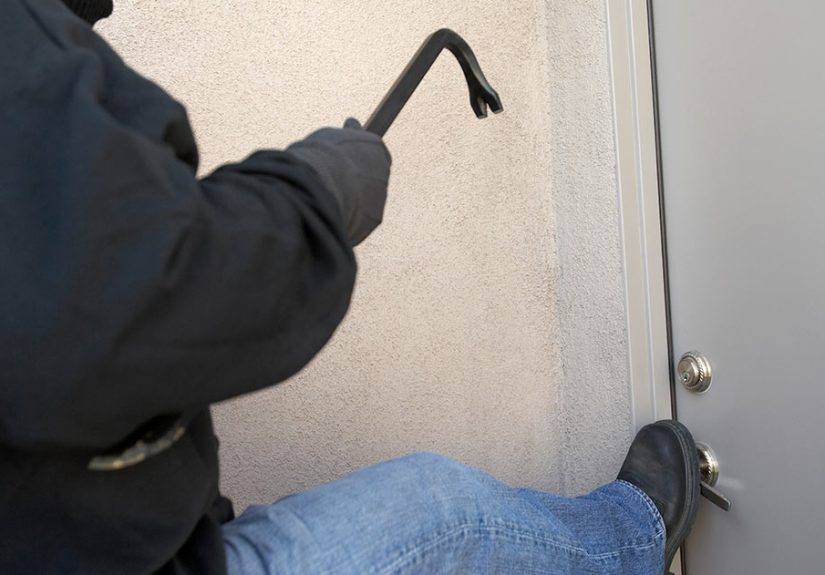
Your front door is supposed to say “Welcome!” not “Please kick here.” Unfortunately, most exterior doors come
with a tiny strike plate held on by screws that look like they were designed for hanging a picture frame.
The good news: you don’t need to turn your entryway into a medieval castle. A solid door reinforcement kit
or door jamb security kit can dramatically stiffen the weak pointswithout making your house look like a bank vault.
This guide pulls together product specs and real-world installation considerations from major U.S. retailers,
manufacturer documentation, and well-known home/security publishers. We’ll break down what matters (steel thickness,
screw length, lock spacing, door clearance), then list eight stand-out kits for different homes and budgets.
You’ll also get practical installation tips and a “things I wish someone told me before I took a drill to my door frame” section.
Why Doors Fail: The Jamb Is the Drama Queen
When a door gets kicked, the door slab isn’t usually the first thing to surrender. The jamb area around the deadbolt
and latch is where wood splits, trim flexes, and short screws pop out like they’re late for an appointment.
Reinforcement kits work by spreading impact across more material and anchoring into stronger framing members.
Think of it like upgrading from a thumbtack to a lag boltsame idea, wildly different results.
The “Big Three” Weak Spots
- Lock-side jamb: strike plates and the wood behind them
- Door edge: where the door can split near the deadbolt cutout
- Hinge side: where leverage can rack the door or pull screws loose
What a Door Reinforcement Kit Actually Includes
A true door jamb reinforcement kit usually includes some combination of:
- Jamb shield (a long plate that reinforces the lock-side frame)
- Door shields (plates that reinforce the door edge around the lock)
- Hinge shields or long hinge screws (to stiffen the hinge side)
- Case-hardened or long screws (so the hardware bites into studs, not just trim)
Some kits focus on security (resisting forced entry). Others focus on repair (fixing a split jamb after an “oops” moment
involving kids, pets, moving furniture, or an overconfident DIY deadbolt install).
The best kits do a bit of both.
How to Choose the Right Kit (Without Turning This Into a PhD)
1) Door type and swing direction
Most kits are designed for standard residential exterior doors (often around 1-3/4" thick), but some products
are optimized for interior doors or manufactured-home frames. Also, in-swing vs. out-swing mattersespecially if hinge-side
security is part of the system.
2) Lock spacing and backset
Many jamb shields are made with knockouts or holes designed to accommodate common lock spacing. If you have a nonstandard
setup (extra deadbolt, oddly spaced hardware, vintage door), check measurements before buying.
3) Clearance between door and jamb
Some door shields sit on the edge of the door and need a little space to avoid rubbing. If your door already fits like
a tight pair of jeans after Thanksgiving, look for “low-profile” options.
4) Material thickness and screw length
Steel thickness (often noted as gauge) and screw length are where the magic happens. Longer screws help tie your strike
plate and hinges into the framing, not just the jamb trim. If your kit includes 3" to 3-1/2" screws, that’s usually a good sign.
5) Your goal: prevention vs. repair
If your jamb is already split, you’ll want a kit that covers and rebuilds damaged areas. If everything is fine and you want
stronger resistance to kick-ins, a full security kit or long jamb shield is the move.
Quick Comparison: The 8 Best Kits at a Glance
| Kit | Best For | Coverage | Install Difficulty |
|---|---|---|---|
| Door Armor MAX | All-around exterior door security | Jamb + door edge + hinges | Medium (drill + careful alignment) |
| Door Devil Door Security Kit | Strong jamb reinforcement + hinge protection | Jamb + door edge + hinge-side add-ons | Medium (more pieces, more steps) |
| StrikeMaster II Pro | Frame reinforcement without heavy carpentry | Strike area + door edge reinforcement | Medium |
| Prime-Line U 11026 Jamb Repair & Reinforcement Kit | Repairing a damaged jamb (serious fixes) | Multi-plate jamb rebuild + door edge guards | Medium-High (more fasteners) |
| Prime-Line Mega-Jamb Reinforcing Kit | Heavy-duty security upgrade for standard doors | Long reinforcing system (model-dependent) | Medium |
| Prime-Line Mega-Jamb Reinforcing Plate (U 10896) | Simple long-plate jamb stiffening | Jamb side (48" plate) | Low-Medium |
| EZ Armor Combo Set | Full-coverage kit with classic jamb shield setup | Jamb + door edge + hinges | Medium |
| FIX-A-JAMB Exterior Door Jamb Repair | Fast repair of broken/split exterior jambs | Repair-focused reinforcement | Low-Medium (quick overlay install) |
The 8 Best Door Reinforcement Kits and Door Jamb Security Kits
1) Door Armor MAX Single Door Security Kit
Best for: homeowners who want a true “cover the whole battlefield” reinforcement system.
Door Armor MAX is built around a long jamb shield and supporting plates that reinforce the door edge and hinges.
The kit’s appeal is straightforward: it targets the lock side (where kick-ins happen), backs it up by strengthening the door itself,
and doesn’t ignore hinge-side attacks.
- Typical components: ~46" jamb shield, door shields, hinge shields, and long hardened screws
- Why it stands out: full-system reinforcement with attention to both sides of the door
- Who should skip it: anyone who can’t tolerate even minor fit/clearance adjustments (measure first)
Install tip: don’t “eyeball” alignment around your deadbolt cutout. Mark, clamp (if needed), pilot-hole, then commit.
Your door deserves a little pre-drill foreplay.
2) Door Devil Door Security Kit (Anti-Kick Reinforcement System)
Best for: shoppers who want a robust lock-side reinforcement strategy plus extra hinge-side features.
Door Devil is known for a strong reinforcement approach on the jamb and adds door-edge and hinge-side enhancements so the “next weakest link”
isn’t immediately your door slab or hinge screws. If you’re the type who wants to reinforce the obvious target and then keep reinforcing
until you run out of coffee, this one will make you happy.
- Typical components: long strike reinforcement, door edge reinforcement, hardware for hinge-side hardening
- Why it stands out: addresses the “okay, now the door edge fails” problem by reinforcing more than just the strike
- Good fit for: both homeowners and landlords who need a meaningful upgrade without replacing the whole door
Install tip: organize the screws before you start. If you mix screw lengths and drive a long one where a short one belongs,
you’ll learn new vocabulary in real time.
3) StrikeMaster II Pro Door Frame and Hinge Reinforcement
Best for: people who want serious strike-area reinforcement while keeping installation fairly approachable.
StrikeMaster II Pro is designed to reinforce the strike area with heavy-duty plates and hardened fasteners, aiming to make the door casing far
more resistant to splitting. It’s positioned as an “easy-to-install” jamb reinforcement approach that doesn’t require a full frame rebuild.
- Typical components: reinforced strike system + door edge reinforcement + hardened screws
- Why it stands out: focuses on the strike/casing strength problem with a purpose-built system
- Ideal for: standard residential doors where you want a big upgrade without a big carpentry project
4) Prime-Line (Defender Security) U 11026 Jamb Repair and Reinforcement Kit
Best for: repairing a jamb that’s already cracked, split, or chewed upand then reinforcing it so it stops happening.
If your door frame looks like it lost a cage match, this is the kind of kit that can help you bring it back to the land of the living.
This system uses multiple steel section plates to rebuild weak areas and replace the “tiny strike plates of sadness” found in many basic installs.
- Typical components: multiple section plates + door edge guards + long fasteners
- Why it stands out: built for both repair and reinforcement, not just prevention
- What to expect: more pieces = more steps, but also more coverage for damaged areas
Install tip: if your jamb is badly splintered, stabilize it first (wood glue + clamps, filler where appropriate), then reinforce.
Steel is strong, but it shouldn’t be bolted onto crumbling wood and asked to perform miracles.
5) Prime-Line Mega-Jamb Reinforcing Kit (multiple models)
Best for: homeowners who want a heavier-duty long-plate reinforcement system tailored to common residential door formats.
Mega-Jamb kits are designed to reinforce the door jamb in a substantial way and typically include heavy-gauge steel plates and long screws
intended to anchor into wall studs. Different models may target different door thicknesses, backsets, or configurations, so the key is matching
the kit to your door.
- Why it stands out: “big plate + long screws” philosophy with common residential sizing support
- Great for: doors where you want the frame to feel more “structural” and less “decorative”
- Check first: your lock layout and door thickness
6) Prime-Line Mega-Jamb Reinforcing Plate (U 10896)
Best for: a simpler jamb-only reinforcement approachespecially if you don’t want a full multi-piece rebuild.
This is the “long plate, fewer complications” option. If your primary concern is the lock-side frame splitting, a long reinforcing plate can be a
clean way to stiffen that side without adding multiple shields around the door edge and hinges.
- Typical design: long, stamped steel reinforcing plate, powder-coated finish
- Why it stands out: simpler system for a targeted problem
- Best paired with: longer strike screws and a quality deadbolt
7) EZ Armor Combo Set
Best for: people who want a full-coverage kit (jamb + door + hinges) in a classic, straightforward format.
EZ Armor-style combo kits are built around a long jamb shield plus door and hinge shields. If you like the idea of reinforcing all major weak points
with a single matched system, this checks the box.
- Typical components: long jamb shield + 2 door shields + 2 hinge shields
- Why it stands out: full coverage in a familiar “combo kit” layout
- Nice for: rentals or multi-door projects where consistent installs matter
8) FIX-A-JAMB Exterior Door Jamb Repair (Armor Concepts)
Best for: quick, clean repairs when the jamb is brokenand you need it to look normal again fast.
FIX-A-JAMB is a repair-first product meant to cover and reinforce damaged jamb areas. It’s often chosen because it’s fast and tidy: the goal is to
repair the weak spot, leave a finished look, and get the door working properly again.
- Typical use case: split or cracked jamb where the strike area has been damaged
- Why it stands out: speed and simplicity for repairs
- Reality check: if your goal is maximum break-in resistance, pair repair with a security-focused reinforcement system
Installation Tips That Make the Difference
Use longer screws where it counts
If you do nothing else, upgrade strike plate and hinge screws to longer fasteners (often 3" is recommended in many DIY/security guides) so the
hardware bites into framing rather than just the jamb. Reinforcement kits often include long screws; use them where instructed.
Pilot holes prevent heartbreak
Pilot holes reduce splitting and make it easier to drive longer screws straight. A screw that goes in crooked doesn’t just look badit can pull the
plate out of alignment, creating rubbing, latch misalignment, or a door that closes like it’s annoyed with you.
Don’t “upgrade security” and accidentally break egress
Reinforcement should keep your door secure and still allow safe exit. Avoid creating binding, misalignment, or hardware conflicts with your deadbolt.
If your door is fire-rated or part of a regulated building (multi-family, commercial), consider local code requirements before modifying.
Pair reinforcement with a quality deadbolt
Reinforcement kits strengthen the frame and mounting, but your lock still matters. A strong deadbolt (and a properly installed strike) helps ensure
your upgraded frame isn’t paired with a bargain lock that gives up early.
FAQ
Will a reinforcement kit work on a metal door?
Often, yesbecause many kits reinforce the frame/jamb more than the door slab. But check door thickness and mounting method.
Some door-edge plates are designed primarily for wood doors; always verify compatibility.
Do these kits stop prying too, or just kicking?
Many kits focus on kick resistance (impact at the lock side). Some systems offer add-ons for prying resistance, but prying can also exploit poor gaps,
weak weatherstripping, or low-quality deadbolts. The best approach is a layered one: jamb reinforcement + good lock + tight alignment.
I live in an apartment. Can I install one?
Possibly, but check your lease and building rules. Many property managers allow screw-based reinforcement because it’s reversible, but some require
approval (especially if it affects fire ratings or door function).
Real-World Experiences and Lessons Learned (The “ of Reality” Section)
Below are practical, field-tested-style lessons that homeowners, renters, and maintenance teams commonly report when installing
a door jamb security kit. No hype, no “it took me 30 seconds with a spoon” nonsensejust the stuff that actually happens
when you’re kneeling on the floor with a drill and a growing suspicion that your door frame was installed during the Renaissance.
1) The door looks standard… until you measure it
People assume “standard door” means “all doors are basically the same.” That belief usually lasts right up until the moment you try to align a jamb
shield with your deadbolt and realize your lock spacing is slightly unusual, your trim is thicker than expected, or your door sits closer to the jamb
than a cat to a sunny window. The fix is boring but effective: measure lock spacing, door thickness, and clearance before buying. It’s the cheapest
“upgrade” you’ll ever make.
2) Pilot holes feel optionaluntil they aren’t
Long screws into dry wood can split jambs, especially on older frames or places that have been repaired before. The common “I wish I did that earlier”
moment is realizing pilot holes make the screw drive straighter, reduce wood splitting, and cut down on stripped screw heads. If your kit uses hardened
screws, they’ll still benefit from a clean pilot hole because the goal is solid bite, not a wrestling match.
3) Alignment is everything (and impatience is expensive)
A reinforcement plate that’s off by even a little can cause the latch to rub, the deadbolt to stick, or the door to close with the gentle grace of a
shopping cart with one bad wheel. The most practical technique people use is: lightly position the plate, confirm latch and deadbolt movement, then mark.
Only after the door cycles cleanly do you drive the final screws. This avoids the classic DIY trap: “I installed security hardware and now my door hates me.”
4) The “next weakest link” shows up quickly
A common pattern after reinforcing the lock-side jamb is noticing other weaknesses: flimsy hinges, short hinge screws, or a door edge that flexes more than
expected. That’s why full-coverage systems (jamb + door edge + hinge side) feel more satisfying long-term. If your kit is jamb-only, homeowners often
add longer hinge screws and consider a door edge reinforcer later. This is normal; you’re not doing it wrongyou’re discovering how doors actually fail.
5) Repair-first installs can be surprisingly emotional
If you’re fixing a jamb that’s already cracked, you may find layers of old repairs: filler, glue, mismatched screws, and possibly the world’s least helpful
drywall shim. In those cases, a repair-style kit can be a sanity saver. The best outcomes happen when the damaged wood is stabilized (glue/clamp where appropriate,
fill voids, ensure the door is aligned), then the steel reinforcement is installed to carry future loads.
6) The “quiet upgrade” is the best kind
The best door security upgrades are often invisible. Once installed, reinforcement kits don’t need subscriptions, charging, Wi-Fi, or a monthly plan.
They just sit therepolitely refusing to let the door frame explode when force is applied. Homeowners consistently report the same “surprise benefit”:
the door often closes more solidly, feels less wobbly, and sounds more secure. It’s not just security theater; it’s basic structure.
7) Make it a system, not a single product
The most effective setups usually combine:
- a solid reinforcement kit (or at least a long strike/jamb solution),
- long screws into studs for strike and hinges,
- a quality deadbolt installed correctly,
- and decent alignment so the bolt fully seats.
Do those four things and your door becomes dramatically harder to defeat with brute force. Not invincible (nothing is),
but hard enough that most opportunistic attempts turn into “nope” and move on.
Conclusion
A good door reinforcement kit is one of the highest bang-for-your-buck security upgrades you can makeespecially if your current strike plate
is held on by tiny screws and a prayer. Choose a kit that matches your door’s thickness, lock spacing, and clearance, and prioritize systems that reinforce
the lock-side jamb with long screws into structural framing. If your jamb is already damaged, start with a repair-focused product, then add security reinforcement
so the repair doesn’t become a recurring hobby.