Table of Contents >> Show >> Hide
- Quick Picks (If You’re Standing in the Tool Aisle Right Now)
- Pickaxe Types 101 (So You Don’t Buy the Wrong Beast)
- What to Look for in a Pickaxe (2025 Buying Guide)
- The 5 Best Pickaxes (2025 Review)
- 1) Fiskars Pro IsoCore 5 lb Pick (36") Best Overall for Comfort
- 2) Estwing 5 lb Pick Mattock (36" Fiberglass) Best Heavy-Duty Workhorse
- 3) Estwing 5 lb Railroad Pick (36" Fiberglass) Best for Deep Penetration and “Break It Loose” Work
- 4) True Temper 5 lb Wood-Handle Mattock Pick (36" Hickory) Best Traditional Feel
- 5) Truper 5 lb Pick Mattock (36" Fiberglass) Best Value Buy
- Honorable Mentions (Still Excellent, Just Not in the Top 5)
- Safety and Technique (How to Keep Your Weekend Fun)
- Maintenance (Make a $50 Tool Feel Like $80)
- FAQ
- Field Notes: of Real-World Pickaxe Experience (So You Don’t Learn the Hard Way)
- Conclusion
A pickaxe is one of the few tools that can turn “this dirt is impossible” into “oh… never mind.” It’s the great equalizer for compacted soil, clay, rocks, and rootsthe stuff that laughs at shovels. In 2025, the “best pickaxe” isn’t just about being heavy. It’s about being usefully heavy: good steel, smart balance, a handle that doesn’t punish your wrists, and a head that stays put when you swing like you mean it.
This review synthesizes spec sheets, retailer listings, and field-focused guidance from major U.S. tool sellers and manufacturers (think Home Depot, Lowe’s, Ace, Grainger, Global Industrial, and more), plus safety resources (OSHA, university EHS guides, and trail-building training). Translation: these picks are popular for a reasonand we’re not selecting them based on vibes and a dramatic mining soundtrack.
Quick Picks (If You’re Standing in the Tool Aisle Right Now)
- Best Overall Comfort + Power: Fiskars Pro IsoCore 5 lb Pick (36″)
- Best Heavy-Duty Workhorse: Estwing 5 lb Pick Mattock (36″ fiberglass)
- Best “Break Everything” Option: Estwing 5 lb Railroad Pick (36″ fiberglass)
- Best Traditional Wood Handle: True Temper 5 lb Mattock Pick (36″ hickory)
- Best Value Buy: Truper 5 lb Pick Mattock (36″ fiberglass)
Pickaxe Types 101 (So You Don’t Buy the Wrong Beast)
Pick Mattock (Most Useful for Homeowners)
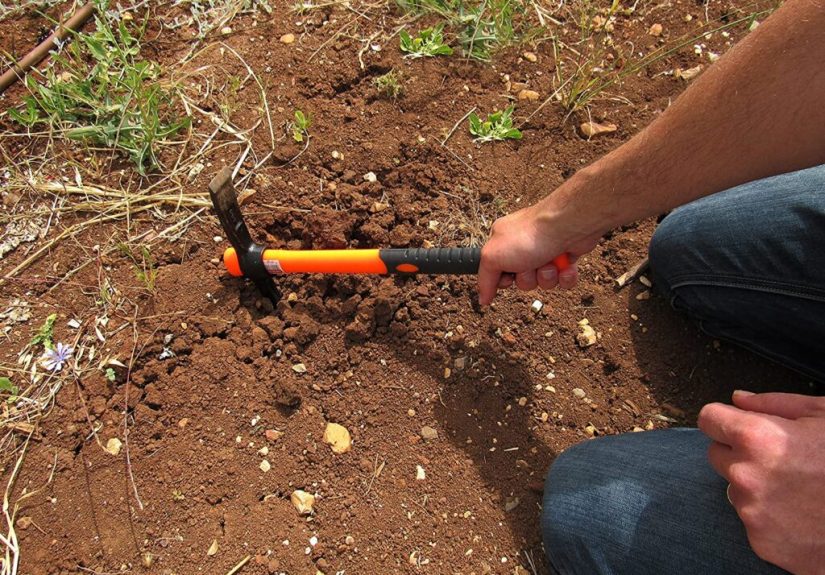
A pick mattock combines a pointed pick end (for breaking hard ground and prying rocks) with a broad adze/mattock blade (for chopping roots, trenching, scraping, and moving soil). If you’re digging in clay, tearing out stubborn roots, or starting a trench, this is usually the “one-tool solution.”
Railroad Pick (When Penetration Matters More Than Scooping)
Railroad picks typically have a pointed pick on one end and a narrow chisel/square pick on the other. They’re great at punching into tough ground, breaking crusted soil, and cracking up compacted material. Think: “deep penetration” more than “wide chopping.”
Classic Pickaxe (The Iconic Two-Point Look)
Traditional double-point picks can be effective, but for most modern landscaping tasks, a pick mattock or railroad pick is simply more versatile. Unless you’re reenacting a gold rush montage, go combo-tool.
What to Look for in a Pickaxe (2025 Buying Guide)
1) Head Weight: 5 lb Is the Sweet Spot for Most People
For general landscaping, breaking up compacted dirt, and digging in clay, a 5 lb head is a proven middle ground: heavy enough to do real work, not so heavy that you gas out after eight swings and a motivational speech.
2) Forged Steel Beats “Mystery Metal”
Look for forged, heat-treated steel. It’s not a buzzwordgood forging and heat treatment help the head resist deformation and keep edges from rolling over quickly.
3) Handle Material: Fiberglass vs. Hickory
- Fiberglass: Durable, weather-resistant, typically has molded grips and overstrike protection. Great for DIYers and pros who want low maintenance.
- Hickory (wood): Classic feel, naturally dampens vibration, and is easier to replace or re-handle. Needs a little more care (keep it dry, avoid splintering).
4) Overstrike Protection (A Quiet Hero)
Overstrike happens when you miss the target and smack the handle near the head. A guard helps prevent handle damage and extends tool lifeespecially if your “aim” is still in beta.
5) Balance and Grip
The best pickaxes feel stable at the end of the swing, not wobbly. A grippy, flared handle helps keep the tool from sliding out of your hands when you’re sweaty and questioning your life choices.
The 5 Best Pickaxes (2025 Review)
1) Fiskars Pro IsoCore 5 lb Pick (36″) Best Overall for Comfort
If you want power without your elbows filing a formal complaint, the Fiskars Pro IsoCore pick is a top-tier choice. The big story is shock control: the IsoCore system is designed to reduce strike shock and vibration, which matters a lot when you’re breaking baked-hard soil or hammering into rocky ground.
- Type: Pick mattock style (pick end + mattock/adze end)
- Head weight: 5 lb
- Handle length: 36″
- Why it wins: Better shock management = less fatigue over long sessions
Best for: Homeowners and pros who do repeated hard-ground work and want less vibration.
Pros: Excellent shock reduction, strong balance, confidence-inspiring build.
Cons: Often costs more than basic picks; if you only use a pickaxe once a year, you may not need the premium comfort.
2) Estwing 5 lb Pick Mattock (36″ Fiberglass) Best Heavy-Duty Workhorse
Estwing has a long reputation in striking tools, and their 5 lb pick mattock is built for the kind of outdoor tasks that start with “it’ll just take five minutes” and end with you ordering pizza because you’re too tired to chew. The head is drop-forged, heat treated, and paired with a fiberglass handle designed for grip and shock absorption.
- Type: Pick mattock
- Head weight: 5 lb
- Handle length: 36″
- Notable detail: Substantial overall weight for strong momentum
Best for: Regular landscaping, trench starts, compacted soil, and rooty areas where you need both a pick and a chopping blade.
Pros: Built like it expects to be abused, solid grip, dependable “one tool for many jobs” versatility.
Cons: Heavier feel can be tiring for smaller users; like all fiberglass handles, it’s not as easy to re-handle as wood.
3) Estwing 5 lb Railroad Pick (36″ Fiberglass) Best for Deep Penetration and “Break It Loose” Work
When the job is less “dig a neat trench” and more “convince this ground to stop being concrete,” a railroad pick shines. Estwing’s version uses a double-ended head: one pointed pick for deep penetration and one narrow edge/square point for cutting and digging in tight spaces.
- Type: Railroad pick
- Head weight: 5 lb
- Handle length: 36″
- Why it’s different: Two focused ends for cracking, prying, and loosening stubborn material
Best for: Compact soil, rocky patches, hardpan, and breaking up areas before switching to a shovel.
Pros: Excellent penetration, great leverage for prying and loosening, strong for tough terrain.
Cons: Less “soil moving” ability than a wider mattock blade; it’s a breaker more than a grader.
4) True Temper 5 lb Wood-Handle Mattock Pick (36″ Hickory) Best Traditional Feel
If you grew up around real tools (or just like the feel of wood), the True Temper mattock pick is a classic: forged head, hickory handle, and a handle guard for overstrike protection. Hickory can be surprisingly forgiving on vibrationespecially compared to cheaper fiberglass that transmits shock like it’s trying to share your pain.
- Type: Pick mattock
- Head weight: 5 lb
- Handle length: 36″ hickory
- Standout feature: Traditional wood handle + guard
Best for: Yard work, roots, clay, and anyone who wants a classic handle they can maintain or replace later.
Pros: Comfortable traditional grip, easy to re-handle, proven design.
Cons: Wood needs care (avoid leaving it wet); handle can splinter if abused or stored poorly.
5) Truper 5 lb Pick Mattock (36″ Fiberglass) Best Value Buy
Truper has become a go-to “bang for your buck” brand for many homeowners. Their 5 lb pick mattock hits the essential checklist: a full-size 36″ handle, fiberglass construction, and a 5 lb head that’s heavy enough to matter. It’s the pickaxe you buy when you want solid performance, but you also want to keep enough budget for plants… or snacks… or therapy after digging in clay.
- Type: Pick mattock
- Head weight: 5 lb
- Handle length: 36″ fiberglass with grip
- Value angle: Strong spec-to-price ratio
Best for: Homeowners doing seasonal projectsgarden bed prep, root removal, compacted soil, trench starts.
Pros: Affordable, functional, widely available, good grip.
Cons: Fit-and-finish may not feel as refined as premium options; balance can vary by batch.
Honorable Mentions (Still Excellent, Just Not in the Top 5)
- Husky 5 lb Pick Mattock (36″ fiberglass): A practical DIY option with broad retail availability.
- Collins 5 lb Pick Mattock (36″ fiberglass): A solid alternative often stocked at hardware retailers; many models emphasize overstrike protection and grip.
- Made-in-USA options: Council Tool makes forged picks and mattocks and is known for U.S. manufacturinggreat if origin and forge quality are high priorities.
Safety and Technique (How to Keep Your Weekend Fun)
Pickaxes are striking tools. Striking tools create flying chips, bouncing rocks, and “surprise physics.” In plain terms: wear eye protection, keep a safe working area, and inspect your tool before each use.
Safety checklist
- Eye protection: Safety glasses with side protection are your minimum baseline.
- Footwear: Closed-toe boots (preferably with tough toe protection) because gravity is undefeated.
- Gloves: Helps with blisters and improves grip when sweaty.
- Clear the swing zone: No one within your swing radius. Pickaxe swings are not a team sport.
- Inspect the tool: Check for loose heads, cracked handles, and damaged striking areas before you start.
Technique that actually works
Start with controlled swings. Let the head weight do the work. If you’re swinging at maximum force on every strike, you’ll tire fast and your accuracy will degradeleading to handle overstrikes and fewer productive hits.
- For hard ground: use the pick end to crack and loosen, then switch to the mattock/adze end to pull material out.
- For roots: use the mattock/adze blade like a chopping tool, then pry with the pick end as needed.
- For rocky soil: aim to loosen around rocks first; don’t try to “sledgehammer” the rock itself unless you enjoy disappointment.
Maintenance (Make a $50 Tool Feel Like $80)
Keep the edges honest
You don’t need a razor edge, but you do want a clean, defined working edge. A dull mattock blade bounces and glances; a mildly sharpened one bites and chops roots more efficiently.
Prevent rust and handle damage
- Wipe the head after use (especially if you hit wet clay or acidic soil).
- Store indoors or under cover; standing water and wooden handles are not friends.
- If you have a wood handle, don’t store it in direct sun for long periodsdrying can lead to loosening and splintering.
FAQ
What’s the best pickaxe for breaking up hard ground?
For most homeowners, a 5 lb pick mattock is the best all-around choice. It breaks, chops, and moves material better than a classic double-point pick. If you need more penetration and prying power, a railroad pick can be excellent.
Fiberglass or hickory handlewhich should I buy?
If you want low maintenance and durability, fiberglass is great. If you prefer a classic feel, easier re-handling, and often a more natural vibration-damping sensation, hickory is hard to beat.
Can I use a pickaxe to remove tree roots?
Yesespecially a pick mattock. Use the mattock/adze blade for chopping and trenching, and the pick end for prying and loosening. For thick roots, combine the pickaxe with a sawzall or pruning saw for a faster, less exhausting workflow.
Field Notes: of Real-World Pickaxe Experience (So You Don’t Learn the Hard Way)
The first time you use a pickaxe on compacted clay, you may think, “This is going great!” That’s the tool lying to you. The first ten swings feel magical because the ground cracks just enough to give you hope. Then you hit the layer that’s basically pottery. The secret is to stop trying to win with one heroic swing. Clay is a relationship. It requires patience, boundaries, and occasionally a water bottle.
Here’s what actually helped: I started by “scoring” the surface with the pick endshort, controlled strikes in a grid pattern. That opened tiny fractures. Then I flipped to the mattock/adze blade and scraped/chopped along those cracks to lift material out. If you keep using the pick end only, you’ll loosen clay but won’t remove much of it. It’s like breaking a cookie and never picking up the crumbs.
The second lesson: your stance matters more than you think. When I stood too close, I overstruck the handle more often (and my wrists hated me). Standing slightly back with a smoother arc improved accuracy and reduced those “handle meets earth” moments. Also, take five minutes to clear obvious rocks and debris from the swing area. Nothing steals momentum like bouncing off a hidden stone and sending a vibration message directly into your elbow.
The third lesson is hydration and pacing. Pickaxe work is sneaky cardio. You’re not “running,” but you are repeatedly accelerating a heavy head on a long lever. I found a simple rhythm worked best: 2–3 minutes of steady strikes, 1 minute of raking or shoveling, then back to striking. That rotation keeps your form from collapsing into the “tired gremlin swing,” which is how handles get overstruck and blisters become a personality trait.
The fourth lesson: choose the right tool for the job. In rocky soil, the railroad pick was a game-changer for loosening around stones. The narrow ends dug into tight pockets and pried material free without needing a huge trench. But when it came time to actually shape the trench bottom, the pick mattock’s broader blade was faster and cleaner. In other words: a railroad pick is the bouncer; a pick mattock is the event planner who makes everything look neat afterward.
Finally, store the tool like you respect it. I left one pick outside “just overnight” after a late project. Overnight turned into three days. Three days turned into surface rust and a handle that felt like it had absorbed the sadness of the weather. Five minutes of wiping and putting it under cover would’ve saved a lot of annoyance. The pickaxe will still be ready to suffer with you next time but only if you don’t abandon it in the yard like a defeated medieval weapon.
Conclusion
The best pickaxes of 2025 have one thing in common: they make hard ground manageable without destroying your body. If you want the smartest balance of comfort and power, go with the Fiskars Pro IsoCore 5 lb pick. If you want rugged, straightforward reliability, Estwing’s pick mattock is a proven workhorse. For deep penetration and prying, the Estwing railroad pick is a beast. Prefer a classic feel? The True Temper hickory option delivers. And if value is your priority, Truper gives you a lot of capability for the money.