Table of Contents >> Show >> Hide
- How BHG Tested Whole House Water Filters (and Why You Should Care)
- The 3 Best Whole House Water Filters (BHG Top Picks) at a Glance
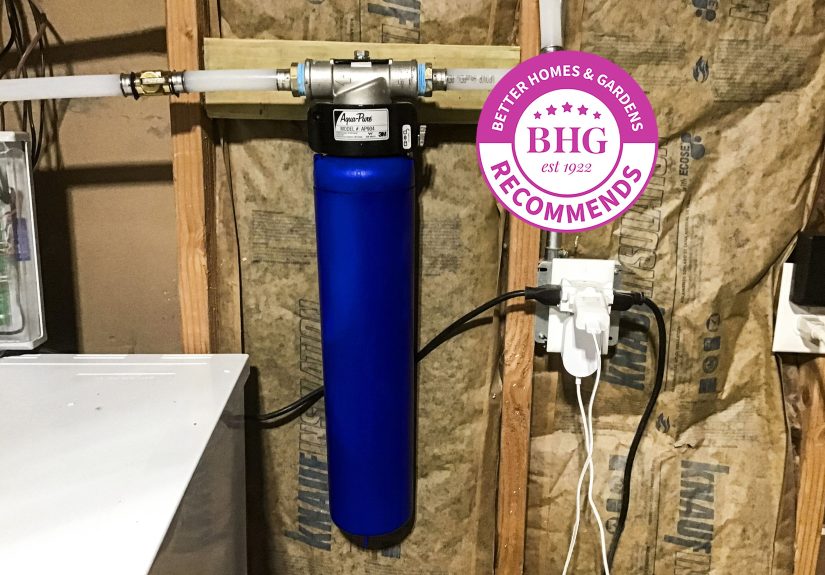
- 1) Best Overall: 3M Aqua-Pure Whole House Sanitary Quick Change Water Filter System (AP904)
- 2) Best for Heavy Metals: Express Water Whole House Water Filter System
- 3) Easiest to Install: GE Whole House Water Filtration System (GXWH20T)
- How to Choose the Right Whole House Water Filter for Your Home
- Common Whole House Water Filter Mistakes (So You Don’t Become a Cautionary Tale)
- FAQ: Quick Answers Before You Buy
- Real-World Experiences: What Living With Whole House Filtration Is Actually Like (Bonus)
- Experience #1: The “City Water Chlorine Bouquet” Disappears
- Experience #2: Soap Finally Lathers Like It’s in a Commercial
- Experience #3: The Dishwasher Stops Losing Fights With Your Glassware
- Experience #4: The “We Tested Our Water and Now We’re Concerned” Phase
- Experience #5: Maintenance Becomes the Make-or-Break Factor
- Final Thoughts: Which Whole House Water Filter Should You Choose?
If your tap water has ever tasted like a swimming pool had a minor identity crisis, you’re not alone. Between chlorine smell, mystery sediment, and the kind of “hard water” that leaves your shower glass looking like it’s been lightly frosted for the holidays, a whole house water filter can feel less like a luxury and more like a peace treaty between your plumbing and your sanity.
Better Homes & Gardens (BHG) did what most of us only say we’ll do: they installed whole-home filtration systems, lived with them, tested water before and after, and judged the results where it mattersat the sink, in the shower, and yes, in the dishwasher. Based on that testing, three systems stood out for different needs: best overall taste improvement, best for heavy metals, and easiest DIY installation.
How BHG Tested Whole House Water Filters (and Why You Should Care)
A “best of” list is only as good as the testing behind it. BHG’s approach was refreshingly practical: install several popular point-of-entry water filtration systems in real homes, use them for weeks, and compare water quality with a test kit before and after. They also looked beyond test stripspaying attention to water taste, how it felt on skin and hair, whether soap lathered better, and whether the unit was prone to leaks or annoying maintenance.
Translation: this wasn’t a lab-only, hypothetical “in perfect conditions” roundup. It was a lived-in trialexactly what you want for something that’s going to sit on your main water line and quietly judge your plumbing decisions for years.
The 3 Best Whole House Water Filters (BHG Top Picks) at a Glance
| Pick | Best For | What It Targets | Flow Rate | Typical Filter Life | Heads-Up |
|---|---|---|---|---|---|
| 3M Aqua-Pure AP904 | Best Overall | Chlorine taste/odor + sediment | Up to 20 GPM | Up to 12 months / 100,000 gallons | Not for lead/iron removal |
| Express Water Whole House System | Best for Heavy Metals | Sediment + chlorine + some heavy metals | About 15 GPM | About 6–12 months | No built-in change indicator |
| GE GXWH20T | Easiest to Install | Sediment + basic chlorine reduction | About 12 GPM | About 90 days | Not for heavy metals/chemicals |
1) Best Overall: 3M Aqua-Pure Whole House Sanitary Quick Change Water Filter System (AP904)
If your goal is to make municipal (city) water taste betterless chlorine bite, less “tap tang,” fewer faucet crustiesthis is the BHG favorite. In testing, the AP904 noticeably improved taste and odor, and it helped reduce sediment that contributes to buildup around faucets and fixtures. BHG also noted “quality of life” improvements: soap lathered better, dishes looked cleaner coming out of the dishwasher, and the water simply felt nicer during everyday use.
Who it’s perfect for
- Homes on municipal water that want better taste and smell.
- Households dealing with visible sediment, sand, or rust flecks.
- People who want strong flow (high GPM) without tanking water pressure.
Why it won BHG’s “Best Overall” slot
The AP904 focuses on the stuff that makes water unpleasant day-to-dayespecially chlorine taste/odor and sediment. It’s a carbon block system, which is a common (and effective) approach for improving water aesthetics. And it’s designed with a quick-change format that’s easier to maintain than some multi-canister setups that feel like assembling a small spaceship every time you swap cartridges.
Specs that actually matter in real life
- Contaminants targeted: chlorine, rust, sand, sediment, and scale.
- Filtration method: carbon block.
- Filter life: up to 12 months or about 100,000 gallons.
- Flow rate: up to 20 GPM (great for larger households).
When to skip it
BHG specifically notes this system isn’t designed to remove heavy metals like lead or iron. So if your water test shows lead concerns, you’ll want a system certified for that kind of reductionor pair a whole house filter with a point-of-use solution (like an under-sink reverse osmosis system) for drinking and cooking water.
2) Best for Heavy Metals: Express Water Whole House Water Filter System
Not every water problem is a “my water tastes like a pool” problem. Sometimes it’s “why does the water test say things that sound like a villain’s résumé?” If heavy metals are on your radarlead, mercury, ironBHG’s heavy-metal pick was the Express Water Whole House Water Filter System. In testing, it used a two-step approach (sediment + KDF media) and helped reduce problem readings, including bringing nitrates down to a safer level in their test results.
Who it’s perfect for
- Homes that have tested for and found heavy metals (or have strong reason to suspect them).
- Households that want better taste and a “softer” shower feel along with contaminant reduction.
- People comfortable with professional installation or basic plumbing work.
Why BHG liked it
The Express Water system is built to do more than cosmetic improvements. KDF media is often used in filtration setups to help reduce certain metals and chemical byproducts, and pairing it with sediment filtration gives it a broader “whole-home” vibe than a basic sediment-only unit. BHG also reported the water tasted significantly better after installationcomparable to water from a filtered refrigerator dispenserand that shower water felt less drying.
Specs that actually matter in real life
- Contaminants targeted (per BHG testing notes): chlorine, sediment, mercury, lead, iron, and chemicals.
- Filtration method: sedimentation + KDF.
- Filter life: roughly 6 to 12 months (varies with usage and water quality).
- Flow rate: about 15 GPM (strong enough for many multi-bath homes).
Heads-up before you buy
There isn’t a built-in indicator telling you exactly when to replace filters. BHG mentions a practical clue many homeowners learn fast: if your water pressure suddenly drops, the filter may be loaded up and ready for retirement. (It’s the filtration equivalent of your phone battery hitting 1% and choosing violence.)
3) Easiest to Install: GE Whole House Water Filtration System (GXWH20T)
Want something that works without requiring a plumber, a weekend, and the emotional support of three YouTube tutorials? BHG found the GE GXWH20T was the only unit in their top picks that didn’t cause DIY-install headaches. It’s compact, straightforward, and designed primarily for sediment (and some chlorine reduction), making it a practical entry point for homeowners who want cleaner-feeling water and less grit in fixtures.
Who it’s perfect for
- Budget-focused households that mainly want sediment reduction.
- DIYers who’d rather install a filter than negotiate plumber schedules.
- Homes that don’t need heavy metal reduction (based on testing).
What it does well (and what it doesn’t)
In BHG’s testing, the system started collecting visible dirt and sediment within hoursan oddly satisfying reminder that your plumbing has been doing a lot of “character building.” They also noted a slight reduction in water hardness readings. But this system isn’t built to remove heavy metals or a wide range of chemicals, and it requires more frequent filter changes than the other picks.
Specs that actually matter in real life
- Contaminants targeted: chlorine, scale, sand, sediment, and rust.
- Filtration method: sedimentation.
- Filter life: about 90 days (expect regular swaps).
- Flow rate: about 12 GPM.
A small feature that’s bigger than it sounds
The magnetic timer reminder is a low-tech win: it flashes a light to nudge you when it’s time to replace the filter. Because the only thing easier than forgetting filter maintenance is forgetting you forgot filter maintenance.
How to Choose the Right Whole House Water Filter for Your Home
The “best” whole house water filter is the one that matches your waterand your tolerance for maintenance. Here’s a practical way to shop without getting lost in marketing claims and acronyms that sound like airport codes.
Step 1: Figure out what’s in your water
Start with evidence, not vibes. If you’re on municipal water, your utility publishes an annual water quality report (often called a Consumer Confidence Report). It can point you toward common contaminants and treatment methods (like chlorine disinfection). If you’re on well water, testing matters even morepublic utilities are regulated and monitored, but private wells are your responsibility.
For private wells, health authorities commonly recommend testing at least annually for key indicators like bacteria and nitrates, plus other contaminants based on local risks. If you don’t know what to test for, your local health department or a certified lab can help you build a testing plan.
Step 2: Match filtration tech to your actual problem
- Carbon (block or granular): Great for chlorine taste/odor and many “aesthetic” issues. Often the MVP for city water that tastes off.
- Sediment filtration: Targets sand, rust, and gritespecially important if you’re seeing particles or have older pipes.
- KDF or specialty media: Used in some systems aimed at reducing certain metals and chemical byproducts.
- UV disinfection: Designed to inactivate microorganismscommonly used for well water when microbial concerns are present.
- Reverse osmosis (usually point-of-use): Excellent for many dissolved contaminants, often installed under a sink for drinking water rather than filtering the entire home.
- Water softeners: Not filters in the usual sensesofteners address hardness minerals (calcium/magnesium) to reduce scale and improve lathering.
Step 3: Look for performance claims you can trust
A reputable system doesn’t just say “removes bad stuff.” It should be tested to recognized standards for the contaminants it claims to reduce. In the U.S., NSF/ANSI standards are a common benchmarkdifferent standards map to different types of claims. For example, one standard focuses on taste/odor (often chlorine), while another focuses on contaminants with potential health effects (like lead). If lead reduction matters for your home, don’t settle for “lead-ready vibes.” Look for certification that specifically includes lead reduction.
Step 4: Don’t ignore flow rate (GPM) or you’ll regret it mid-shampoo
Flow rategallons per minute (GPM)is where many whole-home dreams go to die. A filter can be excellent on paper but feel like a trickle in real life if it can’t keep up with your household. Many homes do well with mid-range flow, but larger families, multiple bathrooms, and simultaneous water use call for higher GPM capacity.
Step 5: Total cost of ownership beats sticker price
The purchase price is the opening act. The headliner is filter replacement frequency and cost. A less expensive system can cost more over time if it needs cartridges every 60–90 days. Meanwhile, a higher-priced unit with annual replacement can be easier on your calendar (and your mood). Add installation costs tooprofessional installs can be worth it if the alternative is a weekend of plumbing improvisation.
Common Whole House Water Filter Mistakes (So You Don’t Become a Cautionary Tale)
- Buying before testing: You might pay for heavy-metal reduction you don’t needor miss a contaminant you do.
- Ignoring plumbing compatibility: Some homes need additional fittings, shutoff valves, or space planning. Measure twice, swear once.
- Expecting one system to do everything: Whole-home filtration is fantastic for bathing, laundry, and general use, but some households still use point-of-use filtration for drinking and cookingespecially if they want reverse osmosis-level reduction.
- Forgetting maintenance: Filters aren’t “set it and forget it.” They’re “set it and remember it… repeatedly… forever.”
FAQ: Quick Answers Before You Buy
Do I need a whole house filter if I already have a fridge filter?
A fridge filter helps drinking water, but it doesn’t protect your shower, washing machine, dishwasher, or plumbing from sediment and scale. Whole house filtration is about improving water everywherenot just the glass you sip while standing in front of the fridge at midnight.
Is a whole house water filter the same as a water softener?
Not quite. Filters typically remove or reduce contaminants (like sediment and chlorine taste/odor). Softeners address hardness minerals to reduce scale and improve how soap lathers. Some homes use both: filtration for cleaner water and softening for fewer deposits and better appliance longevity.
Can I DIY install a whole house water filter?
Sometimes. BHG’s testing found many systems are challenging to DIY and may be best left to a professionalespecially multi-stage setups. The GE GXWH20T stood out as the most DIY-friendly option. If you’re not comfortable cutting into the main water line, a plumber is money well spent.
Real-World Experiences: What Living With Whole House Filtration Is Actually Like (Bonus)
Product specs are helpful, but the day-to-day experience is what makes people fall in love with a whole house water filteror quietly uninstall it while whispering, “We tried.” Here are a few common homeowner scenarios that capture what changes after installation, what surprises people, and what “better water” really feels like in practice.
Experience #1: The “City Water Chlorine Bouquet” Disappears
In many municipal-water homes, the biggest immediate change is smell. A carbon-focused whole house system can reduce that unmistakable chlorine scent, so your shower stops smelling like the community pool’s less charming cousin. People often report that water tastes “cleaner” straight from the tap, and that coffee and tea stop carrying a faint chemical edge. It’s not magicit’s simply that chlorine taste and odor can be reduced when the filter is designed for it. The unexpected perk? Bathrooms often smell more neutral after hot showers, because you’re not volatilizing as much of that “pool note” into the air.
Experience #2: Soap Finally Lathers Like It’s in a Commercial
This one surprises people because they assume soap is… soap. But filtration that reduces sediment (and, in some cases, helps with overall water feel) can make washing feel different. Homeowners frequently describe shampoo as rinsing more cleanly, hand soap producing richer lather, and skin feeling less “squeaky-dry” after showers. It’s not that a whole house filter is a full-on softener replacementdifferent technologies do different jobsbut improving overall water quality can change how products behave. And if you’ve ever tried to wash dishes in gritty water, you know “improving water feel” isn’t just a spa phraseit’s a sanity phrase.
Experience #3: The Dishwasher Stops Losing Fights With Your Glassware
Sediment and scale can turn dishwashing into a never-ending rematch. After installing a filter that targets sediment and scale-forming particles, many households notice fewer specks on glassware and less cloudy residue over time. You may still need to tweak rinse aid or detergentbecause appliances are dramatic like thatbut cleaner incoming water can reduce the amount of “stuff” your machine has to battle. People also notice fewer crusty rings around faucets and aerators, especially if they were previously cleaning screens and wondering if they accidentally moved into a sandcastle.
Experience #4: The “We Tested Our Water and Now We’re Concerned” Phase
This is the moment when a simple home test kit turns into a full-on research spiral. If results suggest heavy metals or nitrates are elevated, homeowners typically shift from “better-tasting water” to “let’s get serious.” A whole house filter built for heavier contaminants can help, but people often combine strategies: whole-house filtration for bathing and general use, plus a point-of-use system (like under-sink reverse osmosis) for drinking and cooking. The big emotional change here is confidenceknowing you’re not guessing, you’re targeting. The practical change is maintenance planning: once you care about specific reductions, filter replacement becomes a calendar event, not a vague intention.
Experience #5: Maintenance Becomes the Make-or-Break Factor
The honeymoon phase is real. The first month is all “Wow, the water tastes great!” and “Look how fast the filter caught sediment!” Then life happens. Systems with longer filter life are easier to live with simply because you’re not constantly shopping for replacements. On the flip side, some budget-friendly units require frequent cartridge swaps, and homeowners either (1) become extremely organized, (2) set phone reminders, or (3) learn the hard way when pressure drops at the worst possible timelike when two showers and a washing machine start at once. The most satisfied households are usually the ones that match the maintenance schedule to their lifestyle. If you hate chores, don’t buy a filter that turns into a hobby.
Final Thoughts: Which Whole House Water Filter Should You Choose?
If your main goal is better-tasting municipal water and less sediment buildup, BHG’s best overall pickthe 3M Aqua-Pure AP904offers strong flow and a long filter life. If you’re dealing with heavier concerns like metals (based on testing), the Express Water system is the BHG pick designed for broader contaminant reduction. And if you want something budget-friendly and DIY-friendly to tackle sediment, the GE GXWH20T is the simplest on-ramp.
The smartest move is also the least glamorous: test your water, read your local water quality report if you’re on city water, and pick a system that matches your contaminants, flow needs, and maintenance tolerance. Your future selfstanding in a shower with better pressure and less weird smellwill be extremely grateful.