Table of Contents >> Show >> Hide
- What Is SIDS (and What It Isn’t)?
- What Causes SIDS?
- SIDS Risk Factors: What Raises Risk (and What Doesn’t)
- SIDS Prevention: The Safe Sleep Basics That Matter Most
- 1) Always Place Baby on Their Back for Sleep
- 2) Use a Firm, Flat Sleep Surface
- 3) Keep the Sleep Space Bare (Yes, Bare)
- 4) Room-Share, Don’t Bed-Share
- 5) Avoid Smoke ExposureBefore and After Birth
- 6) Consider a Pacifier at Sleep Time
- 7) Breastfeeding Helps (Any Amount Can Be Meaningful)
- 8) Avoid Overheating and Head Covering
- 9) Keep Up With Well-Child Visits and Vaccines
- 10) Supervised Tummy Time When Awake
- Common “Safe Sleep” Myths (Gently Debunked)
- Special Situations Parents Ask About
- A Quick Safe Sleep Checklist (Save This for 2 A.M.)
- What to Do With the Anxiety (Because It’s Real)
- Real-Life Experiences: What Parents and Caregivers Often Say (And What Helps)
- Conclusion
If you’ve ever watched a newborn sleep, you already know the vibe: tiny chest rising, tiny noises, and
parents quietly holding their own breath like they’re defusing a bomb made of love. So it makes sense
that sudden infant death syndrome (SIDS) can feel terrifyingbecause it’s unexpected, it’s
unexplained, and it usually happens during sleep.
The good news (and it’s genuinely good): decades of research have identified clear, practical ways to
reduce the risk of SIDS and other sleep-related infant deaths. No, there’s no
“one weird trick,” and no, your baby doesn’t need a high-tech sleep throne. What helps most is boring in
the best way: safe sleep basics, every nap, every night.
What Is SIDS (and What It Isn’t)?
SIDS is the sudden, unexplained death of an infant under 1 year old that remains unexplained
even after a careful investigation (which typically includes a review of the sleep environment and medical
history). In the U.S., you’ll also hear the umbrella term sudden unexpected infant death (SUID).
SUID includes SIDS plus other causes like accidental suffocation and strangulation in bed, or deaths that remain
“unknown” after investigation.
This matters because prevention advice often targets the whole category of sleep-related infant deaths,
not only SIDS. In other words: safe sleep guidance is designed to reduce multiple risks at once.
What Causes SIDS?
Here’s the honest answer: no single cause has been identified. Researchers think SIDS is likely the
result of multiple factors lining up at the worst possible momentrather than one thing that “goes wrong.”
The “Triple Risk” Idea (a Helpful Way to Understand the Why)
Many experts describe SIDS using a model often summarized as “triple risk.” The concept is that SIDS may occur when:
- An infant has an underlying vulnerability (for example, differences in how the brain controls breathing or arousal from sleep),
- The infant is in a critical developmental period (risk is highest in early months), and
- There’s an external stressor (like an unsafe sleep position or environment).
The key takeaway is empowering: while you can’t control everything about infant development, you can control a lot
about the sleep environment. And that’s where prevention lives.
SIDS Risk Factors: What Raises Risk (and What Doesn’t)
SIDS is associated with a mix of baby-related factors (like age and prematurity) and environment-related factors
(like sleep position and smoke exposure). Risk factors are not “blame factors.” They’re simply patterns researchers
see more often in SIDS cases.
Baby-Related Factors (Not Your Fault, Still Useful to Know)
- Age: Risk is highest in the first months of life, especially under 6 months.
- Prematurity and low birth weight: Preterm babies may have less mature breathing and arousal systems.
- Recent illness: Mild infections are common in infancy; they may overlap with vulnerable periods (but most babies with colds are fine).
Sleep Environment Factors (Where Prevention Has Real Power)
- Stomach or side sleeping for naps or nighttime sleep
- Soft sleep surfaces (adult mattresses, couches, armchairs, fluffy padding)
- Loose bedding or soft objects (blankets, pillows, bumpers, stuffed animals)
- Overheating or head covering during sleep
- Bed-sharing, especially in higher-risk situations (very young infants, parental smoking, alcohol or drug use, extreme fatigue)
- Smoke exposure during pregnancy or after birth (including secondhand smoke)
Notice what’s not on this list: vaccines. Major medical organizations continue to recommend routine childhood
immunizations, and some studies have found vaccination is associated with a lower SIDS risk. If you’ve been seeing scary
social media posts, you’re allowed to mute them with joy.
SIDS Prevention: The Safe Sleep Basics That Matter Most
The American Academy of Pediatrics (AAP) and the CDC emphasize prevention strategies that reduce SIDS risk and other
sleep-related dangers. Here are the essentialssimple, repeatable, and effective.
1) Always Place Baby on Their Back for Sleep
Back to sleep is still the headline. Put babies on their backs for every sleepnaps and nighttime.
Once your baby can roll both ways on their own, you still start sleep on the back, but you don’t need to keep flipping
them if they roll independently.
2) Use a Firm, Flat Sleep Surface
The safest sleep surface is firm and flatlike a safety-approved crib, bassinet, or portable play yard
with a tight-fitting mattress and a fitted sheet. If it looks cozy like a cloud, it’s probably not safe.
Also: avoid inclined sleepers and products that position babies at an angle for sleep. Babies should sleep
on a flat surface; “inclined for reflux” is a common myth, and inclined sleep products have been tied to serious safety concerns.
3) Keep the Sleep Space Bare (Yes, Bare)
Think of the crib as a sleep space, not a storage unit. Keep out:
- Blankets and quilts
- Pillows
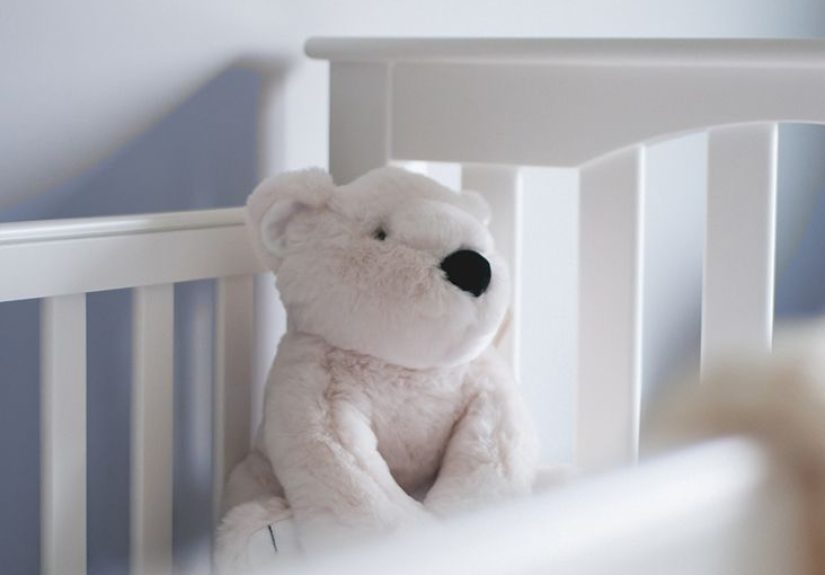
- Stuffed animals
- Bumper pads (including “breathable” ones)
- Positioners, wedges, loungers, and “nests” not meant for sleep
If you’re worried your baby will be cold, use a wearable blanket or sleep sack instead of loose bedding.
Bonus: sleep sacks can’t end up over a baby’s face, because physics is on your side.
4) Room-Share, Don’t Bed-Share
Room-sharing (baby sleeping in the same room as you, in their own sleep space) is associated with lower risk compared with
baby sleeping in a separate room. The key is same room, separate surface.
Bed-sharing increases risk, especially in certain situations (smoking exposure, alcohol or drug use, extreme exhaustion,
very young infants, soft mattresses, couches, or multiple people/pets in the sleep space). If you bring baby into bed to feed
or comfort, the goal is to return them to the crib or bassinet before you fall asleep.
5) Avoid Smoke ExposureBefore and After Birth
Smoke exposure is a major, preventable risk factor. That includes smoking during pregnancy and secondhand smoke exposure after
birth. If quitting feels big (it is), harm reduction still helps: keep the home and car smoke-free, and ask a healthcare provider
about evidence-based cessation support.
6) Consider a Pacifier at Sleep Time
Offering a pacifier for naps and bedtime is linked with reduced SIDS risk. If the pacifier falls out after baby falls asleep,
you don’t need to replace it. If you’re breastfeeding, many pediatric sources suggest waiting until breastfeeding is going smoothly
before introducing a pacifier.
7) Breastfeeding Helps (Any Amount Can Be Meaningful)
Breastfeeding is associated with a lower SIDS risk. This isn’t meant to pressure anyonefeeding decisions can be complicated.
The point is support: if breastfeeding is possible and desired, it can be one more protective factor.
8) Avoid Overheating and Head Covering
Over-bundling can increase risk. Dress baby in light layers, keep the room at a comfortable temperature, and avoid hats during sleep
(unless specifically advised in a medical setting).
9) Keep Up With Well-Child Visits and Vaccines
Routine healthcare supports overall infant health, and vaccination is recommended by major U.S. medical organizations. If you have questions,
your pediatrician is the best place to get answers tailored to your child.
10) Supervised Tummy Time When Awake
Tummy time is for when baby is awake and watched. It helps development and reduces flat spots on the head.
But sleep is still back-only for babies under 1 year.
Common “Safe Sleep” Myths (Gently Debunked)
Myth: “My baby spits upback sleeping is dangerous.”
Many parents worry about choking. Healthy infants have protective airway reflexes, and back sleeping remains the recommended position
for reducing SIDS risk. If your baby has specific medical conditions, follow your clinician’s guidancebut don’t self-prescribe stomach sleeping.
Myth: “Bumpers prevent injuries, so they’re safer.”
It’s understandable to want to prevent bumped heads. But crib bumpers can introduce suffocation and entrapment risks, and major safety organizations
advise keeping them out of the crib. A bumped elbow is a small problem; obstructed breathing is not.
Myth: “If it’s sold in a baby store, it must be safe for sleep.”
Sadly, no. Some products are marketed in ways that imply sleep use even when they’re not safe for unsupervised sleep. The safest approach is simple:
for routine sleep, use a crib/bassinet/play yard on a firm, flat surface.
Special Situations Parents Ask About
Swaddling
Swaddling can calm newborns, but it must be done correctly (not too tight at the hips, not with loose fabric near the face). Most importantly:
stop swaddling as soon as your baby shows signs of trying to roll. After that point, switch to a sleep sack.
Car Seats, Swings, and Strollers
Car seats are for travel. Swings and loungers are for supervised awake time. If baby falls asleep in a sitting device,
the safest move is to transfer them to a firm, flat sleep surface as soon as practical.
Daycare, Babysitters, and Well-Meaning Relatives
Many sleep-related tragedies happen when a caregiver uses an outdated practice (like stomach sleeping) or adds blankets “just in case.”
It’s not rude to set a standardit’s loving. A helpful script:
“We’re following current safe sleep guidance: back sleeping, firm flat surface, and an empty crib. Thanks for helping us keep it consistent.”
A Quick Safe Sleep Checklist (Save This for 2 A.M.)
- Back: Baby sleeps on their back.
- Crib: Baby sleeps in a crib/bassinet/play yard made for infants.
- Clear: No blankets, pillows, bumpers, toys, or positioners.
- Flat & firm: No incline, no soft surfaces, no couches or armchairs.
- Room-share: Same room, separate sleep space.
- Cool: Avoid overheating; no hats for sleep.
- Clean air: Smoke-free home and car.
- Pacifier: Offer at naps/bedtime if it works for your baby.
What to Do With the Anxiety (Because It’s Real)
Even with perfect safe sleep habits, many parents still worrybecause parenting is basically caring deeply about someone who can’t
hold up their own head yet. If anxiety is taking over, you’re not “dramatic.” You’re human.
Practical ways to lower stress without adding risk:
- Make the safe sleep setup the easiest option (crib right by the bed, extra fitted sheets ready).
- Use a simple nighttime routine so tired brains don’t improvise.
- Ask your pediatrician about safe sleep questions you keep replaying.
- Share the checklist with every caregiver so you’re not carrying the whole mental load alone.
The goal isn’t to become a perfect sleep-safety robot. It’s to build a consistent, safer environmentone nap at a time.
Real-Life Experiences: What Parents and Caregivers Often Say (And What Helps)
The internet loves extremes: either “do this one thing and you’re a perfect parent” or “if you make one mistake, you have failed forever.”
Real life is… neither. Here are common experiences parents and caregivers report, and how they navigate them while sticking to SIDS prevention basics.
“My baby only sleeps on me.” This is incredibly common in the early weeks. Many parents start with contact naps because it feels like the
only way anyone gets rest. The shift often happens in tiny steps: practicing one crib nap a day, using a firm flat bassinet nearby, and treating the
crib like a familiar place (same sleep sack, same gentle routine). Parents often say the breakthrough wasn’t a fancy gadgetit was consistency, plus time.
“My family thinks the empty crib looks ‘sad.’” Older relatives may remember “cozy” cribs with bumpers, blankets, and plush toys.
A lot of families handle this with a respectful but firm boundary: “We know you love the baby. Current guidance says the safest crib is bare,
so we’re doing that.” Some parents add a touch of humor: “The crib is minimalist décorvery trendy.” (It helps if you say it like a joke but mean it like a rule.)
“I’m scared my baby will choke on spit-up.” This fear is so widespread that it deserves its own gold medal. Parents often feel calmer after a pediatrician
explains that healthy babies have airway reflexes and that back sleeping is recommended to lower risk. Many parents also find comfort in keeping the sleep setup simple:
back sleeping, flat surface, and no loose beddingbecause complicated setups can create new problems.
“We tried a pacifier and it was either magic or a tiny plastic betrayal.” Pacifiers are polarizing. Some babies love them; some act personally offended.
Parents who stick with it often describe experimenting gently: offering at bedtime, not forcing it, and not re-inserting it all night. Parents who skip it can still
do all the big protective stepsback sleeping, firm surface, smoke-free environmentand feel confident they’re reducing risk.
“Daycare asked us to sign a sleep policy.” This can be reassuring. Families often say the best daycare experiences are the ones with clear,
evidence-based safe sleep rules: babies placed on their backs, no blankets or toys in cribs, and staff trained to follow consistent practices.
Parents feel less anxious when every caregiver is playing the same safety “playlist.”
“Someone in the home smokes, and quitting is hard.” Families facing this often talk about progress over perfection: setting up strict no-smoking areas,
keeping smoke out of the car, washing hands and changing clothes after smoking, and asking clinicians about quit supports. People also describe a mindset shift:
“This isn’t about guiltit’s about giving our baby the cleanest air we can.”
What these experiences have in common is reassuring: parents don’t become calm by finding a perfect hack. They become calmer by building a safe, repeatable routine.
Safe sleep prevention isn’t about fearit’s about habits that protect your baby while you learn your baby.
Conclusion
SIDS is frightening precisely because it’s unpredictable and unexplained. But SIDS prevention isn’t mysterious. The most effective approach is consistent safe sleep:
back sleeping, a firm flat surface, a bare sleep space, room-sharing without bed-sharing, smoke-free air, and smart use of protective habits like pacifiers and breastfeeding when possible.
If you’re feeling overwhelmed, remember this: you don’t have to control everything. You just have to control what you canstarting with the sleep environment.
That’s where the science is strongest, and where your actions make the biggest difference.