Table of Contents >> Show >> Hide
In the pursuit of a sun-kissed glow without the harmful effects of UV rays, spray tans and self-tanners have become go-to solutions for many. These products promise to give you that golden look without the risk of skin damage that comes from prolonged sun exposure. But, as with any beauty trend, you may be wondering: are spray tans and self-tanners safe? In this article, we’ll dive deep into the safety of these popular tanning methods, exploring their ingredients, the science behind them, and real-world experiences from users. Let’s unravel the truth about these products and whether they’re a healthy alternative to sunbathing.
What Are Spray Tans and Self-Tanners?
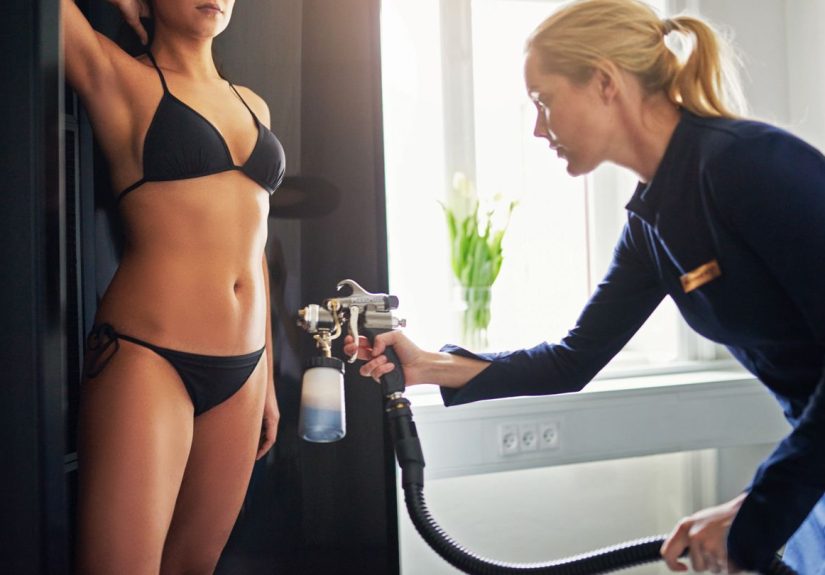
Before we address safety, let’s first understand what spray tans and self-tanners are. Both are cosmetic products designed to mimic the appearance of a natural tan without exposure to the sun. They contain active ingredients that react with the outer layer of your skin, causing a temporary darkening effect. The primary ingredient in most self-tanners is dihydroxyacetone (DHA), a sugar that interacts with the amino acids in the skin’s surface, creating a bronzed hue. While spray tans are typically applied in a professional setting using a spray gun, self-tanners are available in various forms, such as lotions, mousses, and wipes, for at-home use.
Are Spray Tans and Self-Tanners Safe for Your Skin?
In general, spray tans and self-tanners are considered safe when used properly, but like with all cosmetic products, there are some precautions to keep in mind. Let’s break it down:
1. The Safety of DHA
The main active ingredient in most tanning products is DHA. This ingredient is FDA-approved for external use on the skin. However, it’s important to note that the FDA has not approved DHA for use in areas around the eyes, mouth, or on mucous membranes. This is why many professionals recommend wearing nose filters and protective eye gear during spray tan sessions to avoid inhalation of the product.
Research shows that DHA does not penetrate deeper layers of the skin, so the risks of systemic toxicity are minimal. That said, excessive inhalation of DHA, as might happen during a spray tan, can potentially lead to respiratory issues, particularly for individuals with asthma or other respiratory conditions.
2. The Risks of Inhalation
One of the primary concerns with spray tans is the potential inhalation of the mist. The spray particles can easily be breathed into the lungs, and while this risk is minimal when following proper safety measures (like wearing a nose filter), there’s always the potential for respiratory irritation. Inhalation of DHA in large amounts has been linked to irritation in the airways and eyes. To mitigate these risks, professionals typically recommend using spray booths with controlled airflow to prevent inhaling the mist.
3. Skin Sensitivity and Allergic Reactions
Although rare, some individuals may experience allergic reactions to the ingredients in self-tanners, particularly DHA. Symptoms can range from mild irritation to more severe reactions like rashes or swelling. If you have sensitive skin, it’s advisable to conduct a patch test 24 hours before applying the product to large areas of your body. This simple test can help ensure that you’re not allergic to any of the ingredients.
4. Exposure to UV Radiation
While spray tans and self-tanners provide a temporary tan without UV radiation, they don’t offer any protection from harmful UV rays. It’s essential to continue using sunscreen when spending time outdoors, even after applying a self-tanner. A tan from DHA is purely cosmetic and doesn’t protect the skin from the sun’s harmful rays. So, it’s crucial to balance your love for that bronzed glow with good sun protection practices.
Real-Life Experiences: What Users Say
Real experiences can offer valuable insight into the safety and effectiveness of spray tans and self-tanners. Here are some common themes from users who have tried these tanning products:
Experience 1: “I Love the Glow, but I Can’t Avoid the Smell”
Many users enjoy the instant results from spray tans and self-tanners, but one consistent complaint is the smell. DHA can give off a somewhat unpleasant scent, often compared to that of burnt sugar. Some products add fragrance to mask this odor, but it’s not always completely effective. Users recommend applying the product in the evening and letting it develop overnight, as the smell tends to dissipate after a few hours.
Experience 2: “I’m Sensitive, and I Got a Rash”
As mentioned earlier, sensitive skin can sometimes react negatively to self-tanners. One user shared that after applying a spray tan, they developed a rash in areas where they had more sensitive skin, such as around their elbows and knees. This can happen because self-tanners tend to concentrate in dry patches, so moisturizing before application is highly recommended. If you’re prone to skin sensitivity, consider choosing a product specifically designed for sensitive skin.
Experience 3: “I Avoid the Booths Due to Inhalation Concerns”
While many people opt for professional spray tan booths for convenience, some users avoid them due to the risk of inhaling the mist. As a result, they prefer self-tanning lotions or mousses that can be applied at home. These products offer more control over the application process and minimize the risk of inhalation. If you choose a spray tan, consider ensuring that the booth is equipped with ventilation systems that help reduce inhalation risks.
How to Safely Use Spray Tans and Self-Tanners
If you decide to give spray tans or self-tanners a try, here are some tips to ensure you’re using them safely:
- Patch test: Always perform a patch test 24 hours before using a product for the first time to check for allergic reactions.
- Moisturize: Keep your skin hydrated before application. Dry skin can cause uneven tanning, and areas like elbows and knees can absorb more product, leading to darker spots.
- Use in a well-ventilated area: Whether you’re at home or in a professional booth, ensure there’s proper ventilation to minimize inhalation risks.
- Wear protective gear: If you’re getting a spray tan, consider using nose filters or a mask to avoid inhaling the mist.
- Don’t skip sunscreen: Even though self-tanners can give you a tan without UV exposure, they do not protect against the sun’s harmful rays. Always apply sunscreen.
Conclusion: Are Spray Tans and Self-Tanners Safe?
Spray tans and self-tanners are generally safe for most people when used properly. They offer a great alternative to sunbathing and tanning beds, providing a beautiful glow without the harmful effects of UV radiation. However, as with any cosmetic product, it’s essential to be mindful of the potential risks, such as allergic reactions, inhalation concerns, and the need for proper sun protection. If you follow safety guidelines, moisturize, and avoid inhaling the product, you can safely enjoy the benefits of a bronzed look all year long.
Personal Experiences with Spray Tans and Self-Tanners
My first experience with a spray tan was after a recommendation from a friend who swore by it. I was skeptical at first, but after an appointment at a professional salon, I was amazed by the results. The tan was natural, streak-free, and lasted almost a week. I did, however, experience some mild inhalation discomfort, so I made sure to wear a mask for future sessions. I also discovered that moisturizing beforehand made a significant difference in how long the tan lasted and how evenly it applied. As someone with sensitive skin, I recommend using a self-tanner formulated for delicate skin to avoid any irritation.