Table of Contents >> Show >> Hide
- Quick refresher: RA and why heat feels so good
- What exactly is an infrared sauna (and what it isn’t)
- Potential benefits of infrared sauna for rheumatoid arthritis
- What the research actually says (and what it doesn’t)
- Risks and side effects: where the heat can bite back
- Who should be extra careful (or avoid it)
- How to use an infrared sauna safely with RA (a practical guide)
- Infrared sauna vs. hot bath vs. heating pad: which is best for RA?
- Frequently asked questions
- Experiences: what people commonly notice (and what they wish they knew sooner)
- Conclusion
Rheumatoid arthritis (RA) has a special talent: it can make your joints feel 80 years old on a perfectly normal Tuesday.
If you’ve ever woken up with hands that feel like they’re wearing invisible oven mitts, you already understand why heat therapy is so tempting.
Enter the infrared saunaa wellness trend that sounds like it belongs in a sci-fi movie, but is basically “warmth, upgraded.”
But can an infrared sauna actually help rheumatoid arthritis symptoms like pain, stiffness, and fatigue? And what are the downsides
especially if you’re taking RA medications, dealing with flares, or have other health conditions?
Let’s break it down with real evidence, practical examples, and a little humor (because RA already took enough from youno need to lose your vibe too).
Quick refresher: RA and why heat feels so good
RA is an autoimmune disease where the immune system mistakenly attacks the lining of your joints, causing inflammation.
Over time, that inflammation can damage cartilage and bone. Symptoms often include joint pain, swelling, warmth, stiffness (especially in the morning),
and sometimes fatigue that makes your couch feel like a soulmate.
Heat therapy doesn’t “turn off” the autoimmune process, but it can help with the experience of RAparticularly stiffness, muscle tension,
and achy discomfort. Heat tends to increase circulation, relax muscles, and make movement feel less like a creaky door hinge.
That’s why heating pads, warm baths, and paraffin wax dips are longtime favorites.
What exactly is an infrared sauna (and what it isn’t)
Traditional saunas heat the air around you (think: hot room, lots of sweat, possible desire to become a puddle).
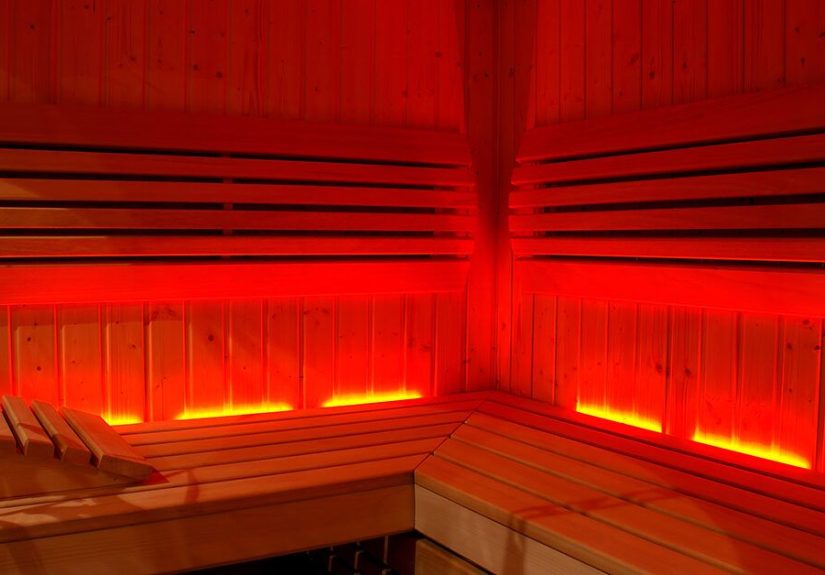
Infrared saunas use infrared energy to warm your body more directly, usually at lower air temperatures than traditional saunas.
Many people find infrared sessions more tolerableespecially if you’re not trying to roleplay as a baked potato.
Important reality check: an infrared sauna is not a cure for RA, not a detox machine, and not a substitute for disease-modifying treatment.
If a brochure says it “removes toxins” or “cures inflammation,” treat it like a suspicious text from an unknown number: politely ignore.
Potential benefits of infrared sauna for rheumatoid arthritis
1) Temporary pain relief (the “ahhh” factor)
Heat can change how your body perceives pain by relaxing muscles and easing tension around joints.
Some people report that infrared sauna sessions reduce joint discomfort for a few hourssometimes long enough to make chores feel less
like an extreme sport.
2) Reduced stiffness and improved mobility
If morning stiffness is your daily “hello,” heat may help you move more comfortably. Warming tissues can improve flexibility and make gentle
range-of-motion exercises easier. For some RA patients, that means a smoother transition from “human statue” to “functional adult.”
3) Relaxation, stress relief, and better sleep
RA isn’t just a joint conditionit’s a whole-body stressor. Pain and fatigue can disrupt sleep and raise stress levels,
and stress can make symptoms feel louder. Sauna sessions can be calming, and relaxation alone can improve how you cope with chronic symptoms.
Translation: less “I can’t deal,” more “I can deal, but I’m still annoyed.”
4) Circulation support and “post-session looseness”
Heat causes blood vessels to widen (vasodilation), which increases blood flow. Better circulation can help muscles relax and may reduce the
“tight” feeling around sore joints. That doesn’t mean your immune system suddenly becomes politebut your body may feel more comfortable
moving afterward.
5) A gentle companion to physical therapy and movement
Many RA management plans include exercise, occupational therapy, or physical therapy. When used thoughtfully, an infrared sauna session
before gentle stretching or after a PT routine may help some people feel less stiff and more willing to keep moving.
And movement, done safely, is one of the most consistently recommended tools for maintaining function in RA.
What the research actually says (and what it doesn’t)
Here’s the honest version: research specifically on infrared sauna for rheumatoid arthritis is limited, but there is some supportive evidence.
A commonly cited clinical study found that far-infrared sauna sessions produced short-term improvements in pain and stiffness in RA participants
without worsening disease activity scores during the study period. That’s promisingespecially the “didn’t make disease activity worse” part.
At the same time, the overall evidence base is not huge, and many studies are small or short-term. Major rheumatology guidance generally treats
heat/thermal modalities as optional supportive strategies rather than core treatment, often noting low certainty of evidence.
So the best way to view infrared sauna is:
symptom support, not a disease-modifying intervention.
If you’re looking for a “will this replace my meds?” answer: no. If you’re looking for “could this make my mornings less miserable?”
for some people, yes, possibly.
Risks and side effects: where the heat can bite back
Even though infrared saunas often run cooler than traditional saunas, they still create heat stress. And heat stress comes with real risks.
The good news: most problems are preventable with smart habits.
Dehydration and dizziness
Sweating means fluid loss. Dehydration can lead to headaches, lightheadedness, fatigue, and feeling like your body’s Wi-Fi signal just dropped.
If you stand up too fast after a long session, dizziness can happen.
Blood pressure changes
Heat can lower blood pressure temporarily in some people. That can be helpful for certain individuals, but it can also cause faintnessespecially if you
already run low, are dehydrated, or take blood pressure meds. People with cardiovascular conditions should be cautious and get medical guidance.
Overheating (heat illness risk)
Staying in too long, using too high a temperature, or combining sauna time with dehydration (or alcohol) can increase the risk of overheating.
This is one reason “more” is not “better.” Your goal is relief, not becoming a cautionary tale.
Skin irritation and heat sensitivity
Some people feel itchy, get a mild rash, or experience dry skin after frequent sessions. If you have eczema, very sensitive skin,
or you’re prone to heat rashes, start conservatively and moisturize afterward.
False claims and poorly made products
Not all sauna products and wellness marketing are created equal. Some devices have been flagged historically for misleading labeling/claims.
If you’re considering an at-home unit, prioritize basic safety features (timers, temperature controls, ventilation, reputable manufacturing),
and be skeptical of anything promising miracle cures.
Who should be extra careful (or avoid it)
An infrared sauna may be not a good ideaor may require medical clearanceif you have:
- Unstable heart disease, recent cardiac events, or uncontrolled arrhythmias
- Uncontrolled high or low blood pressure
- Kidney disease or conditions where dehydration is especially risky
- Fever, active infection, or you’re feeling acutely unwell
- Pregnancy (ask your clinicianheat exposure guidance varies)
- Neuropathy or reduced ability to sense heat (burn risk)
- Problems with fainting, severe dizziness, or heat intolerance
RA-specific note: many people with RA take immune-modulating medications. That doesn’t automatically mean “no sauna,” but it does mean you should
avoid sauna use when you’re sick, feverish, or dealing with active infection symptoms.
How to use an infrared sauna safely with RA (a practical guide)
Start small (seriously)
If you’re new, begin with 10 minutes at a moderate temperature and see how you feel during the session and the next day.
You’re looking for “looser and calmer,” not “why is the room spinning?”
Hydrate like it’s your job
Drink water before and after. If you sweat heavily, consider electrolytesespecially if you’re prone to cramps.
(No, coffee doesn’t count as hydration. Nice try.)
Skip alcohol and don’t sauna when sick
Alcohol plus heat plus dehydration is a bad trio. Also avoid sessions if you have a fever, stomach bug, respiratory infection, or feel “off.”
Your immune system is already busy.
Cool down gradually
After the session, sit for a minute, breathe, and let your body settle. A lukewarm shower is fine. Avoid extreme hot-to-cold plunges unless you’re
experienced and medically clearedsudden temperature shifts can be rough on the cardiovascular system.
Use the “flare logic”: heat vs. cold
Heat often helps stiffness and chronic soreness. Cold can be better for a hot, swollen, actively inflamed joint.
If a joint is visibly swollen and warm, consider cold therapy first and save sauna time for non-flare periods or for general relaxation.
A sample RA-friendly sauna routine
- Before: Drink water, eat a light snack if you’re prone to lightheadedness, remove jewelry.
- Session: 10–20 minutes at a comfortable temperature, seated, steady breathing.
- After: Rest 5 minutes, rehydrate, then do gentle stretching or a short walk if you feel good.
- Later: Note how your joints feel that evening and the next morninguse that feedback to adjust.
Infrared sauna vs. hot bath vs. heating pad: which is best for RA?
Think of these as tools in the same toolbox:
- Heating pad: Great for targeted relief (one joint, one area, quick use).
- Warm bath/shower: Moist heat can be soothing, especially for full-body stiffness.
- Infrared sauna: Whole-body heat, often deeply relaxing, may help stiffness and stressbest as an “add-on,” not a replacement.
If you love the ritual and you feel better afterward, that matters. The “best” option is the one you can do safely and consistently without triggering
dizziness, dehydration, or symptom flare-ups.
Frequently asked questions
Will infrared sauna reduce RA inflammation?
It may help you feel better, but it hasn’t been proven to reduce the underlying autoimmune inflammation the way DMARDs and biologics can.
Consider it symptom management and recovery support, not disease control.
How often can someone with RA use an infrared sauna?
There’s no one-size schedule. Some people do 2–4 sessions per week; others prefer occasional use.
Your ideal frequency depends on hydration, cardiovascular tolerance, flare patterns, and how your body responds.
If you notice increased fatigue, dizziness, or joint irritation afterward, reduce time or frequency.
Can I use it during an RA flare?
If a joint is hot, swollen, and angry, heat may not be your best first movecold therapy can be more appropriate.
For general body stiffness without significant swelling, a short, low-temp session might still feel good for some people.
When in doubt, ask your rheumatology team.
What’s the biggest mistake people make?
Staying in too long. Relief doesn’t scale linearly with time. Your body isn’t a phone that charges faster if you leave it plugged in for three days.
Experiences: what people commonly notice (and what they wish they knew sooner)
The most common “experience” people describe with infrared sauna and RA is not a dramatic miracle. It’s more like turning the volume down.
One frequent pattern is improved morning stiffnessnot necessarily the next morning, but a general sense that the body “warms up” faster
after regular sessions. People who struggle with tight shoulders, stiff hands, or sore hips often say the biggest benefit is the feeling of
looseness that lasts a few hours after they step out.
Another theme is the mental side. Living with RA can make you feel like your body is constantly negotiating with you:
“Sure, we can do laundry… but we’ll complain the whole time.” For many, the sauna becomes a reset button.
The quiet heat, the forced pause, and the ritual of doing something soothing can reduce stressespecially on days when pain makes everything feel urgent.
Some people notice sleep improvements on sauna nights, likely because relaxation and warmth can help the body settle down.
But the “wish I knew sooner” list is just as valuable. A lot of people learn the hard way that hydration is non-negotiable.
Feeling tired after a session might not mean “RA fatigue is worse”it might mean you sweated more than you replaced.
People who start bringing water (and sometimes an electrolyte drink) often report fewer headaches and less post-sauna sluggishness.
Another common learning: timing matters. Some people do best using an infrared sauna after gentle movement or stretching,
when muscles are already warm. Others prefer it before bed, as a wind-down ritual. Many avoid it right before an intense activity because
feeling relaxed is greatfeeling “melted” right before you have to run errands is less great.
For those who experience flares, the experience is mixed. Some people find whole-body heat soothing when the flare is mostly stiffness and deep aching.
Others feel worse if joints are visibly swollen and hot. In that scenario, people often report doing better with cold packs on specific joints and saving
sauna time for days when inflammation is calmer. A practical approach many adopt is the “two-gear system”:
cold for hot, swollen joints; heat for stiffness and tight muscles.
People also talk about the “comfort settings” journey. Beginners often start too hot or too long because the first session feels gooduntil it doesn’t.
Experienced users tend to keep sessions shorter, use moderate temperatures, and focus on consistency rather than intensity.
The goal becomes sustainable relief, not proving toughness.
Lastly, some people find that pairing sauna use with a gentle routinelike a short walk, light stretching, or a few minutes of breathing exercises
makes the overall experience more helpful. It’s not that the sauna becomes magic; it’s that it supports a broader RA management plan.
And in real life, that’s usually how “helpful” works: one supportive habit at a time, stacked in your favor.
Conclusion
An infrared sauna for rheumatoid arthritis can be a useful add-on for some peopleespecially for temporary pain relief,
easing stiffness, and improving relaxation. The research suggests potential short-term symptom improvements without worsening disease activity in small studies,
but it’s not a replacement for medical treatment.
The smart approach is simple: start conservatively, hydrate, avoid it when sick, and use it as one tool in a bigger RA toolkit
that includes medication, movement, sleep, stress management, and clinician guidance.
If it helps you feel more comfortable in your bodyeven for a few hoursthat’s a legitimate win.