Table of Contents >> Show >> Hide
- Why Make Soft Pretzels in a Bread Machine?
- Ingredients for Bread Machine Soft Pretzels
- How to Make Soft Pretzels in a Bread Machine
- The Baking Soda Bath: The Secret to Pretzel Flavor
- Baking the Pretzels
- Best Dips for Homemade Soft Pretzels
- Flavor Variations
- Troubleshooting Bread Machine Pretzels
- How to Store and Reheat Soft Pretzels
- Serving Ideas for Bread Machine Soft Pretzels
- Complete Bread Machine Soft Pretzel Recipe
- Experience Notes: What I’ve Learned Making Bread Machine Soft Pretzels
- Conclusion
There are few kitchen smells more persuasive than fresh soft pretzels coming out of the oven. Bread? Lovely. Cookies? Obviously dangerous. But homemade soft pretzels? That warm, buttery, salty aroma can make everyone in the house suddenly “just happen” to wander into the kitchen.
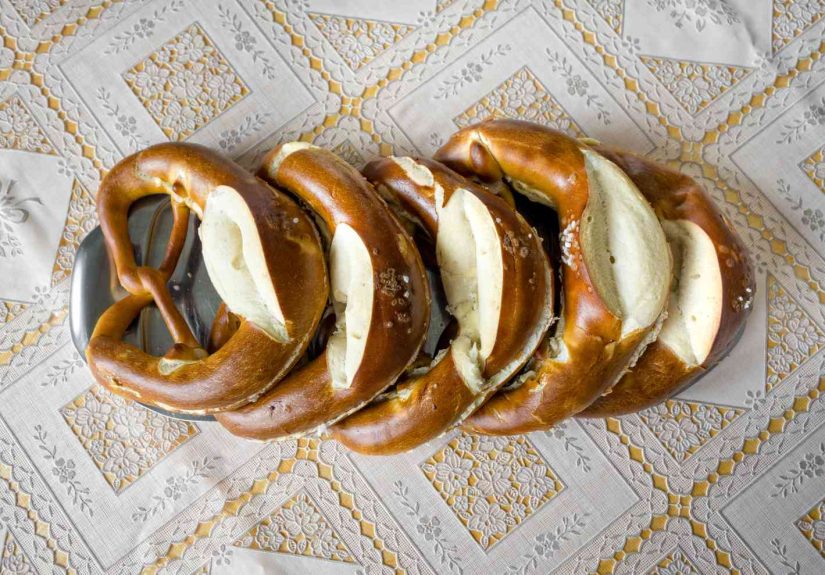
This soft pretzels recipe for the bread machine gives you chewy, golden, bakery-style pretzels without hand-kneading dough until your arms file a formal complaint. The bread machine does the mixing, kneading, and first rise. You handle the fun part: rolling ropes, twisting pretzels, giving them a quick baking soda bath, and baking them until they look like they belong in a mall snack standbut better, because you made them in slippers.
The result is a batch of soft bread machine pretzels with a tender interior, a lightly chewy crust, and that classic pretzel flavor that comes from a simple alkaline baking soda bath. No complicated equipment. No fancy bakery lye. No need to explain to your family why you bought “professional pretzel chemicals.” Just flour, yeast, water, a bread machine, and a little kitchen confidence.
Why Make Soft Pretzels in a Bread Machine?
A bread machine is perfect for pretzel dough because pretzels need a smooth, elastic dough that is kneaded well. The machine creates that texture with minimal effort. It also keeps the dough in a warm, consistent environment while it rises, which helps the yeast do its job properly.
Traditional homemade soft pretzels require mixing, kneading, resting, shaping, boiling or dipping, and baking. That can sound like a whole weekend activity. With a bread machine, the first half of the work happens while you drink coffee, answer emails, or stare meaningfully into the pantry wondering why there are three jars of mustard.
The bread machine also makes this recipe beginner-friendly. If you can add ingredients to the pan in the right order and press the dough cycle button, you are already halfway to homemade pretzel glory.
Ingredients for Bread Machine Soft Pretzels
This recipe uses pantry-friendly ingredients. The measurements below make about 8 medium pretzels.
For the Dough
- 1 cup warm water, about 80°F to 90°F
- 2 tablespoons unsalted butter, melted and slightly cooled
- 2 tablespoons brown sugar or granulated sugar
- 1 teaspoon fine salt
- 3 cups bread flour, plus more if needed
- 2 1/4 teaspoons active dry yeast or bread machine yeast
For the Baking Soda Bath
- 6 cups water
- 1/3 cup baking soda
For Topping
- 1 egg yolk beaten with 1 tablespoon water, optional for extra shine
- Coarse pretzel salt or coarse kosher salt
- 3 tablespoons melted butter, for brushing after baking
Bread flour gives the pretzels a chewier texture because it has more protein than all-purpose flour. However, all-purpose flour still works if that is what you have. Your pretzels may be slightly softer and less chewy, but nobody eating a warm buttered pretzel is likely to complain.
How to Make Soft Pretzels in a Bread Machine
Step 1: Add Ingredients to the Bread Machine
Add the warm water, melted butter, sugar, and salt to the bread machine pan first. Spoon the flour over the liquid so it covers the surface. Make a small well in the flour and add the yeast into that well, keeping it away from the salt and liquid until the machine starts mixing.
Different bread machine brands recommend slightly different loading orders, so check your manual if needed. Most machines prefer liquids first, dry ingredients second, and yeast last. When in doubt, trust the manual. It has one job, and unlike most kitchen drawers, it usually knows where things belong.
Step 2: Run the Dough Cycle
Select the dough cycle and press start. During the first 5 to 10 minutes, check the dough. It should form a smooth, soft ball that pulls away from the sides of the pan. If it looks dry and crumbly, add water one teaspoon at a time. If it looks sticky and puddle-like, add flour one tablespoon at a time.
The ideal pretzel dough should feel soft but not gluey. Think smooth modeling clay, not pancake batter and not a brick. Once the dough cycle finishes, it should be slightly puffy and easy to handle.
Step 3: Divide the Dough
Lightly flour your counter and transfer the dough from the bread machine pan. Divide it into 8 equal pieces. For more even pretzels, use a kitchen scale. For more “rustic charm,” use your eyes and accept that one pretzel may become the family giant.
Cover the pieces with a clean kitchen towel and let them rest for about 5 minutes. This short rest relaxes the gluten, making the dough easier to roll without snapping back like a rubber band with attitude.
Step 4: Shape the Pretzels
Roll each dough piece into a rope about 20 to 24 inches long. Form the rope into a U shape. Cross the ends over each other once or twice, then bring them down and press them onto the bottom curve of the U. That gives you the classic pretzel shape.
If your first pretzel looks like a confused knot, congratulationsyou are making real homemade food. By the third one, your hands will understand the motion. By the eighth, you may start considering yourself a pretzel artisan, which is completely reasonable.
The Baking Soda Bath: The Secret to Pretzel Flavor
The baking soda bath is what gives soft pretzels their signature flavor, deeper color, and chewy outer crust. Pretzels are traditionally dipped in an alkaline solution before baking. At home, baking soda is a safer, easier option than food-grade lye and still creates excellent results.
Bring 6 cups of water to a gentle boil in a wide pot. Carefully add the baking soda. It may bubble up, so add it slowly. Reduce the heat to a steady simmer. Place each shaped pretzel into the bath for about 20 to 30 seconds, then lift it out with a slotted spatula and let excess water drip off.
Do not leave the pretzels in the baking soda bath too long. A short dip gives you classic pretzel character. A long soak can create a stronger alkaline taste and a gummy surface. Pretzels are dramatic enough without becoming science experiments.
Baking the Pretzels
Preheat your oven to 425°F. Line two baking sheets with parchment paper and lightly grease the parchment to prevent sticking. Place the dipped pretzels on the prepared sheets, leaving space between them.
Brush each pretzel with the egg wash if you want extra shine, then sprinkle with coarse salt. Bake for 10 to 14 minutes, or until the pretzels are deep golden brown. The exact time depends on your oven and how thick your pretzels are.
As soon as the pretzels come out of the oven, brush them with melted butter. This step is technically optional, but emotionally essential. The butter softens the crust slightly, adds flavor, and makes the pretzels taste like something you would happily stand in line for.
Best Dips for Homemade Soft Pretzels
Soft pretzels are excellent on their own, but dips turn them into an event. Classic yellow mustard is sharp, simple, and perfect. Dijon mustard adds a more grown-up bite. Honey mustard gives a sweet-tangy balance that works especially well with buttery pretzels.
For something richer, serve them with warm cheese sauce. A basic cheddar cheese dip, beer-style cheese dip without alcohol, or creamy queso-style sauce all pair beautifully with bread machine soft pretzels. You can also try ranch, garlic butter, marinara, or spicy brown mustard.
For a sweet version, skip the coarse salt before baking and brush the pretzels with butter afterward. Then toss them in cinnamon sugar. Serve with cream cheese glaze or chocolate sauce. Suddenly, your bread machine has become a dessert machine, and honestly, it deserves the promotion.
Flavor Variations
Garlic Parmesan Pretzels
After baking, brush the pretzels with melted butter mixed with garlic powder. Sprinkle with grated Parmesan and a little parsley. These are excellent with marinara sauce.
Everything Bagel Pretzels
Replace coarse salt with everything bagel seasoning before baking. The sesame, poppy seed, garlic, and onion flavors turn the pretzels into a snack-board superstar.
Jalapeño Cheddar Pretzels
Add 1/2 cup shredded cheddar and 2 tablespoons finely chopped pickled jalapeños to the dough near the end of the bread machine kneading cycle. Watch the moisture level and add a spoonful of flour if the dough becomes too sticky.
Cinnamon Sugar Pretzels
Skip the salt, bake the pretzels plain, brush them generously with melted butter, and coat them in cinnamon sugar while warm. These taste like fair food in the best possible way.
Troubleshooting Bread Machine Pretzels
Why Is My Dough Too Sticky?
Humidity, flour brand, and measuring style can all affect dough texture. If the dough sticks heavily to the pan or your fingers, add flour one tablespoon at a time during the early kneading stage. Avoid dumping in too much at once because dry dough makes tough pretzels.
Why Did My Pretzels Turn Out Dense?
Dense pretzels usually come from old yeast, too much flour, or dough that did not rise enough. Make sure your yeast is fresh and your liquid is warm, not hot. Hot water can weaken or kill yeast, which is rude after asking it to do all the rising.
Why Are My Pretzels Pale?
Pale pretzels often need a stronger baking soda bath, a little more baking time, or an egg wash. Make sure the water is simmering, not cold. The alkaline bath encourages browning and helps create that classic pretzel look.
Why Did They Stick to the Parchment?
Pretzel dough can stick after the baking soda bath if the parchment is not greased. Use lightly oiled parchment or a silicone baking mat. Letting excess liquid drip off before placing pretzels on the tray also helps.
How to Store and Reheat Soft Pretzels
Homemade soft pretzels taste best the day they are baked. That is not a flaw; it is a lifestyle. Store leftovers in an airtight container at room temperature for up to two days. For longer storage, freeze them.
To freeze, let the pretzels cool completely, then wrap them individually and place them in a freezer bag. Reheat frozen pretzels in a 350°F oven for 8 to 12 minutes. If they seem dry, brush them lightly with water before reheating, then add butter after they warm through.
Avoid microwaving pretzels for too long. A few seconds can soften them, but too much time can make them chewy in the wrong way. The oven or toaster oven gives a better texture.
Serving Ideas for Bread Machine Soft Pretzels
These pretzels make a fantastic game-day snack, movie-night treat, lunchbox surprise, or cozy weekend baking project. Serve them with a small bowl of mustard and cheese sauce, pile them onto a wooden board, and watch them disappear faster than you can say “save one for me.”
You can also turn this recipe into pretzel bites. Instead of shaping full pretzels, cut the dough ropes into 1-inch pieces. Dip them in the baking soda bath, place them on the baking sheet, salt them, and bake until golden. Pretzel bites are easier for parties and dangerously snackable.
For sandwiches, shape the dough into small buns instead of pretzels. After the baking soda bath, score the tops with a sharp knife, sprinkle with salt, and bake until deeply browned. These pretzel buns are great with burgers, ham and cheese, egg sandwiches, or roasted vegetables.
Complete Bread Machine Soft Pretzel Recipe
Ingredients
- 1 cup warm water
- 2 tablespoons melted unsalted butter
- 2 tablespoons brown sugar or granulated sugar
- 1 teaspoon fine salt
- 3 cups bread flour
- 2 1/4 teaspoons active dry yeast or bread machine yeast
- 6 cups water, for bath
- 1/3 cup baking soda
- 1 egg yolk beaten with 1 tablespoon water, optional
- Coarse salt, for topping
- 3 tablespoons melted butter, for finishing
Instructions
- Add water, melted butter, sugar, and salt to the bread machine pan.
- Add flour on top of the liquid. Make a small well and add yeast.
- Select the dough cycle and start the machine.
- Check dough after 5 to 10 minutes. Adjust with small amounts of flour or water if needed.
- When the dough cycle finishes, transfer dough to a lightly floured surface.
- Divide into 8 equal pieces and rest for 5 minutes.
- Roll each piece into a 20- to 24-inch rope and shape into pretzels.
- Preheat oven to 425°F. Line and grease baking sheets.
- Bring 6 cups water to a simmer and slowly add baking soda.
- Dip each pretzel for 20 to 30 seconds, then drain well.
- Place pretzels on baking sheets. Brush with egg wash if using and sprinkle with coarse salt.
- Bake for 10 to 14 minutes, until deep golden brown.
- Brush hot pretzels with melted butter and serve warm.
Experience Notes: What I’ve Learned Making Bread Machine Soft Pretzels
The biggest lesson with a soft pretzels recipe for the bread machine is that the dough tells you what it needs. Recipes give measurements, but dough has opinions. On dry days, the dough may need a tiny splash of water. On humid days, it may need an extra spoonful of flour. The best habit is to check the dough early in the bread machine cycle. Once you learn what a smooth, elastic dough ball looks like, the whole process becomes much easier.
Another helpful experience is not rushing the shaping step. Pretzel dough can be springy right after the dough cycle. If the ropes keep shrinking, let the pieces rest for five more minutes. That small pause relaxes the gluten and saves you from wrestling dough across the counter like it owes you money. Rolling from the center outward also helps create even ropes with thinner ends, which makes the classic pretzel shape easier.
The baking soda bath is where many beginners get nervous, but it is simple when you stay organized. Shape all the pretzels first. Prepare the baking sheets before the bath. Keep a slotted spatula nearby. Then dip one pretzel at a time. Trying to shape, dip, salt, and answer a text message all at once is how pretzels become abstract art.
I have also learned that darker pretzels usually taste better than pale ones. A deep golden brown surface brings more flavor and better texture. Pulling them too early may keep them soft, but they can taste more like plain bread. Let the oven do its job. Watch carefully near the end, but do not panic the second they start turning brown. Pretzels are supposed to look boldly baked.
Butter after baking makes a huge difference. It gives the crust a softer bite and adds that familiar snack-shop flavor. If serving the pretzels later, I prefer brushing lightly with butter right after baking and then refreshing them in the oven before serving. A second tiny brush of butter after reheating brings them back to life.
For parties, pretzel bites are the easiest version. They bake quickly, are simple to dip, and do not require perfect shaping. For family baking, full pretzels are more fun because everyone can twist their own. Some will look beautiful. Some will look like dough attempted yoga. Both will taste good.
The final experience tip is to make more than you think you need. Homemade bread machine pretzels disappear quickly, especially when served warm with mustard, cheese sauce, or cinnamon sugar. If you want leftovers, hide two before serving. This is not selfish. This is meal planning.
Conclusion
Making soft pretzels in a bread machine is one of the easiest ways to enjoy bakery-style pretzels at home. The machine handles the kneading and rising, while the baking soda bath and hot oven create the chewy crust, golden color, and classic pretzel flavor. With simple ingredients, flexible toppings, and plenty of serving options, this recipe works for beginners, snack lovers, party hosts, and anyone who believes warm bread is basically happiness with salt on top.