Table of Contents >> Show >> Hide
- What Is a Slam Ball, Exactly?
- Why Slam Ball Training Works So Well
- Muscles Worked During Slam Ball Exercises
- How to Choose the Right Slam Ball
- How to Do the Classic Overhead Slam
- Best Slam Ball Exercises to Add to Your Routine
- Sample Slam Ball Workout
- Common Benefits of Slam Ball Training
- Safety Tips and Common Mistakes
- Who Should Try Slam Ball Exercises?
- Real-World Experiences With Slam Ball Training
- Conclusion
- SEO Tags
If your workout has been feeling a little too polite, the slam ball is here to fix that. This rugged, grippy, gloriously unbouncy piece of equipment turns basic training into something far more interesting: explosive, sweaty, full-body work that feels athletic instead of robotic. One minute you are lifting, squatting, rotating, and bracing. The next minute you are wondering why your heart rate is acting like you just sprinted up a hill while carrying groceries and your life choices.
That is the charm of slam ball training. It builds power, strength, coordination, and conditioning in one move-heavy package. It also brings a rare kind of honesty to exercise. A curl can hide a lot. A slam cannot. Either your core is engaged and your timing is sharp, or the ball quickly exposes your technique like a brutally fair gym teacher.
In this guide, we will break down what slam balls are, why they work, the best slam ball exercises to try, how to use them safely, and what kind of results people often notice when they make them part of a smart routine. Spoiler alert: it is not just about looking tougher in the gym. Though that is a very real side effect.
What Is a Slam Ball, Exactly?
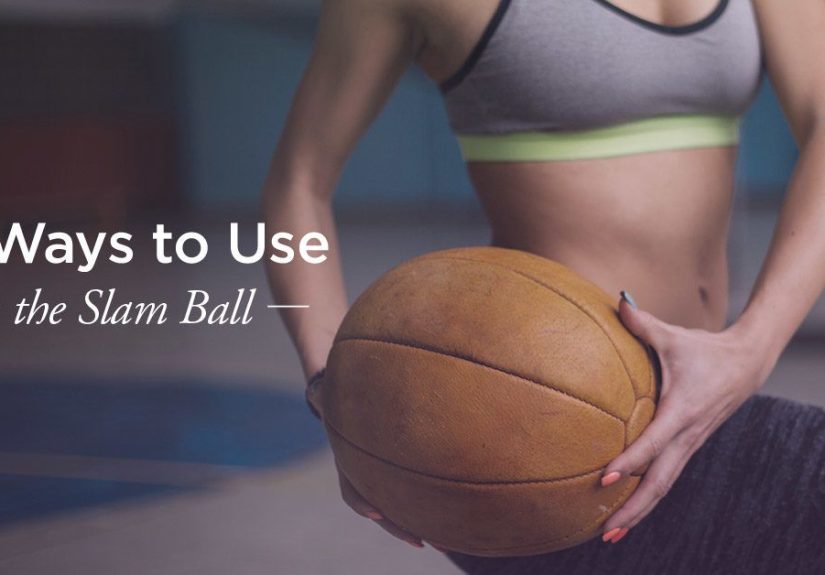
A slam ball is a weighted ball designed for high-impact throws and floor slams. Unlike a traditional medicine ball, a slam ball usually has very little bounce. That matters. A low-bounce design makes it more practical for aggressive slams, repetitive conditioning work, and power drills where you do not want the ball rocketing back toward your face like it has a personal grudge.
Most slam balls have a textured rubber shell for grip and durability. Some are compact and dense, which means even a lighter number on the label can feel serious in your hands. The goal is not to toss the ball around with perfect grace like a sports movie montage. The goal is controlled force. You create power, direct it through your trunk and limbs, and finish the move without losing posture or rhythm.
Why Slam Ball Training Works So Well
1. It Trains Full-Body Power
Slam ball exercises are not isolation moves. They ask your feet, legs, hips, core, shoulders, arms, and grip to cooperate at speed. In an overhead slam, for example, you are not just using your arms to throw the ball down. You are extending through your whole body, bracing your trunk, and using a forceful hinge pattern to deliver power from head to toe. That makes slam ball work especially useful for athletes and regular humans who want to move with more snap, drive, and coordination.
2. It Builds Real Core Strength
Forget the myth that “core” only means visible abs. Your core includes muscles around the trunk, hips, pelvis, and lower back that help stabilize and transfer force. Slam ball drills challenge that system in ways crunches simply cannot. When you lift, rotate, or slam the ball, your midsection must control momentum, resist unwanted motion, and help transmit power. Translation: your core gets stronger in a way that actually shows up in sports, lifting, posture, and everyday movement.
3. It Doubles as Conditioning
Few things blur the line between strength and cardio quite like slam ball circuits. Perform slams, rotational work, squat patterns, or lunging drills for time, and your lungs will file an official complaint. Because many slam ball movements are explosive and involve large muscle groups, they can elevate heart rate quickly. That makes them useful in conditioning sessions, finishers, and short workouts when you want a lot of training effect without a ton of equipment.
4. It Improves Coordination and Athleticism
Slam ball training is not just about brute force. It also teaches timing, sequencing, and body awareness. You learn how to produce force, decelerate it, and repeat it under fatigue. Rotational slams, diagonal patterns, and lunge-based variations all challenge control in multiple planes of motion, which is a fancy way of saying your body gets better at moving like a body, not like a machine with one lever.
5. It Is Surprisingly Functional
Carrying a heavy bag, picking something up from the floor, moving quickly, bracing your trunk, and producing force from the hips are all real-life skills. Slam ball work trains many of those patterns. No, you do not need to slam a ball to carry laundry. But building strength and power through coordinated movement can make everyday tasks feel easier and sports performance feel sharper.
6. It Can Be Weirdly Therapeutic
Let us not ignore the emotional benefit. A well-timed slam is satisfying. It feels productive, focused, and just aggressive enough to make you grin like a cartoon villain who recently discovered progressive overload. As long as technique stays clean, slam ball training can be a great outlet for stress while still serving a legitimate training purpose.
Muscles Worked During Slam Ball Exercises
Slam ball drills can involve nearly every major muscle group, depending on the variation. Commonly trained areas include:
- Core: rectus abdominis, obliques, deep stabilizers, and lower back support muscles
- Shoulders and arms: deltoids, triceps, forearms, and grip muscles
- Chest and upper back: pecs, lats, traps, and rhomboids
- Lower body: glutes, quads, hamstrings, calves, and hip stabilizers
That is why slam ball sessions often feel like a full-body event instead of a one-muscle-group appointment. The ball may be in your hands, but the rest of your body is absolutely on the guest list.
How to Choose the Right Slam Ball
The best slam ball is not the heaviest one your ego can drag off the rack. It is the one that lets you move fast, stay in control, and keep your spine and shoulders in a good position. For many beginners, a ball in the 4- to 8-pound range is a smart starting point. Intermediate exercisers often move into the 8- to 15-pound range. Advanced trainees may use much heavier balls for select drills, but heavier is not automatically better.
Here is a good rule: if the ball is so heavy that your slam turns into a slow-motion wrestling match, it is too heavy for power work. Slam ball training is about force and speed working together. When technique falls apart, the exercise stops being useful and starts becoming a highlight reel for bad decisions.
How to Do the Classic Overhead Slam
- Stand with your feet about hip- to shoulder-width apart and hold the slam ball at chest height.
- Brace your core and lift the ball overhead without over-arching your lower back.
- Rise tall through your hips and torso, then forcefully drive the ball straight down in front of you.
- As you slam, hinge at the hips and bend your knees naturally.
- Scoop the ball up using your legs, not just your back, and reset.
Form tips: Keep your ribs down, avoid cranking your neck upward, and do not let the movement become all arms. Think “power from the floor, force through the core, finish with the hands.”
Best Slam Ball Exercises to Add to Your Routine
1. Overhead Slam
This is the classic and for good reason. It develops explosive power, core engagement, and conditioning all at once. It is simple enough for most people to learn and intense enough to stay useful for a long time.
2. Rotational Slam
Start with the ball near one hip, rotate through the torso and hips, and slam it diagonally across the body. This variation trains rotational power and anti-rotational control, both of which matter in sports and everyday movement. Keep the motion crisp, and do not twist through the knees like you are trying to unscrew yourself from the floor.
3. Squat to Slam
Hold the ball at chest height, squat with control, stand up powerfully, and flow straight into an overhead slam. This combines lower-body strength with explosive extension and makes your legs, lungs, and pride work very hard.
4. Reverse Lunge With Front Hold
Not every slam ball exercise has to include a slam. Holding the ball in front of the body during reverse lunges challenges core stability, posture, and lower-body control. It is an excellent accessory move when you want more time under tension and less chaos.
5. Side-to-Side Slam
Shift slightly from side to side as you slam the ball outside one foot, then the other. This adds lateral movement and forces the hips and trunk to stabilize under changing angles. Think athletic, not sloppy.
6. Slam Ball Bear Hug March
Hug the ball tightly at chest level and march in place or walk slowly. This looks humble until it does not. The bear hug position lights up the core, upper back, and breathing muscles while teaching posture under load.
7. Slam Ball Dead Bug Pullover
Lying on your back, hold the ball over the chest and lower opposite arm and leg with control. This is a great core drill that teaches trunk stability and overhead control. It also offers a nice break from trying to throw the ball through the earth’s crust.
Sample Slam Ball Workout
Try this beginner-friendly circuit 2 to 3 times per week on nonconsecutive days:
- Overhead Slams: 3 sets of 8 to 10 reps
- Squat to Slam: 3 sets of 6 to 8 reps
- Reverse Lunge With Front Hold: 3 sets of 8 reps per side
- Rotational Slams: 3 sets of 6 reps per side
- Bear Hug March: 3 rounds of 30 to 40 seconds
Rest about 45 to 75 seconds between rounds. If the session is meant to focus on power, keep reps crisp and stop before your form gets messy. If you want more conditioning, shorten the rest slightly and keep the ball lighter. Either way, warm up first and leave a little gas in the tank. Total destruction is not a training goal. It is just a poor scheduling choice.
Common Benefits of Slam Ball Training
- Better power output: especially useful for athletes and anyone training explosive movement
- Improved core stability: because the trunk has to control force, not just look decorative
- Higher work capacity: slam ball circuits can improve conditioning and tolerance for hard efforts
- More movement variety: easy to use in circuits, warm-ups, finisher blocks, or functional sessions
- Efficient workouts: one ball, a little floor space, and suddenly your entire body has a job
- Stress relief: provided you respect technique and avoid turning every set into a dramatic performance
Safety Tips and Common Mistakes
The biggest mistakes with slam ball training are usually predictable: using too much weight, turning the movement into an all-arm slam, arching the lower back overhead, and rushing sloppy reps. Quality matters more than chaos.
Warm up your shoulders, hips, and core before starting. Keep the ball close to the body when lifting it from the floor. Use your legs to pick it up. If you are doing intense plyometric-style sessions, give yourself enough recovery between hard efforts. And if you have back, shoulder, pelvic floor, or other medical concerns, get individualized guidance before going all-out.
Most of all, remember that the slam ball is a tool, not a personality. You do not need to attack every rep like the ball stole your Wi-Fi password. Controlled aggression works best.
Who Should Try Slam Ball Exercises?
Slam ball training can work well for recreational exercisers, field and court athletes, busy people who want efficient full-body workouts, and anyone bored by traditional gym routines. It is especially appealing if you like movement-based training over machine-based isolation.
Beginners can absolutely use slam balls, but they should start light, learn the basic hinge and brace, and focus on crisp reps. Intermediate and advanced trainees can use heavier balls, more complex patterns, and conditioning circuits. The tool is versatile enough to grow with you, which is more than can be said for most trendy fitness gadgets that turn into expensive coat racks after three weeks.
Real-World Experiences With Slam Ball Training
One of the most interesting things about slam ball training is how people describe the experience after they start using it consistently. Many beginners expect it to feel like an arm workout with a dramatic finish. Then they do two rounds of overhead slams and discover that their legs are involved, their core is on high alert, and their breathing suddenly sounds like they just ran late to a meeting on the tenth floor.
A common first experience is surprise. The ball may not look that intimidating, especially compared with barbells, sleds, or giant cable machines. But the moment someone tries to slam with real speed, the exercise reveals its true personality. They realize quickly that timing matters, bracing matters, and using the hips matters. The movement feels far better when the whole body contributes. When people try to muscle the ball down only with the shoulders and arms, the set gets ugly fast.
Another frequent experience is that slam ball work feels athletic in a way many gym exercises do not. People who have a sports background often say it reminds them of training for performance rather than simply exercising for appearance. There is rhythm to it. You load, explode, recover, and repeat. Even non-athletes often enjoy that quality because it makes workouts feel less repetitive and more engaging. You are not just counting reps. You are trying to move well with intent.
Many trainees also notice that slam ball sessions make short workouts feel surprisingly productive. A 15- to 20-minute circuit can leave the upper body, lower body, and core feeling worked without requiring half the gym. That practicality matters for people training at home or in crowded spaces. Coaches often like slam balls for the same reason: they are simple to teach, easy to program, and adaptable for conditioning, power, or general fitness.
There is also the mental side. People regularly describe slams as satisfying, energizing, and even mood-lifting. Not because the exercise is magical, but because it gives immediate feedback. You can feel the intent of the movement. You can hear it. You know when a rep is crisp and when it is lazy. That instant response makes the session feel interactive, which can help motivation.
Over time, experienced users often report better coordination, stronger bracing during other lifts, and a general sense of being more explosive. Some notice that sprinting, jumping, or change-of-direction drills feel sharper when slam ball work is included intelligently. Others simply appreciate that carrying groceries, lifting awkward objects, or powering through hard circuits feels easier.
The biggest lesson people tend to learn is that slam ball training rewards control more than drama. The best reps are not always the loudest. They are the ones where the body stays organized, the force travels cleanly, and the athlete or exerciser finishes the set feeling strong instead of wrecked. That is when slam ball work stops being a cool-looking exercise and starts becoming a genuinely valuable part of a training program.
Conclusion
Slam ball exercises are one of the smartest ways to train power, core strength, coordination, and conditioning without overcomplicating your routine. They are simple, scalable, efficient, and just plain fun when used well. Whether you want a better finisher, a stronger core, a more athletic workout, or a safe way to add explosive intent to your training, the slam ball earns its spot.
Start light. Learn to brace. Move with purpose. And when in doubt, remember this timeless fitness principle: the floor is not your enemy, but your lower back definitely does not want to do all the work alone.