Table of Contents >> Show >> Hide
- What Is the Pneumonia Vaccine?
- Who Should Get the Pneumonia Vaccine?
- Why Pneumococcal Disease Is Worth Preventing
- Which Pneumonia Vaccine Should I Get?
- What Are the Benefits of Getting Vaccinated?
- What Are the Possible Side Effects?
- Who Should Talk to a Doctor Before Getting It?
- Pneumonia Vaccine vs. Flu Shot vs. COVID Shot
- Common Myths About the Pneumonia Vaccine
- How to Decide: A Simple Checklist
- Practical Tips Before You Get the Shot
- Real-Life Experiences: What Getting the Pneumonia Vaccine Can Feel Like
- Conclusion: Should You Get the Pneumonia Vaccine?
If you have ever had pneumoniaor watched someone cough, wheeze, and shuffle through a week like a tired accordionyou already know it is not “just a bad cold.” Pneumonia can be serious, especially for babies, older adults, people with chronic health conditions, and anyone whose immune system is not exactly wearing a superhero cape.
So, should you get the pneumonia vaccine? For many people, the answer is yes. More accurately, the “pneumonia vaccine” usually means a pneumococcal vaccine, which helps protect against illnesses caused by Streptococcus pneumoniae bacteria. These bacteria can cause pneumonia, but they can also cause meningitis, bloodstream infections, sinus infections, and ear infections. In other words, pneumococcus is an overachiever in the worst possible way.
The good news: pneumococcal vaccines are widely available in the United States, and recommendations have become simpler in recent years. The slightly less glamorous news: which vaccine you need depends on your age, health history, and whether you have already received a pneumococcal shot before. Let’s unpack it without turning your brain into a medical billing form.
What Is the Pneumonia Vaccine?
The pneumonia vaccine is a common nickname for vaccines that protect against pneumococcal disease. Pneumococcal disease is caused by bacteria that can live in the nose and throat. Many people carry these bacteria without getting sick, but in some cases, the bacteria move into the lungs, blood, or the area around the brain and spinal cord.
That is where things can get serious. Pneumococcal pneumonia may cause fever, chills, cough, chest pain, shortness of breath, and fatigue that makes climbing stairs feel like summiting Mount Everest in slippers. Invasive pneumococcal disease, such as meningitis or bacteremia, can become life-threatening and may require emergency care.
The Main Types of Pneumococcal Vaccines
In the United States, pneumococcal vaccines fall into two main categories:
- Pneumococcal conjugate vaccines (PCVs): These include PCV15, PCV20, and PCV21. They help the immune system recognize specific strains, or serotypes, of pneumococcal bacteria.
- Pneumococcal polysaccharide vaccine (PPSV23): This vaccine protects against 23 pneumococcal serotypes and may be recommended after PCV15 for some people.
The number in the vaccine name generally refers to how many pneumococcal serotypes the vaccine targets. That does not mean “higher is always better” for every person. It means your healthcare provider will look at your age, health conditions, and vaccination history to choose the right option.
Who Should Get the Pneumonia Vaccine?
Current U.S. guidance recommends pneumococcal vaccination for all children younger than 5 years old, all adults age 50 and older, and certain children and adults at increased risk of pneumococcal disease.
Adults Age 50 and Older
If you are 50 or older and have never received a pneumococcal conjugate vaccineor you are not sure whether you havetalk with your healthcare provider or pharmacist about getting vaccinated. Many adults in this group can receive PCV20 or PCV21 as a single-dose option. PCV15 is also an option, but it is usually followed by PPSV23 later.
This recommendation is important because pneumococcal risk rises with age. Your immune system can still be fabulous at 50, but it may not respond to infections with the same youthful drama it once did. Vaccination helps give it a cheat sheet before the bacteria show up.
Adults Ages 19 to 49 With Certain Risk Factors
You may need a pneumococcal vaccine before age 50 if you have certain medical conditions or risk factors. These can include chronic heart disease, chronic lung disease, asthma, diabetes, chronic liver disease, chronic kidney disease, cigarette smoking, alcoholism, cochlear implants, cerebrospinal fluid leaks, or conditions and treatments that weaken the immune system.
For example, a 38-year-old with asthma may be a candidate. So may a 45-year-old who smokes, a 29-year-old with diabetes, or someone receiving immune-suppressing medication. The key is not to guess. Ask your clinician or pharmacist to check your vaccine history and match it with current recommendations.
Children Younger Than 5
Pneumococcal vaccination is part of the routine childhood immunization schedule. Children typically receive a series of doses beginning in infancy. If a child missed doses or started late, catch-up vaccination may be recommended. Parents should check with a pediatrician, especially if the child has a health condition that increases risk.
Why Pneumococcal Disease Is Worth Preventing
Pneumonia is not one single disease with one single cause. Viruses, bacteria, and fungi can all cause pneumonia. Pneumococcal vaccines specifically target pneumococcal bacteria, one of the major bacterial causes of pneumonia and invasive infections.
Getting vaccinated does not guarantee you will never get pneumonia. No vaccine is a force field with theme music. But pneumococcal vaccines can reduce the risk of serious pneumococcal disease and help protect people who are more likely to develop complications.
Pneumococcal Bacteria Can Spread Quietly
Pneumococcal bacteria spread through respiratory secretions, such as saliva or mucus. That means coughing, sneezing, close contact, and shared indoor air can all play a role. Children often carry pneumococcal bacteria without symptoms, which is one reason vaccination in childhood is so important.
For healthy adults, exposure may not lead to illness. For higher-risk adults, the same exposure can become a much bigger problem. Think of it like rain: one person needs an umbrella, another needs flood insurance.
Which Pneumonia Vaccine Should I Get?
The right pneumococcal vaccine depends on your history. If you have never received a PCV and you are eligible, your provider may recommend one of these paths:
- PCV20 or PCV21: Often completes pneumococcal vaccination without needing PPSV23 afterward.
- PCV15: Usually followed by PPSV23, often one year later, though a shorter interval may apply for some higher-risk adults.
If you previously received PCV13, PPSV23, or another pneumococcal vaccine, do not assume you need to restart. Your provider can review your record and determine whether you are already up to date or may benefit from another dose under shared clinical decision-making.
What If I Do Not Remember My Vaccine History?
This is common. Vaccine records sometimes live in five places: your doctor’s office, your pharmacy app, a state immunization registry, a paper card in a drawer, and, somehow, your mother’s memory. If your history is unknown, a healthcare provider can help decide the safest next step based on current guidance.
What Are the Benefits of Getting Vaccinated?
The main benefit is protection against serious pneumococcal disease. For many adults, especially those with chronic conditions, the vaccine is a practical way to lower the risk of a potentially severe infection.
It Can Help Prevent Severe Illness
Pneumococcal pneumonia can lead to hospitalization, missed work, lingering fatigue, and complications. Invasive disease can be even more dangerous. Vaccination helps your immune system recognize specific pneumococcal bacteria before an infection has the chance to become severe.
It Protects People Around You
Vaccines are personal protection, but they also contribute to community health. When more people are protected, bacteria have fewer easy opportunities to spread. This matters for babies, grandparents, people receiving cancer treatment, transplant recipients, and others who may be more vulnerable.
It Is Usually Convenient
Many adults can get pneumococcal vaccines at a doctor’s office, pharmacy, community clinic, or health department. In many cases, recommended vaccines are covered by insurance when given by an in-network provider. Medicare Part B also covers pneumococcal vaccination for eligible beneficiaries, though Medicare Advantage plans may have network rules.
What Are the Possible Side Effects?
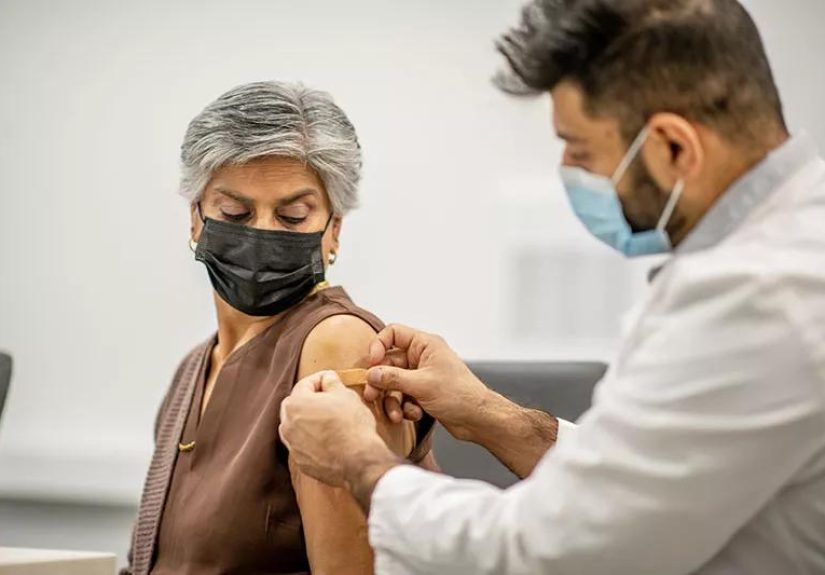
Most people do not have serious problems after pneumococcal vaccination. The most common side effects are mild and short-lived. Your arm may be sore, red, or swollen where the shot was given. You might feel tired or develop a headache, muscle aches, joint pain, chills, or a mild fever.
These reactions usually go away within a couple of days. A cold pack, fluids, rest, and over-the-counter pain reliefif you can take it safelymay help. Serious allergic reactions are rare, but you should seek medical care right away if you develop symptoms such as trouble breathing, swelling of the face or throat, fast heartbeat, dizziness, or widespread hives after vaccination.
Can I Get the Vaccine If I Have a Cold?
Usually, yes. Mild illness, such as a cold, is generally not a reason to delay vaccination. If you are moderately or severely ill, your provider may recommend waiting until you recover. When in doubt, ask before rolling up your sleeve.
Who Should Talk to a Doctor Before Getting It?
You should talk with a healthcare provider before getting a pneumococcal vaccine if you have had a severe allergic reaction to a previous pneumococcal vaccine, a vaccine containing diphtheria toxoid, or any vaccine ingredient. You should also mention pregnancy, immune-suppressing conditions, recent vaccines, and any history of serious vaccine reactions.
This does not mean you cannot be vaccinated. It simply means your provider should help weigh benefits, timing, and safety. Medicine is not a vending machine; it works best when someone looks at the whole picture.
Pneumonia Vaccine vs. Flu Shot vs. COVID Shot
The pneumococcal vaccine is not the same as the flu shot or COVID-19 vaccine. They protect against different germs. However, respiratory infections can overlap in the real world. Flu or COVID-19 can weaken the body and may raise the chance of secondary bacterial pneumonia in some people.
That is why many adults benefit from staying current on several recommended vaccines, including flu, COVID-19, RSV when eligible, shingles, Tdap, and pneumococcal vaccination. Your provider can help space or combine vaccines appropriately. Yes, adulting now includes vaccine scheduling. No one warned us, but here we are.
Common Myths About the Pneumonia Vaccine
Myth 1: “The Vaccine Gives You Pneumonia”
Pneumococcal vaccines do not cause pneumococcal disease. They train your immune system to recognize parts of the bacteria. You may feel temporarily achy or tired afterward, but that is not the same as getting pneumonia.
Myth 2: “I’m Healthy, So I Don’t Need It”
Healthy habits matter, but age and exposure still matter too. Adults age 50 and older are recommended to receive pneumococcal vaccination if they have not already received a pneumococcal conjugate vaccine. Younger adults with certain health conditions may also need it.
Myth 3: “I Had Pneumonia Once, So I’m Immune”
Having pneumonia once does not reliably protect you from getting pneumococcal disease again. Many bacteria and viruses can cause pneumonia, and pneumococcal bacteria include multiple serotypes. Past illness is not a substitute for vaccination.
How to Decide: A Simple Checklist
Ask yourself these questions:
- Am I age 50 or older?
- Do I have asthma, COPD, diabetes, heart disease, kidney disease, liver disease, or another chronic condition?
- Do I smoke cigarettes?
- Do I have a weakened immune system?
- Do I have a cochlear implant or cerebrospinal fluid leak?
- Have I ever received PCV15, PCV20, PCV21, PCV13, or PPSV23?
- Can my doctor, pharmacist, or state immunization record confirm my vaccine history?
If you answered yes to the first question, or yes to one of the risk-factor questions, it is worth discussing pneumococcal vaccination soon. If you do not know your vaccine history, that is also a reason to ask.
Practical Tips Before You Get the Shot
First, bring your vaccine record if you have one. Second, ask which pneumococcal vaccine you are receiving and whether you will need another dose later. Third, confirm insurance coverage, especially if you use Medicare Advantage or a private plan with network rules. Fourth, schedule the shot when a sore arm will not ruin your plans to move furniture, play tennis, or dramatically carry every grocery bag in one trip.
After vaccination, keep a record of the vaccine name and date. This can save you confusion later, especially because pneumococcal vaccine recommendations depend heavily on what you already received.
Real-Life Experiences: What Getting the Pneumonia Vaccine Can Feel Like
Many people approach the pneumonia vaccine with a very normal thought: “Do I really need another shot?” That reaction is understandable. Adults already juggle flu shots, COVID boosters, shingles vaccines, tetanus boosters, dental appointments, eye exams, and the mysterious annual urge to buy vitamins in January. Adding one more vaccine can feel like your calendar is being managed by a very cautious pharmacist.
But in real life, the experience is usually simple. Imagine a 56-year-old office manager named Karen. She feels healthy, walks most evenings, and considers herself “not a pneumonia person,” which is charming but not medically binding. At her annual checkup, her doctor asks about vaccines and explains that adults age 50 and older should consider pneumococcal vaccination if they have not already received a PCV. Karen gets PCV20 at the clinic. Her arm feels sore that night, and she skips upper-body weights the next day. By the second morning, she is back to normal and slightly proud that she handled preventive care before her coffee got cold.
Now picture Marcus, 42, who has asthma. He does not think of himself as high-risk because his inhaler works well and he can still chase his kids around the backyardbriefly, with negotiations. During a pharmacy visit for a flu shot, the pharmacist asks whether he has received a pneumococcal vaccine. Marcus checks with his primary care provider and learns that adults under 50 with asthma may be recommended for vaccination. He gets the shot a week later. For him, the biggest surprise is not the side effect, which is mild arm tenderness, but the realization that “healthy enough” and “not at increased risk” are not always the same thing.
Then there is the caregiver experience. Adult children often encourage parents to get vaccinated after seeing how quickly respiratory illness can knock someone down. A 72-year-old parent with diabetes, for example, may recover more slowly from pneumonia than a younger adult. Families who have dealt with hospitalization often become very practical about prevention. They are not trying to bubble-wrap Grandma; they are trying to keep her out of a hospital gown that opens in the back and has absolutely no respect for dignity.
Some people feel nervous because they have heard vaccine recommendations changed. That is true: recommendations do evolve as new vaccines become available and experts review new data. This does not mean the guidance is random. It means public health recommendations are updated as the science, vaccine options, and disease patterns change. The best move is to ask a provider to review your specific history rather than relying on a memory of what was recommended ten years ago.
The most common post-shot experience is boringin the best way. A sore arm. Maybe fatigue. Maybe a little achiness. Then life continues. Preventive care rarely comes with fireworks. Its success often looks like nothing happening: no severe infection, no emergency room visit, no panicked search for a thermometer at 2 a.m. That quiet outcome is exactly the point.
Conclusion: Should You Get the Pneumonia Vaccine?
If you are age 50 or older, the pneumonia vaccine is likely something you should discuss with your healthcare provider or pharmacist, especially if you have never received a pneumococcal conjugate vaccine or are unsure of your history. If you are 19 to 49 and have certain health conditions or risk factors, you may also be eligible.
The pneumococcal vaccine is not a guarantee against every type of pneumonia, but it is a smart layer of protection against serious disease caused by pneumococcal bacteria. For many people, the decision is less about fear and more about common sense: a quick shot now may help prevent a much bigger health problem later.
So, should you get the pneumonia vaccine? If you are eligible, probably yesbut the best answer comes from matching your age, medical history, and vaccine record with current recommendations. Ask at your next checkup or pharmacy visit. Your future lungs may not send a thank-you card, but they would probably approve.