Table of Contents >> Show >> Hide
- Why Sesame and Ginger Work So Well With Halibut
- What You Need for Sesame Ginger Broiled Halibut
- Sesame Ginger Broiled Halibut Recipe
- How to Make It Taste Restaurant-Level Good
- What to Serve With Sesame Ginger Broiled Halibut
- Common Mistakes to Avoid
- Is Halibut Healthy?
- How to Buy the Best Halibut for This Recipe
- FAQ About Sesame Ginger Broiled Halibut
- The Experience of Making Sesame Ginger Broiled Halibut at Home
- Final Thoughts
- SEO Tags
If dinner has been feeling a little too “chicken again?” lately, let halibut sweep in wearing a sesame-and-ginger tuxedo. This sesame ginger broiled halibut recipe is fast, fresh, and full of bold flavor without becoming one of those overly complicated restaurant-style meals that somehow uses every bowl in your kitchen. The fish stays tender and flaky, the glaze turns savory-sweet with a little edge from fresh ginger, and the broiler does the heavy lifting like a dependable kitchen sidekick.
Halibut is a smart pick for this kind of recipe because it has a mild flavor and a firm texture that can stand up to a soy-forward glaze. It does not disappear under strong seasonings, but it also does not fight back. In other words, it is the kind of fish that plays nicely with sesame, garlic, scallions, and a little honey. That balance makes this dish ideal for weeknights, date nights, and those evenings when you want to feel impressive without actually suffering for it.
Below, you will find a full sesame ginger broiled halibut recipe, step-by-step cooking tips, serving ideas, common mistakes to avoid, and a longer section on the experience of making and eating it at home. If you love easy seafood dinners, broiled fish recipes, or anything with ginger soy glaze energy, this one deserves a spot in your rotation.
Why Sesame and Ginger Work So Well With Halibut
Halibut has a clean, lightly sweet flavor, so it acts like a blank canvas in the best possible way. It absorbs surrounding flavors without losing its own personality. Sesame oil brings nutty depth, ginger adds brightness and warmth, soy sauce supplies umami and salt, and a touch of honey or maple rounds everything out so the glaze tastes balanced instead of aggressively sharp.
Broiling is also a perfect match for this flavor profile. High heat quickly cooks the fish while helping the glaze caramelize in spots. That means you get contrast: tender fish underneath, glossy savory-sweet flavor on top, and just enough charred edge to make everyone at the table think you definitely know what you are doing.
What You Need for Sesame Ginger Broiled Halibut
Main Ingredients
- 4 halibut fillets, about 6 ounces each and 1 inch thick
- 3 tablespoons low-sodium soy sauce
- 1 tablespoon toasted sesame oil
- 1 tablespoon rice vinegar
- 1 tablespoon honey or maple syrup
- 1 tablespoon freshly grated ginger
- 2 garlic cloves, minced
- 1 teaspoon neutral oil, such as avocado or canola oil
- 2 teaspoons sesame seeds
- 2 scallions, thinly sliced
- 1/4 teaspoon crushed red pepper flakes, optional
- Freshly ground black pepper, to taste
- Lime wedges or lemon wedges, for serving
Optional Add-Ons
- 1 teaspoon mirin for a slightly sweeter glaze
- 1 teaspoon grated orange zest for a citrus lift
- Steamed jasmine rice or brown rice for serving
- Baby bok choy, snap peas, or broccoli on the side
Sesame Ginger Broiled Halibut Recipe
Prep Time, Cook Time, and Yield
Prep time: 15 minutes
Marinating time: 15 to 20 minutes
Cook time: 8 to 10 minutes
Total time: About 40 minutes
Yield: 4 servings
Instructions
- Prep the fish. Pat the halibut fillets dry with paper towels. This matters more than people think. Dry fish browns better, cooks more evenly, and does not steam itself into sadness.
- Make the marinade. In a small bowl, whisk together the soy sauce, sesame oil, rice vinegar, honey, grated ginger, garlic, neutral oil, and red pepper flakes if using.
- Marinate briefly. Place the halibut in a shallow dish or zip-top bag and pour about two-thirds of the marinade over the fillets. Reserve the remaining marinade for brushing later. Let the fish marinate in the refrigerator for 15 to 20 minutes. Do not leave it there forever. Halibut is delicate enough that an overly long soak can affect texture.
- Set up the broiler. Position an oven rack about 5 to 6 inches from the heat source. Preheat the broiler. Line a baking sheet or broiler-safe pan with foil for easy cleanup, then lightly oil it.
- Arrange the fillets. Remove the halibut from the marinade and place it on the prepared pan. Sprinkle with black pepper. Discard the used marinade.
- Broil the fish. Broil for 4 to 5 minutes. Open the oven, brush the tops with the reserved marinade, rotate the pan, and broil for another 3 to 5 minutes, depending on thickness.
- Check for doneness. The fish should flake easily with a fork and reach 145°F in the thickest part. The center should look opaque and moist, not dry and chalky.
- Finish and serve. Sprinkle with sesame seeds and scallions. Add a squeeze of lime or lemon right before serving for brightness.
How to Make It Taste Restaurant-Level Good
1. Use Fresh Ginger, Not Ginger Dust From the Spice Graveyard
Fresh ginger makes a huge difference here. It gives the glaze a bright, sharp flavor that powdered ginger simply cannot mimic. Powdered ginger has its place, but this recipe is not asking for shortcuts dressed as solutions.
2. Keep the Marinating Time Short
Soy sauce, vinegar, and aromatics work quickly. Fifteen to twenty minutes is enough to flavor the fish without turning the surface mushy. This is one of those rare recipes where patience is good, but too much patience is not invited.
3. Toast Sesame Seeds if You Have a Few Extra Minutes
If your sesame seeds are raw, toast them in a dry skillet for a few minutes until fragrant. That tiny step adds a nutty finish that makes the whole dish taste more complete.
4. Watch the Broiler Like It Owes You Money
Broilers are fast, dramatic, and slightly chaotic. Fish can go from perfect to overdone in a blink. Start checking early, especially if your fillets are on the thinner side.
What to Serve With Sesame Ginger Broiled Halibut
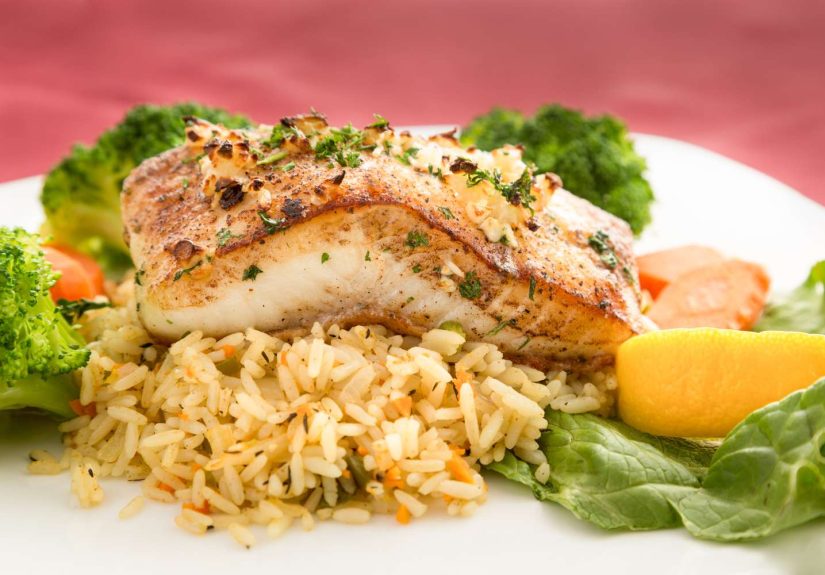
The best side dishes for sesame ginger broiled halibut keep the meal balanced and let the fish stay the star. A fluffy bowl of jasmine rice is the obvious winner because it catches the extra glaze like a champ. Brown rice works too, especially if you want a nuttier flavor. If you want vegetables, steamed bok choy, garlicky green beans, roasted broccoli, or snap peas are all excellent choices.
For a fresher plate, serve the halibut over shredded cabbage tossed with rice vinegar and a little sesame oil. A cucumber salad with scallions and lime also pairs beautifully with the warm ginger notes in the fish. If you are entertaining, add a platter of roasted baby potatoes and call it a night. Nobody will complain.
Common Mistakes to Avoid
Overcooking the Halibut
Halibut is lean, which means it can dry out if left under the broiler too long. Pull it as soon as it flakes and reaches a safe internal temperature.
Using Too Much Sesame Oil
Toasted sesame oil is powerful. That is part of its charm. But too much can overpower the fish and make the glaze taste heavy. A tablespoon is enough to bring the nutty flavor without hijacking the meal.
Skipping the Dry Pat
If you do one tiny thing right, let it be this: pat the fish dry before marinating. Moisture on the surface makes broiling less effective and can dilute the glaze.
Crowding the Pan
Give the fillets a little breathing room. If they are packed together, they steam instead of broil, and that gorgeous glossy finish becomes a missed opportunity.
Is Halibut Healthy?
Halibut is a lean source of protein and provides nutrients like selenium, niacin, phosphorus, and vitamin B12. It is a satisfying option when you want seafood that feels substantial without being overly rich. Because this recipe uses a modest amount of oil and leans on strong aromatics for flavor, it stays lighter than many creamy or butter-heavy fish dishes while still tasting luxurious.
If you are shopping for seafood regularly, it is also smart to vary the types of fish you eat. That keeps your meals interesting and helps you build a more balanced seafood routine overall. For most home cooks, halibut is a great occasional upgrade fish: elegant enough for company, easy enough for Tuesday.
How to Buy the Best Halibut for This Recipe
Look for fillets that smell clean and mild, not aggressively fishy. The flesh should look moist and firm, not dull or dried out around the edges. If you are buying frozen halibut, that can still be an excellent option. Just thaw it slowly in the refrigerator and pat it dry very well before using.
Try to choose fillets that are similar in thickness so they cook at the same rate. If one piece is much thinner than the others, it may finish early and dry out while the thicker fillets catch up. Uniformity is not the most glamorous shopping tip, but it saves dinner.
FAQ About Sesame Ginger Broiled Halibut
Can I use another fish?
Yes. Cod, sablefish, sea bass, or salmon can work well with a sesame ginger glaze. Just adjust the timing based on thickness and fat content.
Can I bake it instead of broil it?
Absolutely. Bake at 425°F for about 10 to 14 minutes, then finish under the broiler for 1 to 2 minutes if you want extra color on top.
Can I make it ahead?
You can whisk together the marinade several hours ahead and slice your garnishes in advance. For the best texture, broil the fish right before serving.
What if I do not have rice vinegar?
Lime juice or lemon juice works well. The flavor changes a little, but the recipe still lands in a very happy place.
The Experience of Making Sesame Ginger Broiled Halibut at Home
There is something unusually satisfying about this recipe from the very first step. Maybe it is the smell of fresh ginger hitting the cutting board, or maybe it is the quiet confidence that comes from knowing dinner is not going to take all night. Either way, sesame ginger broiled halibut feels like one of those meals that punches above its weight. It looks polished, tastes layered, and still leaves you with enough energy to enjoy the evening instead of collapsing in a pile of dirty dishes and regret.
The experience starts with the marinade. When soy sauce, sesame oil, honey, ginger, and garlic come together in a bowl, the aroma is immediate and bold. It smells like the kind of dinner that should come with dramatic lighting and a cloth napkin. As the halibut sits in that mixture for a few minutes, you already get the sense that something good is on the way. There is no marathon prep, no strange ingredient scavenger hunt, and no moment where you wonder whether you accidentally signed up for culinary boot camp.
Then comes the broiler, which is where the recipe gets its personality. Broiling has a little theater to it. The oven is hot, the fish cooks fast, and you know you need to pay attention. That tiny bit of urgency makes the process feel exciting rather than tedious. As the glaze begins to bubble and darken at the edges, the kitchen fills with a savory, nutty aroma that smells far fancier than the effort involved. The sesame and ginger do not just sit politely on top of the fish. They announce themselves.
What makes the dish especially enjoyable is the contrast in textures and flavors once it hits the plate. The halibut stays tender and flaky, but the top picks up just enough caramelized glaze to create a richer bite. The scallions bring freshness, the sesame seeds add a little crunch, and a squeeze of lime wakes the whole thing up right before serving. If you spoon some of that extra glaze over rice, it turns into the sort of dinner moment that makes people go silent for a minute. That is usually a good sign.
It is also a very adaptable recipe in real life. On a busy weeknight, you can serve it with plain rice and steamed broccoli and feel like you absolutely nailed dinner. For a more relaxed weekend meal, you can add a cucumber salad, roasted vegetables, and maybe a cold drink that makes you feel suspiciously organized. The dish has range. It can be quick and practical, or it can dress itself up and pretend it belongs at a dinner party.
Another underrated part of the experience is that this recipe tends to convert people who think they are unsure about fish. Because halibut is mild and the glaze is familiar, it feels approachable. The flavors are assertive enough to be exciting but not so intense that they scare off cautious eaters. Even people who usually claim they “do not really do seafood” often find themselves reaching for another bite. Sesame ginger is persuasive like that.
Perhaps the best thing about making sesame ginger broiled halibut is that it leaves behind a sense of competence. You made fish at home. It tasted fresh, balanced, and beautifully cooked. You did not drown it in cream or breadcrumbs to make it interesting. You just used smart flavor, high heat, and good timing. That is a deeply satisfying kitchen win. And once you make it once, it becomes the kind of recipe you start thinking about again whenever you spot a good-looking fillet at the market. That is how keepers are born.
Final Thoughts
Sesame ginger broiled halibut is the kind of recipe that proves seafood at home does not need to be intimidating, bland, or wildly expensive-looking to feel special. It is quick enough for a weeknight, elegant enough for guests, and flavorful enough to earn repeat requests. The sesame-ginger-soy combination brings depth, the broiler keeps things simple, and halibut delivers that beautiful firm-yet-flaky bite that makes a fish dinner feel truly worth it.
If you want a reliable broiled halibut recipe with big flavor and minimal fuss, this is the one to bookmark. It is fresh, fast, and just dramatic enough to keep dinner interesting.