Table of Contents >> Show >> Hide
- Quick Verdict (For Busy Humans)
- What Is Seed DS-01 (And What Makes It Different)?
- Reality Check: What Probiotics Can (and Can’t) Do in 2025
- Inside DS-01: Ingredients, Strains, and “AFU” Explained
- Quality, Testing, and Supplement Reality
- Evidence: Does Seed DS-01 “Work”?
- Who Should Consider Seed (and Who Should Skip It)?
- How to Take Seed DS-01 (Without Making Your Gut Mad)
- Cost and Subscription: Is Seed Worth the Price?
- Pros and Cons
- How Seed Compares to “Regular” Probiotics
- Bottom Line
- Real-World Experiences (About ): What It’s Like to Actually Take Seed DS-01
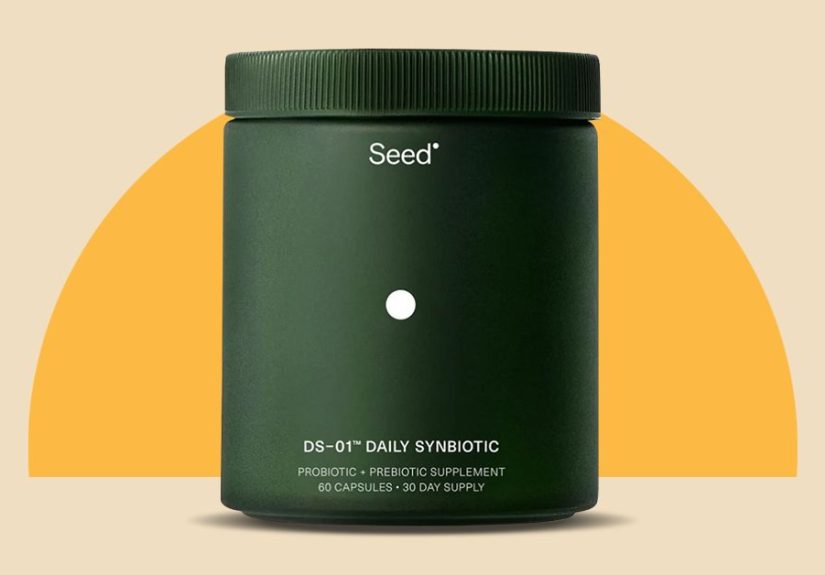
If you’ve ever stared at the probiotic aisle like it’s a calculus test (“Do I want 10 billion CFUs or 100 billion CFUs? And why does this bottle look like it needs a tiny lawyer?”), you’re not alone. Probiotics live in a weird space between real science and extremely confident marketing. Seed’s flagship product, DS-01® Daily Synbiotic, is one of the most talked-about premium optionsbuilt around a multi-strain formula, a “precision” capsule design, and a subscription model that screams, “We’re serious about your gut’s calendar.”
This 2025 expert review breaks down what Seed is, what’s inside DS-01, what the evidence actually says about probiotics/synbiotics, and whether Seed’s premium price tag is justified. We’ll keep it evidence-based, practical, and only mildly judgmental about the fact that we’re all trying to optimize our intestines now.
Quick Verdict (For Busy Humans)
- Best for: People who want a high-transparency synbiotic, care about strain details/testing, and don’t mind paying premium subscription pricing.
- Not ideal for: Anyone expecting a miracle, anyone on a tight budget, or people with medical conditions where probiotics may be risky without clinician guidance.
- Biggest strengths: Detailed strain identification, a clear acclimation protocol, shelf-stable packaging, and a serious quality/testing narrative.
- Biggest watch-outs: Probiotic benefits are strain- and condition-specific, and overall evidence for many “general gut health” claims is mixed.
What Is Seed DS-01 (And What Makes It Different)?
Seed is a microbiome-focused supplement company best known for DS-01® Daily Synbiotic. “Synbiotic” means it combines probiotics (live microorganisms) and prebiotics (food for beneficial microbes). Seed positions DS-01 as a daily, adult-focused formula intended to support digestion and broader “systemic” benefits.
The “capsule-in-capsule” idea
One of Seed’s signature claims is its delivery technology (often described as a capsule system designed to protect microbes through stomach acid and release them further down the GI tract). In plain English: DS-01 tries to solve a classic probiotic problemgetting enough live organisms to where they’re supposed to go.
Reality Check: What Probiotics Can (and Can’t) Do in 2025
Let’s set expectations like adults. Probiotics can be helpful in specific situations, but they’re not universally effective for everyone or every symptom. Major GI guidelines have historically been cautious about recommending probiotics broadly for many digestive disorders because results are inconsistent across studies and products.
Why results are so mixed
- Strain specificity: “Lactobacillus” is not one thing. Even within the same species, different strains can behave differently.
- Dose and viability: The amount that’s alive at the time you take it matters. (Labels don’t always match reality in the supplement world.)
- Your baseline microbiome: People start in different placesdiet, stress, sleep, medications, and genetics all influence the gut ecosystem.
- Outcome mismatch: Some studies measure bowel movement frequency, others measure bloating, others measure lab markers. Comparing them can be like comparing apples to… kombucha.
Inside DS-01: Ingredients, Strains, and “AFU” Explained
DS-01 is built around 24 probiotic strains plus a prebiotic component. Seed uses “AFU” (Active Fluorescent Units) rather than the more common CFU (Colony Forming Units). The argument: CFU only counts cells that grow well in lab conditions, while AFU aims to capture viable cells more broadly.
Seed’s blend approach
Rather than treating all strains like one big anonymous crowd, DS-01 groups strains into functional “blends,” including digestive/gut barrier support, dermatological health, cardiovascular health, and micronutrient synthesis supportplus a prebiotic/polyphenol component (from pomegranate).
What I like about the label
- Specific strain IDs: Many brands stop at the species name. Seed lists strain designations, which is a meaningful upgrade for transparency.
- Clear acclimation protocol: Starting slow is sensible because GI side effects (gas, changes in stool) can happen when introducing probiotics.
- Prebiotic choice: A non-fermenting or polyphenol-based prebiotic angle can matter for people who don’t tolerate highly fermentable fibers well.
Quality, Testing, and Supplement Reality
Supplements are not regulated like prescription drugs, and brands can legally make certain “structure/function” claims (for example, “supports digestion”) as long as they include required disclaimers and avoid disease-treatment claims. Translation: it’s on you to judge quality signals.
What to look for in any probiotic brand
- Third-party testing: For purity/contaminants and label accuracy (when available).
- Full strain identification: Especially if you’re trying to match a product to evidence for a specific use.
- Potency guarantees: “At time of manufacture” is less reassuring than “through expiration.”
- Clear storage instructions: Shelf-stable isn’t automatically better, but it’s convenient if real-world life includes travel and forgetting things.
How DS-01 stacks up on quality signals
Seed emphasizes a robust testing framework and detailed strain documentation. Independent reviewers have also noted third-party testing and potency confirmation as part of Seed’s quality positioning. That doesn’t automatically prove the product will work for youbut it does address a common weak point in the probiotic category: uncertainty about what you’re actually getting.
Evidence: Does Seed DS-01 “Work”?
Here’s the most honest answer: it depends on what you mean by “work.”
If your goal is “better digestion”
Many people take probiotics for bloating, irregularity, and day-to-day GI discomfort. Some individuals do report symptom improvement with multi-strain probiotics or synbiotics, especially when their symptoms are mild to moderate and not driven by an underlying disease that needs medical treatment.
If your goal is treating a diagnosed GI condition
Guidelines have often been conservative about probiotics for many GI disorders because the evidence varies widely depending on the condition and the exact probiotic strains used. For diagnosed conditions (IBS, IBD, chronic GI disease), it’s smart to treat probiotics as something to discuss with a cliniciannot a replacement for proven therapies.
About Seed’s clinical research posture
Seed has pointed to ongoing and completed clinical research evaluating DS-01. That’s a positive signal (many supplements never get near a clinical trial), but it’s also important to separate three different things:
- Clinical trials on the exact product (best evidence for DS-01 specifically)
- Clinical trials on individual strains (useful, but not identical to the full formula)
- Mechanistic or lab studies (interesting, but not the same as real-world outcomes)
Who Should Consider Seed (and Who Should Skip It)?
Consider DS-01 if…
- You want a premium synbiotic with strain-level transparency and a heavy testing narrative.
- You’ve tried “generic” probiotics and felt like you bought expensive chalk dust.
- You value shelf stability and travel-friendly routines.
- You’re mainly targeting everyday digestive comfort (bloating, irregularity, mild GI disruption), not curing disease.
Skip (or talk to a clinician first) if…
- You are immunocompromised, severely ill, have a central venous catheter, or have complex medical issues where probiotic-related infection risk may be higher.
- You’re pregnant, managing a chronic condition, or taking medications and want to avoid surprisescheck first.
- You’re hoping one supplement will fix a diet that contains approximately zero fiber and 60% caffeine.
How to Take Seed DS-01 (Without Making Your Gut Mad)
Seed provides an acclimation protocol: start with one capsule daily for three days, then increase to two capsules daily. Many people do best taking it consistently at the same time each day. If you notice temporary GI effects (gas, stool changes), that can happen early on with probiotics; reducing the dose temporarily or taking with food may help some people tolerate the adjustment.
Pro tip: focus on consistency, not mega-dosing
More isn’t always better. A reasonable, consistent routineplus basic microbiome-friendly habits (fiber, hydration, sleep)often beats “I took 80 billion CFUs once and now I’m a new person.”
Cost and Subscription: Is Seed Worth the Price?
In 2025, DS-01 is typically positioned around $49.99/month via subscription (with multi-month options sometimes priced lower per month). That puts it in the premium tier.
When the cost makes sense
- You prioritize quality signals (testing, strain transparency, delivery system).
- You want a product you’ll actually remember to take because the routine is simple.
- You’re comparing it to other premium supplements, not to grocery-store yogurt.
When it doesn’t
- You’re experimenting and not sure probiotics help you at all.
- Your main goal could be met more reliably with diet changes (especially increasing fiber and fermented foods).
- You’re likely to stop after two weeks because life happenedand your bottle became a very expensive desk decoration.
Pros and Cons
Pros
- Strong transparency: detailed strains and blend rationale
- Clear dosing/acclimation guidance
- Shelf-stable and travel-friendly packaging
- Quality/testing emphasis (a major category differentiator)
Cons
- Premium price and subscription model
- Evidence for many probiotic outcomes remains mixed and individualized
- Early GI side effects can occur (common with many probiotics)
- If you want a “targeted clinical probiotic” for a specific diagnosis, you may need clinician-guided selection
How Seed Compares to “Regular” Probiotics
Most mainstream probiotics compete on big CFU numbers and vague promises. Seed competes on a different set of signals: strain IDs, testing documentation, delivery tech, and a synbiotic strategy that includes a polyphenol-based prebiotic angle.
That can be worth it if you’re the kind of buyer who wants receipts. If you’re the kind of buyer who wants “something cheap to try,” Seed may feel like using a Tesla to pick up one lemon.
Bottom Line
Seed DS-01 is one of the more thoughtfully positioned synbiotics on the market in 2025not because probiotics are magic, but because Seed addresses real pain points: viability, transparency, and quality control. That said, even a high-quality probiotic can’t guarantee results for everyone, and the strongest microbiome “stack” is still boring: fiber, diverse plants, fermented foods, sleep, and stress management.
If you’re curious, treat DS-01 like a structured experiment: commit to a consistent routine for several weeks, track a small set of symptoms (bloating, stool consistency, comfort), and don’t change ten other things at the same timeunless your goal is to create a mystery novel starring your intestines.
Real-World Experiences (About ): What It’s Like to Actually Take Seed DS-01
Let’s talk about the part that doesn’t fit neatly into a supplement facts panel: what people commonly experience when they start a synbiotic like Seed DS-01. Not clinical-trial graphsreal-life “I have meetings and coffee and a nervous system” territory.
Week 1: The “New Roommate” phase. Many people notice mild changes early on: a little extra gas, a different stool pattern, or a brief uptick in rumbling. This isn’t unique to Seedintroducing new microbes (and prebiotic compounds that interact with microbes) can shift fermentation patterns and gut motility. Seed’s acclimation protocol (starting with one capsule daily, then moving to two) is basically the supplement equivalent of letting your gut meet the new roommates before you all sign a lease together. If you’re sensitive, taking it with food or splitting the dose (one in the morning, one later) can feel gentler for some people.
Weeks 2–3: The “Is this doing anything?” phase. This is where expectations matter. A lot of probiotic marketing implies you’ll wake up with a perfectly curated microbiome and the glowing confidence of someone who drinks kefir unironically. In real life, changesif they happentend to be subtle: less post-meal heaviness, slightly more regular bowel movements, or bloating that doesn’t linger as long. Some people notice nothing at all. That doesn’t automatically mean the product is “bad.” It might mean your symptoms weren’t driven by something a probiotic can meaningfully change, or your baseline diet and routines are the bigger drivers.
Weeks 3–6: The “pattern recognition” phase. If DS-01 agrees with you, this is often when you can judge whether it’s worth continuing. People who benefit often describe more predictable digestionfewer surprise stomach moments, less “why do my jeans feel like a personal attack after lunch,” and better day-to-day comfort. If you’re tracking symptoms, keep it simple: rate bloating and comfort on a 1–10 scale, note bowel regularity, and log major disruptors (travel, antibiotics, unusually high stress). Without tracking, it’s easy to credit (or blame) the probiotic for what was actually a chaotic week of takeout and existential dread.
Travel and routine: where Seed’s design matters. A shelf-stable product plus a travel vial sounds smalluntil you’re on a trip, eating differently, sleeping weirdly, and your gut is acting like it filed a complaint with HR. People who stick with DS-01 often cite convenience as part of adherence: it’s easier to keep a routine when you don’t need refrigeration or complicated timing rules.
The most common “wins” are boring (and that’s good). When probiotics help, they typically help in everyday waysmore consistency, less discomfortnot dramatic overnight transformations. Think “my gut stopped being a diva,” not “I achieved intestinal enlightenment.” And if you don’t notice benefits after a fair trial, that’s useful data too. A probiotic should earn its spot in your budget. Your wallet deserves evidence-based love.