Table of Contents >> Show >> Hide
- What Is Salsa a la Huancaína?
- Why This Sauce Works (A Little Food Science, Without the Lab Coat)
- Ingredients You’ll Need
- Easy Salsa a la Huancaína Recipe
- How to Serve Huancaína Sauce
- Smart Substitutions (So You Can Still Make It Tonight)
- Troubleshooting: Fix Common Huancaína Problems
- Storage and Food Safety
- FAQ
- Conclusion
- Kitchen Experiences and Serving Stories (Because This Sauce Deserves a Little Spotlight)
If nacho cheese and a sunshine-yellow pepper sauce had a very stylish, very creamy baby, it would be salsa a la huancaína.
This iconic spicy cheese sauce is smooth, tangy, and just the right kind of boldlike it knows it looks good on potatoes.
The best part? You can make it in about 10 minutes with a blender and a handful of easy-to-find ingredients.
In this guide, you’ll get an authentic, home-cook-friendly huancaína sauce recipe, plus smart substitutions, serving ideas,
and troubleshooting tips so your sauce turns out velvetynot broken, gritty, or “why is it doing that?”.
What Is Salsa a la Huancaína?
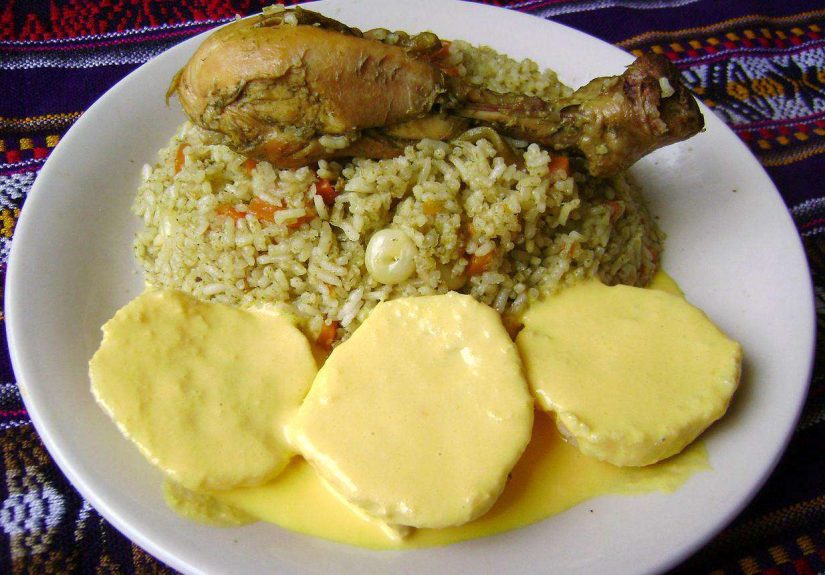
Salsa a la huancaína (also called huancaína sauce) is a creamy, spicy cheese sauce flavored with ají amarilloan orange-yellow
chili known for fruity heat. The sauce is traditionally blended until silky and served over sliced potatoes as part of the classic
dish papa a la huancaína, often garnished with lettuce, hard-boiled eggs, and black olives.
The vibe is “comfort food with swagger.” It’s rich but not heavy, spicy but not reckless, and tangy enough to keep you coming back
for “just one more bite” until the plate mysteriously becomes clean.
Why This Sauce Works (A Little Food Science, Without the Lab Coat)
Ají amarillo brings flavor, not just heat
Ají amarillo is famous for tasting a bit fruity and bright, which keeps huancaína from becoming one-note “spicy cheese.”
If you’re used to jalapeño-style heat, think of ají amarillo as more aromatic and rounded.
Evaporated milk = creamy and stable
Many huancaína recipes use evaporated milk instead of regular milk because it’s concentrated and tends to blend into a smooth,
stable sauce. Translation: it helps you get that restaurant-style creaminess without needing fancy emulsifiers.
Crackers (or bread) thicken and smooth
Saltine crackers are a classic thickener here. They add starch that helps the sauce feel creamy and cohesivealmost like a shortcut
to a perfectly blended, spoon-coating texture. No one has to know your secret ingredient came from the snack aisle.
Blending + oil = that glossy, spoonable finish
Drizzling oil in while blending helps the sauce emulsify (basically, it encourages everything to stay together).
That’s how you get a sauce that looks silky instead of separating into “oil on top, mystery underneath.”
Ingredients You’ll Need
Here’s the core lineup. You can adjust the spice level and thickness without changing the overall character of the sauce.
Essential ingredients
- Ají amarillo paste (jarred) or prepared ají amarillo purée
- Queso fresco (or a mild, crumbly white cheese)
- Evaporated milk
- Saltine crackers (or torn white bread)
- Garlic
- Neutral oil (vegetable or canola)
- Salt and pepper
Optional flavor boosters
- Onion (blended raw for bite, or sautéed for sweetness)
- Lime juice (for brightness)
- A pinch of turmeric (optional, for extra golden color)
Where to find ají amarillo in the U.S.
Look in Latin American grocery stores, well-stocked international aisles, or online. You’ll most often see it as a jarred paste,
which is perfect for quick huancaína. If you find frozen whole peppers, those also workjust remove seeds/ribs for less heat.
Easy Salsa a la Huancaína Recipe
Yield: About 1 1/2 cups (6–8 servings as a topping or dip)
Time: 10 minutes (15 minutes if you sauté onion/garlic)
Tools: Blender or food processor
Ingredients
- 1/2 cup ají amarillo paste (use 2–3 tablespoons for mild, up to 1/2 cup for bold)
- 8 ounces queso fresco, crumbled (about 2 cups loosely packed)
- 3/4 cup evaporated milk, plus more to thin if needed
- 4–6 saltine crackers (or 1/2 cup torn white bread)
- 2 garlic cloves
- 1/4 cup neutral oil (vegetable or canola), plus 1–2 tablespoons if needed for extra silkiness
- 1–2 teaspoons fresh lime juice (optional, but recommended)
- 1/4 teaspoon kosher salt, then more to taste
- Black pepper to taste
- Optional: 2 tablespoons chopped onion (raw or sautéed)
Instructions
-
Build the base: Add ají amarillo paste, queso fresco, evaporated milk, crackers (or bread), garlic, salt, pepper,
and onion (if using) to a blender. -
Blend until smooth: Start on low, then increase to high. Blend 30–60 seconds, scraping down the sides as needed,
until the mixture looks creamy and mostly smooth. -
Emulsify with oil: With the blender running, slowly drizzle in the oil. This helps the sauce become glossy and cohesive.
Blend another 15–30 seconds. -
Adjust texture: If it’s too thick, blend in evaporated milk 1 tablespoon at a time. If it’s too thin, add 1–2 more crackers
and blend again. -
Finish and taste: Add lime juice (if using). Taste and adjust salt, pepper, and spice. Let it sit 5 minutes so the starch
hydrates fully, then re-check thickness.
Optional quick sauté step (for deeper flavor)
If you like a slightly sweeter, rounder sauce, sauté chopped onion and garlic in a teaspoon of oil until soft (2–3 minutes),
cool briefly, then blend as directed. This can tame sharpness and make the sauce taste a little more “slow-cooked,” even when it’s not.
How to Serve Huancaína Sauce
Classic: Papa a la huancaína
Arrange sliced boiled potatoes over lettuce, spoon huancaína sauce generously on top, and finish with sliced hard-boiled eggs and black olives.
It’s simple, iconic, and proof that potatoes deserve to be treated like royalty sometimes.
Modern: Use it like a spicy cheese “everything” sauce
- As a dip: Fries, roasted potatoes, yuca fries, or crunchy veggies
- On proteins: Drizzle over grilled chicken, steak, shrimp, or roasted cauliflower “steaks”
- In bowls: Spoon onto rice bowls, quinoa bowls, or salad bowls instead of ranch
- On sandwiches: Spread on burgers, chicken sandwiches, or roasted veggie wraps
- On brunch: A little on scrambled eggs is wildly underrated
Serving temperature is flexible: huancaína can be served cool, room temperature, or gently warmed. If warming, do it slowly and stir often
so the sauce stays smooth.
Smart Substitutions (So You Can Still Make It Tonight)
If you can’t find queso fresco
Aim for mild and crumbly. Farmer cheese works well. In a pinch, a mix of mozzarella (for meltiness) and feta (for tang) can mimic the flavor.
Keep feta on the lighter side so the sauce doesn’t become overly salty.
If you can’t find ají amarillo paste
The closest flavor match is hard to duplicate, but you can still make a delicious “huancaína-style” sauce. Try one of these options:
- DIY ají amarillo substitute: Use frozen or dried ají amarillo if you can find those and blend into a paste.
- Heat substitute (not identical): Use a small amount of a mild hot chili paste and add a touch of citrus for brightness.
The goal is a pepper flavor that’s more fruity than smoky. If your substitute is very smoky, use less and lean on lime juice to brighten.
If you don’t have evaporated milk
You can use whole milk or half-and-half, but the sauce may be a little less stable and slightly thinner. Start with less liquid and add slowly.
If you use a thicker dairy like half-and-half, you may need less oil to get the same silky texture.
If you don’t have saltines
Torn white bread is a classic stand-in. Plain crackers also workjust avoid strongly flavored ones (no garlic-butter crackers unless you want chaos).
Troubleshooting: Fix Common Huancaína Problems
My sauce is gritty
- Blend longer (seriouslygive it another full minute).
- Use room-temperature cheese and evaporated milk so everything blends smoothly.
- If your cheese is very dry/crumbly, add a splash more evaporated milk and keep blending.
My sauce is too thick
- Add evaporated milk 1 tablespoon at a time and blend briefly after each addition.
- Remember it thickens as it sits, especially if chilled.
My sauce is too thin
- Add 1–2 crackers (or a small piece of bread) and blend again.
- Chill for 20–30 minutes; the starch will firm it up.
My sauce separated
- Blend again on high while drizzling in a teaspoon of oil to re-emulsify.
- If you warmed it aggressively, cool it down and blend again with a splash of evaporated milk.
- Next time: add oil slowly with the blender running, and warm gently if serving hot.
Storage and Food Safety
Store huancaína sauce in an airtight container in the refrigerator. It’s best within 3–4 days.
The sauce will thicken when coldstir well and thin with a splash of evaporated milk if needed.
If you’re serving it at a party, keep it chilled until close to serving time. Like most dairy-based sauces, it shouldn’t sit out for hours.
When in doubt: keep it cool, keep it safe, keep the compliments coming.
FAQ
Is huancaína sauce super spicy?
It can be, but it doesn’t have to be. Start with a smaller amount of ají amarillo paste (2–3 tablespoons), blend, then add more if you want extra kick.
The cheese and evaporated milk naturally mellow the heat.
Can I make it ahead of time?
Yesand it’s actually a great make-ahead sauce. Make it up to a day early, refrigerate, and stir before serving.
If it gets too thick, thin it with evaporated milk and blend briefly.
Can I make it gluten-free?
Absolutely. Swap the saltines for gluten-free crackers or use a small amount of cooked potato as a thickener.
(Yes, potato thickening a potato sauce is very “Perfectionist Potato Energy.”)
Can I make it vegetarian?
Most versions are naturally vegetarian. Just check the cheese and crackers for any unexpected additives, and you’re good.
Conclusion
Salsa a la huancaína is one of those sauces that feels fancy, tastes unforgettable, and yet comes together with a blender and a short grocery list.
Once you nail the creamy balance of ají amarillo, cheese, and evaporated milk, you’ll find yourself putting it on everythingfrom classic potato plates
to weeknight bowls and snack-board dips.
Start mild, blend confidently, and remember: the crackers are not weirdthey’re just quietly doing important work.
Kitchen Experiences and Serving Stories (Because This Sauce Deserves a Little Spotlight)
Huancaína sauce has a funny way of turning a normal meal into a mini event. There’s something about that bright yellow color that makes people ask,
“Waitwhat is that?” before they even taste it. And once they do taste it, the questions usually get more urgent: “What’s in it?” “Is it hard
to make?” “Can you leave the bowl here?” It’s the kind of sauce that gets invited back.
One of the best “huancaína moments” happens when you serve it to someone who thinks they don’t like spicy food. If you start with a gentle amount of
ají amarillo, the sauce reads more as creamy and tangy than fiery. It’s a soft introductionlike a friendly handshake from the pepper instead of a dramatic
high-five to the face. People who are heat-cautious often end up adding a little extra drizzle anyway, because the flavor is the real hook.
It’s also a secret weapon for hosting. You can boil potatoes ahead, chill them, and then plate everything when guests arrive. The sauce can be made a day early,
and it actually behaves better after restingthicker, smoother, more “put-together.” That makes it perfect for the kind of gathering where you want food on the
table quickly, but you also want it to feel special. Add lettuce, eggs, and olives, and suddenly you’ve got a composed dish that looks like you planned your life.
Then there’s the weeknight version: roasted potatoes or fries plus a bowl of huancaína on the side. This is the moment where the sauce stops being “a recipe”
and starts being “a household condiment.” It’s the same glow-up energy as turning plain chicken into something exciting with a great sauce. A quick drizzle makes
leftovers taste intentional, and it can rescue a meal that’s feeling a little too beige.
If you’re cooking for picky eaters, huancaína can be surprisingly flexible. Keep the sauce smooth and mild, serve it as a dip, and let everyone control their
own level of adventure. Add more ají amarillo for the spice-lovers, or thin it slightly and use it like a dressing for bowls and salads. It’s one of those rare
condiments that can play both roles: comforting and bold, familiar and new.
And yespeople will absolutely ask about the crackers. That’s part of the fun. You get to act casual, like “Oh, those? They’re just here for texture,” as if
you didn’t just unlock the cheat code to creamy sauce consistency. Serve it once, and you’ll start noticing opportunities everywhere: on grilled veggies, with
crispy yuca, beside roasted chicken, or even as a slightly spicy sandwich spread. Huancaína doesn’t just sit politely on the plate. It makes friends.