Table of Contents >> Show >> Hide
- What Is Reusable Toilet Paper, Exactly?
- The Pros of Reusable Toilet Paper
- The Cons of Reusable Toilet Paper
- Who Might Like Reusable Toilet Paper?
- Who Should Probably Skip It?
- How to Make Your Own Reusable Toilet Paper
- How to Use Reusable Toilet Paper Without Making It Weird
- How to Clean Reusable Toilet Paper Safely
- Tips for Making Reusable Toilet Paper More Practical
- Common Questions
- Real-World Experiences: What It Often Feels Like to Actually Live With It
- Final Thoughts
Reusable toilet paper sounds like one of those ideas people either greet with a standing ovation or a full-body shiver. There is rarely an in-between. To some, it is a smart, frugal, low-waste swap. To others, it sounds like a terrible plan dreamed up during a paper shortage and never properly workshopped. The truth sits somewhere in the middle.
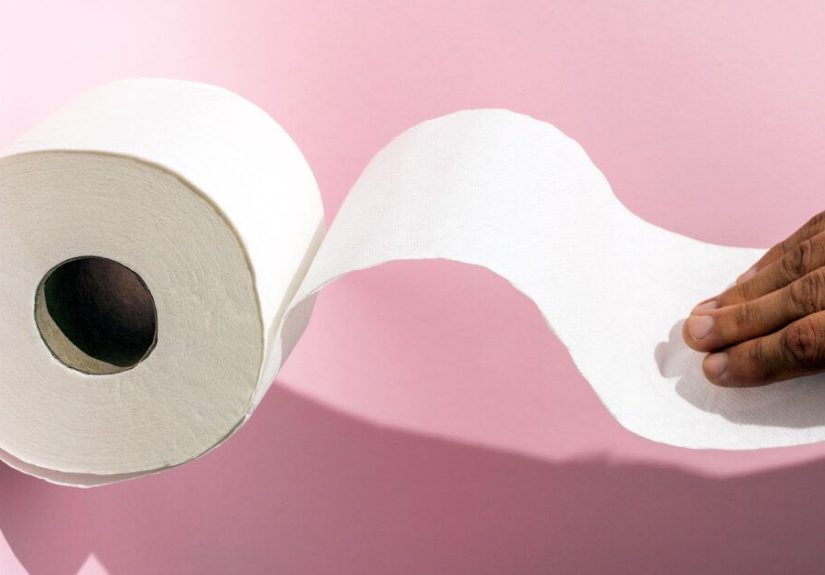
Reusable toilet paper, often called “family cloth,” usually means washable fabric squares used in place of some or all disposable toilet paper. For many households, it is not a total replacement. Instead, it is paired with a bidet, peri bottle, or quick rinse, and the cloth is mostly used for drying. That detail matters. Drying after a water rinse is a very different experience from trying to ask one tiny square of flannel to do the job of a whole roll of toilet paper on a chaotic day.
If you are curious about the idea, this guide walks through the real pros and cons, how to make your own, how to clean it safely, and who should probably skip the experiment altogether. No drama, no doom, and no pretending every sustainable swap is automatically a good fit for every bathroom.
What Is Reusable Toilet Paper, Exactly?
Reusable toilet paper is usually made from soft, washable fabric cut into squares or rectangles. Common materials include cotton flannel, birdseye cotton, old T-shirts, baby washcloths, or soft receiving blankets that have retired from baby duty. Some people roll the cloth around a cardboard tube to mimic a toilet paper roll. Others keep clean squares in a basket and toss used ones into a small lidded bin or wet bag.
In practical terms, reusable toilet paper works best in one of three setups:
- Bidet plus cloth: rinse first, pat dry second.
- Urine-only cloths: use reusable cloth only for pee, and keep regular toilet paper for bowel movements.
- Full family cloth system: use cloth for both, then launder carefully.
That last option is the most committed version, and the one that requires the strongest hygiene routine. This is not a wing-it-and-hope-for-the-best situation.
The Pros of Reusable Toilet Paper
1. It can cut household waste
Disposable toilet paper disappears fast. Reusable cloth does not eliminate every bathroom expense, but it can reduce how many rolls your household burns through in a month. For people trying to lower daily waste, it is one of those swaps that feels surprisingly concrete. You can literally see the shopping list shrink.
2. It may save money over time
The upfront cost is small if you make it yourself from fabric scraps, old pajamas, or worn-out flannel sheets. Even if you buy new fabric, the cloth can last a long time with proper washing. That makes reusable toilet paper attractive to frugal households, especially when paper prices jump and suddenly a package of bathroom tissue looks like it thinks it is luxury real estate.
3. It can be gentler on sensitive skin
Some people find dry toilet paper irritating, especially during hemorrhoids, anal itching, postpartum recovery, or other times when the skin is already annoyed and not interested in further negotiations. Soft cloth used after a rinse can feel less abrasive than repeated wiping with dry paper. The key word here is gentle. No aggressive scrubbing, no fancy perfumed detergents, and no fabric that feels like an old beach towel with emotional baggage.
4. It works well with a bidet
Bidet users are often the most realistic candidates for reusable toilet paper. Water does the cleaning, cloth does the drying, and the whole routine feels less like friction and more like a civilized compromise. This setup can also mean you need fewer cloths per day than you would if you relied on fabric alone.
5. It can be useful during shortages
Anyone who remembers the great toilet paper panic knows bathroom supplies can become weirdly dramatic. Having a stash of washable cloths can make your household more resilient when stores are out of stock or prices spike.
The Cons of Reusable Toilet Paper
1. Hygiene takes real effort
This is the biggest downside and the one that should not be sugarcoated. Reusable toilet paper is not hard in the sense of engineering a spaceship, but it does require a consistent system. You need separate storage for clean and used cloths, a reliable laundry routine, and good handwashing every single time. If your home already struggles to keep track of socks, adding a mini textile sanitation program to the bathroom may not be your best plot twist.
2. It is not for every household
If someone in your home has diarrhea, a stomach bug, a contagious gastrointestinal illness, or a weakened immune system, disposable options may be the simpler and lower-stress choice. The more contamination risk you are dealing with, the less appealing reusable bathroom cloth becomes.
3. Laundry volume goes up
Reusable toilet paper adds another category of laundry, and unlike cute throw blankets or workout leggings, this category does not spark joy. Even a small household can go through a noticeable stack of cloths, especially if you are not using a bidet first.
4. Guests may not be thrilled
Some people are adventurous. Some people hear the phrase “family cloth” and immediately start looking for the exit. If you host often, you may want to keep regular toilet paper available. Hospitality is not dead, and neither is the concept of not startling your visitors in the guest bath.
5. The setup can feel awkward at first
There is definitely a learning curve. You need a system that feels clean, discreet, and easy to maintain. Without that, the whole idea can feel messy and inconvenient, even if the fabrics themselves are washed properly.
Who Might Like Reusable Toilet Paper?
Reusable toilet paper is usually a better fit for people who already use a bidet, prefer low-waste living, do laundry regularly, and are comfortable keeping a clear clean-versus-dirty routine. It can also appeal to crafters who love the phrase “I can make that for three dollars and mild smugness.”
You may be a good candidate if:
- you already use water for cleansing,
- you want to reduce paper use,
- you have easy access to laundry,
- you do not mind a little extra bathroom management,
- and everyone in the household agrees on the system.
Who Should Probably Skip It?
Reusable toilet paper is probably not ideal if your household has frequent stomach bugs, chronic diarrhea, limited laundry access, or people who are unlikely to follow the system carefully. It may also be a poor fit if you have very sensitive skin and react to detergents easily, unless you already know which fragrance-free products work for you.
And let us be honest: if the very idea makes you deeply unhappy, you do not need to force a sustainability badge onto your bathroom routine. Sometimes the greener choice for your sanity is using less disposable paper, choosing recycled paper, or installing a bidet while keeping regular toilet tissue around.
How to Make Your Own Reusable Toilet Paper
Choose the right fabric
The best fabric is soft, absorbent, washable, and not prone to unraveling into little lint fireworks. Good choices include:
- cotton flannel,
- birdseye cotton,
- old cotton T-shirts,
- baby washcloth material,
- or soft receiving blankets.
Avoid stiff fabric, heavily textured fabric, or anything scratchy. Your bathroom is not the place to discover a new personal threshold for regret.
Cut practical sizes
Most people make squares around 5 to 8 inches wide. You do not need perfection. This is not a quilting contest judged by stern grandmothers. Uniform squares are nice, but comfort matters more than geometry.
Sew the edges, if needed
If your fabric frays, hem the edges with a sewing machine or serger. Some fabrics, like old knit T-shirts, may not need much finishing. Double-layer squares can feel sturdier and more absorbent, especially for a bidet-and-dry setup.
Make enough to avoid panic laundry
Start with 30 to 50 cloths for one or two people if you are testing the idea part-time. If you want a full-time system, make more. The goal is to avoid washing a tiny emergency load because somebody used the last square and now the bathroom is holding an unnecessary crisis meeting.
Create a bathroom setup
You need:
- a clean basket or bin for fresh cloths,
- a separate lidded container or washable wet bag for used cloths,
- and easy access to hand soap.
If you use cloth for bowel movements, a bidet or peri bottle makes the setup much more manageable. Water first, cloth second is the version most people find easiest.
How to Use Reusable Toilet Paper Without Making It Weird
The easiest beginner method is simple: install a bidet attachment or keep a rinse bottle by the toilet, use water for cleaning, and use one cloth to pat dry. That feels closer to using a reusable towel than to replacing toilet paper outright.
If you plan to use cloth without a rinse, be realistic. Some situations are messier than others, and this is where many new users decide that partial replacement works better than full replacement. There is no prize for maximum intensity.
Keep a backup roll of standard toilet paper in the bathroom. This is useful for guests, sick days, and those moments when life gets hectic and your laundry schedule stops being aspirational and starts being fiction.
How to Clean Reusable Toilet Paper Safely
This is the section that matters most. If you are going to do this, do it cleanly.
- Store used cloths separately. Put them in a lidded bin, pail liner, or washable wet bag. Keep clean cloths far away from used ones.
- Do not shake the dirty cloths. Less handling is better. The goal is to move them from bathroom to washer without creating extra contamination.
- Wear gloves if needed. This is especially sensible if cloths are heavily soiled or someone in the home is sick.
- Skip sink-rinsing. Rinsing in a sink can create splashes and spread germs onto surrounding surfaces. It is usually cleaner to place the cloth directly into the storage bag and wash the whole load later.
- Wash with detergent. Use the warmest water appropriate for the fabric. Heavily soiled items should get a thorough cycle, not a lazy half-hearted spin and a prayer.
- Dry completely. A machine dryer is convenient because complete drying matters. If you air-dry, make sure the cloths are fully dry before storing them.
- Wash your hands well. Every time. No exceptions. Soap and water are part of the system, not a bonus feature.
- Clean the bin or hamper regularly. The storage container should not become the forgotten villain of the bathroom.
What about bleach or sanitizer?
You do not necessarily need bleach for every wash. In an average healthy household, detergent plus an appropriate wash cycle and complete drying can be enough. If someone is sick, or if the fabric allows it and you want extra disinfection, you can follow the care label and use a laundry sanitizer or bleach product according to directions. More chemicals do not always equal more wisdom.
Should reusable toilet paper be washed separately?
Many people prefer washing it in its own small load because it feels more comfortable and easier to manage. Others wash it with towels or other cleaning cloths. The important part is that the items are laundered thoroughly and handled carefully. If separate loads give you peace of mind, that alone may be worth it.
What if someone in the house is sick?
If there is a stomach bug, diarrhea, vomiting, or anything contagious moving through the home, this is a good time to switch back to disposable toilet paper temporarily. It lowers the handling burden and simplifies cleanup. Sometimes the best reusable system is knowing when not to use it.
Tips for Making Reusable Toilet Paper More Practical
- Use a dark-colored wet bag if you want the setup to feel less visually dramatic.
- Choose fragrance-free detergent if anyone has sensitive skin.
- Pair the system with a bidet to reduce how many cloths you use.
- Keep disposable toilet paper available for guests and sick days.
- Start small before going full pioneer bathroom mode.
Common Questions
Does reusable toilet paper smell?
It should not smell terrible if the used cloths are stored properly and washed regularly. A sealed wet bag or lidded container helps. Waiting too long to wash them, however, can turn your bathroom into a place that feels less spa and more cautionary tale.
Is it sanitary?
It can be sanitary if you handle it correctly. That means careful storage, proper laundering, complete drying, and handwashing. It is not magically sanitary just because the cloth is cute and folded in a basket like a tiny farmhouse dream.
Is it better than regular toilet paper?
Not universally. It can be better for some people, especially those using a bidet or trying to cut waste. But regular toilet paper is simpler, faster, and easier for many households. The best bathroom routine is the one you can maintain safely and consistently.
Real-World Experiences: What It Often Feels Like to Actually Live With It
People who try reusable toilet paper often describe the first week as less of a smooth transition and more of a “Well, this is new” phase. The idea sounds straightforward in theory, but the reality is that bathroom habits are deeply automatic. You reach for what has always been there. So the beginning is not usually about softness or sustainability. It is about remembering the new system exists at all.
A common experience is that the people who like reusable toilet paper most are not usually using dry cloth alone. They are using water first. A bidet attachment, peri bottle, or simple rinse changes the entire experience. Instead of feeling like you are replacing toilet paper with laundry, it starts to feel more like replacing excessive wiping with a gentler wash-and-dry routine. That is often the point where skeptical users stop making a face every time the topic comes up.
Another common lesson is that fabric choice matters more than beginners expect. A soft flannel square can feel cozy and perfectly fine. A badly chosen fabric can feel like a life decision you would like to undo immediately. Many first attempts fail because people use whatever scrap fabric is nearby, then discover that “technically cotton” is not the same as “pleasant in a vulnerable moment.”
Households also report that the emotional side of the system matters just as much as the practical side. If the clean cloths are neatly stored, the used cloths disappear into a discreet lidded container, and laundry happens on schedule, the whole setup can feel surprisingly normal. If the system is sloppy, overstuffed, or visually chaotic, people abandon it fast. In other words, bathroom psychology is real. A tidy basket whispers “sustainable choice.” An open pile of questionable fabric screams “absolutely not.”
People with sensitive skin often say the biggest benefit is comfort. When dry paper has been irritating, a rinse followed by a soft cloth can feel noticeably gentler. On the other hand, some users discover that detergent residue bothers them, which means the solution is not always the cloth itself but a switch to a milder, fragrance-free laundry product.
Many users also end up somewhere in the middle rather than becoming full-time reusable toilet paper evangelists. They use cloth for urine only. Or only at home. Or only with a bidet. Or only when the household is healthy and laundry is under control. That middle-ground approach is probably the most honest version of the lifestyle. It does not require bathroom heroics, and it leaves room for reality.
The biggest long-term takeaway from real experience is simple: reusable toilet paper is less about ideology and more about systems. When the routine fits your home, it can feel easy, comfortable, and practical. When it does not, it feels like an unnecessary side quest invented by someone with too much optimism and not enough laundry. Either outcome is useful information. The goal is not to force the trend. The goal is to build a bathroom routine that is clean, sustainable where possible, and still friendly to actual human life.
Final Thoughts
Reusable toilet paper is not automatically brilliant, and it is not automatically gross. It is a niche household system that can work very well when paired with a bidet, thoughtful storage, and a solid laundry routine. It offers clear benefits for waste reduction, long-term savings, and comfort for some users. It also comes with obvious trade-offs: more laundry, stricter hygiene habits, and a level of household commitment that not everyone wants.
If you are curious, start simple. Try a bidet. Make a small set of cloths. Use them for drying after rinsing. See how your household feels about the setup before turning your linen closet into a textile manifesto. Sustainability works best when it is practical enough to keep using, and bathroom routines are no place for fantasy planning.