Table of Contents >> Show >> Hide
- Meet the Purple Heart Plant
- Quick Care Overview
- Light: The Secret to Deep Purple Foliage
- Soil and Potting Mix
- Watering: Moist but Not Mushy
- Temperature and Humidity Needs
- Feeding Your Purple Heart
- Pruning and Shaping: Preventing a Stringy Purple Mop
- Propagation: One Plant Becomes a Purple Army
- Indoor vs. Outdoor Growing
- Common Problems (and Easy Fixes)
- Design Ideas for Using Purple Heart at Home
- Real-Life Experiences with Purple Heart Plant Care
- Conclusion: A Tough Plant with a Soft Spot for Good Light
If you’re dreaming of a plant that looks like it’s permanently dressed for a royal ball,
the purple heart plant (Tradescantia pallida) is your new best friend. With deep
violet foliage, trailing stems, and tiny pink flowers, this tough little beauty offers
serious drama with surprisingly low effort. It’s the kind of plant that fits right in with
the practical, do-it-yourself spirit you’d expect from a Bob Vila-style home: easygoing,
hard-working, and great at making your space look finished.
Whether you want a bold groundcover in your front yard, a cascading houseplant in a sunny
window, or a colorful filler in a mixed container, purple heart plant care is refreshingly
straightforward. Let’s walk through exactly how to grow purple hearts at homefrom light and
watering to pruning, propagating, and designing with this vivid vine-like plant.
Meet the Purple Heart Plant
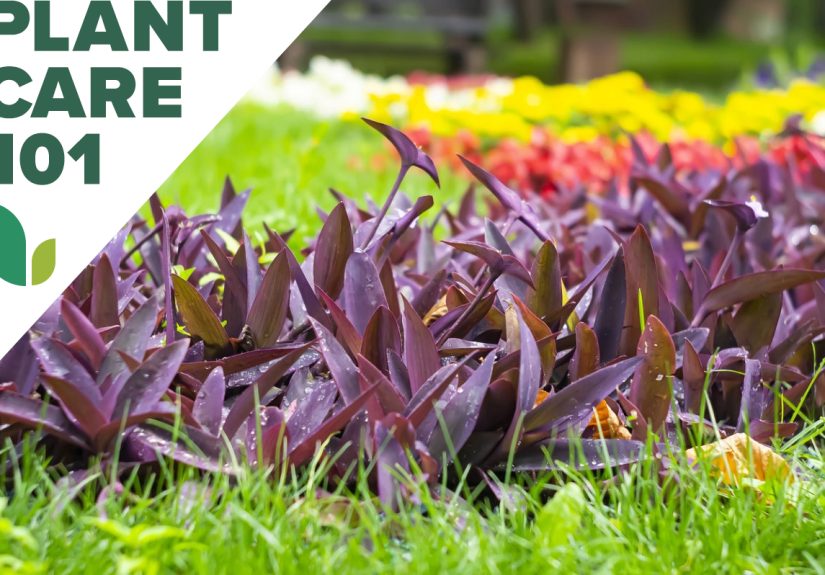
Purple heart, also sold as purple queen, is a trailing perennial in the spiderwort family
(Commelinaceae). Native to eastern Mexico, it’s grown worldwide as an ornamental for
its rich purple stems and narrow, lance-shaped leaves. In warm climates, it’s often used as
a groundcover or edging plant; in cooler regions, it shines as a houseplant or a summer
annual in containers.
The plant typically reaches about 12–18 inches tall but can spread several feet as stems
trail and root where they touch soil. Small, three-petaled pink flowers appear at the tips
of the stems, especially in warm weather. While the blooms are charming, the real star is
the foliage, which looks its best when the plant has plenty of light and is kept slightly
on the dry side.
Quick Care Overview
- Light: Full sun outdoors or bright, indirect light indoors for the best purple color.
- Water: Let the top inch of soil dry out, then water thoroughly; avoid soggy soil.
- Soil: Loose, well-draining potting mix; amend with perlite for extra drainage.
- Temperature: Prefers warm conditions; protect from frost and temperatures below about 50°F.
- Humidity: Average household humidity is usually fine; appreciates moderate humidity.
- Fertilizer: Feed lightly once a month during the growing season.
- Growth habit: Fast-growing, trailing, and easy to pinch back for a fuller look.
Light: The Secret to Deep Purple Foliage
Light is where purple heart really shows off. The more light it receives (within reason),
the richer and deeper its purple color becomes.
Outdoors
In the garden, purple heart thrives in full sun to light shade. In mild climates, full sun
brings out the most dramatic purple tones. In very hot regions, especially where summer
afternoons are intense, a bit of afternoon shade can prevent scorching and keep the foliage
from looking tired.
Indoors
Indoors, think “bright but not burning.” Place your purple heart near an east- or south-facing
window where it gets strong light for several hours a day. If the leaves are turning greener
and the stems are stretching toward the light, that’s your cue that it wants a brighter spot.
If the foliage looks faded or crispy, pull it back a bit from the window or filter the light
with a sheer curtain.
Soil and Potting Mix
Purple heart is not picky about soil as long as the drainage is good. In garden beds, it
handles a range of soil types but performs best in loose, well-amended soil that doesn’t
stay soggy after rain.
For containers, aim for a mix that’s airy and quick-draining. A simple recipe:
- 2 parts all-purpose potting soil
- 1 part perlite or pumice for drainage
- 1 part compost or leaf mold for organic matter
Use pots with drainage holesthis is not negotiable. Purple heart can forgive a missed
watering, but sitting in waterlogged soil is its nemesis. If you’re using decorative
cachepots, keep the plant in a plastic nursery pot inside the outer container so excess
water can drain freely.
Watering: Moist but Not Mushy
The purple heart plant is pleasantly drought-tolerant. It would rather you underwater a bit
than keep it constantly soaked. The simplest rule:
water when the top inch of soil feels dry to the touch.
Watering Indoors
Stick your finger into the soil up to your first knuckle. If it feels dry, water thoroughly
until water drains out the bottom. Then let it drain completely before putting it back on
a saucer. In bright, warm conditions, this might mean watering once a week; in lower light
or cooler weather, you may be watering every 10–14 days instead.
Watering Outdoors
In the ground, established purple heart plants tolerate dry spells surprisingly well. During
extended heat waves, a deep soak once or twice a week keeps foliage lush and prevents
stem dieback. In containers outside, they dry out faster and may need more frequent watering,
especially in full sun or windy spots.
Signs you’re overwatering include yellowing leaves, mushy stems, and soil that never seems
to dry. If this happens, ease up on the watering and check that the pot is draining properly.
Temperature and Humidity Needs
Purple heart naturally comes from warm, tropical to subtropical climates, so it loves warmth
and doesn’t appreciate frost. In most areas, it behaves as:
- A tender perennial in warmer regions where winter temperatures rarely dip below freezing.
- A houseplant or annual in cooler climates, where it’s grown in containers and brought indoors for winter.
Try to keep your plant where temperatures stay roughly between the low 60s and mid-80s°F.
A brief dip a little cooler won’t kill it immediately, but consistent cold or frost will
damage or kill the top growth. In borderline areas, gardeners often treat purple heart as
a “die-back perennial,” letting the foliage freeze but relying on the roots to resprout in
spring if the soil doesn’t freeze too hard.
Humidity-wise, purple heart appreciates moderate humidity but isn’t fussy. Average indoor
humidity works fine for most homes. If your air is extremely dryespecially in heated homes
in winteroccasional misting, grouping plants together, or placing the pot on a tray of
pebbles and water can help keep the foliage from crisping at the edges.
Feeding Your Purple Heart
Fast-growing plants like purple heart benefit from occasional feeding, but they don’t need
heavy fertilization. Too much fertilizer can actually make the plant leggy and reduce that
rich purple color.
- Use a balanced, water-soluble fertilizer (for example, 10-10-10 or 20-20-20) diluted to half strength.
- Feed once a month during the active growing season (spring through early fall).
- Skip fertilizing in winter when growth naturally slows down.
If the plant looks pale or growth slows noticeably during the growing seasoneven in good
lightan occasional light feeding can give it a gentle boost.
Pruning and Shaping: Preventing a Stringy Purple Mop
Left to its own devices, purple heart can get long, lanky, and a bit wild-looking. Luckily,
it responds beautifully to pruningalmost as if it enjoys the occasional haircut.
Pinching for Bushiness
Regularly pinch back the tips of growing stems, removing the last inch or two. This
encourages the plant to branch from lower nodes, creating a fuller, more compact mound
or a nicely filled hanging basket instead of a sparse tangle.
Hard Pruning
Once or twice a yearoften in early spring or mid-summeryou can cut the plant back more
dramatically, trimming stems by up to one-third or even more. The plant will flush out with
fresh, vibrant growth. Don’t toss the cuttings; they’re perfect for propagation.
Propagation: One Plant Becomes a Purple Army
If there were a medal for “easiest plant to propagate,” purple heart would be in the running.
Stem cuttings root so quickly that it almost feels like cheating.
How to Propagate Purple Hearts from Cuttings
- Snip a healthy stem about 4–6 inches long, just below a node (where leaves attach).
- Remove the lower leaves so you have a bare section of stem for planting.
-
Either:
- Place the cutting in a glass of water and wait for roots to form, then pot it up, or
- Plant the cutting directly into moist potting mix.
- Keep the potting mix lightly moist (not soggy) until the cutting grabs hold and starts new growth.
For a lush look, plant several cuttings in the same pot. Within a few weeks, you’ll have a
dense, trailing plant that looks like it’s been growing there for ages.
Indoor vs. Outdoor Growing
Growing Purple Hearts Indoors
Indoors, purple heart shines in hanging baskets, on plant shelves, or on the edge of a
bright windowsill where its stems can spill gracefully. Rotate the pot every week or so
to prevent the plant from leaning toward the light. Pair it with lighter-colored plants
for contrastchartreuse pothos, silver pilea, or variegated spider plants all make great
companions.
Growing Purple Hearts Outdoors
Outdoors, purple heart often serves as a colorful groundcover, edging along walkways, or
a spiller in mixed containers. In frost-free climates, it can spread quickly, forming a
dense purple mat. In cooler climates, treat it as a heat-loving summer annual, then either
let it go when frost arrives or pot up cuttings to bring indoors.
If you live in a warm region, keep an eye on it near natural areasit can spread beyond
where you plant it. Contain it in beds with clear borders or in containers if you’re
concerned about it running wild.
Common Problems (and Easy Fixes)
Faded or Greenish Leaves
If the leaves are losing their purple intensity and turning more green, they’re probably
not getting enough light. Move the plant to a brighter spot, or give outdoor plants a bit
more sun exposure if the climate allows.
Mushy Stems and Root Rot
Squishy stems and a sour smell from the soil usually point to overwatering or poor
drainage. Trim away damaged growth, let the soil dry out more between waterings, and
make sure the pot has proper drainage holes.
Brown Leaf Tips
Brown tips can result from very dry air, inconsistent watering, or a buildup of salts
from fertilizer. Rinse the soil thoroughly with water occasionally to flush salts, keep
humidity at a reasonable level, and avoid letting the plant swing from super dry to
waterlogged.
Pests
Purple heart is generally resistant to pests, but indoor plants can occasionally attract
aphids, spider mites, or scale. If you see sticky residue, webbing, or tiny insects,
treat the plant with a gentle insecticidal soap or neem oil, and increase air circulation.
Check neighboring plants toopests rarely respect property lines.
Pet and Skin Irritation
Purple heart is often considered mildly toxic or irritating to pets and people with
sensitive skin. The sap can cause rash in some individuals, and contact with the plant may
irritate pets that brush against it repeatedly. Wear gloves if you know you have sensitive
skin, and keep the plant out of reach of curious chewers.
Design Ideas for Using Purple Heart at Home
This plant isn’t just easy to growit’s also a design powerhouse. Here are a few ways to
make the most of its color and texture:
- Front border star: Line a walkway or garden bed with purple heart for a bold, colorful edge.
- Contrasting container: Pair purple heart with golden foliage plants, white flowers, or silver-gray foliage for high-impact combos.
- Hanging drama: Use it in hanging baskets on a porch or balcony where its stems can cascade freely.
- Accent in rock gardens: Plant it between stones or in raised beds where the purple foliage contrasts with rock textures.
- Indoor “living curtain”: Place it on a high shelf and let the vines trail down for a relaxed, boho vibe.
Real-Life Experiences with Purple Heart Plant Care
Theory is helpful, but purple heart really wins people over in real-life situations. Here
are a few experience-based lessons that many home gardeners discover the hard wayso you
don’t have to.
The Balcony Gardener’s Heat-Tested Hero
Imagine a small, sun-drenched balcony that bakes every afternoon. Many plants wilt, scorch,
or simply give up mid-summer. Purple heart, on the other hand, tends to lean in and say,
“Is that all you’ve got?” Gardeners who have tried it in hot, reflective spacesthink
concrete balconies, patio railings, or along drivewaysoften report that it looks better as
the season goes on, especially when other plants start looking tired.
One common experience: a gardener fills a long balcony trough with a mix of purple heart,
sweet potato vine, and a few flowering annuals. By mid-season, the purple heart is often
the most reliable piece of the combination, still full and colorful even if the flowers
need replacing. The lesson? If you’re working with limited space and intense sun, using
purple heart as the anchor plant can save you work and keep the display looking good for
months.
The “Neglect It and See” Experiment
Many people discover purple heart because they inherit a cutting from a friend or neighbor.
It gets stuck into a pot with whatever soil is on hand, watered occasionally, and then
forgotten on a windowsill. Weeks later, it’s still aliveand may even be thriving. That
experience is often what turns casual plant owners into purple heart fans.
Of course, “tough” doesn’t mean “indestructible.” Gardeners who push their luck by never
repotting or letting the soil stay soggy for long periods do eventually see the limits.
But compared with fussier houseplants like calatheas or ferns, purple heart’s margin for
error is generous. It’s a great “confidence builder” plant for someone who wants something
more interesting than a pothos but not nearly as fussy as a tropical diva.
The Winter Rescue Story
In cooler regions, there’s a familiar scenario: a gardener plants purple heart in a summer
border as a groundcover or color accent. Fall rolls in, the nights get chilly, and the
gardener suddenly realizes they’re not ready to say goodbye to this gorgeous purple spread.
So they grab a trowel, dig up a few clumps or take a handful of cuttings, pot them up, and
bring them indoors.
Even if the original outdoor planting dies back with frost, those indoor pots carry the
plant through winter. The following spring, small cuttings from those pots can be used to
repopulate beds and containers. Over a few years, gardeners often build a cycle: bold
purple in the yard all summer, a smaller version indoors in winter, and zero need to buy
new plants because propagation is so easy.
Learning to Embrace the Pruning Shears
Another common experience: the plant starts strong, looks full for a couple of months, and
then slowly transitions into “stringy octopus mode.” Stems get long, leaves thin out near
the base, and the whole thing looks a little tired. The first instinct is to baby itmore
fertilizer, more waterbut the real cure is often a bold haircut.
Gardeners who finally take the leap and cut their purple heart back hard are usually amazed
at how quickly it rebounds. Within a few weeks, new shoots emerge, the plant thickens up,
and the color intensifies. That moment is when many people learn a valuable rule:
with purple heart, pruning isn’t punishmentit’s rejuvenation.
Why Purple Heart Becomes a “Signature Plant”
Over time, homeowners and apartment dwellers alike often find themselves using purple heart
as a consistent design element. It might show up in the front yard as a border, on the
patio in a big urn, and inside in a hanging basket. Because it’s inexpensive, easy to
share as cuttings, and forgiving of less-than-perfect conditions, it naturally spreads
through a household’s planting schemes.
Combine that with its bold color and relatively low maintenance, and it’s easy to see why
purple heart becomes a “signature plant”one of those varieties that visitors start to
associate with your home. If you’re the kind of person who likes simple, repeatable ideas
that still look polished and intentional (very much in the home-improvement spirit), this
plant fits right in.
Conclusion: A Tough Plant with a Soft Spot for Good Light
Purple heart plant care is refreshingly simple: give it bright light, well-draining soil,
and occasional water, and it will reward you with lush, dramatic color indoors or out.
Learn to pinch it back, share cuttings with friends, and rescue a few stems before the
first frost, and you’ll have more purple hearts than you know what to do with.
If you’re looking for a low-maintenance plant that still makes a high-impact design
statement, this trailing purple wonder deserves a permanent place on your home and garden
shortlist.