Table of Contents >> Show >> Hide
- Why This Pumpkin-Sage White Cheddar Biscuits Recipe Works
- Ingredients for the Best Savory Fall Biscuits
- How to Make Pumpkin-Sage White Cheddar Biscuits
- Tips for Flaky Pumpkin Biscuits Every Time
- Serving Ideas for Pumpkin-Sage White Cheddar Biscuits
- Storage, Freezing, and Reheating
- Common Mistakes to Avoid
- The Experience of Making and Serving These Biscuits
- Final Thoughts
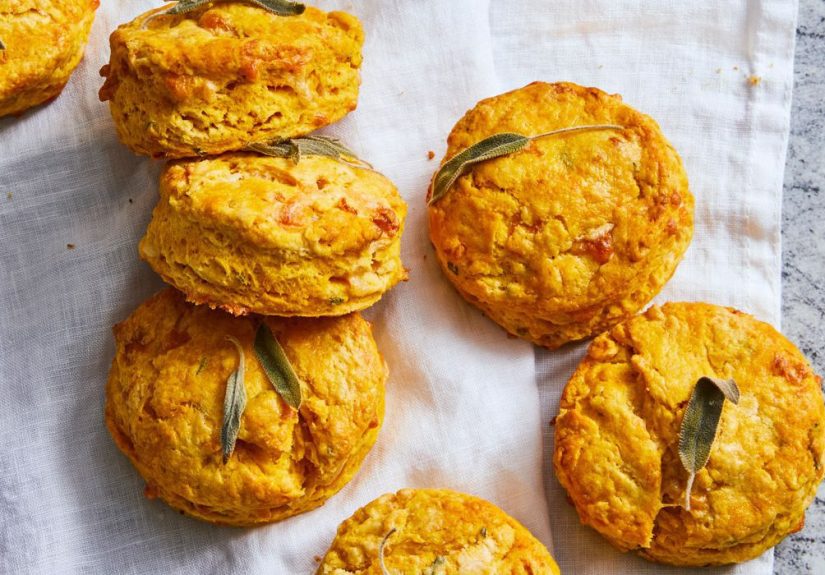
Some recipes whisper fall. This one kicks down the door wearing a flannel shirt and carrying a basket of soup. A great pumpkin-sage white cheddar biscuits recipe should taste cozy without turning into dessert, and that balance is exactly what makes these biscuits so good. You get the earthy sweetness of pumpkin, the woodsy aroma of sage, the salty punch of sharp white cheddar, and the buttery layers that make biscuits worth preheating an oven for in the first place.
These are not the kind of biscuits that disappear politely. They vanish dramatically. Put them next to chili, roasted chicken, butternut squash soup, or a Thanksgiving spread, and suddenly everyone becomes “just checking whether there are more.” The trick is keeping the dough cold, mixing it gently, and using pumpkin as a flavor booster instead of letting it bully the texture. Pumpkin can make baked goods heavy if you let it run the show. Here, it behaves beautifully.
If you have ever wanted a savory biscuit that feels seasonal, crowd-pleasing, and just a little fancier than plain buttermilk biscuits, this is your moment. Let’s make biscuits that are flaky on the outside, tender in the middle, and cheesy enough to make plain dinner rolls look nervous.
Why This Pumpkin-Sage White Cheddar Biscuits Recipe Works
The beauty of this recipe is contrast. Pumpkin adds moisture, color, and gentle sweetness. Fresh sage brings a fragrant, almost peppery herb note that keeps the flavor from drifting into pie territory. White cheddar adds richness and a sharp edge, which is culinary code for “I know exactly why I’m here.”
Structurally, the recipe works because the dough is treated like biscuit dough first and a pumpkin recipe second. That matters. If you start with the mindset of making fluffy, flaky biscuits, you control the moisture and avoid overmixing. If you treat it like a muffin batter with ambition, you end up with dense orange hockey pucks. Nobody wants that. Not even the squirrels.
Cold butter creates pockets of steam in the oven, which helps form layers. A modest amount of pumpkin purée keeps the dough tender while still allowing the biscuits to rise. Freshly grated white cheddar melts better than pre-shredded cheese and spreads flavor more evenly through the dough. A little brown sugar rounds out the savory notes instead of turning the biscuits sweet. The result is a balanced, bakery-style biscuit that tastes homemade in the best possible way.
Ingredients for the Best Savory Fall Biscuits
Dry Ingredients
- 2 1/4 cups all-purpose flour
- 1 tablespoon baking powder
- 1/2 teaspoon baking soda
- 1 teaspoon kosher salt
- 1 tablespoon light brown sugar
- 1/2 teaspoon freshly ground black pepper
- 1/4 teaspoon ground nutmeg, optional
Cold Ingredients and Mix-Ins
- 1/2 cup unsalted butter, very cold or lightly frozen
- 3/4 cup sharp white cheddar, freshly grated
- 1 tablespoon finely chopped fresh sage
Wet Ingredients
- 1/2 cup 100% pumpkin purée
- 2/3 to 3/4 cup cold buttermilk
For Finishing
- 1 tablespoon melted butter
- 1 teaspoon chopped sage or a tiny pinch of flaky salt
This ingredient list is short, but each item pulls its weight. Use 100% pumpkin purée, not pumpkin pie filling. The pie version already contains sugar and spices, which would throw the whole savory balance off course. For cheese, go with a sharp white cheddar rather than a mild one. The stronger flavor stands up to the pumpkin and sage instead of getting lost in the crowd.
Fresh sage is better than dried here. Dried sage can taste dusty if you use too much, while fresh sage gives the biscuits a cleaner, more aromatic flavor. And yes, you really do want that butter cold. When butter softens before baking, you lose the flaky lift that makes a biscuit feel like a biscuit and not a sad, savory scone.
How to Make Pumpkin-Sage White Cheddar Biscuits
1. Preheat and Prep
Heat your oven to 425°F. Line a baking sheet with parchment paper. If you want extra insurance for tall biscuits, place the measured butter in the freezer for 10 to 15 minutes before mixing.
2. Mix the Dry Ingredients
In a large bowl, whisk together the flour, baking powder, baking soda, salt, brown sugar, black pepper, and nutmeg if using. This step distributes the leavening evenly, which helps the biscuits rise consistently rather than doing interpretive dance in the oven.
3. Cut in the Butter
Grate the cold butter on a box grater or cut it into small cubes, then work it into the flour mixture with your fingertips or a pastry cutter until the mixture resembles coarse crumbs with a few pea-size pieces. Those visible bits of butter are good news. They are future layers.
4. Add the Flavor Builders
Stir in the grated white cheddar and chopped sage. Tossing them with the dry ingredients helps distribute them evenly so every biscuit gets a little cheese and herb action.
5. Combine the Wet Ingredients
In a small bowl or measuring cup, whisk together the pumpkin purée and 2/3 cup cold buttermilk. If your pumpkin looks particularly wet, blot it lightly with paper towels before measuring. That small move can help keep the dough from turning sticky and heavy.
6. Bring the Dough Together
Pour the wet mixture into the dry ingredients and stir gently with a fork or spatula until a shaggy dough forms. If you still have a lot of dry flour at the bottom, add a splash more buttermilk, 1 tablespoon at a time. The dough should look rough, soft, and slightly sticky, but not soupy. Stop mixing as soon as it comes together. Overworked biscuit dough turns tough fast.
7. Fold for Layers
Turn the dough onto a lightly floured surface. Pat it into a rectangle about 1 inch thick. Fold it in thirds like a letter, rotate it, and pat it out again. Repeat this process once more. These simple folds create flaky layers without turning the recipe into a full pastry project that requires emotional support.
8. Cut the Biscuits
Pat the dough to about 1 inch thick. Use a floured 2 1/2-inch biscuit cutter and press straight down without twisting. Twisting seals the edges and can keep the biscuits from rising well. Gather scraps gently, press them together, and cut again.
9. Bake Until Deep Golden
Place the biscuits on the prepared baking sheet, close enough that they almost touch if you want a slightly higher rise, or spaced farther apart if you prefer crisper edges. Brush the tops lightly with melted butter. Bake for 14 to 18 minutes, or until the tops are golden and the cheese smells toasted and glorious.
10. Finish and Serve
Brush the hot biscuits with a little more melted butter and sprinkle with extra chopped sage or flaky salt if you like. Serve warm. That is not me being dramatic. Warm is where the magic lives.
Tips for Flaky Pumpkin Biscuits Every Time
Keep Everything Cold
Cold butter is the headline tip for a reason. Chill the butter, use cold buttermilk, and avoid letting the dough lounge around on the counter. Warm dough spreads more and rises less.
Use Freshly Grated Cheese
Pre-shredded cheese often contains anti-caking agents, which can affect how evenly it melts. Freshly grated white cheddar gives you better flavor and a more tender texture.
Do Not Overmix
Biscuit dough is not bread dough. You are not building a strong gluten structure here. Mix only until the dough comes together, then stop before you accidentally develop a personality trait called “rubbery biscuits.”
Cut Straight Down
This tiny detail makes a real difference. A clean downward cut gives the biscuit layers room to rise, which means taller, prettier results.
Serving Ideas for Pumpkin-Sage White Cheddar Biscuits
This pumpkin-sage white cheddar biscuits recipe plays well with all kinds of fall and holiday meals. Serve the biscuits with roasted turkey, chicken pot pie, butternut squash soup, creamy tomato soup, beef stew, or a simple bowl of chili. They also make excellent breakfast sandwiches with scrambled eggs and a slice of ham.
If you want to lean into the seasonal vibe, split one warm biscuit and spread it with salted butter and a whisper of hot honey. The sweet heat works beautifully with the sage and cheddar. For a holiday table, these biscuits are a smart alternative to standard dinner rolls because they bring both bread and flavor to the plate in one shot.
Storage, Freezing, and Reheating
Store leftover biscuits in an airtight container at room temperature for up to 2 days or in the refrigerator for up to 5 days. Reheat in a 300°F oven for about 8 to 10 minutes to bring back some of that fresh-baked texture. A microwave works in a pinch, but it can soften the exterior.
You can also freeze the unbaked biscuits. Arrange them on a sheet pan until firm, then transfer them to a freezer bag. Bake straight from frozen, adding a few extra minutes to the baking time. This is one of the best make-ahead moves for holiday cooking because it lets you do the messy part before the guests arrive and before your kitchen starts feeling like a competitive sport.
Common Mistakes to Avoid
Using too much pumpkin: More is not better here. Too much pumpkin can weigh down the dough and reduce the rise.
Adding warm butter: If the butter softens before the biscuits hit the oven, you lose the pockets that create flaky layers.
Using pumpkin pie filling: It contains sugar and spices already, so the flavor profile becomes muddled and oddly sweet.
Overhandling the dough: Every extra stir and knead toughens the final texture. Gentle hands make better biscuits.
Skipping the seasoning: Pumpkin and flour need salt, pepper, cheese, and sage to taste lively. Without that balance, the biscuits can come off bland.
The Experience of Making and Serving These Biscuits
One of the best things about baking these biscuits is that the experience starts before they even go into the oven. The moment fresh sage hits the cutting board, the kitchen shifts gears. It smells woodsy and a little peppery, like fall decided to show up early and be useful. Then the white cheddar gets grated, and suddenly the recipe feels more serious in the best way. This is not a novelty pumpkin bake. This is the savory side of pumpkin, and it deserves more attention.
There is also something deeply satisfying about the dough itself. It is soft, cool, and slightly shaggy, which is exactly what good biscuit dough should be. You can see little streaks of butter, orange from the pumpkin, and green flecks from the sage. It looks rustic without looking messy, like the kind of thing a very competent home cook casually puts on the table while claiming it was “nothing.” It is not nothing. It is excellent.
As the biscuits bake, the aroma does what all great baking aromas do: it pulls people into the kitchen under suspiciously weak pretenses. Someone suddenly needs a glass of water. Someone else claims they were “just walking by.” The scent of butter, cheese, and sage has that effect. Add pumpkin to the mix, and the room feels warmer before anyone even takes a bite.
The first bite is usually where people get surprised. They expect pumpkin to be sweet because pumpkin spends most of its public life hanging around pies, muffins, and lattes. But here, pumpkin is subtle. It gives the biscuit depth and tenderness, not sugar overload. The cheddar comes through first, the sage lingers in the background, and the pumpkin ties everything together. The texture is what makes the whole experience memorable: crisp edges, soft middle, buttery layers, and pockets of melted cheese that make you stop talking for a second. That is a sign of respect.
These biscuits also shine in real-life situations, not just holiday-photo situations. They work for weeknight dinners when soup needs backup. They work for brunch when scrambled eggs are looking lonely. They work for potlucks because they are different enough to be memorable but familiar enough that people actually want to eat them. And they are especially good for Thanksgiving, when tables often have plenty of soft, beige bread options and could use something with more personality.
Another part of the experience is how adaptable the recipe feels once you understand the base. You can add a pinch of cayenne for heat, a little garlic powder for extra savoriness, or a drizzle of hot honey after baking if you like sweet-savory contrast. But even without tweaks, the original combination has a kind of confidence to it. It does not need much dressing up. It already knows what it is doing.
Most importantly, these biscuits create the kind of baking memory people actually keep: the smell in the oven, the flaky top that cracks when you break one open, the melting butter sliding into the middle, and the moment someone at the table says, “Wait, what is in these?” That question is usually followed by a second biscuit. Sometimes a third. I am not judging. A recipe this cozy earns repeat business.
Final Thoughts
If you are looking for a biscuit recipe that feels seasonal, savory, and genuinely special, this Pumpkin-Sage White Cheddar Biscuits Recipe is a very strong candidate. It combines familiar biscuit technique with fall flavor in a way that feels balanced rather than gimmicky. The pumpkin keeps the crumb tender, the sage adds warmth, and the white cheddar gives every bite a rich, sharp finish.
Make these once for a soup night, brunch spread, or holiday dinner, and they may quietly replace the plain biscuits in your rotation. Which is fair. Plain biscuits had a good run.