Table of Contents >> Show >> Hide
- Before You Start: Bell Pepper Basics That Actually Matter
- 1) Sautéed Bell Peppers (a.k.a. “Weeknight Magic”)
- 2) Sheet-Pan Roasted Bell Peppers (hands-off, caramelized, smug)
- 3) Broiled or Flame-Charred Peppers (for peelable, smoky perfection)
- 4) Grilled Bell Peppers (smoky edges, juicy center)
- 5) Stuffed & Baked Bell Peppers (the edible casserole dish)
- 6) Stir-Fried Bell Peppers (crisp-tender in minutes)
- 7) Quick-Pickled Bell Peppers (no canning, all payoff)
- FAQ: Quick Answers for People Who Want Results
- Conclusion: Your Bell Pepper Era Starts Now
- Extra: Real-World Pepper Lessons (500-ish Words of “Oh, So That’s Why”)
Bell peppers are basically the overachievers of the produce aisle: sweet, crunchy, colorful, and somehow
capable of showing up in fajitas, pasta, salads, omelets, and that “I swear this is meal prep” lunch container.
The only real problem? People buy a 3-pack, use one, and then the other two slowly turn into
“science” in the crisper drawer.
Let’s fix that. Below are 7 genuinely different ways to cook bell pepperswith the right heat,
timing, and tricks to make them taste like you meant to do it on purpose. Expect crisp-tender stir-fries,
smoky grilled strips, silky roasted peppers you can peel, and even quick-pickles that make sandwiches
behave like they have a personality.
Before You Start: Bell Pepper Basics That Actually Matter
Pick the right pepper for the job
- Green: slightly bitter, more “savory,” holds up well in high-heat cooking.
- Red/Orange/Yellow: sweeter, softer vibe, roasts like a dream.
- Mini sweet peppers: extra snackable, great for quick sautés, grilling, and pickling.
How to prep fast (and avoid pepper confetti)
- Slice off the top and bottom.
- Stand it up and cut down the sides to “unroll” the pepper.
- Remove seeds and white ribs (the ribs aren’t spicyjust slightly bitter and stiff).
- Slice into strips, dice, or keep halves for stuffing.
At-a-glance timing chart
| Method | Heat | Time | Best Result |
|---|---|---|---|
| Sauté | Medium | 15–22 min | Sweet, tender, lightly browned |
| Sheet-pan roast | 425–450°F | 20–30 min | Caramelized edges, hands-off |
| Broil/char & peel | Broiler / open flame | 8–12 min + steam | Smoky, silky, peelable peppers |
| Grill | Medium-high | 10–15 min | Smoky char, juicy bite |
| Stuff & bake | 350°F | 40–50 min | Full meal, tender pepper “bowl” |
| Stir-fry | High | 3–6 min | Crisp-tender, bright flavor |
| Quick-pickle | Hot brine, then chill | 10 min + chill | Crunchy, tangy, sandwich-ready |
1) Sautéed Bell Peppers (a.k.a. “Weeknight Magic”)
If you want peppers that are soft, sweet, and lightly brownedthis is the move. Sautéing pulls out their
natural sugars slowly, so you get flavor without burning. It’s also the easiest gateway to
peppers-and-onionsthe combo that makes everything taste like it has a plan.
How to do it
- Slice peppers into strips (or dice for tacos/scrambles).
- Heat 1–2 tablespoons oil in a wide skillet over medium heat.
- Add sliced peppers (and onions if you’re smart) with a pinch of salt.
- Cook, stirring occasionally, until tender and starting to brown, about 18–22 minutes.
- Finish with black pepper, a squeeze of lemon, or a splash of vinegar to brighten.
Flavor upgrades (choose your fighter)
- Fajita mode: chili powder + cumin + garlic + lime.
- Italian-ish: oregano + red pepper flakes + a little balsamic.
- Breakfast hero: sauté with onions, fold into eggs, top with salsa.
Common mistake
Cranking the heat too high. Peppers go from “sweet” to “why does this taste like regret?” surprisingly fast.
Medium heat gives you browned edges without bitterness.
2) Sheet-Pan Roasted Bell Peppers (hands-off, caramelized, smug)
Roasting is for when you want big flavor with minimal stirring. High heat dries the surface slightly,
concentrates sweetness, and creates those browned edges people call “char” when they’re feeling fancy.
How to do it
- Heat oven to 425°F (or 450°F if you like deeper browning).
- Slice peppers into thick strips or chunks.
- Toss with oil, salt, and pepper. Optional: paprika, garlic powder, or smoked paprika.
- Spread in a single layer (crowding = steaming = sad peppers).
- Roast 20–30 minutes, tossing once halfway, until tender and charred in spots.
Where roasted peppers shine
- On sandwiches with mozzarella and basil
- In pasta with olive oil, garlic, and parmesan
- As a side for chicken, fish, or anything grilled
Pro tip
Roast peppers with onions on the same tray and you’ve basically made a “flavor starter kit” for bowls,
wraps, pizzas, and “clean out the fridge” meals all week.
3) Broiled or Flame-Charred Peppers (for peelable, smoky perfection)
This is the technique that turns bell peppers into silky, smoky ribbonsperfect for sauces, dips, spreads,
and anything that needs a “restaurant-y” upgrade. The goal is to blacken the skin so it loosens, then steam
so peeling is easy.
Broiler method (easy, apartment-friendly)
- Set broiler to high. Place peppers on a foil-lined sheet pan.
- Broil, turning every few minutes, until blistered and charred all over, about 8–12 minutes.
- Transfer to a bowl and cover tightly (foil, lid, or plastic wrap) to steam for 10–15 minutes.
- Peel off skins, remove seeds, and slice.
Gas flame method (maximum drama, maximum char)
- Place whole pepper directly over a gas burner flame.
- Turn with tongs until charred all over.
- Steam covered, then peel like above.
What to do with charred, peeled peppers
- Blend into a quick roasted red pepper sauce with olive oil, garlic, and lemon.
- Stir into hummus or a cream cheese spread.
- Toss with pasta, capers, and herbs for a fast pantry meal.
Reality check
You don’t have to peel every speck of skin. Leaving a little char behind can taste greatlike the pepper
went to a bonfire and came back with stories.
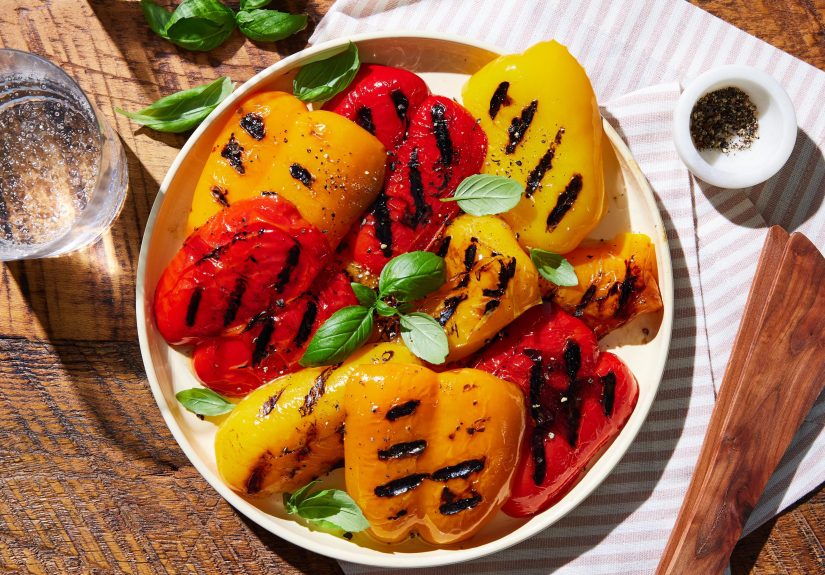
4) Grilled Bell Peppers (smoky edges, juicy center)
Grilling peppers is the fast track to “summer flavor,” even if it’s not summer and you’re just using a grill pan
while pretending you own a patio. High heat gives you char; oil keeps them from sticking and helps browning.
How to do it
- Cut peppers into halves or large flat pieces (easier to flip than tiny strips).
- Rub with oil and season with salt.
- Grill over medium-high heat, turning occasionally, until tender and charred, about 10–15 minutes.
- Optional (but great): steam in a covered bowl for 10 minutes and peel if you want softer peppers.
Serving ideas
- Chop and toss into a vinaigrette-heavy salad with feta.
- Layer in burgers, sausages, or Italian subs.
- Serve as a side with a drizzle of olive oil and a splash of red wine vinegar.
5) Stuffed & Baked Bell Peppers (the edible casserole dish)
Stuffed peppers are comfort food disguised as “a balanced meal.” You get protein, carbs, veggies, and
melted cheeseplus the satisfaction of eating dinner out of a pepper like you’re in a cooking show finale.
How to do it (classic approach)
- Heat oven to 350°F.
- Cut peppers in half lengthwise (or slice tops off and keep whole).
- Make a filling: cooked rice or quinoa + browned ground meat (or beans/lentils) + tomato sauce + seasoning.
- Arrange peppers in a baking dish. Add a splash of water to the bottom to prevent scorching.
- Cover with foil and bake 30 minutes.
- Uncover, add cheese, and bake 15–20 minutes until peppers are soft and cheese is browned.
Stuffed pepper flavor combos
- Taco night: seasoned beef or black beans, corn, salsa, cheddar, cilantro.
- Mediterranean: ground turkey or chickpeas, oregano, feta, lemon zest.
- Italian comfort: sausage, marinara, mozzarella, parmesan, basil.
Pro tip
If you like softer peppers, pre-roast the halves for 10 minutes before stuffing. If you like peppers with
more bite, stuff them raw and bake as written.
6) Stir-Fried Bell Peppers (crisp-tender in minutes)
Stir-frying is the best answer to “I want vegetables, but I also want to eat before midnight.”
The trick is speed: high heat, quick movement, and adding ingredients in the right order.
How to do it
- Slice peppers into thin strips so they cook fast.
- Heat a wok or large skillet over high heat until hot.
- Add a tablespoon of high-heat oil.
- If using harder veggies (carrots, broccoli), cook them first for 30–60 seconds.
- Add peppers and stir-fry 2–4 minutes until glossy and crisp-tender.
- Finish with sauce (soy + garlic + ginger + a little honey) and cook 30 seconds more.
Quick stir-fry ideas
- Beef & pepper: thin beef slices + soy + garlic + black pepper.
- Chicken teriyaki-ish: teriyaki sauce + sesame seeds + scallions.
- Tofu and peppers: crisp tofu + peppers + chili crisp + lime.
Common mistake
Overcrowding the pan. If the peppers release water and start steaming, you lose the crisp-tender snap.
Cook in batches if neededyour future self will thank you.
7) Quick-Pickled Bell Peppers (no canning, all payoff)
Quick-pickled peppers are what happens when bell peppers decide to become the life of the party.
They’re tangy, crunchy, and make everythingfrom tacos to tuna saladtaste like it got a glow-up.
This is not long-term canning; it’s “make today, love tomorrow.”
How to do it
- Slice peppers into thin strips or rings. Add to a clean jar with optional garlic and spices.
- In a small saucepan, heat a brine: vinegar + water + salt and a little sugar (optional).
- Bring just to a simmer to dissolve, then pour over peppers.
- Cool, then refrigerate. They’re good after 30–60 minutes, better the next day.
Flavor add-ins
- Black peppercorns, mustard seeds, coriander seeds
- Red pepper flakes for heat
- Dill or oregano for a herby vibe
Where to use quick-pickled peppers
- Sandwiches, burgers, hot dogs, wraps
- Salads and grain bowls
- Charcuterie boards (the “adult lunchable”)
FAQ: Quick Answers for People Who Want Results
Should I peel bell peppers after cooking?
Only if you char them (broiler/flame/grill) and want a silky texture. For sautéed, roasted chunks, or stir-fry,
peeling isn’t necessary and usually not worth the effort.
How do I keep peppers from getting soggy?
Use high heat for fast methods (stir-fry), don’t overcrowd the pan, and roast on a hot sheet pan with space.
Also: salt later if you’re chasing maximum crunch.
What’s the best cooking method for meal prep?
Sheet-pan roasting and sautéed peppers are the most versatile. Quick-pickled peppers are also fantastic because
they keep their crunch and brighten leftovers.
Conclusion: Your Bell Pepper Era Starts Now
Bell peppers don’t need a complicated destiny. They just need a plan: sauté them for sweet tenderness, roast them
for caramelized edges, broil them for peelable smokiness, grill them for summer vibes, stuff them for a full meal,
stir-fry them for speed, or quick-pickle them for tangy crunch.
Try one method this week, then rotate the rest. Before you know it, you’ll be the person who buys peppers
intentionally (a rare and powerful life upgrade).
Extra: Real-World Pepper Lessons (500-ish Words of “Oh, So That’s Why”)
If bell peppers have ever betrayed you, it probably happened in one of three ways: they turned soggy, they tasted
weirdly bitter, or you discovered a shriveled pepper in the fridge that looked like it had seen things.
The good news is that bell peppers are incredibly forgivingonce you learn the few “rules” they care about.
First: crowding is the enemy. It’s the sneakiest reason peppers come out soft and watery.
When peppers are piled up in a pan (or on a sheet tray), the moisture they release has nowhere to go. Instead of
browning, everything steams. The fix is unglamorous but effective: use a bigger pan, spread them out, or cook in
batches. Yes, batches. No, your dinner won’t be ruined. It’ll taste better and you’ll feel oddly accomplished.
Second: heat level decides the personality. Medium heat gives you sweet, jammy sautéed peppers.
High heat gives you crisp-tender stir-fry peppers. Oven heat gives you caramelized roasted edges. If you use the
wrong heat, you get the wrong vibe. A stir-fry done on medium becomes floppy and pale. A slow sauté on high heat
can go bitter at the edges while staying raw in the middle. Matching the method to the heat is basically pepper
therapy.
Third: char is not the same as burnt. When you broil or flame-char peppers, the skin blackens.
That’s the point. But the flesh underneath should still be juicy, not dried out. That’s why turning the peppers
and steaming them after charring matters so much. The steam loosens the skin and softens everything into that
silky texture people love in roasted red pepper sauces. If you skip the steaming step, peeling becomes a
full-contact sport.
Fourth: color isn’t just aesthetics. Green peppers can taste slightly more bitter and “vegetal,”
which is great in savory dishes like stir-fries, chili, or fajitas where seasoning and browning balance them out.
Red, orange, and yellow peppers lean sweeter and shine when roasted, blended, or used in simpler dishes where
their sweetness has room to speak. Mixing colors gives you both sweetness and backbonelike a boy band where
everyone has a role and nobody is unnecessary.
Finally: acid is the secret weapon. If your cooked peppers taste flat, add a squeeze of lemon,
a splash of vinegar, or even a spoonful of salsa right at the end. Sweet peppers + a little tang is a cheat code
that makes the flavor pop without needing a lot of extra salt. That’s also why quick-pickled peppers are such a
power move: they bring brightness to leftover rice bowls, grilled meats, and “I guess this is dinner” sandwiches.
Bottom line: once you’ve cooked bell peppers a few different ways, you stop thinking of them as “that crunchy
salad thing” and start treating them like a flexible ingredient you can bend to whatever mood your meal is in.
And that’s when you officially graduate from “buying peppers” to “using peppers.” Big moment.