Table of Contents >> Show >> Hide
- Why Summer Pruning Helps Bougainvillea Bloom Again
- When To Prune Bougainvillea In Summer
- Tools You Need Before You Start
- How To Prune Bougainvillea In Summer Step By Step
- How Much Should You Cut In Summer?
- Pruning Different Types Of Bougainvillea
- Common Summer Pruning Mistakes
- Aftercare: What To Do After Summer Pruning
- How Summer Pruning Encourages More Bloom Naturally
- Example Summer Pruning Schedule
- Personal Experience: What Summer Bougainvillea Pruning Teaches You
- Conclusion
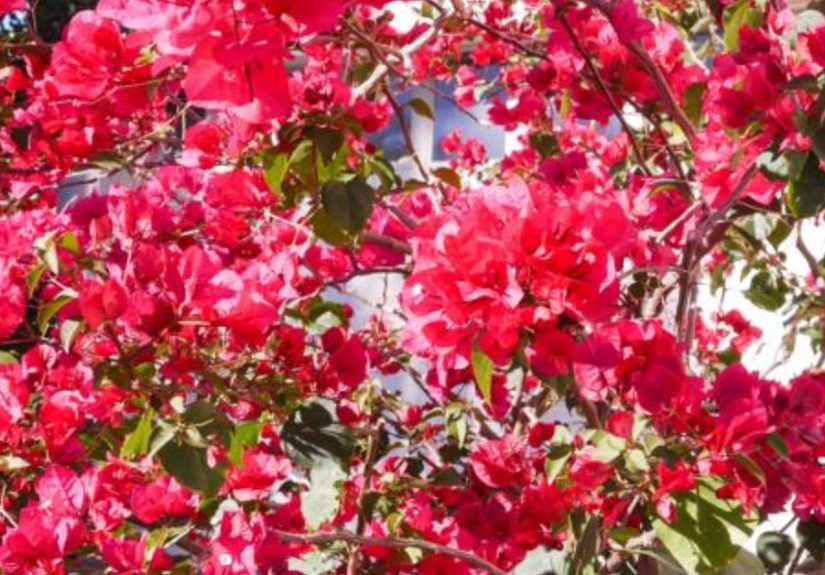
Summer bougainvillea is not shy. Give it heat, sun, and a little room to show off, and it can turn a wall, trellis, balcony, or patio into a fireworks display of magenta, purple, orange, red, white, or gold. But there is one catch: bougainvillea can also turn into a thorny jungle with the confidence of a plant that knows it looks good.
That is where pruning bougainvillea in summer comes in. Mid-season pruning is not about giving your plant a dramatic buzz cut. Save the heavy renovation work for late winter, early spring, or after the main flowering season, depending on your climate. Summer pruning is more like a stylish trim: remove spent bloom clusters, shorten wild shoots, pinch fresh tips, improve airflow, and redirect the plant’s energy toward fresh growth that can produce more colorful bracts.
And yes, those bright “flowers” are technically bracts, or modified leaves, surrounding the smaller true flowers. Bougainvillea is basically the garden version of wearing a feather boa to the grocery store: colorful, theatrical, and entirely committed to the look.
Why Summer Pruning Helps Bougainvillea Bloom Again
Bougainvillea blooms best when it has strong light, well-drained soil, warm temperatures, and a cycle of active growth followed by flowering. Because the plant produces its colorful bracts on newer growth, light pruning after a bloom flush can encourage branching. More branching means more growing tips, and more growing tips can mean more places for the next show of color.
In summer, the goal is to stimulate the plant without exhausting it. You are not trying to remove half the plant in the middle of a heat wave. Instead, you are cleaning, shaping, and nudging. Think of it as telling your bougainvillea, “Great performance. Take a sip of water, fix your hair, and get back on stage.”
Summer pruning can help by:
- Removing faded bracts and spent flowering tips
- Encouraging side shoots and fuller growth
- Reducing overly long, leafy stems that steal attention from blooms
- Improving airflow inside a dense plant
- Keeping vines, container plants, and hedges neat during peak growth
- Training stems onto a trellis, arbor, wall, or balcony rail
When To Prune Bougainvillea In Summer
The best time for mid-season bougainvillea pruning is right after a flowering cycle begins to fade. If the bracts are drying, dropping, or looking papery and tired, that is your cue. Do not prune heavily while the plant is in its most spectacular bloom unless you are willing to sacrifice some color.
For many warm-climate gardeners, this may happen in early summer, midsummer, or late summer depending on weather, watering, and the variety. In hot regions, bougainvillea may bloom in waves. After each wave, a light trim can refresh the plant and prepare it for another round.
Choose the right moment of day
Prune in the morning or late afternoon, especially in hot areas. Avoid pruning at noon when the sun is blazing and both you and the plant are silently questioning your life choices. Cooler timing reduces stress on the plant and makes the job safer and more comfortable for you.
Avoid pruning during extreme stress
Delay pruning if your bougainvillea is severely wilted, recently transplanted, sunburned, pest-infested, or struggling after a cold snap. A healthy, actively growing bougainvillea responds best to summer trimming. A stressed bougainvillea needs recovery before a haircut.
Tools You Need Before You Start
Bougainvillea is beautiful, but it is also armed. Many cultivars have sharp thorns, and the long stems can grab sleeves, gloves, and occasionally your dignity. Before pruning, gather the right tools.
- Bypass hand pruners for small and medium stems
- Loppers for older, thicker stems
- Heavy gloves that resist thorns
- Long sleeves and eye protection
- Disinfectant or rubbing alcohol for cleaning blades
- Soft plant ties for training stems
- A tarp or bucket for collecting cuttings
Use sharp, clean tools. Ragged cuts heal more slowly and can invite pests or disease. Clean your pruners before starting and again if you cut any dead, diseased, or suspicious-looking growth. Bougainvillea may act tough, but clean pruning still matters.
How To Prune Bougainvillea In Summer Step By Step
Step 1: Study the plant before cutting
Stand back and look at the whole plant. Is it a vine climbing a trellis? A container shrub on a patio? A hedge trying to become a neighborhood landmark? Decide what shape you want before you start snipping. Random pruning creates random results, and bougainvillea is already dramatic enough.
Step 2: Remove dead, damaged, or diseased stems
Start with the obvious cleanup. Cut out dry, brittle, broken, or diseased stems. Remove any growth that looks weak, blackened, or badly damaged. This improves airflow and directs the plant’s energy toward healthy stems.
Step 3: Cut off faded bloom clusters
After the bracts fade, trim back the spent flowering tips. Cut just above a leaf node or side shoot. This small cut can encourage branching, and branching is your friend when you want a fuller plant with more bloom points.
Step 4: Shorten long, wild shoots
Bougainvillea loves to send out long, ambitious stems that seem determined to visit the neighbors. In summer, shorten these fast-growing shoots by about one-third, or up to one-half if they are really out of bounds and the plant is healthy. Make cuts above a node or side branch.
Do not remove every long shoot. Some can be trained along a support. Others can be shortened to create a denser shape. The trick is to guide growth, not punish enthusiasm.
Step 5: Pinch soft tips for bushier growth
Pinching is one of the easiest ways to encourage more branching. Use your fingers or clean snips to remove the soft growing tip of young stems. This tells the plant to push out side shoots. More side shoots can lead to a fuller bougainvillea and more potential bloom sites.
Step 6: Thin crowded interior growth
If the center of the plant is packed with crossing stems, remove a few small branches back to their point of origin. This allows sunlight and air to reach the interior. Bougainvillea wants sun, not a dark cave of tangled stems.
Step 7: Train, then tie
If your bougainvillea is growing on a trellis, pergola, fence, or wall, guide flexible stems where you want them to go. Tie them loosely with soft ties. Do not cinch them tightly, because stems expand as they grow. A tight tie can girdle the stem and cause damage.
How Much Should You Cut In Summer?
For summer pruning, less is usually smarter. Remove what is spent, wild, weak, or badly placed. As a general rule, avoid removing more than 20 to 30 percent of the plant at one time during hot weather. A healthy bougainvillea can handle regular light trimming, but a hard summer chop can reduce blooms, expose stems to sunburn, or trigger leafy regrowth instead of flowers.
If your plant is wildly overgrown, divide the work into stages. Do a light summer cleanup now, then schedule heavier structural pruning for a better season. This is especially important for older woody plants, container bougainvilleas, or plants growing in intense heat.
Pruning Different Types Of Bougainvillea
Container bougainvillea
Container plants need regular shaping because their root space is limited and their top growth can quickly look oversized. After each bloom cycle, trim back long stems, pinch tips, and remove growth that drags across the ground. Keep the plant balanced so it does not become top-heavy in wind.
Bougainvillea on a trellis or wall
For trained bougainvillea, summer pruning is about direction. Remove stems growing outward where you do not want them, shorten side shoots after flowering, and tie main stems to the support. Avoid cutting the main framework unless it is damaged or seriously misplaced.
Bougainvillea hedge
A bougainvillea hedge can be gorgeous, but constant shearing can create a green shell with fewer blooms. Instead of shaving it flat every week, selectively shorten stems after flowering. Let some new growth mature enough to bloom before trimming again.
Bougainvillea as a small tree or standard
If you are training bougainvillea into a tree form, remove suckers and low shoots from the base during summer. Lightly shape the canopy after bloom cycles, but avoid removing too much top growth at once. A standard bougainvillea needs a sturdy trunk and balanced canopy, not a lollipop after a storm.
Common Summer Pruning Mistakes
Pruning too hard during peak heat
Hard pruning in extreme summer heat can stress the plant. If the weather is brutally hot, keep pruning light. Remove spent blooms and the wildest shoots, then wait for cooler conditions for bigger cuts.
Feeding too much nitrogen after pruning
After pruning, gardeners sometimes fertilize heavily, hoping to “help.” Too much nitrogen can push leafy growth at the expense of blooms. If you feed, use a balanced or bloom-supporting fertilizer according to the label, and avoid overdoing it. Bougainvillea is not a houseguest that needs seven snacks a day.
Overwatering to force blooms
Bougainvillea dislikes soggy soil. Deep, occasional watering is better than constant moisture, especially in containers with good drainage. Too much water often leads to leaves, not bracts. Let the soil dry somewhat between waterings, then water thoroughly.
Ignoring sunlight
No pruning technique can fully compensate for poor light. Bougainvillea needs strong sun to bloom well. If your plant is producing lush leaves and few bracts, shade may be part of the problem. Aim for at least six hours of direct sun, and more is often better in suitable climates.
Aftercare: What To Do After Summer Pruning
After pruning, give your bougainvillea simple, steady care. Water deeply if the soil is dry, but do not keep it wet. Check that containers drain freely. Remove fallen leaves and cuttings, especially thorny pieces that can surprise bare feet later. If the plant is on a support, adjust ties as needed.
Watch the new shoots over the next few weeks. Healthy bougainvillea often responds with fresh branching. Once those stems mature under bright light, the next flush of colorful bracts can follow. The timing depends on temperature, day length, variety, and overall care.
How Summer Pruning Encourages More Bloom Naturally
The secret is not magic. It is plant behavior. When you remove a growing tip, the plant often activates side buds below the cut. Those side shoots create a fuller structure. Since bougainvillea colors up on new growth, controlled pruning can increase the number of flowering points.
At the same time, removing faded bracts prevents the plant from looking tired and redirects attention to active growth. Thinning crowded stems lets light reach more leaves. Training long stems keeps the plant spread across its support instead of piling into one thorny knot. All these small actions help the plant use summer energy more efficiently.
Example Summer Pruning Schedule
Early summer
After the first strong bloom flush fades, remove spent bracts, pinch soft tips, and shorten runaway stems. Check ties on trellised plants and redirect new growth.
Midsummer
Do a light cleanup. Remove dead growth, thin crowded interior stems, and cut back long shoots that are stealing shape from the plant. Avoid heavy pruning during extreme heat.
Late summer
Trim after another bloom cycle if needed. In colder climates where bougainvillea must move indoors, begin thinking about size control before the weather changes. In warm regions, continue light shaping but save major structural work for the appropriate season.
Personal Experience: What Summer Bougainvillea Pruning Teaches You
The first time you prune bougainvillea in summer, you may feel slightly betrayed. One minute you are admiring a glamorous plant covered in color; the next, you are wrestling with thorny stems that seem personally offended by your pruners. This is normal. Bougainvillea has a flair for drama both in bloom and in maintenance.
In real garden practice, the biggest lesson is that small, consistent pruning works better than occasional panic pruning. A bougainvillea left alone for months can become a dense mass of woody stems, leafy shoots, faded bracts, and hidden thorns. At that point, pruning feels like negotiating with a very beautiful cactus. But when you trim lightly after bloom cycles, the plant stays manageable and looks more intentional.
One practical example: imagine a container bougainvillea on a sunny patio. In June, it finishes a strong flush of pink bracts. The longest shoots are hanging over the pot, one stem is reaching into the walkway, and the center is crowded. Instead of cutting the plant back hard, you remove the faded clusters, shorten the walkway stem by one-third, pinch several soft tips, and remove two weak interior twigs. The plant still looks full, but cleaner. A few weeks later, new side shoots appear near the cuts. With enough sun and careful watering, those shoots become the framework for the next round of color.
Another common situation is a bougainvillea trained on a fence. The plant may send long shoots straight outward instead of along the support. In summer, do not simply shear everything flat. Choose the strongest flexible stems and tie them horizontally or diagonally along the fence. Then shorten the awkward side shoots after the bracts fade. This method builds a wider flowering surface. It also avoids the “green box” look that happens when vines are repeatedly clipped without training.
Experience also teaches restraint with water and fertilizer. Many gardeners love their plants a little too much. Bougainvillea, however, blooms better when it is not pampered into leafy laziness. After summer pruning, water only when needed and avoid heavy nitrogen feeding. If the plant grows huge green leaves but no bracts, it may be enjoying the spa treatment so much that it forgot to perform.
Finally, summer pruning teaches respect for timing. A light trim after flowering can refresh the plant beautifully. A hard cut during a heat wave can leave it sulking. Watch the plant, not just the calendar. If the bracts are fading, the stems are active, and the plant looks healthy, it is a good candidate for mid-season pruning. If it is stressed, thirsty, newly planted, or scorched, give it recovery time first.
The reward for this patient approach is a bougainvillea that looks lively instead of chaotic. It keeps its shape, produces new growth, and has a better chance of blooming again. And when those bracts return in a fresh wave of color, you will feel like a pruning geniuseven if your gloves have a few battle scars.
Conclusion
Pruning bougainvillea in summer is one of the best ways to keep this vigorous tropical beauty neat, healthy, and ready for more color. The key is moderation. Remove faded bracts, pinch soft tips, shorten runaway shoots, thin crowded stems, and train growth where you want it. Avoid hard pruning during extreme heat, and do not bury the plant in water or nitrogen afterward.
With bright sun, good drainage, thoughtful trimming, and a little tough love, bougainvillea can reward you with repeated flushes of brilliant bracts. It may scratch your gloves, test your patience, and grow like it has somewhere urgent to be, but when it blooms again, all is forgiven.