Table of Contents >> Show >> Hide
- What Is the Poterie Ravel French Mustard Water Jug?
- The Heritage Behind Poterie Ravel
- Design Details That Make This Jug Stand Out
- How This Jug Connects to Traditional Water Vessels
- Why Collectors and Designers Love It
- How to Style a Poterie Ravel French Mustard Water Jug
- What Makes It SEO-Worthy and Story-Worthy
- Experiences Related to the Poterie Ravel French Mustard Water Jug
- Conclusion
If a kitchen could wink at you, it would probably do it with a Poterie Ravel French Mustard Water Jug. This piece has the sunny confidence of Provence, the earthy calm of hand-thrown clay, and the kind of old-world charm that makes modern stainless steel look a little emotionally unavailable. At first glance, it is a jug. At second glance, it is a design object. By the third glance, you are mentally rearranging your shelves to make room for it.
The appeal of this French mustard water jug goes far beyond color. It represents a rich pottery tradition tied to Aubagne, Provence, where Poterie Ravel has been shaping clay since the 19th century. That heritage matters because it gives the jug more than a good silhouette. It gives it a story, a place, and a craft lineage that collectors, decorators, and lovers of European tableware find irresistible.
In this article, we will explore what makes the Poterie Ravel French Mustard Water Jug special, how it fits into the history of French ceramics, why its mustard glaze feels so fresh and timeless, and how it can be used in real homes today. We will also dig into the sensory and emotional side of owning a piece like this, because let us be honest: no one falls for a pottery jug with logic alone.
What Is the Poterie Ravel French Mustard Water Jug?
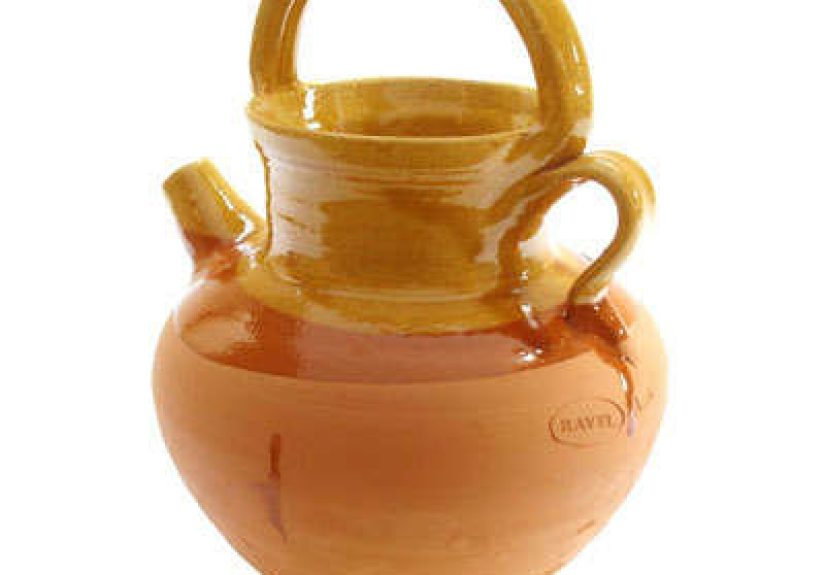
The Poterie Ravel French Mustard Water Jug is a handcrafted ceramic vessel associated with the storied French workshop Poterie Ravel. The version that drew particular design attention was described as a one-of-a-kind water jug with a glazed upper half in a rich mustard tone and a lower half in exposed clay. That two-part finish is a large part of its visual magic. The glossy top catches the eye; the raw lower portion grounds the piece in rustic authenticity.
That contrast is what keeps the jug from feeling fussy. It is cheerful, but not loud. Rustic, but not rough. Decorative, but still rooted in utility. In other words, it is the rare tabletop object that can sit comfortably in a farmhouse kitchen, a Mediterranean-inspired dining room, or a clean modern interior that needs one warm, soulful note.
Even the name itself is persuasive. “French mustard water jug” sounds specific, elegant, and slightly delicious. It suggests a Provençal table under dappled shade, bread tearing by hand, and somebody insisting the tomatoes came from a local market. Whether you use the jug for water, flowers, utensils, or simply as a sculptural accent, the mood arrives with the object.
The Heritage Behind Poterie Ravel
To understand why this jug matters, it helps to know the maker. Poterie Ravel is one of the oldest ceramic manufacturers in France, with roots dating back to 1837 in Aubagne, Provence. The workshop has long been associated with hands-on production, family continuity, and a deep connection to local clay traditions. In a world where “artisanal” is often a marketing adjective tossed around like parsley, Ravel actually earns the word.
Aubagne itself has a serious clay pedigree. The town’s ceramic and pottery traditions go back centuries, and by the 19th century pottery and ceramics formed a major part of the local economy. That background matters because Poterie Ravel did not appear from nowhere as a lifestyle brand. It grew out of a real working pottery culture, one shaped by everyday domestic objects, regional craftsmanship, and a long familiarity with what clay can do.
Over time, Poterie Ravel evolved from practical household production into a respected name in terracotta and decorative ceramics. The workshop became especially known for larger planters and garden pieces, yet its smaller homewares have their own devoted following. That is where the French Mustard Water Jug becomes especially interesting. It brings the prestige and material language of a historic pottery house into an intimate, tabletop scale.
Why Aubagne Matters
Aubagne is not just a dot on a map. It is part of the cultural identity of Provence and has long been linked with clay work, pottery, and earthenware production. When a jug comes from a place with that depth of tradition, the object carries more than form and finish. It carries regional memory.
That is one reason French pottery from Provence continues to attract collectors and stylists. It feels lived in even when newly made. It looks as though it belongs to a house with shutters, herbs drying by the window, and one very opinionated grandmother who would absolutely judge your olive oil. In the best possible way.
Design Details That Make This Jug Stand Out
The magic of the Poterie Ravel French Mustard Water Jug is not a single detail. It is the harmony of several details working together.
1. The Mustard Glaze
The mustard tone is warm, golden, and deeply evocative of southern France. It avoids the shrill brightness of lemon yellow and instead lands in a mellow, sun-baked spectrum that feels both cheerful and mature. In design terms, this is a highly useful color. It pairs beautifully with white walls, wood tables, linen napkins, terracotta floors, olive green accents, and even darker contemporary palettes.
Because mustard occupies that sweet spot between neutral and statement color, the jug can function as either an accent piece or a quiet anchor. It wakes up a shelf without hijacking it. That is hard to do. Many decorative objects either disappear or scream. This jug has the social skill to do neither.
2. The Exposed Clay Base
The unglazed lower portion adds tactile contrast and visual honesty. You can see the clay. You can imagine the hands. You can feel the material identity of the piece rather than just its polished finish. This detail also links the jug to older earthenware traditions in which porous clay vessels served practical domestic roles.
Even when this particular jug is admired mainly as décor, that exposed clay keeps it from drifting into preciousness. It reminds you that pottery begins in the earth. Not in a trend report. Not in an algorithm. In the earth.
3. The Shape
The silhouette of a traditional French water jug is important. Rounded bodies, sturdy handles, and practical proportions give these vessels an enduring appeal. They are pleasant to hold, pleasant to look at, and easy to imagine in use. French pottery collectors often gravitate toward jugs and pitchers precisely because they combine sculptural presence with domestic familiarity.
A good jug shape also ages well stylistically. Unlike hyper-trendy décor pieces, a classic ceramic vessel does not become embarrassing five years later. You do not have to hide it when guests come over and pretend you were “trying something experimental.”
How This Jug Connects to Traditional Water Vessels
Across many ceramic traditions, water vessels were designed to do more than hold liquid. Unglazed or partially unglazed earthenware has long been associated with cooling by evaporation. Museums and ceramic historians frequently note that porous clay bodies helped keep water cooler, especially in warm climates.
That broader history adds resonance to the Poterie Ravel French Mustard Water Jug. Even if owners now use it as a centerpiece, flower vessel, or shelf display, it visually echoes the older logic of functional pottery: clay should be beautiful, yes, but it should also participate in everyday life.
This is why the jug feels authentic rather than theatrical. It does not merely imitate rustic style. It belongs to a long family of pottery forms shaped by serving, storing, pouring, and cooling. The decorative power comes from that functional ancestry.
Why Collectors and Designers Love It
Collectors love this jug because it sits at a charming intersection of French pottery history, handcrafted production, and approachable domestic scale. Designers love it because it delivers instant character. It reads as European without becoming cliché. It adds color without becoming childish. And it brings texture, which every good room needs.
There is also the appeal of rarity. The jug was listed as discontinued, which naturally gives it a little extra mystique. People are funny that way. The moment a beautiful object becomes harder to find, it stops being a jug and starts becoming “a piece.” Cue the dramatic lighting and the inflated auction confidence.
Still, the collectibility is not just about scarcity. It is about coherence. The maker, the material, the glaze, the Provençal associations, and the practical form all align. When an object feels complete in that way, it tends to endure.
Best Uses in the Home
- Table centerpiece: Fill it with branches, garden flowers, or leave it empty as a sculptural statement.
- Kitchen accent: Style it on an open shelf beside wooden boards, linen towels, and everyday crockery.
- Dining room vessel: Use it for water during casual meals or as a conversational piece during dinner parties.
- Entryway décor: Place it on a console to add warmth and a collected feel.
- Seasonal styling: Pair it with citrus in summer, dried leaves in fall, and evergreen cuttings in winter.
How to Style a Poterie Ravel French Mustard Water Jug
The easiest mistake with a special ceramic piece is over-staging it. This jug does not need theatrical support. It wants breathing room.
Pair It With Natural Materials
Linen, wood, stone, wicker, and aged metal all play beautifully with mustard glaze and terracotta. These materials echo the jug’s warmth and keep the overall look grounded. If you put it next to plastic, the jug will still look great, but it may silently judge you.
Use Contrast Thoughtfully
Because the jug has both glazed and raw surfaces, it already contains contrast. Use that to your advantage. Set it against a pale plaster wall, a dark wood table, or a simple white shelf so the form and finish can stand out.
Keep the Surroundings Honest
This is not an object that benefits from clutter. Give it a few companions at most: a stack of plates, a bowl of fruit, a brass candlestick, or a folded runner. The point is not to build a theatrical “French corner.” The point is to let one excellent object do what excellent objects do.
What Makes It SEO-Worthy and Story-Worthy
From a content perspective, Poterie Ravel French Mustard Water Jug is the kind of keyword-rich topic that actually deserves an article. It combines product identity, maker history, French design heritage, collectible pottery appeal, and home décor relevance. That means it naturally supports related search phrases such as French pottery jug, Provençal ceramic water jug, Poterie Ravel pottery, mustard glazed jug, and handcrafted French earthenware.
But beyond search performance, it is simply a good story. People respond to objects that feel rooted in place and process. A Ravel jug is not compelling because it is expensive or obscure. It is compelling because it feels made, not merely manufactured; inherited, not merely purchased; lived with, not merely displayed.
Experiences Related to the Poterie Ravel French Mustard Water Jug
Owning or even encountering a jug like this tends to create a surprisingly vivid experience. The first thing people usually notice is the color. It does not scream yellow. It glows. In morning light, it can look almost honeyed. In the late afternoon, it deepens into something closer to saffron or toasted mustard. That shift gives the piece a kind of daily rhythm, which is more than most décor objects can claim.
Then there is the tactile experience. The glazed top feels smooth and finished, while the exposed clay below feels dry, soft, and grounded. Running your hand over both surfaces tells the story of the object without a single label. One half says elegance. The other says earth. Together they say, “Yes, I am pretty, but I also know where I came from.”
In a kitchen, the jug changes the atmosphere more than you expect. Place it on an open shelf and suddenly the room feels less assembled and more collected. Set it on a table with bread, olives, tomatoes, and a simple carafe of water, and it creates the sort of casual charm people spend a small fortune trying to fake. It does not try too hard. That is its secret weapon.
There is also the emotional experience of association. A French mustard water jug suggests travel, markets, old workshops, and the romance of useful objects. It can make a weeknight dinner feel just a little less rushed. Even empty, it has presence. Filled with flowers, it becomes generous. Filled with water, it returns to the humble job its form was born to do.
For collectors, the experience includes the quiet thrill of recognition. You start spotting the details that distinguish mass-produced ceramics from true handcrafted work: the nuanced glaze variation, the slightly individual line, the way the piece sits with confidence. A jug like this teaches your eye. After a while, bland pottery starts looking very bland indeed.
And perhaps that is the real pleasure of the Poterie Ravel French Mustard Water Jug. It reminds you that daily objects can still carry history, skill, humor, and beauty. It is not just a vessel. It is a little lesson in living well, preferably with good bread nearby.
Conclusion
The Poterie Ravel French Mustard Water Jug is a small masterpiece of Provençal pottery style: warm mustard glaze, exposed clay texture, practical form, and a heritage rooted in one of France’s long-standing ceramic traditions. It is decorative without being fussy, collectible without being cold, and rustic without losing elegance.
For anyone who loves French pottery, handcrafted ceramic jugs, or timeless kitchen décor with real personality, this piece represents the best kind of object: one that looks beautiful, feels meaningful, and keeps rewarding your attention. In a world full of things trying very hard to appear special, this jug has the easier job of simply being special.
Note: This web-ready HTML intentionally excludes source links and citation placeholders for clean publishing.