Table of Contents >> Show >> Hide
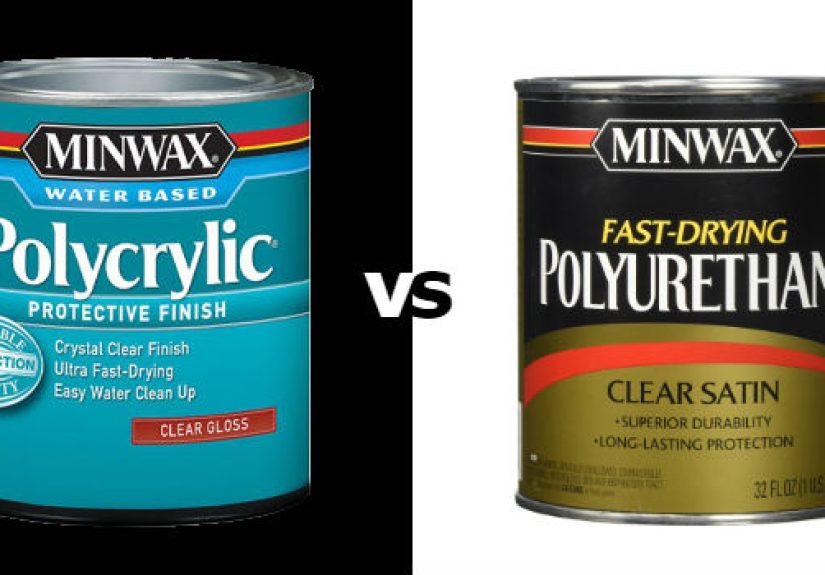
If you’re a DIY enthusiast or a professional woodworker, you’ve probably come across two popular wood finishes: Polycrylic and Polyurethane. Both are widely used for protecting wood surfaces, but understanding the differences between these two finishes can make a huge difference in your project outcomes. In this article, we’ll dive into the characteristics, uses, and benefits of both, helping you choose the best finish for your needs.
What Is Polycrylic?
Polycrylic is a water-based finish that is often chosen for its ease of use and quick drying time. It’s an acrylic resin-based product, offering a clear, durable finish that resists yellowing over time, making it ideal for light-colored woods or projects where clarity is key. Polycrylic is available in both satin and glossy finishes, providing a versatile option for various wood types and finishes.
One of the standout features of Polycrylic is its low odor, which makes it a preferred choice for indoor applications. It’s also non-toxic once dry, making it safe for children’s furniture or items used in food preparation. Because it’s water-based, cleanup is a breeze, requiring only soap and water. The finish is smooth and crystal clear, but it might not be as durable as Polyurethane in certain high-traffic areas.
What Is Polyurethane?
Polyurethane, on the other hand, is available in both oil-based and water-based formulations. While both types offer protection, oil-based polyurethane is the more traditional option, known for its robust and rich finish. It’s ideal for high-traffic areas and can withstand wear and tear better than Polycrylic. The oil-based version also tends to give a deeper, more amber-colored finish that enhances the grain of the wood, making it a favorite for darker woods and furniture that needs extra durability.
Polyurethane’s water-based version is easier to clean up and dries faster than its oil-based counterpart. However, oil-based polyurethane takes longer to dry and requires more ventilation due to its strong odor. While it offers excellent protection, the amber tint may not be desirable for light-colored woods or when a clear finish is preferred.
Key Differences Between Polycrylic and Polyurethane
1. Composition
Polycrylic is made from acrylic resins, while polyurethane is a polymer made from urethane compounds. The main difference in composition impacts their durability, drying times, and overall finish.
2. Durability
Polyurethane is generally more durable than Polycrylic, especially in high-traffic areas or surfaces exposed to moisture. Polyurethane’s oil-based formulation offers superior wear resistance and can handle rough conditions better. Polycrylic, while durable, is not as resistant to abrasion, heat, or moisture, which makes it better suited for low-traffic areas or decorative pieces.
3. Appearance
Polycrylic is clear, meaning it won’t alter the color of the wood. It’s perfect for projects where you want to maintain the natural look of light-colored wood. Polyurethane, particularly the oil-based version, adds a warm amber tint, enhancing the grain and giving wood a richer, darker finish. This feature is especially useful when working with darker woods like walnut or mahogany, where the amber tint complements the wood’s natural color.
4. Ease of Use
Polycrylic is much easier to apply due to its quick drying time and the fact that it’s water-based. It’s a great option for beginners or for projects where you need multiple coats in a short amount of time. Polyurethane, especially the oil-based variety, takes longer to dry, requiring more patience during the application process. Additionally, oil-based polyurethane releases a stronger odor and requires proper ventilation.
5. Cleanup
One of the biggest advantages of Polycrylic is its ease of cleanup. Since it’s water-based, you can clean up your brushes and tools with soap and water. Polyurethane, on the other hand, requires mineral spirits or paint thinner for cleanup, which can be more of a hassle and also poses more environmental concerns.
When to Use Polycrylic
Polycrylic is ideal for projects where you need a quick-drying, clear finish. It’s perfect for indoor furniture, cabinetry, trim, and decorative projects where you want to highlight the wood’s natural color. It’s also a great option for wood that will be handled frequently but doesn’t face heavy wear and tear. Keep in mind that Polycrylic is best for lighter woods and projects with minimal exposure to moisture or high traffic.
When to Use Polyurethane
Polyurethane is best suited for projects that need maximum durability. If you’re working on hardwood floors, kitchen countertops, or other surfaces that will experience heavy foot traffic or exposure to moisture, polyurethane is the better choice. It’s also the go-to finish for outdoor furniture or any items that will be exposed to the elements, especially if you’re using oil-based polyurethane. This finish is also ideal for darker woods or when you want to add a rich, amber hue to the wood’s natural color.
Polycrylic vs. Polyurethane: Which One Should You Choose?
The choice between Polycrylic and Polyurethane ultimately depends on your project needs. If you’re working on a small indoor project that requires a quick, clear finish and easy cleanup, Polycrylic is an excellent choice. For high-traffic areas or projects requiring extra durability, Polyurethane will offer the best protection. Keep in mind that if you prefer a deeper, more amber-colored finish, oil-based polyurethane will give you that luxurious glow, while water-based polyurethane is a quicker-drying alternative with less odor.
Conclusion
Both Polycrylic and Polyurethane are excellent choices for finishing wood, but understanding their unique characteristics will help you choose the right one for your project. Polycrylic offers a clear, fast-drying finish that is perfect for light-colored woods and indoor projects, while Polyurethane provides superior durability and a rich finish for high-traffic or outdoor areas. When in doubt, consider the level of protection your project needs, the type of wood you’re working with, and the desired finish to make the best choice.
Personal Experiences: Polycrylic vs. Polyurethane
Over the years, I’ve used both Polycrylic and Polyurethane in a variety of woodworking projects. My experience has shown that choosing the right finish is essential for the longevity and appearance of the project. For example, I once refinished a small oak coffee table with Polycrylic because I wanted to preserve the natural light color of the wood. It dried quickly, left a smooth finish, and was easy to clean up. However, after a few months of use, I noticed slight wear in the areas that were frequently touched. For lighter projects, Polycrylic was a good choice, but for more durable finishes, I learned that I needed a stronger solution.
On the other hand, I used oil-based Polyurethane for a cherry wood dining table, and the results were stunning. The rich, amber tone added depth to the wood, and the durability was unmatched. Although the application process was longer due to drying time and the need for more ventilation, I was impressed with how well the finish stood up to daily use, even with kids running around and spills here and there. The Polyurethane-coated table still looks brand new, and the finish has held up beautifully.
In conclusion, both finishes have their place in woodworking. Polycrylic is great for light-duty projects, while Polyurethane excels in high-traffic, high-durability applications. I recommend experimenting with both to see which best suits your needs and project goals.