Table of Contents >> Show >> Hide
- What Is Kapuśniak?
- Why You’ll Love This Polish Cabbage and Sauerkraut Soup
- Ingredients for Kapuśniak Soup
- How to Make Polish Cabbage and Sauerkraut Soup
- Recipe Card: Polish Cabbage and Sauerkraut Soup
- Tips for the Best Kapuśniak
- Variations of Polish Sauerkraut Soup
- What to Serve With Kapuśniak
- How to Store and Reheat Kapuśniak
- Common Mistakes to Avoid
- Experience Notes: Cooking Kapuśniak in a Real Home Kitchen
- Conclusion
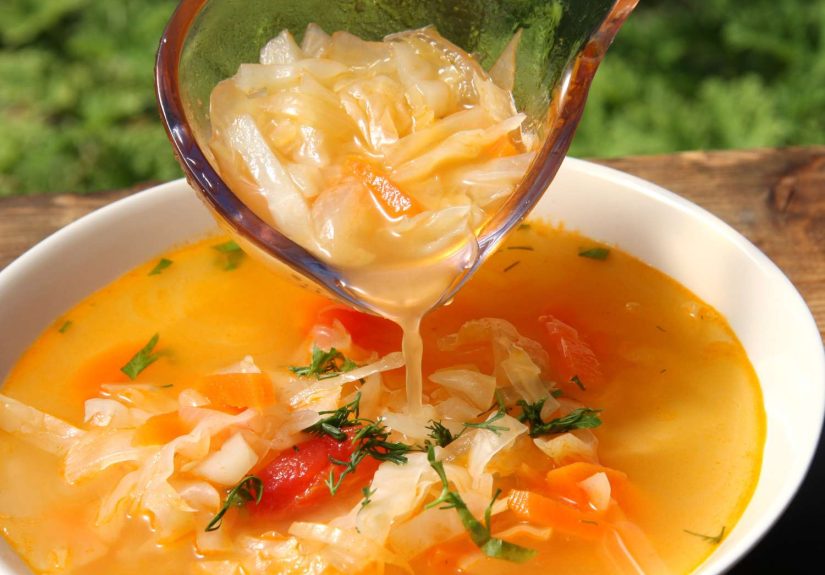
If comfort food had a passport, Polish Cabbage and Sauerkraut Soup, better known as Kapuśniak, would have stamps from every cozy kitchen in Eastern Europe. This hearty Polish soup is bold, tangy, smoky, and deeply satisfyingthe kind of meal that makes cold weather feel less like a problem and more like an invitation to grab a spoon.
Kapuśniak is built around two humble heroes: cabbage and sauerkraut. Fresh cabbage brings sweetness and body, while sauerkraut adds that signature sour spark that wakes up the whole pot. Add smoky kielbasa, tender potatoes, carrots, onions, garlic, marjoram, bay leaves, and a good broth, and suddenly you have a soup that tastes like it has been passed down through generationsbecause, in many Polish families, it has.
This recipe is designed for home cooks in the United States who want an authentic-style Polish sauerkraut soup recipe without hunting for rare ingredients or calling three grandmothers for emergency backup. It keeps the traditional soul of kapuśniak while using easy-to-find ingredients from most grocery stores.
What Is Kapuśniak?
Kapuśniak is a traditional Polish cabbage soup made with sauerkraut, fresh cabbage, vegetables, herbs, and often smoked pork, ribs, bacon, or kielbasa. The name comes from “kapusta,” the Polish word for cabbage. In simple terms, kapuśniak is cabbage soup with personality. It is sour, savory, smoky, and rustic in the best possible way.
Unlike creamy soups or delicate broths, kapuśniak is unapologetically hearty. It does not tiptoe into the room; it arrives wearing boots, carrying potatoes, and smelling faintly of smoked sausage. The soup is especially popular during colder months because it is filling, affordable, and excellent for feeding a family.
Why You’ll Love This Polish Cabbage and Sauerkraut Soup
This Polish cabbage and sauerkraut soup is the perfect balance of old-world flavor and weeknight practicality. It uses pantry-friendly ingredients, gets better after resting, and tastes even richer the next day. That means leftovers are not just acceptablethey are basically the soup improving itself while you sleep.
The sauerkraut gives the broth its bright tang, but the potatoes and carrots mellow the sharpness. Kielbasa brings smoky depth, while marjoram adds a classic Polish flavor that makes the soup taste authentic without requiring culinary gymnastics. A little caraway is optional, but it gives the cabbage a warm, earthy note that works beautifully.
Ingredients for Kapuśniak Soup
This recipe makes about 6 generous servings.
Main Ingredients
- 1 tablespoon vegetable oil or unsalted butter
- 12 ounces smoked kielbasa, sliced into half-moons
- 1 medium yellow onion, diced
- 2 medium carrots, peeled and sliced
- 2 celery ribs, diced
- 3 garlic cloves, minced
- 3 medium potatoes, peeled and cut into bite-size cubes
- 3 cups fresh green cabbage, thinly sliced
- 3 cups sauerkraut, lightly drained but not rinsed
- 7 cups chicken broth, pork broth, or vegetable broth
- 2 bay leaves
- 1 teaspoon dried marjoram
- 1/2 teaspoon caraway seeds, optional
- 1/2 teaspoon smoked paprika, optional
- 1/2 teaspoon black pepper, plus more to taste
- Salt, to taste
- 2 tablespoons chopped fresh dill or parsley, for serving
Optional Add-Ins
- 4 ounces bacon, diced, for extra smoky flavor
- 1 smoked ham hock or smoked pork ribs for a deeper broth
- 1 cup cooked white beans for extra protein
- 1 tablespoon tomato paste for a richer color and mild sweetness
- A spoonful of sour cream for serving
How to Make Polish Cabbage and Sauerkraut Soup
Step 1: Brown the Kielbasa
Heat the oil or butter in a large soup pot or Dutch oven over medium heat. Add the sliced kielbasa and cook for 4 to 5 minutes, stirring occasionally, until the edges are browned. This step matters because browned sausage adds smoky flavor to the soup base. Remove the kielbasa to a plate and set it aside.
Step 2: Sauté the Vegetables
In the same pot, add the onion, carrots, and celery. Cook for 5 to 7 minutes, stirring often, until the onion softens and the vegetables begin to smell sweet and savory. Add the garlic and cook for 30 seconds. Do not wander off here; garlic goes from “delicious” to “tiny bitter tragedy” very quickly.
Step 3: Build the Broth
Add the potatoes, fresh cabbage, broth, bay leaves, marjoram, caraway seeds, smoked paprika, and black pepper. Stir well and bring the soup to a gentle boil. Reduce the heat to medium-low, cover the pot partially, and simmer for 15 to 20 minutes, or until the potatoes are just tender.
Step 4: Add the Sauerkraut
Stir in the sauerkraut and return the browned kielbasa to the pot. Simmer uncovered for another 20 to 25 minutes. Adding sauerkraut after the potatoes begin to soften is important because acidic ingredients can slow the softening of potatoes. Translation: if you add the sauerkraut too early, your potatoes may decide to become stubborn little rocks.
Step 5: Adjust the Flavor
Taste the soup before adding salt. Sauerkraut and kielbasa can be salty, so the pot may already have plenty of seasoning. If the soup tastes too sharp, add a little more broth or a pinch of sugar. If it tastes too mild, add a splash of sauerkraut brine. Remove the bay leaves before serving.
Step 6: Serve Hot
Ladle the kapuśniak into bowls and garnish with fresh dill or parsley. Serve it with rye bread, crusty sourdough, or a slice of buttered country bread. A spoonful of sour cream on top is optional, but highly recommended if you enjoy a creamier finish.
Recipe Card: Polish Cabbage and Sauerkraut Soup
Prep Time
15 minutes
Cook Time
45 minutes
Total Time
1 hour
Servings
6 servings
Course
Soup, Main Dish
Cuisine
Polish, Eastern European
Tips for the Best Kapuśniak
Do Not Rinse the Sauerkraut Unless Necessary
The tangy flavor of kapuśniak comes from sauerkraut and its brine. Lightly draining is fine, but rinsing removes much of the flavor. If your sauerkraut is extremely sour, rinse only half of it and keep the rest as-is.
Use Smoked Meat for Classic Flavor
Traditional kapuśniak often includes smoked pork ribs, bacon, ham hock, or kielbasa. Smoked meat gives the soup that deep, cozy flavor people associate with old-fashioned Polish cooking. Kielbasa is the easiest option for most American kitchens.
Add Sauerkraut After the Potatoes Start Cooking
Potatoes soften best in a broth that is not too acidic. For tender potatoes, simmer them first, then add sauerkraut later. This small timing trick makes a big difference.
Let the Soup Rest
Kapuśniak is one of those magical soups that tastes even better after a few hours. The cabbage relaxes, the broth deepens, and the sausage shares its smoky wisdom with everyone in the pot.
Variations of Polish Sauerkraut Soup
Traditional Pork Kapuśniak
For a more traditional version, simmer smoked pork ribs or a ham hock in the broth before adding the vegetables. Remove the meat, shred it, and return it to the soup near the end. This creates a richer, more old-fashioned flavor.
Vegetarian Kapuśniak
Skip the kielbasa and use vegetable broth. Add mushrooms, white beans, or smoked paprika to build depth. Dried mushrooms are especially good because they bring an earthy flavor that pairs beautifully with sauerkraut.
Extra-Sour Kapuśniak
If you love bold sour soups, add extra sauerkraut brine at the end. Start with 2 tablespoons, taste, and continue from there. This version is for people who think pickles are a food group.
Milder Family-Style Kapuśniak
Use more fresh cabbage and less sauerkraut for a gentler flavor. This is a smart choice if you are serving kids or anyone who gets nervous when dinner has “fermented” in the description.
What to Serve With Kapuśniak
This Polish sauerkraut soup is filling enough to stand on its own, but it loves company. Rye bread is the classic choice because its earthy flavor complements the tangy broth. Crusty bread, potato pancakes, boiled potatoes, or a simple cucumber salad also work well.
For a cozy dinner, serve kapuśniak with bread, butter, and a small plate of pickles. The meal feels rustic, satisfying, and wonderfully unfussy. Nobody needs tweezers, foam, or a 17-step garnish. Just soup, bread, and happiness.
How to Store and Reheat Kapuśniak
Let the soup cool, then transfer it to an airtight container. Store it in the refrigerator for up to 4 days. The flavor improves as it sits, so do not be surprised if day-two kapuśniak tastes even better than the first bowl.
To reheat, warm the soup gently on the stovetop over medium-low heat until hot. Add a splash of broth or water if it has thickened too much. You can also microwave individual portions in a covered microwave-safe bowl, stirring halfway through.
Kapuśniak can be frozen for up to 3 months. The potatoes may soften slightly after thawing, but the flavor remains delicious. For best results, cool the soup completely before freezing.
Common Mistakes to Avoid
Using Too Much Salt Too Early
Kielbasa and sauerkraut already contain salt, so season carefully. Taste near the end before adding more. Once a soup is too salty, it becomes a rescue mission, and nobody planned to spend dinner negotiating with a potato.
Skipping the Browning Step
Browning the kielbasa gives the soup a deeper flavor. If you toss everything into the pot at once, the soup will still be edible, but it may taste flatter.
Overcooking the Cabbage
Fresh cabbage should become tender but not disappear completely. The best kapuśniak has texture, with soft potatoes, silky cabbage, and pleasantly chewy sauerkraut.
Experience Notes: Cooking Kapuśniak in a Real Home Kitchen
The first thing you notice when making kapuśniak is that it does not behave like a delicate soup. It is not shy. The moment kielbasa hits the hot pot, the kitchen starts smelling like dinner with confidence. Add onions and garlic, and suddenly everyone nearby develops a mysterious reason to walk through the kitchen. They may pretend they are just getting water, but we know the truth.
One of the best experiences with this Polish cabbage and sauerkraut soup recipe is learning how flexible it can be. Some days, you may want it smoky and rich with extra kielbasa. Other days, you may want a lighter version with vegetable broth, mushrooms, and more fresh cabbage. Kapuśniak allows both. It is traditional, but not fussy. Like many family recipes, it understands that the best ingredient is often whatever is already in the refrigerator.
The sauerkraut is where personal taste really comes into play. Some jars are mild and crisp, while others are bold enough to make your eyebrows stand at attention. That is why tasting is so important. Start with lightly drained sauerkraut, let it simmer, then adjust the broth at the end. If the soup tastes too mellow, add brine. If it tastes too sharp, add broth, a pinch of sugar, or a little sour cream when serving. This is not cheating; this is cooking like someone who plans to enjoy dinner.
Another practical lesson is that kapuśniak is a meal-prepper’s friend. On the first day, it is bright and hearty. On the second day, the flavors settle into something deeper and rounder. The cabbage becomes softer, the potatoes absorb the broth, and the smoky sausage flavor spreads through the pot. If soups had character development, kapuśniak would win an award.
Serving it is also part of the experience. A bowl of kapuśniak feels complete with rye bread or a thick slice of crusty bread. The bread soaks up the tangy broth, which is important because leaving good broth behind should be considered a minor kitchen crime. Fresh dill or parsley on top adds color and freshness, while sour cream makes the soup richer and more comforting.
For beginners, the biggest advice is simple: do not overthink it. Kapuśniak was not invented to impress food critics with tiny portions and artistic dots of sauce. It was made to warm people up, stretch affordable ingredients, and turn cabbage into something memorable. That is its charm. It is practical, generous, and deeply flavorful.
Once you make it a few times, you will probably stop measuring every detail. You will know whether your family likes more potatoes, more sauerkraut, extra kielbasa, or a broth that leans smoky instead of sour. That is when the recipe becomes yours. And when a recipe becomes yours, congratulationsyou are now one step away from telling someone, “I don’t really use a recipe,” which is the unofficial badge of home-cooking confidence.
Conclusion
Polish Cabbage and Sauerkraut Soup, or Kapuśniak, is proof that simple ingredients can create big flavor. With sauerkraut, fresh cabbage, potatoes, vegetables, herbs, and smoky kielbasa, this soup delivers comfort in every spoonful. It is tangy without being harsh, hearty without being heavy, and traditional without being difficult.
Whether you are exploring Polish recipes for the first time or recreating a family favorite, this kapuśniak recipe is a reliable place to start. Make it once, enjoy the leftovers, and do not be shocked if it earns a permanent spot in your cold-weather dinner rotation.
Note: This original, publish-ready article is written in clean body HTML and based on real kapuśniak cooking traditions, common Polish soup methods, and practical American home-kitchen ingredients.