Table of Contents >> Show >> Hide
- What Is the Polaroid Z2300?
- Key Features That Made the Z2300 Stand Out
- How Photo Quality Actually Feels
- Where the Z2300 Really Shines
- Where It Falls Short
- Is the Polaroid Z2300 Still Interesting Today?
- Who Should Love This Camera?
- Final Verdict
- Experience: Using the Polaroid Z2300 in Real Life
- SEO Tags
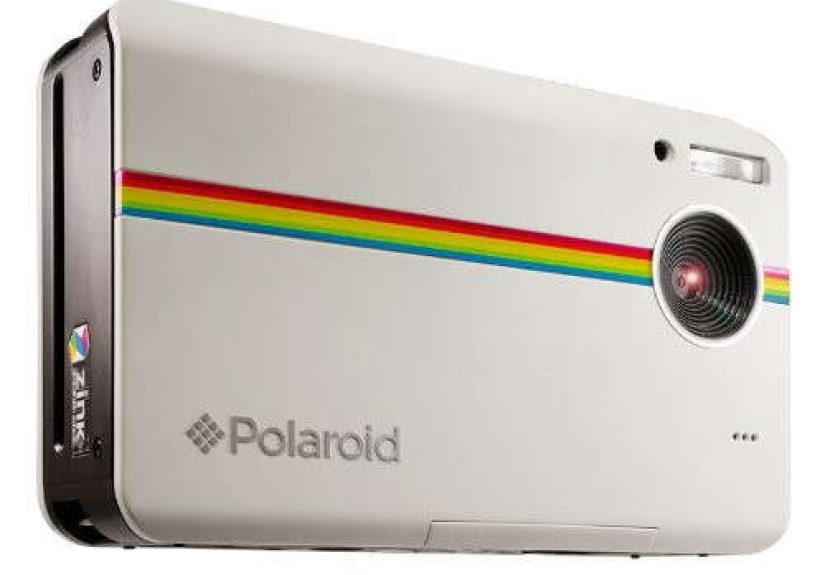
The Polaroid Z2300 10MP Digital Instant Print Camera is the kind of gadget that makes people grin before they even press the shutter. One look at that rainbow stripe and you already know what this camera is trying to do: bring back the fun of instant photography without asking you to live entirely in the past. It is part digital point-and-shoot, part portable printer, part nostalgia machine, and part conversation starter that practically begs to be brought to parties, road trips, scrapbooking nights, and any event where “send me that pic later” sounds a little too modern.
What makes the Z2300 interesting is not that it tries to compete with a serious mirrorless camera. It absolutely does not. Instead, it offers a different promise: snap a photo, decide whether it deserves eternal refrigerator fame, and print it right there without ink cartridges, messy ribbons, or dramatic darkroom energy. In an era when most pictures vanish into a cloud folder nobody opens again, the Z2300 feels refreshingly stubborn. It wants your photos to exist in real life.
That stubborn little mission is exactly why the Polaroid Z2300 still gets attention from retro-camera fans and instant-photo lovers. It mixes digital convenience with physical prints, which means you can keep the file, make more than one print, skip bad shots, and still enjoy the old-school thrill of watching a photo slide out of the side of the camera. It is not perfect. In fact, perfection is nowhere near the guest list. But charm? Oh, it brought plenty.
What Is the Polaroid Z2300?
The Polaroid Z2300 is a 10-megapixel instant digital camera with a built-in ZINK printer. That means it captures digital images like a compact camera, stores them internally or on an SD/SDHC card, and prints 2×3-inch photos directly from the camera. It also records 720p HD video, includes a bright rear LCD for framing and playback, and lets users review and edit images before printing.
In plain English, it is a camera for people who want the best part of digital photography and the best part of instant printing in the same boxy little body. You can shoot first, print later, and avoid wasting paper on accidental ceiling photos, blurry elbows, or that one shot where everyone blinked in perfect unison. Technology really can be beautiful.
Key Features That Made the Z2300 Stand Out
1. A 10MP Sensor With Digital Convenience
The Z2300 uses a 10-megapixel sensor, which was solid for a fun-focused compact camera of its era. It also supports multiple still-image resolutions, 720p video, built-in storage, and memory expansion up to 32GB with SD or SDHC cards. That made it more flexible than classic instant film cameras, which gave you one print and one chance to live with your mistakes forever.
Because it is a digital camera, the Z2300 lets you keep original files, transfer them to a computer, and reprint favorites. That is a surprisingly big deal. Traditional instant photography often feels magical, but it can also feel like gambling. The Z2300 replaces some of that risk with digital backup. Think of it as nostalgia with a safety net.
2. Built-In Instant Printing With ZINK Technology
The real headline feature is the built-in printer. The camera prints 2×3-inch full-color photos using ZINK Zero Ink paper, which contains dye crystals activated by heat. Translation: no cartridges, no ribbons, and no tiny plastic drama. Just load the paper, pick your shot, and let the camera do its thing.
Polaroid marketed the Z2300 as printing in under a minute, and many reviews described the output arriving in roughly 30 seconds or so. The prints come out fully developed, so there is no waiting around while an image slowly appears like a ghost deciding whether to be social. That immediate payoff is a huge part of the camera’s appeal.
3. Sticker-Backed Prints for Extra Fun
The prints are not just small photos. They can also become stickers thanks to peel-back adhesive paper. That feature quietly turns the Z2300 into a crafty little gremlin. Suddenly your camera is making journal inserts, luggage labels, party favors, scrapbook pieces, and goofy photo tags for gifts. A serious photographer might roll their eyes. A fun photographer will already be decorating a notebook.
4. In-Camera Editing and Border Options
The Polaroid Z2300 was designed to be more than a one-button print toy. It allows users to crop images, add the classic Polaroid-style border, print date or file information, and use other built-in editing features before printing. The camera manual also points to options like red-eye correction and passport print functions, which gives the device a surprisingly playful utility streak.
That means the Z2300 is not just about spontaneous snapshots. It also invites a little customization. You can make a print look more retro, more practical, or more scrapbook-ready without leaving the camera. It is not Photoshop, but it never claimed to be. This is more “let’s have fun in line at a birthday party” than “let’s spend four hours color grading a sunset.”
5. A Familiar Compact-Camera Feel
The Z2300 includes a 3-inch LCD screen, flash, speaker, microphone, and a fixed lens with digital zoom. It also offers a macro option, self-timer, and basic menu controls for common settings like white balance and sharpness. In other words, it behaves enough like a standard compact digital camera that most people can pick it up and start shooting without needing a film-photography TED Talk.
How Photo Quality Actually Feels
Here is the honest part: nobody buys a Polaroid Z2300 because they are chasing studio-grade image quality. Reviews from the time were pretty consistent on that point. The camera’s biggest strength was its fun factor, not its technical performance. Some reviewers liked the colorful, retro-leaning output and the convenience of getting a physical photo immediately. Others criticized the limited detail, clunky handling, weak ergonomics, slow shutter response, and unimpressive print quality.
That does not mean the Z2300 is bad at being a Z2300. It just means you should judge it by the right standard. If you expect a premium travel camera, you will be disappointed. If you expect a quirky instant digital camera that makes party photos, memory-book prints, and physical keepsakes, the results feel much more satisfying.
The digital files are generally more useful than the tiny prints for fine detail. On-screen and on a computer, photos can look sharper than the final 2×3-inch print suggests. That is partly because the prints are small, and partly because this camera was designed to prioritize novelty, convenience, and shareability over serious photographic precision.
Where the Z2300 Really Shines
Parties and Celebrations
This camera is built for moments when people want a souvenir right now. Birthday parties, bridal showers, family reunions, graduations, and vacation dinners all benefit from instant prints you can hand to someone on the spot. The sticker-backed photo paper makes it even better for guest books, thank-you cards, and group memory boards.
Scrapbooking and Journaling
If your idea of a good afternoon includes washi tape, pens, glue dots, and a deeply satisfying amount of paper clutter, the Z2300 feels like a tiny sidekick. Because it prints small photos quickly and lets you choose only the shots you like, it is extremely useful for journals, planners, travel books, and DIY craft projects.
Kid-Friendly and Casual Family Use
The Z2300 also makes sense for families who want a camera that feels fun rather than fragile and precious. Kids tend to love the instant-print effect. Adults tend to love not wasting expensive film on every practice shot. Everyone wins, except maybe the family dog, who now has three sticker portraits on the fridge.
Where It Falls Short
For all its charm, the Polaroid Z2300 is not a flawless comeback story. Several reviewers noted that the body feels awkward in the hand, the menu system can be clumsy, and the shutter lag makes action shots a gamble. It also lacks the kind of optical zoom and overall image quality people expect from a more serious everyday camera.
Print quality is also a matter of expectations. ZINK prints are fun, durable, and convenient, but they do not look like premium lab prints. They are tiny, playful, and meant for immediate enjoyment. If your goal is a gallery wall, keep walking. If your goal is sticking a goofy vacation photo into a notebook five seconds after taking it, you are in the right neighborhood.
Is the Polaroid Z2300 Still Interesting Today?
Yes, but in a very specific way. The Z2300 is not interesting because it beats modern smartphones or newer instant cameras on pure performance. It is interesting because it captured a transitional moment in photo culture. It was built for people who wanted to keep living digitally while still holding something physical in their hand.
That idea still feels relevant. We take more photos than ever, yet many of them never become anything tangible. The Z2300 pushes back against that. It says a photo can be both a file and an object. It can live on a memory card and on a refrigerator. It can sit in a folder and in a travel journal. That is a surprisingly modern idea for a camera that now feels delightfully vintage.
Who Should Love This Camera?
The Polaroid Z2300 10MP Digital Instant Print Camera makes the most sense for people who value experience over technical perfection. It suits nostalgia lovers, scrapbookers, casual party photographers, gift givers, and anyone who wants instant prints without fully committing to old-school instant film costs and limitations.
If your personality lives somewhere between “I want a retro toy” and “I want a practical memory-making gadget,” the Z2300 is exactly your kind of weird. It is not trying to be the best camera in the room. It is trying to be the most fun camera in the room, and honestly, that is a worthy goal.
Final Verdict
The Polaroid Z2300 10MP Digital Instant Print Camera is a charming hybrid that understands a simple truth: photography is not only about image quality. It is also about delight, immediacy, and giving people something they can hold. With its 10MP sensor, 2×3-inch ZINK prints, built-in editing features, and retro-inspired style, it created a bridge between digital convenience and instant-photo nostalgia.
Its weaknesses are real. The image quality is limited, the interface can be clunky, and it was never a serious replacement for a strong compact camera. But that is almost beside the point. The Z2300 succeeds because it makes photography feel playful again. It turns a snapshot into a tiny event. And sometimes that matters more than perfect sharpness, flawless color science, or a menu system designed by people who clearly enjoy making others suffer.
If you judge it like a precision imaging tool, it stumbles. If you judge it like a memory-making machine, it absolutely gets the job done. The Polaroid Z2300 is quirky, imperfect, and easy to like. Which, frankly, is also how most family photo collections should be.
Experience: Using the Polaroid Z2300 in Real Life
Using the Polaroid Z2300 feels different from using a phone, and that difference is the whole point. A phone is fast, invisible, and endlessly practical. The Z2300 is a little louder about its intentions. When you pull it out, people notice. They ask what it is. Someone always says, “Wait, that thing prints?” Then the camera becomes part photo tool, part magic trick, and part social event.
The first experience most people remember is the print itself. You take a photo, tap through the playback screen, decide whether it deserves paper, and then hear the camera start working. A few seconds later, a tiny print slides out. Even people who know exactly how the technology works still react like the camera just performed a small act of wizardry. It is satisfying in the way digital life rarely is. We are used to taps, swipes, uploads, and notifications. The Z2300 gives you an object.
That changes the mood around photography. Instead of everyone taking fifty versions of the same group shot and never looking at them again, the Z2300 encourages a little ceremony. You shoot, you choose, you print, and then you pass the photo around. People laugh at expressions, point out details, and immediately decide where the little picture should go. On a fridge. In a bag. On a notebook. Inside a card. Stuck into a travel journal. It turns the photo into part of the occasion instead of leftover evidence that the occasion happened.
There is also something surprisingly nice about the camera’s limitations. Because the prints are small and the image quality is not hyper-detailed, users tend to relax. Nobody expects cinematic perfection. People are more willing to be goofy, spontaneous, and a little less curated. The result is often a better memory, even if it is technically a worse photo. That trade-off is not for everyone, but it is exactly why some people adore instant cameras.
Of course, daily use also reminds you that the Z2300 is not a luxury device. The body can feel chunky, the menus are not especially elegant, and if you are used to the polished speed of a smartphone, the camera’s pace may feel a little old-fashioned. But in a funny way, that slowness helps. It makes you choose. It makes the print feel earned. It makes each little photo more intentional than the average forgotten camera-roll image.
The best experience with the Polaroid Z2300 usually happens in moments that are already warm, messy, and personal: birthday tables covered in cake crumbs, road-trip pit stops, craft nights, school events, vacation journals, family kitchens, and gift exchanges. In those spaces, the camera’s quirks stop feeling like flaws and start feeling like personality. The Z2300 may not be the sharpest eye in the room, but it is often the most memorable one.