Table of Contents >> Show >> Hide
- What Are Pinpoint Pupils, Exactly?
- Why Pinpoint Pupils Matter
- Symptoms That Often Travel With Pinpoint Pupils
- Common Causes of Pinpoint Pupils
- 1) Opioids (and the “classic triad” people talk about)
- 2) Clonidine and other alpha-2 agonists (the opioid impersonators)
- 3) Organophosphate or carbamate exposure (the “cholinergic” storm)
- 4) Eye inflammation: anterior uveitis/iritis
- 5) Horner syndrome (when one eye is the introvert)
- 6) Brainstem stroke or hemorrhage (the “don’t wait it out” category)
- 7) Other, less common causes
- How Doctors Figure Out the “Why”
- Treatments: What Actually Helps
- When to Seek Immediate Help
- Conclusion
- Extra: Real-World Experiences (the “This Is What It Can Look Like” Section)
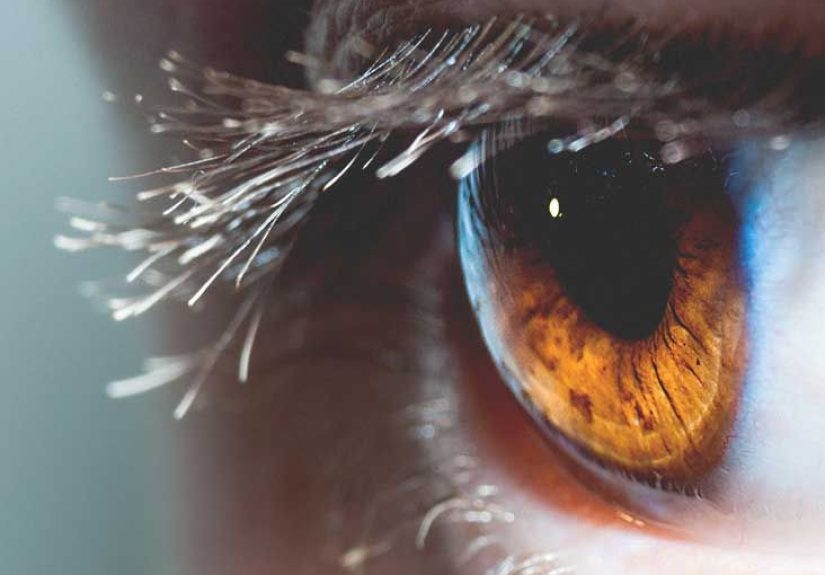
Your pupils are basically your eyes’ tiny bouncers: they decide how much light gets into the “club” (your retina).
Most nights, they’re chill. But when they suddenly shrink down to “two peppercorns in a snowstorm,” you’ve got
pinpoint pupilsalso called miosis.
Sometimes that’s harmless (hello, bright sunlight). Other times, it’s your body waving a red flag like it’s
directing airport traffic. This guide breaks down the symptoms, the most common causes,
and the treatmentsplus when to stop Googling and get urgent care.
What Are Pinpoint Pupils, Exactly?
“Pinpoint pupils” typically means pupils that are unusually smalloften around 2 mm or lessand
may stay small even in dim lighting. The medical term is miosis, which is simply “constricted pupils.”
Miosis vs. “I Just Walked Into the Sun”
Normal pupils constantly adjust to light. If you step outside at noon and your pupils shrink, that’s your eyes
doing their job. Pinpoint pupils become more suspicious when they’re unexpected, persistent,
or paired with other symptoms like confusion, slow breathing, eyelid droop, or severe eye pain.
Why Pinpoint Pupils Matter
Your pupil size is controlled by a tug-of-war between your sympathetic (“fight or flight”) and parasympathetic
(“rest and digest”) nervous systems. When pupils are unusually tiny, it often means:
- Too much parasympathetic action (common in certain poisonings and eye drops).
- Too little sympathetic action (as in Horner syndrome or some brainstem injuries).
- Drug effects (opioids are the celebrity example, but not the only one).
Symptoms That Often Travel With Pinpoint Pupils
Pinpoint pupils aren’t usually the whole story. Pay attention to the “friends” they arrive with:
Eye-related symptoms
- Eye pain, redness, light sensitivity, watery eyes
- Blurred vision or headache around the eye
- Sudden vision changes (always worth prompt evaluation)
Brain and body symptoms
- Sleepiness, confusion, fainting, or unresponsiveness
- Slow or irregular breathing, snoring/gurgling sounds, blue/gray lips
- Nausea, vomiting, sweating, drooling, diarrhea
- Weakness, twitching, seizures
- One-sided eyelid droop, facial sweating changes, or new neurologic deficits
Common Causes of Pinpoint Pupils
Here’s the practical breakdown: causes fall into a few “buckets.” The clues around the pupils usually point you
toward the right bucket.
| Category | Typical Clues | Why It Matters |
|---|---|---|
| Opioids / sedatives | Sleepiness, slow breathing, overdose risk | Can be life-threatening quickly |
| Toxins (organophosphates) | Drooling, sweating, wheezing, diarrhea | Requires urgent antidote-style care |
| Eye inflammation (uveitis/iritis) | Pain, redness, light sensitivity | Needs eye exam and treatment to protect vision |
| Horner syndrome | One small pupil + eyelid droop, less sweating | Can signal serious causes (neck/chest/brain issues) |
| Brainstem stroke/hemorrhage | Sudden severe symptoms, coma, weakness | Emergencytime is brain |
| Medication side effects | New meds/eye drops (e.g., pilocarpine) | Often treatable by adjusting therapy |
1) Opioids (and the “classic triad” people talk about)
Opioids (prescription pain medications, heroin, fentanyl, and others) can cause pinpoint pupils.
In overdose, they can also suppress the brain’s breathing drive. The classic warning combo is:
tiny pupils + slowed breathing + decreased consciousness.
Important nuance: not every opioid exposure looks “textbook.” Some people have mixed drug exposures, underlying
lung disease, or other medical issues that muddy the picture. Still, if pinpoint pupils show up alongside
breathing trouble or unresponsiveness, treat it like an emergency.
2) Clonidine and other alpha-2 agonists (the opioid impersonators)
Certain blood pressure meds and related drugsespecially clonidinecan produce a very opioid-like
pattern: miosis, sleepiness, slow heart rate, low blood pressure, and sometimes respiratory depression.
Clinically, one tip-off is that a person who looks like an opioid overdose may not improve with naloxone
if the real cause is an alpha-2 agonist. That’s one reason emergency clinicians widen the differential quickly.
3) Organophosphate or carbamate exposure (the “cholinergic” storm)
Organophosphates (found in some pesticides and, historically, nerve agents) can cause a surge of acetylcholine
activity. One of the hallmark signs is pinpoint pupils, often with a whole-body “too much secretion”
vibe: drooling, watery eyes, sweating, vomiting, diarrhea, plus wheezing or breathing distress.
If someone has pinpoint pupils plus heavy secretions and respiratory symptoms after possible chemical exposure,
that’s a “call emergency services now” situation.
4) Eye inflammation: anterior uveitis/iritis
Inflammation in the front of the eye (often called anterior uveitis or iritis) can
cause a painful, red eye with light sensitivity and a small, constricted pupil.
This isn’t the “I stared at my phone too long” kind of eye discomfortit can be intense.
Treatment is aimed at calming inflammation and preventing complications like scarring, glaucoma, or cataract. That
usually means prompt evaluation by an eye professional, and treatment can include anti-inflammatory drops and
medications that relax the iris (so it stops cramping like it’s doing sit-ups).
5) Horner syndrome (when one eye is the introvert)
Horner syndrome usually affects one side. Classic clues include:
one constricted pupil (more noticeable in the dark), a droopy eyelid, and sometimes
reduced sweating on that side of the face.
Horner syndrome can happen for reasons ranging from relatively benign to seriousanything that disrupts the
sympathetic nerve pathway from brain to face/eye. Because it can be associated with problems in the neck, chest,
or brain, new Horner syndrome symptoms warrant medical evaluation.
6) Brainstem stroke or hemorrhage (the “don’t wait it out” category)
Certain injuries to the brainstemparticularly the ponscan produce small, sometimes reactive pinpoint pupils.
This can be associated with severe neurologic symptoms, including decreased consciousness and abnormal eye movements.
Not every brainstem event presents identically, but sudden onset of pinpoint pupils with major neurologic changes
is a medical emergency. If there’s any concern for stroke, call emergency services.
7) Other, less common causes
-
Argyll Robertson pupils (classically linked with late syphilis): pupils are often small and have
a special patternpoor light response but better near response. -
Prescription eye drops that intentionally constrict the pupil (for example, pilocarpine):
these can cause one or both pupils to look “pinpoint,” depending on use. - Severe systemic illness or certain neurologic conditions (where pupil findings are just one piece of a larger picture).
How Doctors Figure Out the “Why”
Diagnosing pinpoint pupils isn’t just measuring the pupil and calling it a day. Clinicians look for patterns and context.
Step 1: History that actually matters
- New medications (especially opioids, clonidine, sedatives) or eye drops
- Possible exposure to pesticides/chemicals
- Head trauma or sudden neurologic symptoms
- Eye pain/redness or vision changes
- Timing: sudden vs. gradual, one eye vs. both
Step 2: Exam clues
- Are both pupils small or just one? One-sided suggests Horner syndrome or localized eye issues.
- Do they react to light? Reaction patterns help narrow causes.
- Are there neurologic deficits? Weakness, speech changes, or altered consciousness raise urgency.
- Eye exam findings can reveal inflammation, pressure issues, or injury.
Step 3: Testing (when needed)
Depending on the situation, doctors may order toxicology tests, blood work, or imaging like CT/MRIespecially if
stroke, hemorrhage, poisoning, or serious infection is a concern.
Treatments: What Actually Helps
There’s no universal “make pupils bigger” fixbecause the pupil size is a symptom. Treatment targets the cause.
Emergency treatments
-
Suspected opioid overdose: Call emergency services. If available and appropriate, naloxone
can rapidly reverse opioid effects and restore breathing. Rescue breathing and monitoring are also critical. -
Suspected organophosphate exposure: Emergency decontamination and specific treatments may be needed
(often in a hospital setting), alongside respiratory support. -
Stroke/brain hemorrhage signs: Rapid emergency evaluation and imaging; treatments depend on the type
of stroke or bleeding.
Non-emergency (but still important) treatments
-
Uveitis/iritis: Anti-inflammatory therapy, sometimes pupil-relaxing drops, and evaluation for
underlying systemic inflammatory conditions when indicated. - Horner syndrome: Treat the underlying cause once identified (the pupil finding itself is the clue, not the target).
- Medication side effects: Adjusting dosage, switching medications, or timing changesunder a clinician’s guidance.
When to Seek Immediate Help
Call emergency services right away if pinpoint pupils occur with any of the following:
- Slow, shallow, irregular, or stopped breathing
- Unresponsiveness, confusion, fainting, seizure
- New weakness, facial droop, trouble speaking, sudden severe headache
- Possible poisoning/chemical exposure (especially with drooling, sweating, wheezing)
- Severe eye pain or sudden vision loss
Conclusion
Pinpoint pupils can be a harmless moment of “my eyes met bright light and chose survival.” But when they’re
persistent or paired with alarming symptoms, they can be a vital diagnostic clueespecially for opioid overdose,
toxic exposures, eye inflammation, Horner syndrome, or brainstem events.
If something feels offespecially breathing problems, severe neurologic symptoms, or chemical exposuredon’t wait.
In the medical world, “I’ll sleep it off” is sometimes the plot twist nobody wants.
Extra: Real-World Experiences (the “This Is What It Can Look Like” Section)
The internet loves neat checklists. Real life? Real life is messy, loud, and usually happening in bad lighting.
Here are a few realistic, experience-based scenarios (composites, not anyone’s private story) that show how pinpoint
pupils can play out.
Experience #1: “He’s just exhausted”… until breathing says otherwise
Someone is found on a couch, “sleeping hard,” and a friend insists they’re finejust wiped out. But their breathing
is slow, their skin looks a little gray, and their pupils are tiny even when you turn on the lights. That’s the moment
experienced responders focus less on the pupils and more on the airway and breathing. Pinpoint pupils can be a clue,
but breathing is the headline. In these situations, emergency guidance emphasizes calling for help immediately and using
naloxone if an opioid overdose is suspected and naloxone is available. The biggest “aha” people report afterward is how
quickly things changedminutes mattered more than debates.
Experience #2: The red, painful eye that makes you hate sunshine
Another common story is the person who thinks they have “pink eye,” but the pain is sharper, light feels like an insult,
and one pupil looks smaller than the other. They might also notice blurry vision or a headache around the eye. Clinicians
often take this seriously because anterior uveitis can sneak up and cause complications if ignored. People who’ve been through
it describe the relief of proper treatment as surprisingly fastonce inflammation is controlled, the eye stops acting like it’s
auditioning for a dramatic soap opera. The lesson here: not every small pupil is a brain emergency, but eye pain + pupil changes
deserves prompt evaluation.
Experience #3: The “pesticide day” that turns into a medical day
Exposure stories often start innocently: yard work, a garage cleanout, a farm job, or a spill no one thought was a big deal.
Then come the watery eyes, sweating, nausea, and that strange feeling of being unable to catch a full breath. When pinpoint pupils
show up alongside heavy secretions (drooling, tearing) and wheezing, experienced clinicians think “cholinergic” patterns and move quickly.
People who recover from these events often say the weirdest part wasn’t the pupilsit was how their whole body felt like it had a stuck
“ON” switch. The takeaway: if symptoms begin after possible chemical exposure, get help early and don’t try to tough it out.
Experience #4: The subtle one-sided clues you only notice in photos
Horner syndrome can be sneaky. Some people first notice it in selfies: one eyelid looks slightly droopier, and one pupil seems smaller.
They may also realize the difference is most obvious in dim restaurantsconveniently the worst place to do amateur eye diagnostics.
The “experience” pattern here is less dramatic but still important: because Horner syndrome can sometimes be linked to problems along the
nerve pathway (from the brain down into the neck and chest), new onset symptoms often lead to a careful medical workup. Many people describe
the process as reassuringdoctors aren’t being dramatic; they’re being thorough. When it comes to nerves, the map is long, and the detective
work matters.