Table of Contents >> Show >> Hide
- What the Peloton Bike Actually Is
- Why 2022 Was a Pivotal Year for Peloton
- Peloton Bike Cost in 2022
- What Riding a Peloton Feels Like
- Peloton Bike vs. Peloton Bike+
- What Peloton Gets Right
- Where Peloton Falls Short
- Who Should Buy a Peloton Bike in 2022
- So, Is the Peloton Bike Worth Buying?
- Extended Experience Section: What Living With a Peloton Bike Often Feels Like
- Final Verdict
If you spent any time online in the past few years, you probably saw a Peloton ad, a Peloton meme, a Peloton success story, or at least one friend who suddenly started saying things like “I crushed a 30-minute climb with Cody before breakfast.” In 2022, the Peloton Bike was still one of the most recognizable pieces of home fitness equipment in America. It was sleek, expensive, internet-connected, and somehow turned sweating in your spare bedroom into a lifestyle.
But fame is not the same thing as value. The real question is whether the Peloton Bike was actually worth buying in 2022, especially once you factored in the hardware cost, the monthly membership, accessories, and the very real possibility that your bike could become an expensive coat rack with a screen.
This review breaks down what the Peloton Bike is, how much it cost in 2022, what you actually get for the money, who it works best for, and whether it deserved the hype. Spoiler: the answer is not a simple yes or no. It is more like, “Yes, for the right person, but your wallet may need a pep talk first.”
What the Peloton Bike Actually Is
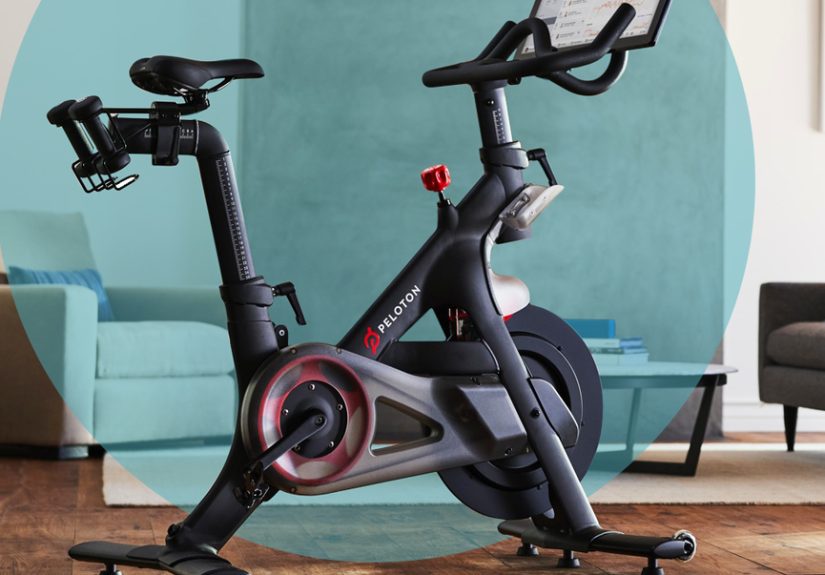
At its core, the Peloton Bike is a premium indoor exercise bike with a large HD touchscreen attached to the front. That screen is the heart of the experience. It streams live and on-demand classes, tracks your cadence, resistance, and output, and connects you to Peloton’s signature ecosystem of instructors, playlists, milestones, badges, and leaderboard-driven motivation.
In other words, Peloton did not just sell a bike. It sold a connected workout platform wrapped around a bike.
The original Peloton Bike was designed for people who wanted studio-style cycling at home without commuting to a spin class, fighting for the front row, or pretending not to be annoyed by the person who clapped off-beat in the back. The hardware itself was compact, quiet, and polished. The software side offered much more than cycling too. Owners could access strength, yoga, stretching, meditation, bootcamp, and other classes through the same membership.
That broad class library is one of the biggest reasons Peloton remained so appealing in 2022. The bike might have been the entry point, but the membership was the ongoing hook. Once you were in, Peloton wanted to be your cardio coach, your strength trainer, your motivational speaker, and occasionally your therapist with a killer playlist.
Why 2022 Was a Pivotal Year for Peloton
2022 was not just another year for Peloton. It was a transition year. Demand had cooled from the stay-at-home fitness boom, the company was cutting costs, leadership was changing, and the brand was trying to prove it was still more than a pandemic-era phenomenon.
That matters for buyers because 2022 changed the value equation. Peloton lowered the upfront price of hardware, but raised the monthly All-Access membership fee. So the company made the first date cheaper, then made the long-term relationship more expensive. Smooth move, corporate Cupid.
For shoppers, this meant the Peloton Bike became easier to buy initially, but ownership still required a long-term financial commitment. If you were the kind of person who used the bike regularly, the math could still work. If you rode three times, got busy, and then started using the screen as a fancy towel rack, the numbers got ugly fast.
Peloton Bike Cost in 2022
Base Price
In 2022, the standard Peloton Bike was priced at about $1,445. The upgraded Peloton Bike+ sat at around $2,495. That made the original Bike more approachable than before, though “approachable” here still meant “you should probably sit down before checking out.”
Monthly Membership
The other major cost was the All-Access Membership. In 2022, Peloton increased that monthly fee in the United States from $39 to $44. This membership unlocked the full class library and let multiple people in the household create their own profiles and track their own progress.
That monthly charge is where many first-time buyers paused. A lot of exercise bikes can be bought once and used forever. Peloton, by comparison, is more like buying a bike and then paying rent to keep the party going. Yes, you can use the hardware without going all-in on the class experience, but that would be like buying a movie theater and only watching the trailers.
Accessory Costs
The sticker price also was not always the full story. Many buyers added cycling shoes, a mat, hand weights, or a heart rate monitor. Peloton’s pedals were designed for Delta-compatible cleats, so regular sneakers were not the ideal setup unless you swapped pedals or added cages. That meant your “simple bike purchase” could quickly turn into a small shopping spree.
Real-World Cost of Ownership
When you combine the original Bike with a year of membership, the cost of ownership in the first year climbed well above the hardware price alone. And that is before accessories, taxes, or the possibility that you suddenly decided you needed the official Peloton shoes because “the vibes matter.”
So yes, the Peloton Bike was cheaper in 2022 than it had been before. But cheap? Absolutely not.
What Riding a Peloton Feels Like
The hardware is good. The classes are better. That is the simplest way to describe the Peloton experience.
The original Bike delivered a smooth, quiet ride with manual resistance and a large 21.5-inch touchscreen. It looked premium, felt stable, and fit surprisingly well in smaller spaces. The ride itself was comfortable enough for most users once the seat and handlebars were adjusted correctly, though no spin bike seat has ever been confused with a luxury sofa. Peloton is still a workout, not a spa treatment.
What elevates the experience is the content. Peloton instructors are not background noise. They are the main event. They coach, entertain, motivate, and somehow make you feel both called out and encouraged at the same time. Reviewers consistently praised the quality of the classes, the music, and the addictive community feel. If you thrive on energy, structure, and a little public accountability via the leaderboard, Peloton is very good at getting you back on the bike.
By 2022, Peloton had also added features like Lanebreak, a gamified ride mode that made cycling feel more like an arcade challenge. That helped broaden the appeal for people who did not always want an instructor-led class. It also proved Peloton understood a basic truth of fitness: sometimes people do not need deeper purpose, they just need a reason to pedal harder than the stranger on the screen.
Peloton Bike vs. Peloton Bike+
If you were shopping in 2022, one of the biggest decisions was whether to buy the standard Bike or spend more for the Bike+.
What the Bike+ Added
The Bike+ was the premium version. It offered a larger rotating screen, a stronger sound system, and Auto-Follow, which automatically adjusted resistance during compatible classes. That feature alone was a huge selling point for riders who wanted a more immersive, less fiddly experience. The Bike+ was also better suited for people who planned to use Peloton for off-bike workouts like strength or yoga, because the rotating screen made those classes far more convenient.
Was the Upgrade Worth It?
For many shoppers, probably not. The original Bike delivered the main Peloton magic: live and on-demand classes, metrics, competition, music, and motivation. The Bike+ improved convenience and polish, but the standard Bike still handled the core cycling experience extremely well.
If your main goal was indoor cycling and you wanted to spend less, the original Bike was the smarter buy. If you wanted the most premium Peloton setup, loved cross-training, and hated adjusting resistance manually, the Bike+ made more sense.
What Peloton Gets Right
1. Motivation That Actually Works
Many workout machines are technically effective and emotionally boring. Peloton is not boring. The platform creates a sense of routine and momentum that helps people stay consistent. You are not just pedaling alone in silence. You are in a coached session with music, milestones, metrics, and other riders.
2. Excellent Class Library
Peloton’s content library was a major strength in 2022. Whether you wanted a 10-minute beginner ride, a brutal climb, a themed pop ride, or a post-work stretch, there was a class for it. The platform offered enough variety to keep boredom from moving into your guest room.
3. Premium Design and Compact Footprint
The bike looked good, felt sturdy, and fit well in apartments or home gyms. That matters more than people admit. A big ugly machine gets ignored faster. A sleek machine that feels built-in to your space has a better chance of becoming part of your routine.
4. Household Value
The All-Access Membership supported multiple profiles, which helped justify the monthly fee for households with more than one user. If two or three people in the home used the bike regularly, the value improved significantly.
Where Peloton Falls Short
1. The Cost Never Really Stops
The biggest drawback is simple: Peloton is expensive. The hardware cost is high, the membership fee is ongoing, and accessories can push the total even further. This is not a casual purchase.
2. Best Value Depends on Consistency
Peloton only makes financial sense if you use it often. If you are highly motivated for three weeks and then disappear into the land of forgotten subscriptions, this is not a great investment. A cheaper bike plus a basic app may be the smarter route for occasional exercisers.
3. Customer Service Reputation Was Mixed
While many people loved the product, Peloton also faced complaints around delivery and customer service during this period. That does not cancel out the quality of the platform, but it is worth noting if you are nervous about support after the sale.
4. The Standard Bike Is Cycling-First
The original Bike is strongest as a cycling product. Yes, the membership includes many non-bike workouts, but the standard model is less convenient than the Bike+ for off-bike training. If you want one machine to anchor a broader home fitness routine, that difference matters.
Who Should Buy a Peloton Bike in 2022
The Peloton Bike made the most sense for:
- People who love structured, instructor-led workouts
- Former spin-class regulars who want the studio feel at home
- Busy professionals who need convenient exercise without commuting to a gym
- Households where more than one person will use the membership
- People motivated by data, milestones, and community
It made less sense for:
- Budget-conscious shoppers
- Anyone who dislikes monthly subscriptions
- People who prefer lifting, walking, or varied training over cycling
- Users who are happy with self-guided rides and do not need premium content
- Folks who buy exercise equipment emotionally and then avoid eye contact with it forever
So, Is the Peloton Bike Worth Buying?
Yes, for the right buyer. In 2022, the Peloton Bike was still one of the best connected fitness products you could buy if your main goal was to make exercise more engaging and more consistent. The bike itself was well-designed, the class ecosystem was excellent, and the platform had a real talent for turning “I should work out” into “Fine, I’ll do a 20-minute ride and maybe one core class too.”
No, if you are chasing pure value. If your only goal is to pedal at home and burn calories, you can absolutely spend less and still get a good workout. The Peloton premium is not just about fitness hardware. It is about experience, motivation, convenience, and content.
That means the Peloton Bike is worth buying when you know you will use the ecosystem often enough to justify the cost. It is not worth buying simply because it is famous, pretty, or because a holiday commercial made you believe a stationary bike would fix your whole life.
The honest 2022 verdict is this: Peloton remained a premium, effective, and genuinely enjoyable home fitness option, but it was never the budget pick. If you value accountability, world-class classes, and polished design, it earns its place. If you want the cheapest road to home cardio, keep shopping.
Extended Experience Section: What Living With a Peloton Bike Often Feels Like
Owning a Peloton Bike tends to be a very different experience from merely admiring one online. On day one, the bike often feels a little intimidating. It is shiny, substantial, and looks like it expects you to have your life together. Then you clip in for your first ride, spend a few awkward minutes figuring out the shoes, adjust the seat three times, and realize this machine is much less about looking cool and much more about establishing a routine.
The first week is usually powered by novelty. You explore beginner classes, test instructor personalities, and discover that music choice matters more than you thought. One instructor feels like a motivational best friend, another feels like a drill sergeant with better hair, and suddenly you have opinions. Real opinions. About spin instructors. That is when you know the Peloton ecosystem is working on you.
By week two or three, the bike often starts to earn its keep. The convenience becomes the biggest advantage. There is no commute to a gym, no checking class times, no waiting for a bike to open up, and no weather excuse. If you have 20 minutes, you can ride for 20 minutes. That convenience sounds minor until you realize how many workouts never happen because of small logistical barriers. Peloton bulldozes a lot of those barriers.
Another common part of the experience is how motivating the metrics can be. Some people get hooked on output numbers. Others care about streaks, badges, milestones, or leaderboard placement. Even riders who swear they are “not competitive” often become suspiciously interested in beating their previous best ride. Peloton is very good at turning progress into something visible, and visible progress is sticky.
There are also little ownership realities that do not always show up in the glamor shots. The seat may take some getting used to. You may need time to dial in the right fit. You may discover that a fan nearby is not optional but necessary. You may also realize that if you skip the membership, the bike loses most of what made it special in the first place. Peloton ownership works best when you accept that the bike and the subscription are really one package.
Then there is the emotional side. For many people, the Peloton becomes less like equipment and more like a standing appointment. It can be the thing that anchors a busy morning, resets a stressful day, or makes a short workout feel more meaningful because someone on-screen is coaching you through it instead of leaving you alone with your excuses. That emotional usefulness is hard to quantify, but it is part of why Peloton owners can be so loyal.
Of course, the opposite is also true. If you do not connect with the classes, if you hate clipping in, or if cycling just is not your thing, the Peloton can become a very expensive symbol of good intentions. The experience is excellent, but only if it matches your habits. That is the big lesson of living with a Peloton: it is not magic, but it is one of the better tools available for turning motivation into routine when the fit is right.
Final Verdict
The Peloton Bike in 2022 was a premium product with premium costs and premium polish. It was not the most affordable option, and it was not the right fit for every home gym. But for people who wanted guided, motivating, high-quality indoor cycling with a strong sense of community, it remained one of the best buys in connected fitness.
If your budget allows it and you know you will use the classes consistently, the Peloton Bike is worth it. If you only need a bike, not the whole Peloton experience, there are cheaper paths to the same sweat.