Table of Contents >> Show >> Hide
- What Does “Painting a Couch” Actually Mean?
- Should You Paint a Couch? Pros and Cons
- Is Your Couch a Good Candidate for Paint?
- Supplies You’ll Need for a Painted Couch Makeover
- Step-by-Step: How to Paint a Fabric Couch
- Living With a Painted Couch: Maintenance and Realistic Expectations
- Common Mistakes People Make When Painting a Couch
- When You Should NOT Paint Your Couch
- Painted Couch Ideas to Steal
- Real-World Painted Couch Experiences (Extra Tips and Lessons Learned)
If you’ve ever side-eyed your tired old sofa and thought, “I wish I could just repaint you like a wall,” surprise: you actually can. A painted couch sounds like something your landlord would have a nightmare about, but for DIYers on Hometalk and across the internet, it’s become a real (and surprisingly chic) upholstery hack.
Done well, a painted fabric couch can look like faux leather, hide dated patterns, and buy you a few extra years before you splurge on a brand-new sofa. Done badly, it can feel like sitting on a crunchy tortilla chip. This guide walks you through how to paint a couch, when it’s worth trying, and when you should back away slowly and call the upholsterer instead.
What Does “Painting a Couch” Actually Mean?
We’re not talking about spray-painting a velvet sofa in the driveway and hoping for the best. A painted couch makeover usually means:
- Using diluted paint (often chalk paint or acrylic/latex mixed with water and fabric medium) so it soaks into the fibers instead of sitting on top like armor.
- Working on fabrics that are tightly woven and not fluffy or heavily textured, so the finish looks smooth rather than patchy.
- Layering several thin coats, often with light sanding in between to keep the fabric feeling flexible rather than stiff.
- Sealing the finish with wax or a clear topcoat so it resists stains and everyday wear.
The goal isn’t to create a plastic shell. When the materials and technique are right, many DIYers report that the fabric still feels soft and there’s no color transfer to clothing.
Should You Paint a Couch? Pros and Cons
Why People Love Painted Couches
- Budget-friendly makeover. Compared to full reupholstery (which can cost as much as a new sofa), a few quarts of paint and some fabric medium are far cheaper.
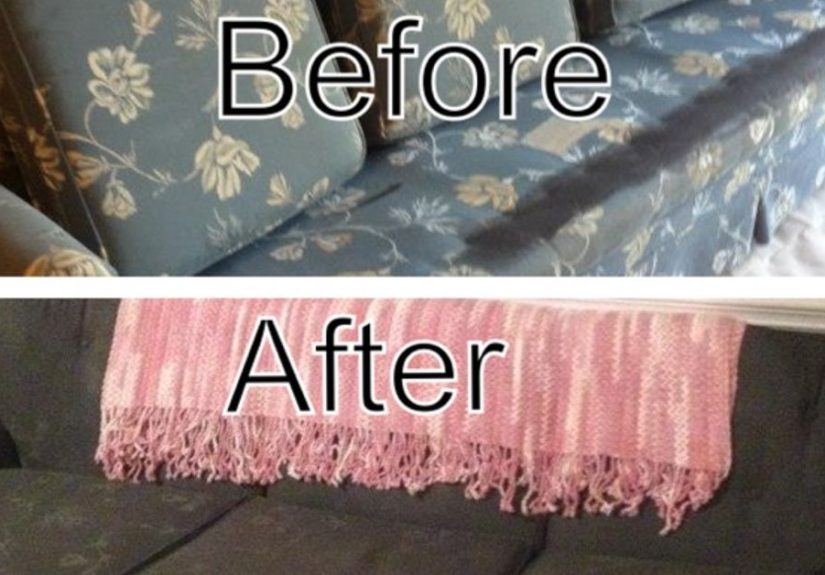
- Dramatic visual change. You can take a dated floral or plaid couch and turn it into a solid, modern color that works with your current decor.
- Pattern and stain camouflage. Old stains, faded areas, or busy prints disappear under an opaque, even color.
- Upcycling win. Instead of sending a sofa to the landfill, you’re extending its lifealways a plus for sustainable home decor.
The Not-So-Fun Side of Painted Upholstery
- Comfort can change. Even with good technique, the fabric almost always feels different afterwardoften more like vinyl or faux leather than a soft textile.
- Durability is mixed. Thin, well-diluted coats tend to flex better, but some users still report cracking or wear on high-traffic spots after months or a couple of years, especially with DIY leather painting.
- Prep and patience required. Despite the myth of “no prep,” most success stories involve careful cleaning, testing, and multiple days of drying and sanding between coats.
- Not every pro loves it. Some interior designers and upholstery pros flat-out advise against painting sofas because paint doesn’t always bond well long-term and can be tricky to repair if it fails.
In short: painting a couch is an experiment. It can be amazing, it can be “meh,” and it can be regrettable. The trick is choosing the right piece and going in with realistic expectations.
Is Your Couch a Good Candidate for Paint?
Before you start mixing paint and fabric softener like a mad scientist, do a quick evaluation. Your couch is a decent candidate if:
- The fabric is tightly woventhink canvas or smooth upholstery, not chenille, boucle, corduroy, or thick nubby weaves.
- It’s structurally sound: no sagging springs, broken frames, or giant holes in the fabric.
- You’re okay with the fabric feeling a little differentmore wipeable, less cuddly.
- It’s not your only or most precious sofa. This is a great project for thrifted, inherited, or basement couches.
On the flip side, think twice if the couch is expensive, sentimental, or covered in thick, fluffy fabric. Painting deep texture tends to look patchy and can feel rough even after sanding.
What About Leather Couches?
You can paint leather, but it’s riskier. Professional leather restorers use specialized dyes and multi-step prep to keep the finish flexible and prevent cracking. DIY paint jobs on leather often look good at first and then start peeling or stiffening within a year or so.
If you’re dealing with a leather sofa you truly love, talk to a pro instead of experimenting with leftover wall paint.
Supplies You’ll Need for a Painted Couch Makeover
Exact products vary, but most successful painted couch projects use some mix of the following:
- Paint:
- Chalk paint (popular for upholstery because it adheres well and can be watered down).
- Or high-quality acrylic/latex paint mixed with water and a fabric medium.
- Fabric medium: Helps paint bond to fabric and stay flexible instead of cracking or feeling like concrete.
- Water spray bottle: To lightly dampen fabric so paint soaks in more evenly.
- Soft brushes or a dense sponge: For pushing the paint into the fibers.
- Fine-grit sandpaper (320–3000 grit): For lightly sanding between coats to soften the finish.
- Protective finish: Clear wax or fabric-safe topcoat to seal the paint and help resist stains.
- Drop cloths, painter’s tape, and gloves: Because couch, but make it not chaos.
Step-by-Step: How to Paint a Fabric Couch
1. Deep Clean and Prep
Before paint touches fabric, you want a super clean surface:
- Vacuum the entire couch, especially seams and crevices.
- Spot-clean stains so they don’t bleed through the paint later.
- Tape off legs, wood trim, or any areas you don’t want painted.
- Test your paint mix on a hidden area or removable cushion back.
This prep step is boring but critical. Dust, body oils, or old spills can interfere with adhesion and cause uneven color.
2. Mix Paint, Water, and Fabric Medium
The exact ratio depends on your products, but a common starting point is:
- For chalk paint: Thin with warm water until it’s somewhere between heavy cream and pancake batter.
- For latex/acrylic paint: About 3 parts paint, 1 part fabric medium, and enough water to make it flow easily.
Some DIY tutorials also add a splash of fabric softener to help keep the finish feeling less stiff, especially when using regular latex paint.
3. Lightly Dampen the Fabric
Using a spray bottle, mist a small section of the couch until it feels cool and slightly damp, not soaking wet. This helps the paint sink into the fibers instead of sitting in a crusty layer on top.
4. Apply the First Coat (and Don’t Panic)
Brush or sponge on a thin coat of paint, working it thoroughly into the fabric, seams, and tufting. The first coat almost always looks patchy and questionablethat’s normal.
Let it dry completely according to the paint manufacturer’s recommendations. Rushing this step is how you end up with tacky cushions that never fully cure.
5. Sand Between Coats
Once the first coat is fully dry, lightly sand the surface with very fine sandpaper. You’re not trying to remove the paintjust knock down any roughness and keep the fabric feeling more like fabric. Many DIYers say this is the secret to a comfortable painted couch.
6. Repeat: Paint, Dry, Sand
Continue layering thin coats, drying, and lightly sanding until you get an even, opaque finish. Bold patterns or dark fabric may need three or more coats; lighter fabrics usually need fewer.
7. Seal the Finish
Once the final coat is dry and sanded smooth, seal the fabric with a furniture wax or clear topcoat designed for painted upholstery. This helps the color resist stains and everyday friction and can also slightly soften the feel.
Buff out the wax once it hazes, or follow your clear-coat instructions for cure time before putting the couch back into full rotation.
Living With a Painted Couch: Maintenance and Realistic Expectations
Once your painted couch is in action, treat it a bit more gently than your average workhorse sofa:
- Vacuum regularly with a soft brush attachment to keep dust and grit from scratching the painted surface.
- Wipe up spills quickly with a damp clothdon’t saturate the fabric.
- Rotate cushions if possible so wear is even.
- Keep pets, sharp toys, and shoes off the couch as much as you can (we know, easier said than done).
Over time, you may see subtle wear on edges or high-contact areas, especially on arms and front cushions. In many cases, you can lightly sand, touch up with diluted paint, and reseal just those spots.
Common Mistakes People Make When Painting a Couch
- Using wall paint straight from the can. Undiluted paint sits on top of the fabric and dries into a brittle shell that cracks when you sit down.
- Skipping test patches. Every fabric/paint combination behaves differently. A five-minute test on the back can save your entire sofa.
- Painting thick, gloppy coats. This is how you get stiffness, brush marks, and uneven color.
- Choosing the wrong fabric. Highly textured or fluffy upholstery tends to look muddy and feel rough once painted.
- Expecting it to feel like brand-new upholstery. Even the best painted couches feel different from factory-woven fabric.
When You Should NOT Paint Your Couch
A painted couch is a fun option, but it isn’t right for every situation. You’re probably better off reupholstering or replacing your sofa if:
- It’s an investment piece or an heirloom you’d be heartbroken to ruin.
- The fabric is already ripped, stretched out, or disintegrating.
- You absolutely need a soft, cozy, fabric-y feel (for example, in a main family room where people nap or lounge every day).
- You’re working with high-end leather and want the finish to last for many yearsthis is a job for a leather specialist, not a weekend paint fling.
If your couch is somewhere between “meh” and “I could live without it,” though, painting it can be a seriously satisfying experiment.
Painted Couch Ideas to Steal
Need inspiration before you crack open the paint?
- From pattern overload to solid neutral. Many DIYers use paint to calm down loud florals or stripes, transforming them into a simple charcoal, navy, or greige that suddenly looks modern.
- Faux leather transformation. With the right combination of smooth fabric and diluted paint, some projects end up looking like faux leather, especially in rich browns or blacks.
- Statement color couch. If you’ve always wanted a teal or emerald sofa but not the price tag, paint can give you a bold, saturated color for a fraction of the cost.
- Accent pieces. Try the technique on a single chair, bench, or ottoman first before committing to a full sectional.
Real-World Painted Couch Experiences (Extra Tips and Lessons Learned)
Spend a little time in DIY forums and you’ll see two very loud camps: “I love my painted couch!” and “Please learn from my mistakes.” Here are some takeaways from real-life projects that can help you decide where you might land.
When It Works Surprisingly Well
Many of the positive stories share a few things in common:
- The fabric started smooth. People who began with tightly woven upholsterythink canvas-like or microfiber-ish texturesreport the best results. The finished couch often feels like a soft vinyl or faux leather, not a crusty wall.
- The owners were realistic. They didn’t expect a luxury showroom sofa. They wanted “better than it was” for a thrifted or dated couch and were delighted when the new color transformed the room.
- They layered thin coats and sanded religiously. Almost every “I’d totally do this again” project mentions light sanding between coats and resisting the temptation to glob on paint.
- The couch wasn’t the main lounging spot. Painted sofas seem to shine in guest rooms, home offices, or formal living spaces that aren’t used as daily nap stations.
In some cases, DIYers even come back months or years later to say the finish has softened slightly over time and still looks good, especially when they vacuum regularly and spot-clean gently.
When People Regret Painting Their Couch
On the other hand, a lot of “never again” posts revolve around a few familiar pain points:
- Using the wrong paint or skipping fabric medium. Straight wall paint, especially in thick layers, tends to crack and feel like cardboard. Some bloggers who tried this say they ended up throwing the couch out anyway.
- Trying to save a couch that was already done for. If the foam is collapsing, fabric is fraying, or the frame wobbles, paint won’t magically fix any of that. It just gives a tired couch a temporary costume.
- Painting super cozy, textured fabric. Plush chenille, velvet, and thick woven fabrics can look matted and feel rough once painted, even with careful sanding.
- High-traffic households. In homes with kids, pets, and constant use, painted couches take a beating. Scuffs and wear marks show up faster, especially along arms and cushions where people slide or sit in the same spot repeatedly.
Some DIYers actually write follow-up posts titled things like “Never Paint a Couch,” not because painting always fails, but because it wasn’t the right choice for their lifestyle or expectations.
How to Decide If a Painted Couch Is Right for You
Ask yourself a few questions before committing:
- Is this couch something I’d be willing to replace if the experiment goes sideways?
- Would I be happy if the final texture felt more like faux leather than fabric?
- Do I have the time and patience for multiple days of painting, drying, and sanding?
- Is my main goal to save money, reduce waste, or try something bold and creative?
If you’re nodding along and the couch isn’t a family heirloom, a painted couch makeover can be a fun Hometalk-style project that teaches you a lot about paint, fabric, and your own DIY tolerance. Start on a smaller piece if you’re nervous, take lots of “before” photos, and remember: even if it doesn’t turn out perfect, you’ll have a much better story to tell than “I bought another beige sofa online.”
And who knows? The next time someone says, “Wait… you painted your couch?” you just might be the one proudly replying, “YES, I said painted.”