Table of Contents >> Show >> Hide
- Why You’ll Love This Orzo with Shrimp and Olives
- Ingredients You’ll Need
- Step-by-Step: How to Make Orzo with Shrimp and Olives
- Cooking Tips for Perfect Orzo with Shrimp and Olives
- Flavor Variations to Try
- What to Serve with Orzo, Shrimp, and Olives
- Storage, Leftovers, and Make-Ahead Tips
- Frequently Asked Questions
- Real-Life Experiences and Extra Tips for Orzo with Shrimp and Olives
If your weeknight dinners are starting to feel like one long rerun of “chicken plus something,”
this orzo with shrimp and olives recipe is your plot twist. It’s bright, lemony,
full of Mediterranean flavors, and looks fancy enough for guests even though it comes together
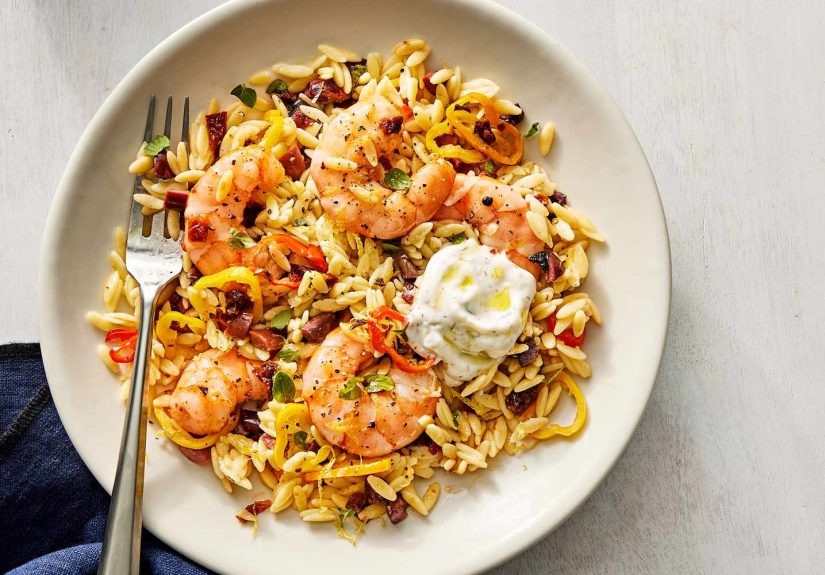
in about 30 minutes. Think tender orzo, juicy shrimp, salty olives, and herbs all mingling
together in one cozy skillet. Minimal dishes, maximum flavor, and yesleftovers that actually
taste good.
Orzo might look like rice, but it behaves like pasta, which means you get that pleasantly chewy,
“al dente” bite you want in a satisfying bowl. Pair it with briny kalamata olives, plump shrimp,
lemon, and maybe a little feta if you’re into cheese (and who isn’t?), and you’ve basically got
a Mediterranean vacation in a bowlpassport not required.
Why You’ll Love This Orzo with Shrimp and Olives
- One-pan wonder: Orzo cooks right in the skillet with the sauce, so flavors soak in and dishes stay minimal.
- Fast but impressive: From chopping board to table in roughly 30 minutes, yet it looks like you “tried.”
- Mediterranean flavor bomb: Lemon, garlic, olives, herbs, and optional feta give it a Greek-inspired spin.
- Balanced meal: Protein from shrimp, carbs from orzo, healthy fats from olive oil, and veg if you add peppers or tomatoes.
- Flexible: Easy to make dairy-free, spicier, more veggie-forward, or even into a chilled pasta salad.
Ingredients You’ll Need
For the Orzo Base
- 1 1/2 cups dry orzo – classic durum wheat orzo works great; use gluten-free orzo if needed.
- 3 1/2–4 cups low-sodium chicken or vegetable broth – cooking orzo in broth builds flavor right into the pasta.
- 2–3 tablespoons extra-virgin olive oil – for sautéing and finishing the dish.
- 1 small yellow onion, finely chopped – adds sweetness and depth.
- 3–4 cloves garlic, minced – we’re going Mediterranean; garlic is non-negotiable.
- 1/2–1 teaspoon red pepper flakes – optional, for a gentle kick.
- 1 cup cherry or grape tomatoes, halved – for color, juiciness, and acidity (or use sliced mini peppers).
- Salt and black pepper – to season in layers as you cook.
For the Shrimp and Olives
- 1 pound large shrimp, peeled and deveined – 21–25 count per pound works well.
- 1/2 cup kalamata olives, pitted and roughly chopped – their briny flavor is the star here.
- 2–3 tablespoons fresh lemon juice – added at the end to brighten everything up.
- 1 teaspoon lemon zest – bonus lemon aroma without extra acidity.
- 2 tablespoons chopped fresh parsley – for freshness and color.
- 1 tablespoon chopped fresh oregano or 1 teaspoon dried – adds that Greek-herb vibe.
- 1/3–1/2 cup crumbled feta cheese (optional) – salty, creamy finish that pairs perfectly with olives.
Optional Extras
- Store-bought tzatziki for serving – a dollop on top turns this into a warm Greek-inspired bowl.
- Extra lemon wedges – for people who always want “more lemon, please.”
- Baby spinach or arugula – stir in a couple of handfuls at the end for extra greens.
Step-by-Step: How to Make Orzo with Shrimp and Olives
1. Prep Like a Pro
Pat the shrimp dry with paper towels, then season with a pinch of salt, pepper, and a drizzle of olive oil.
Dry shrimp sear and cook more evenlyif they go into the pan wet, they steam and turn rubbery.
Chop your onion, mince the garlic, halve the tomatoes, and chop the olives and herbs. Once you start cooking,
this recipe moves quickly, so having everything ready makes you feel like a TV chef (minus the camera crew).
2. Sauté the Aromatics
Heat 2 tablespoons of olive oil in a large, deep skillet or sauté pan over medium heat. Add the chopped onion with
a pinch of salt and cook for 3–4 minutes until translucent. Stir in the garlic and red pepper flakes and cook for
about 30 seconds, just until fragrant. If the garlic browns, turn the heat down; browned is good, burnt is bitter.
3. Toast the Orzo
Pour the dry orzo into the pan and stir to coat it in the oil and aromatics. Toast for 1–2 minutes, stirring often,
until some of the orzo turns lightly golden. This quick step adds a subtle nutty flavor and helps keep the orzo from sticking.
4. Simmer the Orzo in Broth
Add about 3 1/2 cups of warm broth to the pan and bring it to a gentle simmer. Reduce the heat to medium-low and cook,
stirring occasionally, for 8–10 minutes, or until the orzo is just al dentetender but with a slight bite.
If the liquid absorbs too quickly and the orzo is still firm, add a splash more broth or water. Think of this as a
very low-maintenance, weeknight-friendly version of risotto.
5. Cook the Shrimp
When the orzo is nearly done, nestle the seasoned shrimp on top in a single layer. Cover the pan and cook for 3–4 minutes,
flipping the shrimp halfway through, until they turn pink and opaque. Shrimp cook fastpull them off the heat as soon as
they’re just done to keep them juicy and tender.
6. Add Olives, Lemon, and Herbs
Turn off the heat. Stir in the chopped olives, lemon zest, lemon juice, and fresh herbs. Taste and adjust seasoning with
more salt, pepper, or lemon juice as needed. If the orzo looks a little thick or sticky, stir in a small splash of warm
water or broth plus an extra drizzle of olive oil to loosen it up.
7. Finish with Feta and Serve
If you’re using feta, scatter it over the top while the dish is still warm so it softens slightly. Serve the orzo with
shrimp and olives in shallow bowls, topped with a dollop of tzatziki (if you like), extra herbs, and lemon wedges.
Stand back and accept compliments.
Cooking Tips for Perfect Orzo with Shrimp and Olives
Get the Orzo Texture Just Right
- Don’t overcook: Orzo should be tender but not mushy. Start tasting a minute before you think it’s done.
- Stir occasionally: Because orzo is small, it can clump if you ignore it completely. A light stir now and then is enough.
- Use broth, not just water: Simmering orzo in broth instead of plain water gives the dish a “simmered all day” flavor without extra work.
- Adjust consistency at the end: If it’s too thick, add a splash of warm broth. If it’s too loose, let it sit off the heat for a minute; orzo continues to absorb liquid.
Keep Shrimp Juicy, Not Rubbery
- Buy the right size: Large or extra-large shrimp are forgiving and less likely to overcook.
- Pat them dry: Dry shrimp brown better and cook more evenly.
- Watch the color: Shrimp are done when they’re pink and slightly curled into a “C” shape. If they curl tightly into an “O,” they’ve gone a bit too far.
- Add them at the end: Cooking shrimp on top of nearly finished orzo lets them steam gently and soak up flavor without turning tough.
Choosing the Best Olives
- Kalamata olives: Classic choice for a Greek-style shrimp orzodeep flavor and beautiful color.
- Oil-cured black olives: Intense and slightly smoky; use fewer and chop them finely.
- Green olives: Brighter and less intense; great if you’re cooking for olive newbies.
- Rinse if too salty: If your olives are extremely briny, give them a quick rinse and pat them dry before chopping.
Flavor Variations to Try
-
Tomato & Feta Greek Shrimp Orzo: Add more cherry tomatoes, a handful of baby spinach, and lots of crumbled feta.
Finish with fresh dill for extra Greek flair. -
Spicy Mediterranean Shrimp Orzo: Increase the red pepper flakes, add a pinch of smoked paprika,
and finish with a drizzle of chili oil. -
Lemon & Herb Shrimp Orzo Salad: Let the dish cool slightly, add extra lemon juice and olive oil,
more fresh herbs, and serve it as a warm or room-temperature salad. -
Veggie-Loaded Version: Toss in diced zucchini, roasted red peppers, or artichoke hearts to bump up the vegetables
without adding much prep time. - Dairy-Free Delight: Skip the feta and tzatziki, and finish with toasted pine nuts or slivered almonds for richness and crunch.
What to Serve with Orzo, Shrimp, and Olives
This dish is pretty complete on its own, but a few simple sides can turn it into a full Mediterranean-inspired spread:
- A crisp green salad with cucumbers, red onion, and a lemon-olive oil dressing.
- Warm pita bread, crusty baguette, or garlic bread to scoop up every last bit of saucy orzo.
- Grilled or roasted vegetableslike asparagus, eggplant, or bell peppers.
- A light dessert, such as citrus fruit salad or yogurt with honey and nuts.
Storage, Leftovers, and Make-Ahead Tips
Store leftover orzo with shrimp and olives in an airtight container in the refrigerator for up to 3 days.
The orzo will continue to absorb liquid as it sits, so it may thicken. When reheating, add a splash of water or broth
to loosen it and warm gently over low heat or in the microwave in short bursts, stirring in between.
For a fun twist, turn leftovers into a shrimp orzo salad the next day. Serve it cold or at room temperature
with extra lemon juice, olive oil, and fresh herbs. Remove the shrimp before reheating if you’re worried about overcooking,
then add them back just at the end to warm through.
Frequently Asked Questions
Can I Use Frozen Shrimp?
Absolutely. Just thaw the shrimp completely in the refrigerator (or under cold running water in a pinch),
then pat them dry before seasoning. Cooking shrimp from frozen will water down the dish and make the shrimp tougher.
Can I Make This Recipe Dairy-Free?
Yes. The main recipe is already dairy-free if you skip the feta and tzatziki. Use extra olive oil and a few toasted nuts on top
for richness instead of cheese. Everything elseshrimp, orzo, olives, lemon, and herbsfits perfectly into a dairy-free Mediterranean-style meal.
What If I Don’t Have Orzo?
You can use other small pasta shapes like ditalini, small shells, or elbow macaroni, but you may need to adjust the cooking time
and liquid slightly. You can also serve the shrimp and olives over rice, couscous, or quinoa for a similar flavor profile
with a different texture.
Real-Life Experiences and Extra Tips for Orzo with Shrimp and Olives
Once you’ve made this orzo with shrimp and olives recipe a couple of times, it tends to sneak into your regular meal rotation
not just because it’s easy, but because it’s so adaptable. The first time many home cooks try it, the reaction is usually something like,
“Wait, that’s it? That’s all I had to do to make dinner taste like vacation?” It’s one of those dishes that feels
restaurant-level but uses everyday ingredients.
One of the best “real life” uses for this recipe is for casual entertaining. When friends come over,
you can prep everything in advance: chop onions and garlic, portion the shrimp, slice the olives, and even measure out the orzo and seasonings.
When your guests arrive, you just sauté, simmer, and finish the dish while you chat. It fills the kitchen with good smells and makes it look
like you’ve put in way more effort than you actually have.
It’s also a great “clean out the fridge” recipe. Have half a bell pepper, some stray cherry tomatoes, a handful of spinach,
or a lonely zucchini? Dice them up and throw them in. The orzo base is forgiving and happily accepts extra vegetables.
Leftover roasted veggies from last night’s dinner can be stirred in at the end to give them new life.
If you’re cooking for kidsor adults who are suspicious of olivesyou can keep the olives on the subtle side.
Chop them very finely, almost like a tapenade, and stir them through instead of leaving big olive pieces.
You still get that savory, briny punch without anyone cautiously poking at their plate. Then, for olive fans,
you can serve extra olives on the side to sprinkle on top.
Another experience-based tip: this dish is fantastic for meal prep, especially if you don’t mind eating it warm or at room temperature.
Divide the orzo and shrimp into containers, add extra lemon and olive oil, and tuck a wedge of lemon and a sprinkle of herbs on top.
At lunchtime, you can eat it as is, or warm it gently with a splash of water. It holds up better than creamy pasta dishes,
which can sometimes split or dry out after a day in the fridge.
For date nights at home, you can dress it up with a few simple extras: open a bottle of crisp white wine,
light a candle, and serve the orzo with a side salad and some warm bread. Because the recipe is one-pan,
you don’t end up with a sink full of chaos afterward, which is honestly the best kind of romance.
Finally, don’t underestimate the power of finishing touches. A drizzle of good extra-virgin olive oil,
a squeeze of fresh lemon, and a final shower of herbs make the dish look and taste restaurant-ready.
Even if you’ve had a long day and you’re cooking in sweatpants, these last-minute flourishes make
the orzo with shrimp and olives feel like something you intentionally sat down to enjoyrather than just
something you threw together because you were hungry.