Table of Contents >> Show >> Hide
- Why This Mixed Pack Is More Than a Convenience Buy
- What “Best of California” Usually Means in the Glass
- California Context: Why a Mixed Pack from This State Works So Well
- How to Taste the One Hope Wine Best of California Mixed Pack Like a Pro
- Pairing Playbook for a California Mixed Wine Pack
- How to Judge Quality and Value Before You Reorder
- Responsible Enjoyment and Delivery Basics
- Who Should Buy the One Hope Wine Best of California Mixed Pack?
- Final Takeaway
- Experience Section (Extended ~): A Real-World Night With the Pack
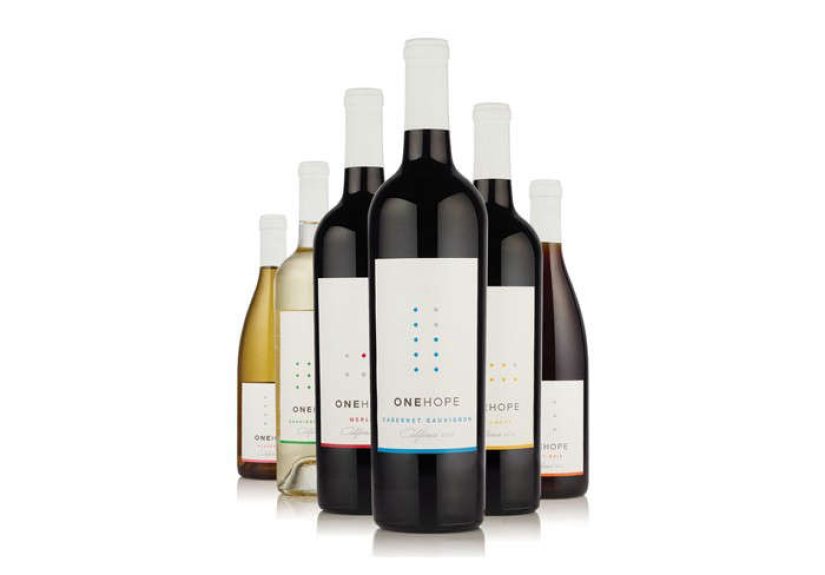
If you’ve ever wanted to taste California without booking six separate winery appointments, the One Hope Wine Best of California Mixed Pack is the “one box, many moods” solution. It’s the kind of mixed case that works for hosts, gift-givers, curious beginners, and seasoned wine nerds who still enjoy a no-fuss Tuesday pour. This guide breaks down what makes a California mixed wine pack worth your money, how to taste it like a pro (without becoming insufferable), and how ONEHOPE’s purpose-driven model changes the conversation from “What’s in the glass?” to “What’s the glass doing in the world?”
Quick note before we swirl: this article is for legal-age adults (21+ in the U.S.) and focuses on education, tasting, and responsible enjoyment.
Why This Mixed Pack Is More Than a Convenience Buy
A lot of “mixed packs” are random leftovers wearing a party hat. The better ones feel curated: a balance of red and white styles, at least one crowd-pleaser, and enough variety to carry you from weeknight pasta to weekend roast chicken. The One Hope Wine Best of California Mixed Pack is part of that smarter category because it presents recognizable California expressions in one lineup, so you can compare style, body, and pairing behavior side by side.
There’s also the brand angle. ONEHOPE positions itself as a purpose-driven winery where purchases support education-focused impact. For readers who care about values as much as varietals, that “drink with purpose” idea is a meaningful differentiator. In plain English: your bottle is expected to do more than just disappear during movie night.
What “Best of California” Usually Means in the Glass
The classic six-bottle idea
Historical listings of the Best of California mixed pack generally point to a six-bottle format built around familiar, food-friendly California styles: Cabernet Sauvignon, Merlot, Pinot Noir, Chardonnay, Sauvignon Blanc, and a sparkling component (often Brut). That formula makes sense because it covers almost every common “What should I open?” moment:
- Cabernet Sauvignon: bigger structure, darker fruit, steak-night confidence.
- Merlot: softer texture, plush fruit, comfort-food friendly.
- Pinot Noir: lighter body, red-fruit lift, very dinner-flexible.
- Chardonnay: from crisp to creamy depending on style and oak.
- Sauvignon Blanc: bright acidity and citrus/herbal freshness.
- Sparkling Brut: acidity + bubbles = instant party rescue plan.
The modern ONEHOPE bundle ecosystem
Current ONEHOPE bundles and mixed offerings continue this “broad California sampler” logic, often featuring combinations like Pinot Noir, Zinfandel, Cabernet Sauvignon, Merlot, Sauvignon Blanc, and Chardonnay. Translation: even if exact bottle names or vintages rotate, the strategy stays consistentgive people a full flavor spectrum rather than six variations of the same mood.
California Context: Why a Mixed Pack from This State Works So Well
California is the heavyweight
California remains the engine room of U.S. wine production, so a California mixed pack isn’t nicheit’s a core snapshot of the national wine story. Because the state spans coastal fog zones, inland heat, mountain influences, and diverse soils, producers can build mixed cases with genuinely different personalities instead of superficial label variety.
AVA and label clues that actually matter
If you want to shop smarter, decode the label. In U.S. wine law, AVA (American Viticultural Area) tells you where grapes come from in a geographically defined region with distinctive growing features. If a wine carries an AVA name, at least 85% of grapes must come from that AVA. For a single grape name (like “Cabernet Sauvignon”), the federal baseline is typically 75% of that grape.
For mixed packs, these rules matter because they protect signal from noise. You’re not just buying pretty bottle artyou’re buying a traceable style promise.
How to Taste the One Hope Wine Best of California Mixed Pack Like a Pro
Step 1: Serve in a logical order
Start with lighter and more delicate wines, then move toward richer and more tannic bottles. A practical order:
- Sparkling Brut
- Sauvignon Blanc
- Chardonnay
- Pinot Noir
- Merlot
- Cabernet Sauvignon (or Zinfandel, if included, depending on body)
Step 2: Use the 3S methodSee, Swirl, Sip
- See: Color depth hints at style and extraction.
- Swirl: Wake up aromas (and look dramatic while doing it).
- Sip: Check fruit, acidity, tannin, body, and finish.
Step 3: Keep notes short and useful
Forget poetry unless you enjoy writing “midnight plum under a leather jacket.” Try practical tasting notes:
- Fruit: red / dark / citrus / tropical
- Texture: crisp / creamy / silky / grippy
- Finish: short / medium / long
- Pairing fit: seafood / chicken / pasta / steak / spicy food
Pairing Playbook for a California Mixed Wine Pack
Sparkling Brut
Think salty, crispy, fried, and celebratory. Fried appetizers, sushi, popcorn, or even potato chips work because acidity and bubbles scrub the palate clean.
Sauvignon Blanc
A bright pick for goat cheese, herb-heavy salads, shellfish, and citrus-forward dishes. Great when dinner includes green herbs, tang, and freshness.
Chardonnay
Unoaked or lighter styles fit roasted chicken and seafood; richer/oak-kissed examples pair with buttery sauces, mushrooms, and creamier textures.
Pinot Noir
The diplomat. It handles salmon, duck, roasted vegetables, mushrooms, and weeknight tomato pasta without getting bossy.
Merlot
Beautiful with burgers, meatballs, roast pork, and mushroom dishes. It’s often the “everybody likes this” red in mixed tastings.
Cabernet Sauvignon or Zinfandel
Cab loves grilled meats and bold sauces. Zinfandel often shines with barbecue, peppery dishes, and smoky flavors. When in doubt, add a charred edge to the food and let the wine do the rest.
How to Judge Quality and Value Before You Reorder
Ask these five questions
- Range: Did the pack cover different styles, or repeat the same profile?
- Food compatibility: Did at least four bottles pair easily with real weeknight meals?
- Crowd performance: Were there options for both red and white drinkers?
- Consistency: Was there at least one standout and no obvious “dump glass”?
- Purpose/value: Did the quality + mission + convenience justify the price?
If the answer is “yes” to most of those, you didn’t just buy wineyou bought decision fatigue relief.
Responsible Enjoyment and Delivery Basics
Because this is alcohol, adult-only compliance matters. U.S. direct-to-consumer alcohol shipping rules vary by state, and wine shipments commonly require an adult (21+) signature at delivery. That’s not a buzzkill; it’s basic legal hygiene. If you’re planning a gift shipment, confirm state eligibility and recipient availability before checkout to avoid the dreaded “missed delivery loop.”
Who Should Buy the One Hope Wine Best of California Mixed Pack?
- New wine drinkers: Great starter map of classic California styles.
- Hosts: Solves mixed crowd preferences in one purchase.
- Gift buyers: Looks thoughtful without pretending you’re a sommelier.
- Wine club dabblers: Easy “try before committing” format.
- Purpose-minded shoppers: Aligns wine buying with social impact.
Final Takeaway
The One Hope Wine Best of California Mixed Pack works because it combines three things people actually need: range, convenience, and story. You get a practical tour of California wine styles, from bright whites to structured reds, with enough flexibility for parties, pairing nights, and gift moments. Add in ONEHOPE’s impact-driven brand model and the pack becomes more than a six-bottle transactionit becomes a smarter default for people who want their choices to taste good and mean something.
If your goal is to explore California without overthinking every single bottle, this mixed pack format is a strong play. Taste thoughtfully, pair generously, share widely, and keep it responsible.
Experience Section (Extended ~): A Real-World Night With the Pack
Friday night, 7:05 p.m. The group chat said “casual dinner,” which everyone knows means “show up hungry and judge the playlist.” I put the One Hope Wine Best of California Mixed Pack on the counter and set out six sticky notes labeled “Fizz,” “Crisp,” “Creamy,” “Light Red,” “Soft Red,” and “Bold Red.” That simple map instantly lowered the pressure. Nobody had to pretend they understood tannin polymerization. We just had a route.
We started with sparkling while the oven finished a tray of salty appetizers. One friend, who usually claims to “not like wine, only margaritas,” asked for a second pour before the first song ended. Bubbles are social diplomacy in liquid form. The Sauvignon Blanc came next with lemony shrimp and herb salad, and suddenly people were using words like “zippy” and “clean” like they hosted cooking shows on weekends.
Chardonnay followed with roast chicken and mushrooms. This was the turning point: the same guest who loved the Sauvignon Blanc preferred the Chardonnay because the texture felt rounder and softer. That contrast became the teaching moment of the night. Instead of debating which white was “better,” we realized we were choosing between energy and comfort. It felt less like a test and more like choosing sneakers versus loafers.
Then came Pinot Noir with tomato-basil pasta. The room went oddly quiet for ten secondsthe universal sign that people are actually tasting. Somebody said, “This tastes like dinner should taste,” which is not technical language, but honestly, it’s perfect language. Pinot didn’t overpower anything; it just stitched the plate together.
Merlot arrived with mini sliders and roasted carrots. That bottle converted the last skeptic at the table. Softer tannin, darker fruit, easy rhythm. No one needed a lecture. It just worked. By now the sticky notes were filled with comments ranging from useful (“great with mushrooms”) to chaotic (“this one is a velvet hoodie”). We kept both.
The final redCabernet in our caselanded with a late plate of grilled steak bites and charred peppers. Bigger structure, longer finish, louder personality. You could feel the room shift from “chatty” to “attentive.” Big reds do that; they make everyone pause for a second and nod like they’ve discovered an important truth.
What made the night successful wasn’t fancy glassware or perfect pairings. It was the format. A mixed California pack gave us progression, contrast, and built-in conversation. People found their lane without defending it. White-only drinkers discovered a red they liked. Red-only drinkers admitted sparkling can be serious. And because the lineup carried a purpose-driven story, the table had something bigger to discuss than price points.
By the end, we had empty bottles, full note cards, and one solid conclusion: curated variety beats random shopping. If your goal is to entertain without stress, learn without jargon, and keep the evening friendly to different palates, the One Hope Wine Best of California Mixed Pack format delivers. It turns wine from a “correct answer” hobby into a shared experiencecurious, low-pressure, and genuinely fun.