Table of Contents >> Show >> Hide
- Why Old-Fashioned Chicken Noodle Soup Still Hits Different
- Ingredients for Classic Old-Fashioned Chicken Noodle Soup
- Food Safety First (So the Soup Loves You Back)
- Step-by-Step: How to Make Old-Fashioned Chicken Noodle Soup
- Tips for the Best Old-Fashioned Chicken Noodle Soup
- Serving Ideas and Easy Variations
- Old-Fashioned Chicken Noodle Soup: Real-Life Kitchen Experiences
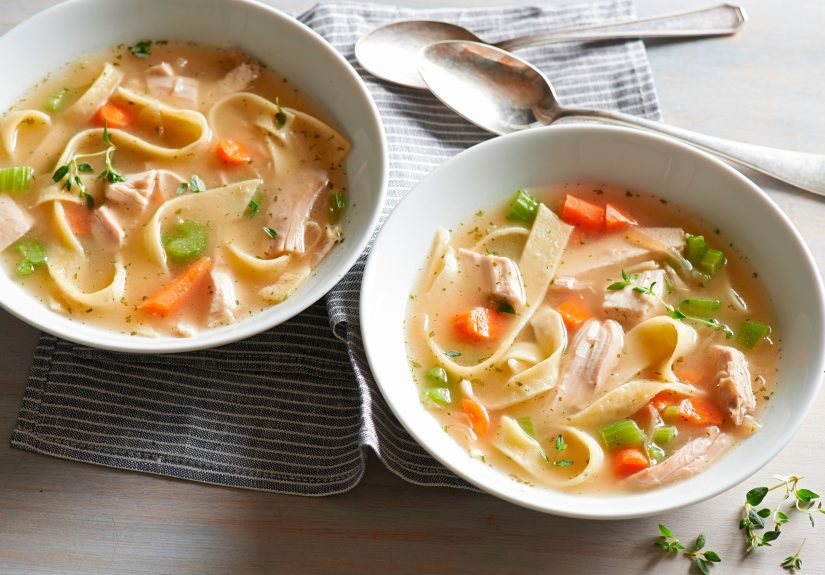
If there were a “National Hug in a Bowl” award, old-fashioned chicken noodle soup would win by a landslide.
This is the kind of classic chicken noodle soup recipe your grandma probably made: a whole chicken (or bone-in pieces),
a slow-simmered golden broth, tender vegetables, and chewy egg noodles that soak up all that flavor. No canned shortcuts,
no mysterious powder packetsjust real ingredients and a little bit of time.
Modern American cooks still swear by this style of soup. Many popular recipes start with a whole chicken or bone-in pieces
and simmer them gently to build a rich, naturally gelatinous broth before shredding the meat.
Wide or medium egg noodles are the top choice because they hold their shape, soak up flavor, and feel nostalgic in all the right ways.
Add the right vegetable mix, a few herbs, and food-safe cooking practices, and you’ve got a classic that tastes like it’s been
simmering in family history for generations.
Why Old-Fashioned Chicken Noodle Soup Still Hits Different
There are a million soup recipes out there, but old-fashioned chicken noodle soup stands out for a few reasons:
- Flavor starts with real broth. Simmering a whole chicken or bone-in pieces extracts collagen and flavor from bones and skin,
giving you a broth that feels silky on your lips instead of thin and watery. - Balanced bites. The best recipes carefully balance the ratio of chicken, noodles, and vegetables so every spoonful
gives you a bit of everything. - Comfort + nutrition. You get protein from the chicken, carbs from the noodles, fiber and vitamins from the veggies,
and hydration from the brothexactly what your body wants when you’re tired, cold, or feeling under the weather. - Endlessly adaptable. You can make it completely from scratch on a Sunday afternoon or use a rotisserie chicken and boxed broth
on a weeknight and still end up with something soul-soothing.
Ingredients for Classic Old-Fashioned Chicken Noodle Soup
For the Broth and Chicken
- 1 whole chicken (about 3.5–4 pounds), or 2–2.5 pounds bone-in chicken pieces (thighs and drumsticks work great)
- 10 cups cold water (or a mix of water and low-sodium chicken broth)
- 1 large yellow onion, quartered (you can leave the skin on for extra color)
- 2 medium carrots, cut into chunks
- 2 celery stalks, cut into chunks
- 3 garlic cloves, lightly smashed
- 2 bay leaves
- 1 teaspoon dried thyme or a few sprigs fresh thyme
- 1 teaspoon whole black peppercorns
- 1–2 teaspoons kosher salt, plus more to taste
For the Soup
- 2 tablespoons butter or olive oil
- 2 additional carrots, diced
- 2 additional celery stalks, diced
- 1 small onion, finely chopped (if you like extra onion flavor)
- 8 ounces wide or medium egg noodles
- Freshly ground black pepper, to taste
- 2–3 tablespoons chopped fresh parsley or dill
- Extra broth or water, as needed, to adjust consistency
Traditional American chicken noodle soups rely on a similar core lineup of chicken, carrots, celery, onion, herbs, and egg noodles
whether they’re called “grandma’s,” “old-fashioned,” or “classic.”
Food Safety First (So the Soup Loves You Back)
Before we cook, a quick safety note: modern food safety guidelines strongly recommend
not rinsing raw chicken, because splashing water can spread bacteria around your sink and counters.
Instead, pat the chicken dry with paper towels if needed, wash your hands, sanitize surfaces, and keep raw chicken tools
separate from everything else.
Chicken should be cooked to an internal temperature of 165°F (74°C) to be safe, whether you’re simmering whole poultry,
roasting pieces, or using leftovers.
Use a food thermometer and check the thickest part of the thigh (avoiding the bone).
Step-by-Step: How to Make Old-Fashioned Chicken Noodle Soup
Step 1: Build a Deeply Flavorful Broth
-
Load the pot. Place the whole chicken (or pieces) in a large stockpot. Add onion, carrot chunks, celery chunks, garlic,
bay leaves, thyme, peppercorns, and 1 teaspoon salt. Pour in the water so the chicken is mostly submerged. -
Bring to a gentle simmer. Over medium-high heat, bring the pot just to a boil, then immediately reduce to low or medium-low
to maintain a gentle simmer. Skim off any foam that rises to the top. This gives you a clearer broth. -
Simmer low and slow. Let the chicken simmer for about 1.5–2 hours, partially covered, until the meat is very tender and easily
pulls away from the bone. Traditional stovetop chicken soup recipes commonly simmer in this 1.5–3 hour range, depending on the size of the bird. - Check for doneness. Confirm the chicken has reached at least 165°F in the thigh. Remove the chicken to a large bowl or tray and let it cool slightly.
-
Strain the broth. Pour the broth through a fine-mesh strainer into another pot or large bowl to remove the vegetables, herbs, and peppercorns.
You can press gently on the solids to extract extra flavor, then discard them.
Step 2: Shred the Chicken
- When the chicken is cool enough to handle, remove and discard the skin and bones.
- Shred or chop the meat into bite-size pieces. Aim for about 3 cups of shredded chicken for a nicely balanced soup.
Step 3: Build the Soup Base
-
Sauté the aromatics. In the now-empty stockpot, melt the butter (or heat the oil) over medium heat.
Add the diced carrots, celery, and chopped onion. Cook, stirring, for 5–7 minutes, until slightly softened and fragrant. -
Add the broth. Pour the strained broth back into the pot with the vegetables. Bring it to a gentle simmer and cook for another
10–15 minutes, until the veggies are tender but not mushy.
Step 4: Cook the Noodles
You have two main options: cook the egg noodles directly in the soup (traditional and convenient), or cook them separately in salted water
and add them to each bowl (great if you’re planning leftovers and don’t want soggy noodles).
-
In the soup: Add the egg noodles directly to the simmering broth and cook according to package directions, usually 6–8 minutes
for wide egg noodles. -
Separately: Bring a separate pot of salted water to a boil and cook the noodles until just al dente. Drain and set aside.
Stir a handful into each serving bowl, then ladle hot soup over the top. This method is recommended by many modern recipes to keep the broth from
disappearing into the pasta.
Step 5: Finish and Season
- Stir the shredded chicken into the pot and warm it through for a few minutes.
-
Taste and adjust the soup with more salt and plenty of freshly ground black pepper. Old-fashioned recipes aren’t shy about seasoning
just keep it balanced and not overly salty. - Stir in chopped fresh parsley or dill right before serving for color and fresh flavor.
If the soup has thickened more than you’d like (the noodles drink broth like teenagers drink soda), add a splash or two of water or extra broth
to loosen it back up.
Tips for the Best Old-Fashioned Chicken Noodle Soup
1. Choose the Right Noodles
Wide or medium egg noodles are considered the “classic” choice for old-fashioned chicken noodle soup in many American cookbooks and food sites.
They’re sturdy enough to stay pleasantly chewy, and their slightly wavy texture traps broth like a tiny ladle.
If you want to switch it up, you can use ditalini, small shells, or even spaetzle for a fun variation.
2. Don’t Rush the Broth
The difference between “pretty good” and “wow, this tastes like a hug” is usually the broth. Recipes that simmer chicken and aromatics for at least
1.5–2 hours consistently produce deeper flavor and richer body than quick 30-minute versions.
If you have extra time, you can simmer longer, as long as the broth stays at a gentle bubble.
3. Use a Mix of Meat
A whole chicken gives you a mix of white and dark meat, which makes the soup more flavorful and juicy. Many classic recipes specifically call
for whole birds in the 3–4 pound range for this reason.
If you only use chicken breasts, the soup can taste a bit flat and the meat may dry out more easily.
4. Season in Layers
Add a bit of salt to the broth, a bit more when you sauté the vegetables, then do a final adjustment at the end.
This layered approach builds deeper flavor than dumping a big spoonful of salt in at the last minute.
5. Store and Reheat Safely
Cool leftovers promptlyideally within 2 hoursthen refrigerate in shallow containers. Food safety agencies recommend keeping cooked foods out
of the “danger zone” (40°F–140°F), where bacteria grow quickly.
Reheat leftovers to a full simmer, and use them within 3–4 days, or freeze for longer storage.
Serving Ideas and Easy Variations
- Lemon-herb twist: Add a squeeze of fresh lemon juice and extra dill or parsley just before serving for brightness.
- Veggie boost: Stir in peas, corn, or chopped green beans in the last few minutes of simmering.
- Creamy version: Whisk in a splash of cream or half-and-half at the end for a richer, chowder-style soup.
- Rotisserie shortcut: Use a store-bought rotisserie chicken and boxed low-sodium broth. Simmer the carcass with onion, carrot, celery,
and herbs for 30–45 minutes to upgrade the flavor, then strain and proceed with the recipe using the shredded meat.
Old-Fashioned Chicken Noodle Soup: Real-Life Kitchen Experiences
Every family seems to have a chicken noodle soup story. Maybe it’s the pot your grandma kept simmering on a snow day,
the soup someone brought over when you were sick, or the first “real” meal you learned to cook as an adult.
Old-fashioned chicken noodle soup isn’t just a recipe; it’s a recurring character in our lives.
One common experience home cooks report is the “mysteriously disappearing broth” situation. Everything looks perfect when the soup finishes,
but by the time you go back for seconds, the noodles have puffed up and the pot looks like a casserole. That’s totally normal.
Egg noodles are thirsty. Many experienced cooks now routinely keep extra broth on handor cook the noodles separatelyso they can top up the pot
and bring back that brothy comfort. It’s a small adjustment that turns a one-night meal into a reliable leftover.
Another shared moment: the first time you cook a whole chicken just for soup. It can feel intimidatingthis big bird floating in your pot like
it owns the placebut after one or two batches, it becomes oddly calming. You toss in the aromatics, walk away for an hour or two,
and your kitchen slowly starts to smell like “everything is going to be okay.” You learn to trust that gentle simmer and the way the meat falls off the bone
when it’s ready. Over time, you start adjusting things by instinct: a little more thyme in winter, extra carrots if you know you’ll be feeding picky kids.
People also discover how different homemade soup feels compared to canned versions. The broth has body; the chicken actually tastes like chicken;
the vegetables still have texture. A lot of cooks mention that once they tried making old-fashioned chicken noodle soup from scratch,
they started keeping a “soup stash” in the freezer: single-serving containers ready for late-night cravings, surprise colds, or long workdays.
Knowing there’s homemade soup waiting can be a mental comfort all by itself.
There’s also a social side to this recipe. Chicken noodle soup is one of the most popular “I made you something” foods.
New baby? Soup. Friend recovering from surgery? Soup. Neighbor going through a tough time? Soup again.
It travels well, reheats beautifully, and doesn’t require any fancy explanation. You just hand over the container and say,
“Heat this up when you’re hungry.” Even if everyone’s recipe is slightly differentmore dill here, more noodles therethe message is the same:
you’re cared for.
Finally, making this soup can be a surprisingly good cooking lesson for kids or beginners. You can show how raw chicken turns into cooked meat safely,
how vegetables soften in a simmering broth, and how seasoning changes flavor. They can help break noodles, stir the pot, or sprinkle herbs at the end.
By the time you ladle soup into bowls, they’re not just eating dinnerthey’re eating something they helped create.
That sense of pride and comfort is a big reason old-fashioned chicken noodle soup will probably still be around long after every food trend fades away.