Table of Contents >> Show >> Hide
- What “Normal” Really Means (Spoiler: It’s Not One Number)
- Timing: How Often Should a Period Happen?
- Flow: What’s a “Normal” Amount of Bleeding?
- Symptoms: What’s Normal (and What’s Not)?
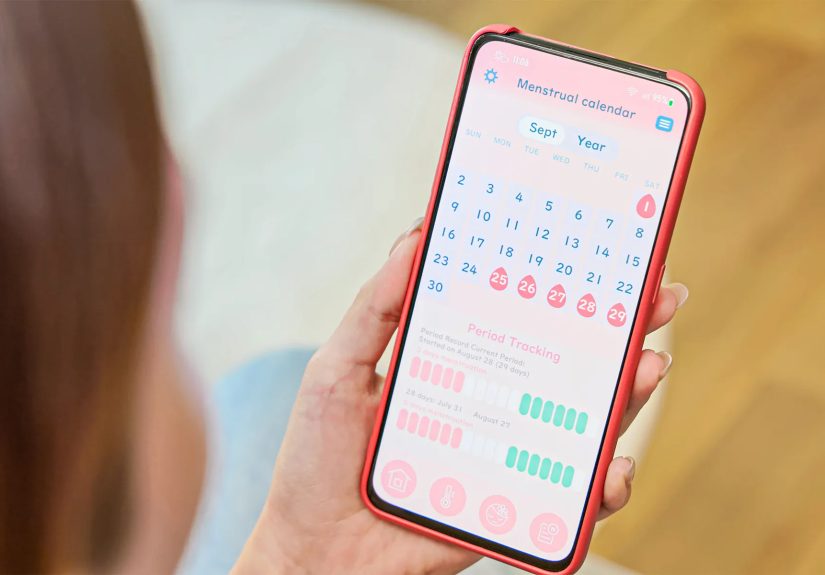
- Tracking: The Secret Weapon for Knowing Your “Normal”
- Putting It Together: A “Normal Period” Snapshot
- Quick FAQs
- Conclusion: Know Your Baseline, Track the Changes, Trust the Pattern
- Experiences: What “Normal” Can Look Like in Real Life (and What People Learn From It)
If you’ve ever typed “is my period normal?” into a search bar at 2 a.m., welcome to a very large club.
The good news: a “normal” period isn’t one perfect, symmetrical, 28-day unicorn. It’s a range.
The better news: once you understand the basicstiming, flow, symptoms, and trackingyou’ll be able to
spot what’s typical for you and what might be worth bringing up with a clinician.
This guide breaks down what experts generally consider normal, how periods can vary by age and life stage,
and how to track your cycle without turning your bathroom into a research lab. (Though if you do,
please label your charts. Future-you will thank you.)
What “Normal” Really Means (Spoiler: It’s Not One Number)
When healthcare organizations talk about a “normal period,” they’re usually describing patterns that are common
and generally not linked to a health problem. That includes:
- Timing: how often bleeding happens (cycle length) and how many days bleeding lasts.
- Flow: how heavy/light bleeding is and how it changes across days.
- Symptoms: cramps, mood changes, and other physical signs that can show up around your period.
- Consistency: whether your pattern is fairly predictableor suddenly changes.
A helpful way to think about it: normal is your baseline, plus a little wiggle room.
If your cycle is usually 29–32 days and one month it’s 34, that can still be normal. But if you’re usually 29–32
days and suddenly you’re skipping months or bleeding much heavier than usual, that’s a “take notes and consider
checking in” moment.
Timing: How Often Should a Period Happen?
How to count your cycle (the official way)
Cycle length is counted from Day 1 of bleeding (the first day you have actual flow, not just a
little spotting) to Day 1 of the next period.
Typical cycle length ranges
For many adults, menstrual bleeding commonly happens every 21 to 35 days. Teens and people
in the first few years after their first period can have more variation, and longer cycles can be common early on.
Over time, cycles often become more regular.
Real-life examples:
- Example A: Your cycle is 24 days one month and 27 the next. That’s usually within a typical range.
-
Example B: Your cycle is 45 days, then 22 days, then 60 daysespecially if you’re years past your
first period. That’s more irregular and worth tracking closely and discussing if it persists.
How long should bleeding last?
Many people bleed for about 2 to 7 days. Some will have a short, punchy 2–3 day period; others have
6–7 days with a light “encore” at the end. The key is whether your length is stable for you, and whether it’s
disrupting your life (or soaking through everything you own).
Flow: What’s a “Normal” Amount of Bleeding?
Average blood loss vs. what it feels like in real life
Research-based estimates often cite an average total menstrual blood loss around 30 mL per cycle,
while more than ~80 mL is commonly used as a marker for heavy menstrual bleeding. That’s not easy to
eyeball (and you shouldn’t have to), so clinicians often use practical signs instead.
What normal flow patterns often look like
Many periods follow a familiar plot:
Day 1–2 heavier, then Day 3–5 lighter, with some variation.
Flow can also change with stress, sleep, travel, illness, medication changes, weight shifts, intense exercise,
and major life events. Your uterus is basically a tiny manager who hates surprisesand then reacts to them anyway.
Clots and color: what’s typical?
Blood can look bright red, dark red, or brown (especially at the beginning or end). Small clots can happen,
particularly on heavier days. Bigger clots or frequent clotting alongside very heavy bleeding can be a sign you
should get checked outespecially if your period has changed from your usual pattern.
Practical “flow checks” you can actually use
- Product changes: How often do you need to change a pad/tampon/cup on your heaviest day?
- Overnight bleeding: Do you regularly need to change products during the night?
- Soaking quickly: Are you soaking through a pad or tampon very fast for multiple hours?
- Life disruption: Are you avoiding school, work, sports, or outings mainly due to bleeding volume?
When flow is probably too heavy (red flags)
A common clinical red flag is bleeding so heavy that you soak through a pad or tampon about every hour
for more than a couple of hours (or you’re doubling up products and still leaking).
Heavy bleeding can also raise the risk of iron deficiency and anemia over time.
Symptoms: What’s Normal (and What’s Not)?
Cramps: common, but not always “fine”
Many people get menstrual cramps (dysmenorrhea). Often, cramps are strongest during the first day or two of flow.
You might also notice lower back pain, fatigue, headaches, nausea, or loose stools. That can be within the
“annoying-but-common” category.
But here’s the important nuance: common does not automatically mean you must suffer through it.
If pain is severe, worsening, or interfering with your normal life, it’s reasonable to talk with a healthcare
professional. Severe pain can sometimes signal conditions like endometriosis or other causes that deserve
real treatment, not just pep talks.
PMS: the “pre-period trailer” your body sometimes plays
Premenstrual syndrome (PMS) can include physical and emotional symptoms in the days leading up to your period.
Common examples include bloating, breast tenderness, acne, headaches, food cravings, irritability, and mood swings.
Symptoms often improve once bleeding starts (though some people get a “plot twist” and feel worse for the first day
or two).
Symptoms that should prompt a check-in
- Severe pain that keeps you from school/work/sleep or is getting worse over time.
- Bleeding between periods or after sex (especially if it’s new for you).
- Periods lasting longer than 7 days consistently.
- Very heavy bleeding (soaking through products quickly, especially for multiple hours).
- Sudden major changes in timing, flow, or symptoms compared to your usual baseline.
- Feeling faint, unusually tired, or short of breath (possible signs of anemia).
- Fever and feeling ill around tampon use (seek urgent care advice promptly).
Tracking: The Secret Weapon for Knowing Your “Normal”
Why tracking matters (beyond planning your outfit)
Tracking your period helps you:
- Identify your typical cycle length and predict your next period more accurately.
- Notice patterns in cramps, mood, headaches, acne, or digestive changes.
- Spot meaningful changes early (which is especially helpful if you need to talk to a clinician).
- Understand how sleep, stress, travel, and workouts affect your cycle.
What to track (simple, useful, and not exhausting)
At minimum, track:
- Start date of your period (Day 1 of flow).
- End date (last day of bleeding/flow).
- Flow level each day (light/medium/heavy or a 1–5 scale).
- Key symptoms (cramps, mood changes, headache, bloating, fatigue).
If you want a little more detail, add:
- Sleep quality, stress level, and major changes (travel, illness, new meds).
- Exercise intensity (especially if you’re training hard).
- Notes on spotting (when it happens and how long).
Tracking methods: choose your own adventure
- Paper calendar: Classic, reliable, no batteries required.
- Phone notes or spreadsheet: Flexible and easy to search later.
- Period tracking apps: Convenient for predictions and reminders, but consider privacy settings.
If you use an app: quick privacy reality check
Period apps can be genuinely helpful, but health data is sensitive. If privacy is a concern, consider choosing
tools that store data locally or have strong privacy protections, and review what data is shared.
You can also track with a paper calendar if you’d rather keep things completely offline.
Optional: tracking ovulation signs (for body literacy, not perfection)
Some people track ovulation-related changes like cervical mucus patterns or basal body temperature, especially if
trying to understand fertility timing. These methods take practice and are best approached as “pattern recognition”
rather than a daily pass/fail test.
Putting It Together: A “Normal Period” Snapshot
Here’s what a typical, healthy pattern can look like (remember: ranges exist):
- Cycle length: commonly 21–35 days for many adults, with more variability in early teen years.
- Bleeding length: commonly 2–7 days.
- Flow: often heavier early, lighter later; manageable with routine product changes.
- Symptoms: mild to moderate cramps, bloating, and PMS symptoms that don’t derail daily life.
Quick FAQs
Is a 28-day cycle the “best” cycle?
Nope. It’s an average often mentioned in textbooks. Many perfectly healthy people are naturally shorter or longer.
Your goal isn’t 28it’s stable and healthy for you.
Is it normal to be irregular after your first period?
Often, yes. In the first few years after a first period, cycles can be longer and more irregular as the body’s
hormone signaling matures. Tracking helps you see whether things are trending toward regularity over time.
How do I know if my flow is “too heavy” if I don’t measure it?
Use real-world indicators: soaking through products very quickly for multiple hours, needing to change frequently
overnight, bleeding longer than a week, or symptoms like dizziness or unusual fatigue.
Can stress change my period?
Stress can affect hormones and may shift timing, symptoms, or flow for some people. If changes are persistent,
dramatic, or paired with other symptoms, it’s worth checking in with a clinician.
Conclusion: Know Your Baseline, Track the Changes, Trust the Pattern
A normal period isn’t a rigid scheduleit’s a pattern that generally fits within healthy ranges and makes sense
for your age and life stage. Timing typically falls within a broad window, flow often varies by day, and symptoms
like cramps or PMS can be common. The most powerful tool you have is tracking: it turns vague vibes into useful
information you can actually act on.
If your period pattern suddenly changes, becomes very heavy, lasts longer than a week, or pain starts interfering
with your daily life, you deserve real answers and support. Your cycle is not “just a nuisance”it can be a valuable
sign of overall health.
Experiences: What “Normal” Can Look Like in Real Life (and What People Learn From It)
The tricky part about periods is that “normal” often feels like a moving targetespecially when someone else’s
cycle looks totally different from yours. Here are a few common experiences people report, and the practical
lessons that come with them. Think of these as “been-there notes,” not medical diagnoses.
1) The “My Cycle Isn’t 28 Days and I Thought It Had To Be” Phase
Many people grow up hearing “periods happen every month,” which makes it sound like a calendar flips andboomflow.
In reality, someone might have a 24-day cycle, another might have a 33-day cycle, and both can be completely healthy.
A common lightbulb moment happens when they track three months and realize: “Oh, I’m consistentjust not textbook.”
The lesson: consistency matters more than a famous number.
2) The “Day 2 Is a Drama Queen” Discovery
A lot of people notice their heaviest flow day is predictably Day 2 (or Day 1), and they plan around it:
extra supplies in a bag, darker bottoms, a backup layer, or choosing a meeting time that doesn’t require a
sprint to the restroom every hour. Once they identify the “heavy day,” life feels less chaotic.
The lesson: knowing your heaviest day helps you plan smarter, not harder.
3) The “My Symptoms Have a Schedule” Moment
Some people don’t connect the dots until they track: the same week each cycle brings bloating, sleepier afternoons,
or a short fuse with group chats. Others notice a headache pattern or acne flare that reliably shows up before bleeding.
Once the pattern is visible, they can adjusthydration, earlier bedtime, stress management, and not scheduling the
biggest presentation of the year on the one day they feel like a human tumbleweed.
The lesson: tracking symptoms turns surprises into predictable patterns.
4) The “Stress Made My Period Late and I Panicked” Story
Big exams, new jobs, family stress, travel, or disrupted sleep can coincide with late or off-schedule cycles.
People often describe the anxiety spiral: “Why is it late?” followed by “It’s late because I’m stressed,” followed
by “I’m stressed because it’s late.” Tracking helps break that loop by showing whether this is a one-off shift
or a repeated change. If it repeats or becomes extreme, tracking also provides a clear record to share with a clinician.
The lesson: your body reacts to life; tracking helps you tell ‘one weird month’ from a trend.
5) The “I Didn’t Realize My Bleeding Was Heavy Until I Compared Notes” Wake-Up Call
Some people assume their experience is normal until they learn what “heavy bleeding” can mean clinicallylike soaking
through products quickly, bleeding longer than a week, or feeling unusually tired. Once they start tracking product
changes and duration, they realize the pattern is more intense than they thought. The empowering part: having concrete
details makes medical conversations easier and can lead to helpful evaluation and treatment.
The lesson: “normal to you” isn’t always “healthy for you”and you deserve support.
Overall, the most common theme people share is surprisingly simple: the more you track, the less mysterious your
cycle feels. You don’t need to record every breath you takejust enough to understand your baseline and notice changes.
That’s how “Is this normal?” becomes “Here’s what’s normal for meand here’s what changed.”