Table of Contents >> Show >> Hide
- Why “New Zealand-Designed” Feels Different in a Kitchen
- Start With Your Aesthetic: Three Kitchen Looks, One Appliance Brand
- The Star Players: Fisher & Paykel Appliances That Define the Look
- DishDrawer™ Dishwashers: The Appliance That Secretly Changes How You Load a Kitchen
- Integrated Refrigeration: The “Calm Wall” Effect
- CoolDrawer™ Multi-Temperature Drawer: The “I Didn’t Know I Needed This” Flex
- Cooking Appliances: Even Heat, Smart Venting, and “No More Hot Spot Roulette”
- Outdoor Cooking With DCS: When Your Kitchen Has a ZIP Code Extension
- Design Details That Make or Break the “Aesthetic” Part
- How to Choose the Right Fisher & Paykel Setup for Your Home
- What People Tend to Love (and What to Think Through)
- Extra: of Real-Life ExperienceLiving With a Fisher & Paykel-Led Aesthetic
- Conclusion
If you’ve ever stood in a beautiful kitchen and thought, “Wowthis space looks like it has its life together,” there’s a decent chance the appliances are quietly doing most of the heavy lifting. Not loud-heavy like a blender at 6 a.m., but design-heavy: the lines match, the proportions feel intentional, and nothing screams “I was added during a holiday sale.”
That’s where Fisher & Paykel comes in. The New Zealand-founded brand has built a reputation around human-centered designappliances shaped by how people actually cook, store food, and move through a kitchen (instead of how a product spec sheet wishes they did). The result: a lineup that can blend into a minimalist, panel-ready dream kitchen, anchor a modern “chef vibe” space with pro-style confidence, or add polish to a cozy transitional remodel without turning the room into a stainless-steel spaceship.
Why “New Zealand-Designed” Feels Different in a Kitchen
New Zealand design tends to prize calm, practicality, and a strong relationship with the home environmentthink clean geometry, quiet confidence, and fewer fussy details. Fisher & Paykel leans into that with a “designed to fit” mindset: appliances that align, sit flush, and support a cohesive visual rhythm across the kitchen. The vibe is less “look at my range!” and more “look at my whole kitchen… also yes, that range can absolutely sear a steak.”
In practical terms, that design philosophy shows up in two big ways:
- Integrated options that disappear into cabinetry for a seamless look.
- Statement options (like professional ranges) that look intentionalmore tailored suit, less costume jewelry.
Start With Your Aesthetic: Three Kitchen Looks, One Appliance Brand
1) The Minimalist, “Nothing Should Interrupt the Cabinets” Kitchen
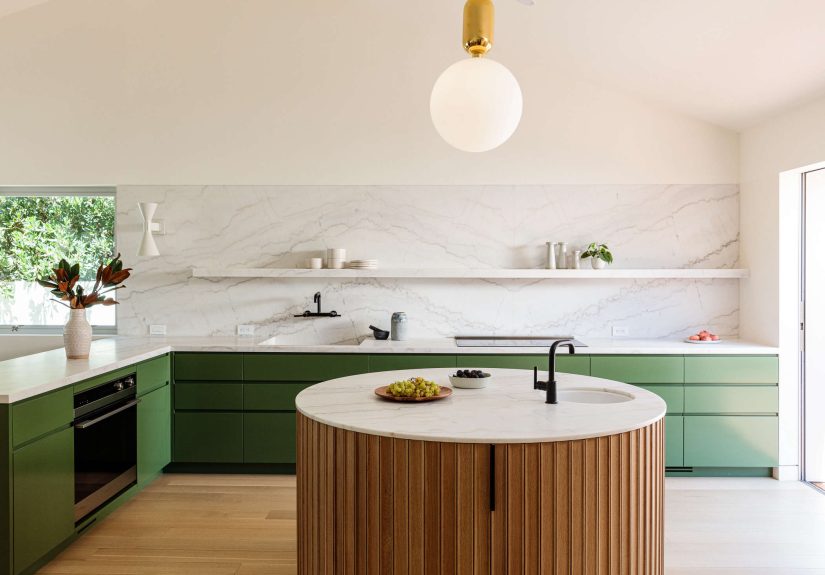
If your dream kitchen has flat-front cabinets, hidden hardware, and a countertop that looks like it was carved from a single peaceful boulder, you’re likely shopping for panel-ready integrated appliances. Fisher & Paykel is especially strong here because it offers integrated refrigeration and dishwashing that can be customized with cabinetry panels or coordinated stainless panels. This lets you keep the kitchen’s main character energy where it belongs: on materials, lighting, and layoutnot on a giant logo.
What to look for:
- Integrated refrigeration that supports a flush, built-in look and matches surrounding cabinetry.
- Panel-ready dishwashing so the dishwasher blends in instead of “glinting” from across the room.
- Handle consistency across appliance fronts so nothing looks like it came from a different universe.
Aesthetic win: When your refrigerator doesn’t visually “cut” the wall of cabinetry, the room feels calmer and largerlike the kitchen took a deep breath and decided to be mature about it.
2) The Modern Transitional Kitchen That Wants Warmth Without Losing Edge
Modern transitional kitchens are the Goldilocks zone: not too sleek, not too traditional, and definitely not trying to cosplay a Tuscan villa. In these spaces, Fisher & Paykel shines by offering appliances that feel refinedclean lines, thoughtful details, and finishes that play nicely with wood tones, soft whites, and mixed metals.
What to look for:
- Counter-depth and built-in refrigeration for a streamlined profile that still feels welcoming.
- Contemporary wall ovens with modern controls and even-heat convection performance.
- DishDrawer™ options that improve ergonomics and keep the kitchen workflow smooth.
Aesthetic win: Transitional kitchens love appliances that don’t bully the room. You want “beautifully made,” not “look at me, I have opinions.”
3) The Pro-Style Kitchen Where Cooking Is a Sport (and the Range Is the Captain)
Some kitchens want to be the stage. If you love big burners, powerful heat, and the idea of cooking multiple dishes like you’re hosting a cooking show (minus the dramatic music and surprise eliminations), you’re probably drawn to professional-style ranges.
Fisher & Paykel’s pro-style direction is about marrying performance with polishpowerful cooking capability with a design language that still feels modern. And if your “kitchen” sometimes includes a patio, DCS (part of the same family of brands) focuses heavily on outdoor grilling and outdoor kitchen setups.
Aesthetic win: Pro-style doesn’t have to mean “industrial.” You can get commercial-inspired performance without making your home feel like a restaurant back-of-house.
The Star Players: Fisher & Paykel Appliances That Define the Look
DishDrawer™ Dishwashers: The Appliance That Secretly Changes How You Load a Kitchen
Traditional dishwashers are basically a hinged cave you squat in front of. DishDrawer™ dishwashers rethink that, offering drawer-style access and, in double models, the ability to run drawers independently. That means you can wash a smaller load without waiting for a full machineor run different cycles simultaneously when life is chaotic and dinnerware is multiplying like rabbits.
Why it fits different aesthetics:
- Minimalist kitchens: integrated, panel-ready options keep the front flush and discreet.
- Transitional kitchens: stainless or custom-panel looks feel tailored, not flashy.
- Busy family kitchens: the “true half load” approach makes smaller, more frequent washes feel less wasteful.
Real-world example: If you entertain often, you can dedicate one drawer to glassware on a gentler cycle and the other to dinner plates and serving dishes on something more intense. It’s like having two dishwashers that don’t demand twice the floor space.
Quick honesty break: Drawer dishwashers are different. Some homeowners love the ergonomics and flexibility; others prefer the simplicity of a single big tub. If you’re switching from a conventional dishwasher, it’s worth reading up on installation considerations and thinking through how you load (and how tall your biggest items are).
Integrated Refrigeration: The “Calm Wall” Effect
Refrigeration is often the biggest visual block in a kitchen. Integrated refrigeration helps it stop looking like a metal monolith and start looking like part of the architecture. Fisher & Paykel’s integrated refrigeration lineup supports that design goal while also emphasizing food careusing technology like sensors and controlled airflow to help stabilize temperature after the door opens and closes.
Why it fits different aesthetics:
- Minimalist: panel-ready fronts disappear into cabinetry for a built-in look.
- Modern transitional: a flush fit helps maintain clean lines while still feeling homey.
- Design-forward kitchens: columns and modular configurations let you tailor layout (and symmetry) to the space.
Real-world example: In a kitchen where the refrigerator sits near the entry, integrated panels can keep that first impression more “custom home” and less “appliance showroom.”
CoolDrawer™ Multi-Temperature Drawer: The “I Didn’t Know I Needed This” Flex
If you’ve ever hosted a party and used your bathtub as a cooler (no judgmentjust… maybe don’t), the CoolDrawer™ concept will make immediate sense. It’s a drawer that can be switched between different temperature modesuse it as a refrigerator, pantry, or freezer with the push of a button. This is less about replacing your main refrigerator and more about giving you targeted storage where you actually need it.
Where it shines:
- Entertaining zones: keep drinks or party platters close to the action.
- Prep zones: store ingredients near the cooktop or island so you’re not pacing the kitchen like you’re training for a marathon.
- Small kitchens: add flexibility without a full extra fridge footprint.
Design advantage: it can be integrated with cabinetry panels for a clean, built-in lookso it reads like part of the kitchen plan, not an afterthought.
Cooking Appliances: Even Heat, Smart Venting, and “No More Hot Spot Roulette”
For cooking, Fisher & Paykel emphasizes consistent results. Technologies like AeroTech™ convection are designed to circulate heat evenly throughout the ovenhelpful for multi-rack baking or any recipe where “rotate halfway through” feels like an annoying side quest. Some built-in ovens also highlight moisture management via venting technology, aiming for better texture and more predictable outcomes.
Choosing by aesthetic:
- Minimal/modern: built-in wall ovens with streamlined faces and clean control layouts.
- Transitional: a balanced stainless look that pairs with warm cabinetry and stone.
- Pro-style: ranges that anchor the kitchen visually and functionally.
Real-world example: If your household loves baking, even heat distribution can be the difference between “perfect cookies” and “half of these are… abstract art.”
Outdoor Cooking With DCS: When Your Kitchen Has a ZIP Code Extension
If your lifestyle includes grilling season as a personality trait, DCS focuses on outdoor grills and outdoor kitchen setups with built-in design options. For homes where indoor/outdoor flow matters, aligning the outdoor cooking zone with the same design intent as the indoor kitchen keeps everything feeling cohesivelike your patio didn’t get left out of the group chat.
Design Details That Make or Break the “Aesthetic” Part
Flush Fit and Panel-Ready Planning
The cleanest-looking kitchens are planned, not improvised. Integrated appliances often require coordination between cabinet makers, installers, and appliance specs. If you want that “flush, furniture-like” finish, measure carefully and confirm the panel and handle requirements early. Even small spacing details can affect whether the final result looks customor slightly “off,” like a picture frame hung one inch too high (and now you can’t unsee it).
Finish Coordination: Stainless, Black, or Disappearing Completely
Fisher & Paykel kitchens often look best when you choose a consistent direction:
- All integrated: refrigerators and dishwashers behind panels; cooking appliances become the subtle focal point.
- Mixed approach: integrated refrigeration + stainless cooking for a balanced “chef meets designer” look.
- Statement suite: pro-style range + coordinated appliances for a bold, cohesive presence.
Workflow: The Most Underrated Aesthetic
Here’s a truth kitchen designers know: a kitchen that functions smoothly looks better, because it stays calmer. Appliances that support workflowlike DishDrawer™ formats that reduce bending, flexible temperature drawers near prep zones, or refrigeration layouts that reduce cross-traffichelp keep the space feeling effortless. And effortless is the ultimate luxury aesthetic.
How to Choose the Right Fisher & Paykel Setup for Your Home
Step 1: Decide Your “Visual Priority”
- Want appliances to vanish? Go integrated refrigeration + panel-ready dishwashing.
- Want one hero appliance? Choose a statement range and keep the rest streamlined.
- Want a cohesive suite? Pick a consistent finish and align handle styles and proportions.
Step 2: Match Features to Lifestyle, Not Fantasy
Buy for the way you live now (and maybe 10% for the way you wish you lived, because hope is important). If you rarely bake but love meal prep, prioritize refrigeration flexibility. If you host a lot, think about additional cold storage like a multi-temperature drawer. If your household creates dishes at a rate that suggests a secret ceramic factory, dishwashing ergonomics and capacity matter.
Step 3: Plan Installation Like a Grown-Up
Integrated and flush-fit designs can be spectacular, but they reward careful planning. Before you commit:
- Confirm cabinet panel specs and handle compatibility.
- Check clearances (doors, drawers, walkways).
- Coordinate ventilation needs for cooking appliances.
- Choose an installer who has experience with built-in or integrated projects.
What People Tend to Love (and What to Think Through)
Common wins
- Design cohesion: integrated options support a high-end, architectural look.
- Flexibility: drawer-based dishwashing and convertible temperature storage can fit real routines.
- Performance focus: features like even-heat convection aim to make results more consistent.
Worth considering
- Installation complexity: integrated and panel-ready setups can require more planning.
- Different ergonomics: drawer dishwashers change loading habitsgreat for many, not for everyone.
- Budget reality: design-forward appliances are an investment, so prioritize what affects daily life most.
Extra: of Real-Life ExperienceLiving With a Fisher & Paykel-Led Aesthetic
There’s a funny moment that happens after a kitchen remodel: the first time you cook, you realize the room is not a museum. It’s a working habitat. The goal isn’t “never spill anything” (adorable), it’s “spill, clean up, move on, still love the space.” That’s where design-focused appliances earn their keepwhen beauty doesn’t collapse under real life.
In an integrated kitchen, the experience is almost psychological. With the refrigerator and dishwasher blended into cabinetry, the room feels less like a utility zone and more like a living space. People tend to linger. The kitchen island becomes a homework desk, a snack bar, and an unofficial family meeting room. Because visually, the space isn’t shouting “appliances!”it’s just… calm. And that calm makes everything feel more expensive, even when someone is microwaving leftovers for the third time this week.
The DishDrawer™ experience is usually a “first week adjustment, then why-didn’t-everyone-do-this” situationespecially for households that run smaller loads frequently. Instead of waiting for a full dishwasher, you can wash what you used today. The top drawer often becomes the “daily driver”: breakfast bowls, coffee mugs, and the random spoon you used to taste sauce eight times. The bottom drawer becomes the heavy hitterpots, pans, and the baking sheet that somehow gets dirtier than the meal it cooked. People who love it talk about the reduced bending and the ability to keep the kitchen moving during dinner parties. People who don’t love it usually wanted one giant space for everything. Neither camp is wrong; it’s just about habits.
Then there’s refrigerationespecially in kitchens where entertaining is a sport. Homeowners often underestimate how much “cold storage logistics” drives stress. Where do the drinks go? Where do you stash the dessert? Why is the main fridge packed like it’s preparing for hibernation? A multi-temperature drawer can feel like a cheat code: set it for beverages during a party, switch it for extra fridge space during holidays, or use it as a pantry zone for items you want accessible near the island. The luxury isn’t just temperature controlit’s the feeling that your kitchen has backup plans.
Cooking performance shows up in the moments that matter: holiday meals, multi-rack baking, the weeknight roast that you want to be “easy” but still impressive. Even heat and strong venting translate into fewer surprises. And fewer surprises means you can focus on enjoying the process instead of fighting the oven like it’s a stubborn video game boss.
The best part is how all of this ties back to aesthetic. A kitchen that works well stays cleaner, feels calmer, and looks better in everyday life. Fisher & Paykel’s New Zealand-rooted design vibequiet, intentional, humancan make the kitchen feel like the most thoughtful room in the house. Which is great, because it’s also the room that will absolutely judge you for eating cheese straight from the fridge at midnight. (The appliances won’t tell. Probably.)
Conclusion
Fisher & Paykel’s appeal is that it doesn’t force you into one look. You can build a minimalist, integrated kitchen where appliances nearly disappear, a warm modern-transitional space that feels tailored and inviting, or a pro-style cooking zone where performance leads and design stays polished. The through-line is thoughtful engineering paired with a design language that supports the entire kitchennot just a single shiny box.
If you want appliances that help your kitchen feel intentional (and help your day-to-day feel easier), start by choosing the aesthetic you’re building toward, then match appliance formats to how you actually live. Get the planning right, and the result is the kind of kitchen that looks great in photos and survives real lifespills, parties, and all.