Table of Contents >> Show >> Hide
- What Is a Neon Tube Light Stand (And Why It Matters)?
- Meet the Neon Family: Glass Neon, LED Neon, and RGB Tube Lights
- Stand Styles, Explained Like You’re Actually Going to Use Them
- How to Choose the Right Stand: A Practical Checklist
- Safety: The Glow Should Be Bright, Not “Emergency Bright”
- Design and Styling Tips That Actually Make the Stand Look Intentional
- Common Mistakes (So You Don’t Learn Them the Hard Way)
- Maintenance and Longevity
- Experiences That Make You Appreciate a Good Neon Tube Light Stand (About )
- Conclusion
Neon tube lights have one job: look cool. A neon tube light stand has two jobs: look cool and not face-plant into your favorite plant.
Whether you’re styling a bedroom, setting up a photo booth, dressing a retail display, or building a “my livestream background is a vibe” corner, the right stand
is what turns a glowing object into a reliable, repeatable setup.
One quick reality check before we glow any further: “neon” can mean two different things today.
Some people mean traditional glass neon (the classic tubing). Others mean modern “LED neon” (flexible silicone/PVC diffusers with LEDs inside), or even
RGB tube lights used in photo/video production. The good news? A smart stand strategy works across all of them: stable base, safe power, tidy cables, and the
right viewing angle.
What Is a Neon Tube Light Stand (And Why It Matters)?
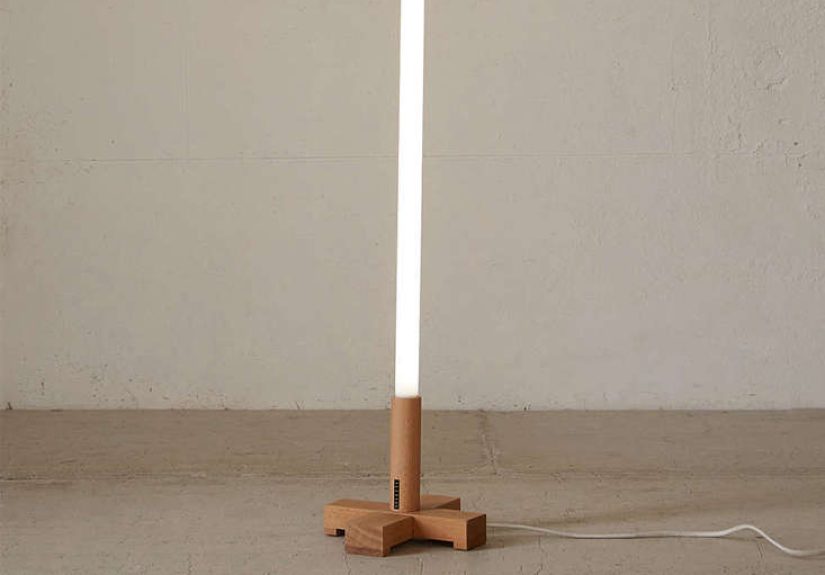
A neon tube light stand is any freestanding support designed to hold a neon-style tube or tube-shaped light so it can be displayed without wall mounting.
Think: weighted bases, tabletop easels, floor stands with clips, tripod-style light stands, or acrylic bases that keep the glow upright.
It matters because neon-like lighting is visually loud (in a good way). If the stand is visually loud in a bad waywobbly, crooked, overly bulky, or cable-chaotic
your “statement piece” becomes “mystery hazard.” The stand is the unsung hero that keeps the glow where you want it, at the height you want, for as long as you want.
Meet the Neon Family: Glass Neon, LED Neon, and RGB Tube Lights
Traditional glass neon (the classic)
Glass neon signs/tubes use gas-discharge lighting and typically rely on high voltage supplied by a transformer. They’re iconic, but they demand respect:
stable mounting, careful handling, and professional-grade components.
LED “neon” (the modern favorite)
LED neon signs and neon rope/strip styles mimic the look with low-voltage electronics and diffusers. They’re usually lighter, less fragile, and friendlier for
homes, pop-ups, and everyday décor. They’re also the most common “neon stand” use-case right now.
RGB tube lights for photo/video
Tube lights used by creators (interviews, product shots, TikToks, streams) often mount like camera accessories: clips, 1/4″-20 threads, 5/8″ receivers,
and adjustable stands. If your goal is content, a stand isn’t just “support”it’s control over mood, reflections, and color.
Stand Styles, Explained Like You’re Actually Going to Use Them
1) Acrylic base stands (tabletop and floor)
These are common for LED neon signs mounted on acrylic backboards. The base is usually wide, clear (so it visually disappears), and designed to hold a sign upright.
Best for: desks, reception counters, shelves, and “lean back and admire my taste” corners.
- Pros: Clean look, quick setup, minimal tools.
- Watch-outs: Stability depends on base width and where the center of gravity lands.
2) Weighted floor stands with clips (tube-friendly)
If you’re using a tube-shaped light (especially a longer one), clip-based floor stands are the cheat code: they hold the tube securely, often vertically,
and leave space for a power cable to route cleanly.
- Pros: Great stability, purpose-built for tubes, quick repositioning.
- Watch-outs: Make sure the clips match your tube diameter and length.
3) Tripod light stands (photo/video style)
The classic light stand is adjustable, portable, and surprisingly affordable. If your tube light has a mounting clip or threaded points, a light stand can
give you height and angle control that décor stands can’t.
- Pros: Adjustable height, easy to move, tons of compatible accessories.
- Watch-outs: Lightweight stands can tipespecially in high-traffic rooms or with pets.
4) Clamp and gooseneck setups (for tight spaces)
If you’re working with a desk edge, shelf, or photo booth frame, clamps and goosenecks let you attach a tube light without eating up floor space.
This is the “small apartment, big glow” solution.
How to Choose the Right Stand: A Practical Checklist
Size and center of gravity
Bigger glow usually means bigger leverage. A tall or wide tube needs a wider base or a stand designed to handle the load. As a rule: the higher the light,
the more you should care about base width and overall weight. If the stand feels “light” in your hand, it may feel “excited to fall over” in your room.
Mounting method compatibility
For tube lights in photo/video land, compatibility is everything. Many accessories rely on standard sizes like 1/4″-20 threads and 5/8″ receivers.
For LED neon signs on acrylic backboards, you’re usually dealing with pre-drilled holes, brackets, or a slot-in base.
Power and cable routing
A neon setup can look premium until a cable snakes across the floor like it’s auditioning for a villain role. Look for stands that:
- Leave clearance for the cable to drop straight down without bending sharply
- Allow discreet cable ties or clips along the back
- Keep the power brick (if any) off the floor where it can get kicked
Indoor vs. outdoor use
If the stand is going outdoors (events, patios, pop-ups), treat wind like an unpaid intern who makes mistakes.
Choose heavier bases, consider sandbags for tripods, and only use lighting products rated for outdoor conditions.
Safety: The Glow Should Be Bright, Not “Emergency Bright”
You don’t need to be an electrician to make smart safety choicesyou just need to be slightly more cautious than a moth.
Look for recognized safety certification marks
For plug-in lighting products, look for marks like UL or ETL Listed on the product or power supply.
These marks indicate testing to relevant North American safety standards. This matters even more if the light will run for hours in a bedroom, shop, or event space.
Understand voltage differences (without turning this into a physics exam)
Traditional glass neon typically involves high voltage from a transformer, which is one reason it’s often treated more like “installed signage” than casual décor.
LED neon products commonly operate at low voltage (often via an adapter), which reduces certain risksbut doesn’t eliminate the need for quality components.
Placement: heat, ventilation, and “don’t trap the brick”
Even efficient LEDs can warm up, and power supplies can warm up too. Avoid stuffing adapters under pillows, behind heavy curtains,
or inside cramped boxes with no airflow. If something feels hot enough to make you pull your hand away, that’s your cue to unplug and reassess.
Stability in real life: kids, pets, and party guests
If the light is in a high-traffic area, prioritize a weighted base and consider routing cables along walls or under covers designed for cords.
A stand that survives a gentle tap is nice. A stand that survives a chaotic photo booth line is the dream.
Design and Styling Tips That Actually Make the Stand Look Intentional
Use the stand to “frame” the glow
Neon looks best when it’s given a little breathing room. If your stand places the tube too close to a wall, the glow can flatten and hotspots become obvious.
Pulling it a few inches forward often creates a softer halo and a more dimensional look.
Match stand finish to your space
- Clear acrylic: Minimalist, modern, “floating glow” effect.
- Black metal: Industrial, studio, or gaming-room vibes.
- White base: Blends into bright walls and clean interiors.
For creators: control reflections and flicker perception
In video, bright colored lights can reflect off glossy walls, framed art, or glasses. Angle the tube slightly off-axis so it’s not blasting directly into
reflective surfaces. If your camera footage shows weird banding, try lowering brightness, changing shutter settings, or repositioning the lightstand flexibility
is what makes those quick fixes possible.
Common Mistakes (So You Don’t Learn Them the Hard Way)
- Buying the light first, then realizing it can’t mount easily: Check how it stands before it arrives.
- Using a too-light tripod stand in a busy room: Stability beats elegance when guests exist.
- Ignoring cable management: The fastest way to ruin a vibe is a visible power brick doing interpretive dance on the floor.
- Assuming “LED” automatically means “safe no matter what”: Quality power supplies and certification marks still matter.
Maintenance and Longevity
A neon tube light stand setup is mostly low-maintenance, which is great because you have better things to do (like enjoying the glow).
Keep it looking sharp with a few habits:
- Dust gently: Microfiber cloths work well on acrylic and diffusers.
- Don’t yank cords: Unplug by the plug, not by the cable.
- Check fasteners occasionally: If your stand uses knobs, screws, or clips, give them a quick snug check every couple of weeks.
Experiences That Make You Appreciate a Good Neon Tube Light Stand (About )
People usually don’t buy a neon tube light stand because they’re passionate about “bases.” They buy it because they’re passionate about the glowand then
the stand becomes the thing they talk about afterward. The most common experience is the surprise “Oh, this changes everything” moment the first time the light
sits at the right height. On a shelf, a neon tube can look like a cool object. On a properly sized stand, it becomes lightingmeaning it influences the entire
mood of the room. Corners feel warmer, blank walls feel styled, and suddenly your camera background looks like you planned it (even if you didn’t).
Another frequent experience: people underestimate how much tiny adjustments matter. A neon tube that’s tilted two degrees can go from “gallery”
to “gas station open sign energy” in a heartbeat. Stands that allow micro-adjustmentsslight height changes, subtle rotation, a gentle leanhelp you find that
sweet spot where the glow looks intentional instead of accidental. This is especially true for creators: the difference between a flattering pop of color and a
distracting glare often comes down to a few inches and a better angle.
Then there’s the cable reality. Many first-time neon setups look amazing… until the daylight hits and the cord becomes the main character. People who swap to a stand
with better cable routing or who add simple cable clips often describe it as an instant “upgrade,” like cleaning your room but for your lighting. The glow feels higher-end
when the support system is invisible.
Event use brings its own lessons. At parties, pop-ups, and receptions, the stand isn’t décorit’s crowd control. A stable, weighted base keeps the tube upright when
someone brushes past for a photo. People often learn to avoid placing freestanding neon too close to high-traffic pinch points (like buffet lines) and instead use it as
a focal point behind a table, near a backdrop, or anchored visually where guests naturally pause.
Finally, there’s the “I didn’t think about safety marks” experience. It’s common for shoppers to focus on color and price first, then later realize they want more confidence
in the power supplyespecially if the light runs nightly. Once people start looking for recognized certification marks and better-quality adapters, they often say the setup
feels less like a novelty item and more like a dependable part of the room. The best neon tube light stand experience is the boring one: it stays put, turns on every time,
and quietly makes everything look cooler.
Conclusion
A neon tube light stand is the difference between “cute light” and “repeatable, reliable glow.” Choose the stand based on stability first, compatibility second,
and style thirdbecause a beautiful light on a wobbly base is just suspense with a power cord. Look for smart mounting, clean cable routing, and recognized safety
certification marks on electrical components. Do that, and your neon setup stops being a project and starts being a vibe you can keep.