Table of Contents >> Show >> Hide
- Hydration First: How Much Water Do You Actually Need on a Run?
- My Favorite Ways to Carry Water on a Run
- 1) The handheld bottle (aka: the classic “I’m hydrated and I mean it” look)
- 2) The soft flask (the “it shrinks as you drink” magic trick)
- 3) The hydration belt/waist pack (hands-free, with a side of “please don’t bounce”)
- 4) The hydration vest (the long-run MVP)
- 5) The hydration pack with a reservoir (bladder + tube = sip on autopilot)
- 6) The “refill route” strategy (carry less, plan more)
- How I Choose the Right Setup (So I’m Not Overpacking for a Jog)
- What I Put in the Bottle (Simple, Practical, and Not Overthought)
- Troubleshooting: Common Hydration Annoyances (and Fixes)
- Experience Notes: of Real-Life, Runner-Style Scenarios
- Conclusion: Carry Water Like It’s Part of Your Running, Not a Punishment
Running is wonderfully simple: put on shoes, leave the house, return a little sweatier and a little more confident.
Then hydration shows up like a needy houseplant. “How much do you need?” “Where will you carry it?” “Why is it
sloshing like a washing machine on spin?”
The truth is, carrying water on a run is less about being “hardcore” and more about staying comfortable, keeping your
pace steady, and avoiding the classic late-run negotiation with your own throat: “One more mile and I’ll give you a sip.”
Below are my favorite ways to carry water while runningplus how I decide which one to use so I’m not hauling a
mini-fridge on a 30-minute jog.
Hydration First: How Much Water Do You Actually Need on a Run?
The most helpful hydration advice is also the least dramatic: your needs depend on run length, heat/humidity, your sweat
rate, and how accessible water is on your route. If your run is short and the weather is friendly, you may not need to
carry anything at all. If it’s long, hot, humid, or you tend to sweat like a sprinkler on a timer, you’ll want a plan.
A simple decision guide (no lab coat required)
- Under ~30–45 minutes: Usually fine without carrying water, especially in cool weatherunless you’re very thirsty, it’s very hot, or you’re running hard.
- About 45–75 minutes: Consider bringing some water, particularly in warm conditions or if you’re doing speed work.
- 75+ minutes: It’s smart to carry fluids. Many runners also benefit from electrolytes (especially sodium) for longer or hotter sessions.
Another practical strategy: use your body weight as feedback. If you finish a run noticeably lighter (from sweat loss),
you know hydration matters for youespecially when that becomes a pattern. The goal isn’t perfection; it’s staying
steady enough that the last third of your run doesn’t feel like you’re jogging through a desert documentary.
Water vs. electrolytes: what belongs in the bottle?
For most easy runs, water does the job. For longer efforts (often around an hour or more), hot/humid weather, or
heavy sweaters, adding electrolytesparticularly sodiumcan help with fluid balance and comfort. You don’t need a
sugar bomb for every run, but you also don’t need to fear electrolytes like they’re a “cheat code.” They’re simply
part of what you lose when you sweat.
One important caution: don’t overdo plain water
Hydration is a Goldilocks situation. Too little can contribute to fatigue, headaches, or feeling “off.” Too much plain
waterespecially over longer eventscan dilute sodium levels in the blood (a serious issue). In other words: hydrate
with a plan, pay attention to thirst and conditions, and don’t treat “more water” as a moral virtue.
My Favorite Ways to Carry Water on a Run
There’s no single “best” methodthere’s the best method for this run, on this day, with this outfit that
may or may not have pockets. Here are the options I reach for most often, plus what they’re best at.
1) The handheld bottle (aka: the classic “I’m hydrated and I mean it” look)
A handheld running bottle is exactly what it sounds like: you carry it in your hand, usually with a strap so you don’t have
to death-grip it. This is my go-to for runs that are long enough to want water but not long enough to justify a full vest.
- Best for: 45–90 minute runs, tempo days, routes with limited water access.
- Why I like it: Easy access, simple, minimal gear, and you can sip whenever you want without stopping.
- Watch-outs: Some runners dislike carrying anything in one hand; switching hands mid-run helps balance.
Pro tip: pick a bottle shape that sits comfortably and doesn’t force your wrist into a weird angle. A good strap system
should feel secure without cutting off circulation (your fingers should remain finger-shaped).
2) The soft flask (the “it shrinks as you drink” magic trick)
Soft flasks are flexible bottles that collapse as you drink, which means less sloshing and less bulk over time. They’re
commonly used in vests, but they also work in many waist belts or even large pockets (if you’re blessed with shorts that
believe in functional storage).
- Best for: Runners who hate slosh, runners who want light weight, runners with good pockets.
- Why I like it: Comfortable, low bounce, and once it’s empty it’s basically a sad little pancake you can stash.
- Watch-outs: Some caps require a learning curve; practice sipping while moving before race day.
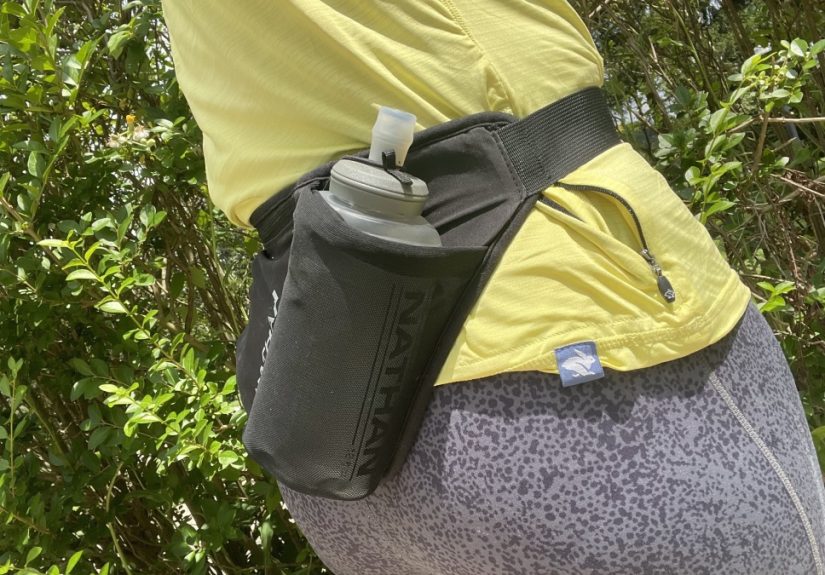
3) The hydration belt/waist pack (hands-free, with a side of “please don’t bounce”)
Hydration belts typically carry one or two small bottles and sometimes have a pocket for keys, gels, or a phone. When
fitted well, they’re a great middle-ground between handheld and vest.
- Best for: 60–120 minute runs, runners who prefer hands-free, routes where you want both water and storage.
- Why I like it: Easy to bring a moderate amount of fluid without wearing a vest.
- Watch-outs: Bounce and chafing if the fit is off. Tighten it so it sits snug on the hips, not loosely on the waist.
If a belt rides up, it’ll usually irritate your stomach or lower ribs. If it rides down, it’ll bounce like it’s trying to
escape. The sweet spot is firm and lowthink “secure,” not “corset.”
4) The hydration vest (the long-run MVP)
For long runs, trail runs, and marathon training, a hydration vest is hard to beat. Vests distribute weight across your torso
and can carry more water (often in front flasks, a bladder in the back, or both), plus snacks, phone, layers, and safety gear.
- Best for: 90+ minutes, hot weather, trail running, long routes without refill points.
- Why I like it: Stable carry, lots of storage, and you can bring enough fluid to stop thinking about fluid.
- Watch-outs: Fit matters. A poorly fitted vest can rub shoulders/neck or feel restrictive.
If you’re choosing a vest, focus on how it fits when loaded. A good vest should feel like an extension of your shirtnot
a backpack with ambitions.
5) The hydration pack with a reservoir (bladder + tube = sip on autopilot)
A reservoir-style pack (often paired with a drinking tube) lets you sip frequently with minimal effort. This is particularly
useful when you need more volume or you’re on trails where stopping to grab a bottle is inconvenient.
- Best for: Long hot runs, trail running, ultra training, anyone who likes steady sipping.
- Why I like it: High capacity, easy sipping, and great for consistent hydration.
- Watch-outs: Cleaning and drying the reservoir takes effort. Also, some runners prefer bottles because it’s easier to track intake.
6) The “refill route” strategy (carry less, plan more)
Sometimes the best way to carry water is… not to carry much at all. If your route has reliable fountains, refill stations,
or a safe loop past your house/car, you can run lighter and still stay hydrated.
- Best for: City routes with fountains, loops near home, long runs with planned refills.
- Why I like it: Less gear, less bounce, less fuss.
- Watch-outs: Don’t assume a fountain will work. If it’s critical, have a backup plan.
How I Choose the Right Setup (So I’m Not Overpacking for a Jog)
Start with three questions
- How long am I running? Longer runs need more water (and maybe electrolytes).
- What’s the weather doing? Heat and humidity can increase fluid needs fast.
- Do I have refill options? If yes, I can carry less. If no, I carry enough to stay comfortable.
Fit and comfort are performance
The best hydration system is the one you’ll actually use. If a belt bounces, you’ll resent it. If a vest rubs, you’ll adjust
it every 90 seconds and forget to enjoy the run. If a handheld bottle makes your arm tired, you’ll start bargaining with
yourself about “hydration discipline” (which is not as heroic as it sounds).
Chafing prevention: boring, essential, and oddly empowering
Anywhere gear touches skin can chafe: shoulders, underarms, sternum, lower back. Tighten straps so things don’t move
excessively. Consider anti-chafe balm on known hot spots. And if you’re testing new gear, don’t pick a long run as your
first date. Start with something shorter and see how it behaves.
Cleaning: the least glamorous part of being hydrated
Bottles and reservoirs need regular cleaningespecially anything you put electrolytes in. Rinse after every run, wash
frequently, and fully dry components to prevent funky odors. Your future self will thank you when your water tastes like
water and not like “yesterday’s mystery lemonade.”
What I Put in the Bottle (Simple, Practical, and Not Overthought)
For easy runs
Water is usually enough. If it’s cold outside, I’ll often drink a little before I go and carry nothing unless the run is long.
If it’s warm, I’ll bring a modest amount even for medium runs, because heat can sneak up on you.
For long runs, hot runs, or heavy-sweat days
I lean toward adding electrolytesespecially sodiumwhen the effort is long or the conditions are sweaty. It can help
maintain comfort and reduce the “I’m thirsty but water feels weirdly insufficient” feeling some runners get after lots of
sweating. If you’re prone to stomach issues, start with a lighter mix and practice in training (your race day is not the
time for beverage experiments).
Troubleshooting: Common Hydration Annoyances (and Fixes)
“My belt bounces like a cartoon.”
Tighten it and lower it onto the hips. Reduce bottle volume (sometimes two smaller bottles bounce less than one heavy
bottle). If it still bounces, a vest may be more stable for your body shape and stride.
“My bottle sloshes and it’s driving me nuts.”
Soft flasks help because they collapse as you drink. With hard bottles, fill them more fully (less air space = less slosh)
or choose designs with internal baffles.
“My vest rubs my neck/arms.”
Adjust the sternum straps so the front pockets sit stable without pulling upward. Wear a higher-collar shirt, use a little
anti-chafe balm, or try a different size/fit style. Small fit differences matter a lot at mile nine.
“My stomach hates what I’m drinking.”
Try a lower concentration mix, smaller sips more frequently, or plain water plus electrolytes separately (like a tablet in
one bottle and water in another). Also consider timing: chugging at once can be harder on the stomach than steady
sipping.
Experience Notes: of Real-Life, Runner-Style Scenarios
Note: The stories below are experience-inspired “runner moments” (composite scenarios) designed to help you picture
how each carry option feels in real life.
On a mild spring morning, I planned a relaxed hour run and decided to go handheldsimple, easy, nothing fancy. By minute
twenty, I remembered why I like the strap-style grip: my hand stayed relaxed, my arm swing felt normal, and sipping was
as effortless as checking a watch. The surprise benefit was mental. Knowing water was available made me less likely to
“hold back” early, which meant the whole run felt smoother. The only downside showed up at the end when my brain
decided one hand had done “too much work” and demanded a mid-run hand swap like a tiny union negotiation.
Then there’s the summer humidity runthe kind where the air feels like warm soup and you’re sweating before the warm-up
ends. That’s when a vest earns its keep. I’ve watched runners start with big confidence and no water, only to spend the
final miles doing math: “If I slow down, I’ll sweat less… and if I sweat less, I’ll need less water… and if I need less
water, I’m fine.” A vest removes that spiral. You sip a little more often, you stay steadier, and you stop fantasizing about
sticking your whole head under a garden hose. The first time you run with a vest, you might feel like you’re wearing gear
for an expeditionbut by the second long run, it just feels like you came prepared.
I used to think hydration belts were universally annoyinguntil I found the “hips, not waist” trick. On a long steady run,
a belt that sits too high bounces and rides up, and suddenly you’re adjusting it every block like it’s a rebellious tie. But
when it sits low and snug, it’s quietly brilliant: hands free, pockets for a gel, and enough water to bridge the gap between
refill points. The best moment is the mid-run sip that happens without stopping. The worst moment is realizing you filled
the bottles unevenly and your belt has become a tiny lopsided dumbbell. (Solution: distribute weight evenly or drink one
down first.)
Soft flasks feel like the “minimalist runner” secret weapon. They’re light, they shrink, and they don’t announce themselves
with a slosh soundtrack. The first time you use one, you might awkwardly squeeze it like it owes you money. After a few
runs, it becomes second nature: quick sip, no fuss, keep moving. I’ve seen runners tuck them into vest pockets and forget
about them entirelyuntil the moment they’re grateful they brought fluids at all. Soft flasks also encourage a surprisingly
helpful habit: smaller, more frequent sips. That tends to be easier on the stomach and easier on pacing than one big
“hydration break” that turns into a walk.
And finally: the refill-route strategy, which is the hydration equivalent of packing light for a trip. If you can loop past your
house or a reliable fountain, you can carry less and still stay comfortable. The key word is “reliable.” Every runner has a
story about the fountain that was turned off, the spigot that was locked, or the “surely this park will have water” optimism
that did not age well. When you plan a refill run, it’s worth knowing your backupsbecause the only thing worse than
running thirsty is realizing you’re thirsty and you still have four miles to go.
Conclusion: Carry Water Like It’s Part of Your Running, Not a Punishment
Carrying water on a run doesn’t need to be complicated. Match your carry method to the run: handheld for simple and
accessible, belt for hands-free middle distance, vest or reservoir pack for long/hot runs, and refill routes when you can
plan them confidently. Prioritize comfort and fit, practice with your setup before big runs, and remember: hydration is
about staying steady, not proving a point.
The best sign you’ve picked the right system is this: you stop thinking about it. You just runsmooth, comfortable,
hydrated, and only slightly smug (as a treat).