Table of Contents >> Show >> Hide
- What is milia in babies?
- Symptoms of milia in babies
- What causes milia in babies?
- How common is milia in newborns?
- How milia is diagnosed
- Milia vs. baby acne: how to tell the difference
- Other conditions that can look like milia
- Treatment for milia in babies
- How long does milia last in babies?
- When to call a doctor
- Practical skin-care tips for parents
- Conclusion
- Real-life experiences parents often have with milia in babies
One day your newborn has that soft, sleepy, postcard-perfect face. The next day, you spot tiny white bumps on the nose and cheeks and immediately assume your baby has either teenage acne decades early or a secret skin-care routine gone wrong. Take a breath. In many cases, those little pearly dots are milia, one of the most common and harmless newborn skin findings.
Milia in babies can look dramatic simply because newborn skin is brand-new, delicate, and under constant parental surveillance from about three inches away. The good news is that milia usually needs no treatment, causes no pain, and disappears on its own. The better news is that parents can usually handle it with a simple plan: look, don’t poke, and resist the urge to turn into a part-time dermatologist armed with five creams and a cotton swab.
This guide explains milia in babies, including symptoms, diagnosis, treatment, what causes it, how it differs from baby acne and other newborn rashes, and when it makes sense to call your pediatrician.
What is milia in babies?
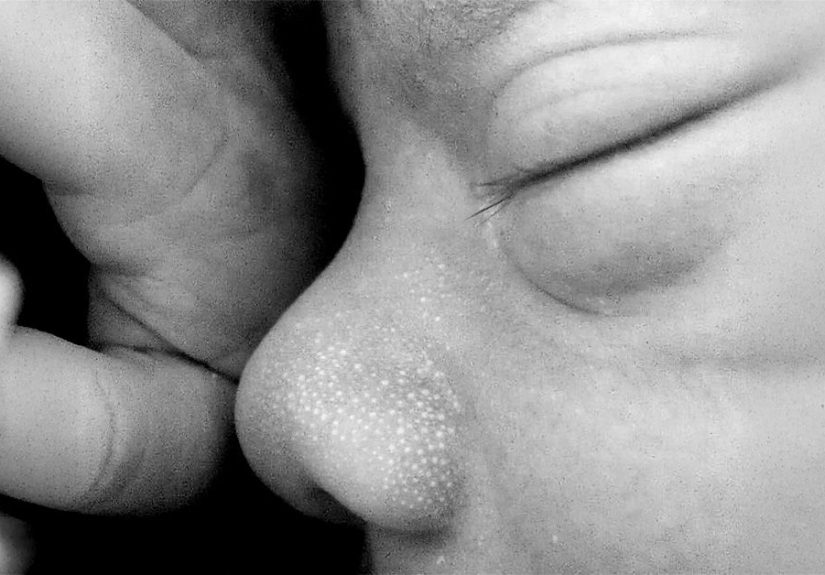
Milia are tiny white or yellowish-white bumps that often appear on a baby’s nose, cheeks, chin, or forehead. They are small, firm, and usually look like pinhead-sized pearls sitting just under the skin. In newborns, milia is extremely common and is considered a normal skin finding rather than a dangerous skin disease.
These bumps form when keratin and dead skin cells become trapped near the surface of the skin. Some medical sources also describe newborn milia as related to immature or blocked skin pores and oil gland secretions. Either way, the big takeaway is the same: milia is benign, not contagious, and not a sign that your baby’s skin is dirty, irritated, or infected.
Many babies have milia right at birth, while others show it shortly afterward. It often appears in clusters and tends to show up symmetrically on both sides of the face. Because newborn skin comes with all sorts of dramatic little surprises, milia can be mistaken for acne, heat rash, or a reaction to something in the environment. But classic milia has a pretty recognizable look once you know what you’re seeing.
Symptoms of milia in babies
The main symptom of milia is simple: tiny white bumps on the face. Most babies with milia are otherwise completely comfortable. The bumps do not usually itch, ooze, spread like an infection, or seem painful when touched.
Common signs parents notice
- Small white or cream-colored bumps
- Most often on the nose, cheeks, chin, and forehead
- Sometimes a slight yellow tint
- Firm, smooth bumps rather than red, inflamed pimples
- No fever, no fussiness, and no obvious discomfort from the bumps
In some cases, milia may also appear in or around the mouth. Similar harmless cysts inside the mouth are often called Epstein pearls. Those are not exactly the same as facial milia, but they belong to the same “tiny white bumps that scare parents and then quietly disappear” family.
A practical example: if your 6-day-old baby has dozens of very small white dots across the nose and both cheeks, is feeding well, has no fever, and the skin around the bumps is not red or swollen, that pattern is highly consistent with classic newborn milia.
What causes milia in babies?
The exact formation of milia comes down to trapped keratin or dead skin cells near the skin surface. In newborns, skin is still adapting to life outside the womb, and pores or glands may not behave with perfect grown-up efficiency yet. That can allow tiny cysts to form temporarily.
Parents sometimes worry they caused milia by using the wrong detergent, not washing the baby enough, or kissing the baby’s face too much. Fortunately, none of those usual suspects is the real problem. Milia is not caused by poor hygiene. It is also not contagious, so one baby does not “catch” milia from another person.
Newborn skin is basically doing orientation week. Some things run smoothly, some things look odd, and nearly all of it settles down with time.
How common is milia in newborns?
Very common. Pediatric sources commonly report that around 40% of newborns have milia. In other words, if you lined up ten babies in a nursery, several of them would likely be sporting the same little white bumps. That number matters because it reassures parents that milia is not rare, alarming, or unusual. It is a routine part of newborn skin for many families.
How milia is diagnosed
In most cases, the diagnosis of milia in babies is made by a visual exam. A pediatrician, family doctor, or dermatologist can usually identify it just by looking at the skin. No blood test, swab, or complicated workup is usually needed for classic newborn milia.
What a doctor looks for
- The age of the baby
- The location of the bumps
- The color and size of the lesions
- Whether the bumps are inflamed, crusted, blistered, or filled with pus
- Whether the baby has other symptoms, such as fever, poor feeding, or unusual fussiness
If the bumps do not look typical, last much longer than expected, or come with redness, drainage, blisters, or signs of illness, the doctor may consider other diagnoses. In rare situations outside the usual newborn presentation, additional evaluation can be needed. But for straightforward milia, diagnosis is usually quick, simple, and wonderfully low-drama.
Milia vs. baby acne: how to tell the difference
This is where many parents get tripped up, because the two can overlap in everyday conversation. Milia is usually present at birth or very soon after and looks like tiny white bumps without much redness. Baby acne, on the other hand, often shows up a bit later, commonly within the first few weeks after birth, and may look redder or more inflamed.
Quick comparison
- Milia: tiny white bumps, usually on the face, often present at birth
- Baby acne: red or white inflamed bumps, may show up at 2 to 4 weeks, sometimes on cheeks, forehead, neck, chest, or back
Another helpful clue is behavior. Milia tends to sit there quietly looking decorative. Baby acne can look angrier, with more visible inflammation. Both conditions are often harmless and temporary, but they are not exactly the same thing.
Other conditions that can look like milia
Because newborn skin likes to keep everyone humble, a few other conditions can resemble milia at first glance.
Heat rash
Heat rash usually shows up as red bumps or tiny blisters in warm, sweaty, or folded areas of the body. It may appear on the neck, upper chest, diaper area, or skin folds. Milia usually sticks to the face and is white rather than bright red.
Erythema toxicum
This common newborn rash often appears as red blotches with a small white or yellow bump in the center. It can look dramatic, but it is usually harmless. Unlike milia, erythema toxicum has a more obvious red base and often appears on the trunk, arms, or legs as well as the face.
Epstein pearls
These are tiny white or yellowish cysts in the mouth, typically on the gums or roof of the mouth. They are harmless and go away on their own, but their location makes them different from facial milia.
Blistering or infected rashes
If bumps look fluid-filled, crusted, painful, rapidly spreading, or associated with fever or a baby acting unwell, that is a different conversation and deserves prompt medical attention.
Treatment for milia in babies
The standard treatment for newborn milia is gloriously boring: do nothing aggressive. Most cases clear on their own in a few weeks to a couple of months. That’s right. Your baby’s treatment plan may consist mostly of patience and keeping your hands busy with literally anything else.
What to do
- Wash your baby’s face gently once a day with water and a mild baby soap, if needed
- Pat the skin dry gently
- Keep the routine simple and fragrance-light
- Let time do the heavy lifting
What not to do
- Do not squeeze, scrub, or pick at the bumps
- Do not use acne medications unless a doctor tells you to
- Do not apply thick oils, ointments, or lotions directly to the bumps unless advised
- Do not treat milia like infected pimples, because they are not infected pimples
Squeezing or scrubbing can irritate the skin and may increase the risk of skin damage or infection. Thick creams and oils can sometimes make the area look worse by further blocking the skin surface. Simple care wins here.
How long does milia last in babies?
In many babies, milia fades within the first few weeks of life. In others, it may stick around for a month or two before disappearing. A slower exit is still usually normal as long as the bumps keep the same harmless look and the baby seems otherwise well.
Parents often want a countdown clock. Unfortunately, milia does not run on a published schedule. It leaves when it feels like it, but it usually leaves quietly and without requiring any special treatment.
When to call a doctor
Although milia itself is harmless, not every bump on a newborn is automatically milia. It is wise to call your pediatrician if the rash looks unusual, the baby seems sick, or your parental gut says something is off.
Seek medical advice if your baby has:
- Fever, especially in a baby younger than 3 months
- Blisters, pus, crusting, or open sores
- Spreading redness, tenderness, or swelling
- Rash with poor feeding, lethargy, or unusual fussiness
- Bumps that do not look like classic tiny white facial dots
- A rash that persists for months without improving
If the skin findings are not clearly milia, the diagnosis is uncertain, or the baby looks ill in any way, getting a clinician’s eyes on the rash is the smart move. Newborns do not read dermatology textbooks, so sometimes rashes refuse to follow the usual script.
Practical skin-care tips for parents
When your baby has milia, less is more. This is not the moment to launch a ten-step skin-care routine inspired by adult beauty trends. Newborn skin generally does best with gentle handling and fewer products.
- Use soft washcloths and lukewarm water
- Avoid heavily fragranced products
- Skip exfoliating tools, brushes, or rough wipes
- Do not compare your baby’s skin to social media babies filtered into porcelain perfection
- Take a photo if you want to monitor changes over time
A simple photo taken in good light can help you notice whether bumps are fading, changing color, or becoming inflamed. It can also help at a pediatric visit if the rash behaves suspiciously normal the moment the doctor walks in.
Conclusion
Milia in babies is one of those newborn mysteries that looks bigger than it is. The bumps may appear suddenly, look strange, and inspire several frantic searches, but classic milia is usually harmless, common, and temporary. Symptoms are typically limited to tiny white facial bumps. Diagnosis is usually made by sight alone. Treatment is mostly gentle cleansing, a hands-off approach, and patience.
The most important skill is knowing when a harmless rash stops looking harmless. If bumps become red, blistered, painful, draining, or are paired with fever or a baby who seems unwell, check in with your pediatrician. Otherwise, milia usually fades on its own, leaving parents with one more newborn lesson: babies can look medically dramatic while being completely fine.
Real-life experiences parents often have with milia in babies
Parents rarely greet milia with a calm scientific monologue. The more common reaction is something closer to, “What are those tiny bumps, and why were they not mentioned in the baby manual?” One of the most common experiences is spotting the bumps during a quiet feeding, diaper change, or late-night stare session and immediately assuming something has gone wrong. Because the bumps are on the face, they feel more visible and more important than they really are.
Many caregivers say the first emotion is worry, not because milia looks severe, but because newborn skin changes so quickly. A baby’s face may look smooth one day and suddenly have white specks on the nose and cheeks the next. Parents often wonder whether the bumps came from milk residue, detergent, dry weather, fabric rubbing, or using the wrong baby wash. The reassuring pattern is that after a pediatrician confirms milia, parents often realize they did not cause it and could not have prevented it.
Another common experience is confusion between milia and baby acne. Parents may notice the white bumps and start searching for acne solutions, only to learn that newborn skin has its own categories, its own timeline, and absolutely no respect for adult skincare logic. Some families try to “help” by wiping more often, using lotion, or switching cleansers, then discover that simpler care usually works better. That learning curve is incredibly common. Newborn skin tends to reward gentleness and punish enthusiasm.
There is also the experience of advice overload. One person says to moisturize. Another says to keep the skin dry. A third person recommends a home remedy that sounds suspiciously like something invented in 1974 and never properly retired. Parents often feel caught between doing too much and doing too little. In real life, many say the biggest relief comes from hearing a clinician say, “This is normal. Leave it alone.” That short sentence can save families from a surprising amount of stress.
Some parents notice that milia becomes more obvious in certain lighting, after a bath, or when the baby’s skin is warm. That can make the condition feel like it is suddenly worsening, even when it is not. Others say the bumps seemed to fade so gradually that they only realized they were gone when comparing photos from a few weeks earlier. Milia does not always disappear in one dramatic movie scene. Often, it simply gets less noticeable until it quietly vanishes.
Families with their first baby may worry more because every bump feels new. Parents with later children sometimes recognize milia faster and respond with more confidence, mostly because they’ve already been taught by experience that newborn skin can be wonderfully weird. Even then, plenty of seasoned parents still pause when a new baby’s rash doesn’t match the previous baby’s version. Babies love variety.
What stands out most in real-world experience is how helpful reassurance can be. Once parents understand that milia is common, harmless, and temporary, they tend to stop chasing products and start observing more calmly. That shift matters. It protects the baby’s skin from unnecessary treatment and helps caregivers feel more confident in reading what is normal versus what deserves medical attention.
So if your own experience includes staring at your baby’s nose under a lamp like a detective solving a skincare mystery, you are in very good company. Milia has startled countless parents before you. In most cases, the story ends the same way: the bumps fade, the baby remains perfectly fine, and the adults gain one more chapter in the ongoing education known as caring for a newborn.
Note: This article is for educational purposes only and should not replace diagnosis or treatment from your child’s pediatrician.