Table of Contents >> Show >> Hide
- What Is Middle Eastern Dill Rice?
- Ingredients for Middle Eastern Dill Rice
- Step-by-Step: How to Make Middle Eastern Dill Rice
- What to Serve with Middle Eastern Dill Rice
- Variations and Regional Twists
- Pro Tips for Perfect Dill Rice Every Time
- Real-Life Experiences with Middle Eastern Dill Rice
- Conclusion
If plain white rice feels a little… well, plain, Middle Eastern dill rice is about to change your side-dish game.
Fragrant dill, fluffy long-grain rice, a kiss of lemon, and (if you like) tender beans or peas turn a basic pantry
staple into something worthy of center stage. This dish shows up in Persian, Iraqi, Afghan, and other Middle Eastern
kitchens in many forms, but the core idea is the same: aromatic rice layered with fresh herbs and cooked until each
grain is separate, soft, and loaded with flavor.
The good news? You don’t need a special holiday or a Persian grandmother to pull it off. With a few technique tricks
and some fresh dill, you can make this at home on a weeknight. Let’s walk through what Middle Eastern dill rice is,
how to cook it perfectly, and how to twist it to match whatever you’re serving.
What Is Middle Eastern Dill Rice?
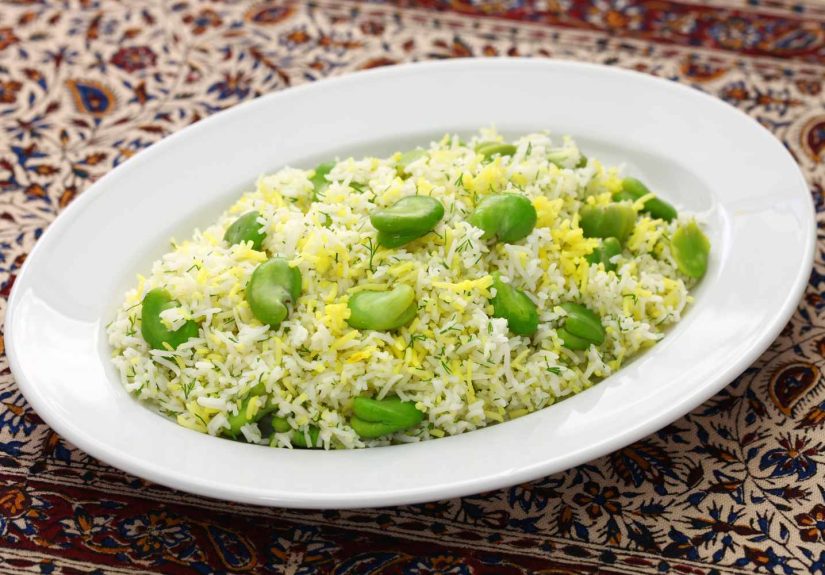
Middle Eastern dill rice is a family of dishes rather than one single recipe. In Iran, you’ll see versions like
baghali polo (dill rice with fava or lima beans) and shivid polow (simple dill rice)
served with lamb shanks, fish, or kebabs. In Iraq, a similar dill-and-bean pilaf is known as
timman bagilla, often piled up on big platters for family gatherings. Afghan cooks make dill rice
called chelo shibit, while other regional variations keep things minimal with just dill and lemon.
No matter the name, certain features are classic:
- Long-grain rice (often basmati) for separate, fluffy grains.
- Plenty of dill, fresh or dried, which gives the dish its signature aroma.
- Aromatic fat such as olive oil, butter, or ghee.
- Optional add-ins like fava beans, lima beans, or peas.
- Often a parboil-then-steam method that creates ultra-fluffy rice, sometimes with a crispy
crust at the bottom called tahdig.
For home cooks, the easiest way to think of Middle Eastern dill rice is: a dressed-up herbed rice pilaf that pairs
with almost anything grilled, roasted, or stewed.
Ingredients for Middle Eastern Dill Rice
This recipe leans into Persian-style technique but keeps the ingredient list simple and accessible. You can make it
vegetarian or vegan and customize the herbs or beans based on what you have.
Core Ingredients
- 2 cups long-grain basmati rice, rinsed until the water runs mostly clear
- 6 cups water (for parboiling the rice)
- 1 ½ tablespoons kosher salt, divided (about 1 tablespoon for boiling water, ½ tablespoon for seasoning)
- 3 tablespoons olive oil, butter, or ghee (or a mix)
- 1 ½–2 cups fresh dill, finely chopped (loosely packed)
or about ½ cup dried dill if fresh is unavailable - 1 cup lima beans, fava beans, or peas, cooked or thawed if frozen (optional but very traditional)
- 2 tablespoons fresh lemon juice
- 1 teaspoon lemon zest (optional, for extra brightness)
- ½ teaspoon ground black pepper
Optional Flavor Boosters
- ¼ teaspoon saffron threads, bloomed in 2–3 tablespoons hot water, for a golden hue and floral aroma
- 1 small onion, finely chopped and sautéed in the oil for extra depth
- 2 cloves garlic, minced (add if you like garlicky rice; some traditional recipes skip it)
- 1–2 tablespoons butter for dotting over the rice before steaming
Feel free to adjust the amount of dill depending on how bold you want the flavor. Middle Eastern recipes are not shy
with herbs, so don’t be afraid of that big green pileit mellows as it cooks.
Step-by-Step: How to Make Middle Eastern Dill Rice
Step 1: Rinse and Soak the Rice
-
Place the basmati rice in a large bowl and cover with cold water. Swirl with your hand, then drain off the cloudy
water. Repeat 3–4 times, until the water is much clearer. -
Cover the rinsed rice with fresh cold water and let it soak for at least 20–30 minutes. This step helps the grains
elongate and cook more evenly.
Rinsing and soaking may sound fussy, but they’re a key reason Middle Eastern and Persian rice turns out so long,
fluffy, and not sticky.
Step 2: Parboil the Rice
- In a large pot, bring about 6 cups of water and 1 tablespoon of salt to a rolling boil.
- Drain the soaked rice and carefully add it to the boiling water. Stir once to prevent sticking.
-
Boil the rice uncovered for about 6–8 minutes, until the grains are soft on the outside but still slightly firm in
the center. You should be able to bite a grain and feel a tiny “al dente” core. -
Drain the rice in a fine-mesh sieve or colander. Rinse briefly with warm water to remove excess starch and stop the
cooking.
At this point the rice is not fully cooked; that’s intentional. The rest of the magic happens during steaming.
Step 3: Prepare the Dill and Beans
- While the rice is parboiling, finely chop your fresh dill, removing thick stems. If using dried dill, measure it out.
-
If you’re adding beans or peas, make sure they’re cooked or thawed and drained. Pat them dry to avoid extra water in
the pot.
Step 4: Build the Pot (Layering Time)
-
In the same large pot (rinsed and dried), heat the olive oil, butter, or ghee over medium heat. If using onion and
garlic, sauté them until soft and lightly golden. -
Optional tahdig upgrade: For a crispy bottom, sprinkle a thin, even layer of parboiled rice into the hot fat and
press it down gently to form a base. You can also mix a spoonful of yogurt with a bit of rice and spread this on the
bottom for an even richer crust. - Add a layer of rice on top of the base, followed by a generous handful of dill and a scattering of beans or peas.
-
Continue alternating layers of rice, dill, and beans/peas until you’ve used everything, finishing with a top layer
of rice plus a final sprinkling of dill. - Use the handle of a spoon to poke 4–5 holes straight down into the rice stack; this helps steam move through the pot.
- If using saffron, drizzle the bloomed saffron water over the top for lovely streaks of yellow and added fragrance.
Step 5: Steam the Rice Until Fluffy
-
Cover the pot with a clean kitchen towel and then the lid (or wrap the lid in the towel). This traps steam and
prevents water from dripping back on the rice. - Cook over medium heat for about 5 minutes to get things going, then reduce to low and steam for 25–30 minutes.
- Resist the urge to open the lid. When time is up, turn off the heat and let the pot rest for another 5–10 minutes.
Step 6: Finish with Lemon and Fluff
- Gently drizzle the lemon juice and sprinkle the lemon zest and black pepper over the top of the rice.
- Use a wide spatula or fork to fluff the rice from the sides, lifting rather than stirring so the grains don’t break.
-
If you made tahdig, loosen the crispy bottom with a spatula and either invert the whole pot onto a platter or scrape
out the crust in pieces and serve it on top or on a separate plate (the “VIP section” of the meal).
That’s it! You now have a fragrant mound of Middle Eastern dill rice that smells like you secretly hired a chef.
What to Serve with Middle Eastern Dill Rice
This dill rice recipe is incredibly flexible. Think of it as a flavor-packed canvas for your main dishes. Some classic
and modern serving ideas include:
- Grilled or roasted chicken seasoned with lemon, garlic, and oregano.
- Lamb shanks or lamb chops braised or grilled, especially with Middle Eastern spices.
- Baked or grilled fish, such as salmon or white fish, with lemon and herbs.
- Koobideh or kafta kebabs (ground meat skewers) with a side of yogurt-cucumber salad.
- Roasted vegetables like eggplant, carrots, and cauliflower for a vegetarian plate.
- Simple saladsfattoush, Shirazi salad, or even a basic cucumber-tomato-onion mix with olive oil and lime.
Because dill rice is already fragrant and herby, it pairs especially well with grilled or roasted dishes that are
seasoned but not heavily sauced. You want the rice to shine, not disappear under a river of gravy.
Variations and Regional Twists
Once you’ve mastered this base Middle Eastern dill rice recipe, it’s easy to riff on it with regional influences:
-
Persian Baghali Polo–Style: Use fava or lima beans, add saffron, and steam with extra butter or ghee.
Serve with lamb shanks or grilled fish for a Nowruz-worthy meal. -
Dill Rice with Peas: Swap beans for peas to mimic a popular Persian-inspired vegan version. It cooks
quickly and looks beautiful with little green pops of color. -
Lemon Dill Pilaf: Use more lemon juice and zest, skip the beans, and cook the rice pilaf-style
(sautéing the dry rice in oil, then simmering in water) if you prefer a one-step approach. -
Extra Herb Sabzi-Style: Combine dill with chopped parsley, cilantro, and scallions for a more intensely
herbed rice similar to sabzi polo. -
Brown Rice Version: Use long-grain brown rice and extend the parboil and steam times. You won’t get
quite the same delicate texture, but you’ll gain extra nuttiness and fiber.
Pro Tips for Perfect Dill Rice Every Time
-
Don’t skip rinsing and soaking. This is one of the biggest differences between sticky rice and
restaurant-style fluffy rice. -
Watch the parboil time. Over-boil at this stage and your rice will collapse later. Under-boil and the
centers stay hard. Aim for “soft outside, firm inside.” - Use enough dill. If you’re unsure, lean toward more, not less. Dill’s flavor softens as it steams.
- Keep the lid closed. Every time you peek, steam escapes and the rice cooks less evenly.
- Let it rest. Those extra 5–10 minutes off the heat help the grains firm up and separate.
-
Season at multiple stages. Salting the boiling water plus lightly salting the layers gives you
well-seasoned rice all the way through.
Real-Life Experiences with Middle Eastern Dill Rice
Middle Eastern dill rice is one of those recipes that quietly sneaks into your regular rotation. The first time most
people make it, they’re a little nervous: two-part cooking, layering, towel-wrapped lidit can sound more like a science
experiment than a side dish. But after you’ve done it once or twice, it starts to feel surprisingly easy, and the payoff
is huge.
Many home cooks discover this dish while trying out Persian or Iraqi recipes for a special occasionmaybe a Nowruz
(Persian New Year) celebration, a themed dinner party, or an attempt to recreate something they tasted at a Middle Eastern
restaurant. The moment that lid comes off and a cloud of dill-scented steam hits the air, the reaction is usually the same:
everyone leans toward the pot, and someone says, “What is that smell?!” in the best possible way.
If you’re used to cooking rice in a rice cooker or by the simple “simmer and forget” method, the parboil-and-steam
approach can feel a little extra. But this technique is exactly what gives traditional Middle Eastern dill rice its long,
elegant grains and layered flavor. Instead of relying on a heavy sauce to make the rice interesting, the seasoning is built
into every grain via the herbs, steam, and fat.
One common “aha” moment comes when people try tahdig or the crispy bottom for the first time. At a lot of Persian tables,
that crust is the first thing to disappear. Kids will hover around the kitchen waiting to see if there’s enough to go
around. If you’re serving guests who haven’t had it before, it’s fun to lift the crust out dramatically and crack it into
shards at the tableinstant conversation starter.
Another experience many cooks share is realizing how forgiving the dish can be. Maybe you forgot to buy fava beans and
only have frozen peas. Maybe your dill-to-rice ratio is not textbook perfect. The end result is still aromatic, comforting,
and special. Once you grasp the basic structurelong-grain rice, lots of dill, some kind of tender green vegetable, plus
steamyou can improvise. You can even use the method to revive leftover rice by layering it with dill, a bit of oil or butter,
and a splash of water, then steaming it back to life.
It’s also a great “bridge dish” for people who are curious about Middle Eastern flavors but not ready for something very
spicy or unfamiliar. Dill is gentle but distinctive, lemon is universally loved, and rice is about as friendly as it gets.
Serve this with something familiarlike roast chicken or baked salmonand suddenly the table feels upgraded without anyone
feeling out of their comfort zone.
Over time, many families start attaching their own rituals to dill rice. Some make it every spring when fresh herbs hit
the farmers’ market. Others reserve it for weekends or celebrations, when there’s time to fuss a little and make tahdig.
A few people go the opposite direction and meal-prep it on Sundays, portioning it into containers to pair with chicken,
tofu, or lentils for quick lunches all week. However you use it, the dish has a way of feeling both homey and a bit
luxurioussimple ingredients transformed through care and technique.
So if you’re in the mood to gently level up your cooking without tackling something overly complicated, Middle Eastern dill
rice is a smart move. Once you’ve made it a couple of times, you won’t even need to look at measurements. Your hands learn
how much dill looks “right,” your ears learn the sound of the steaming pot, and your nose tells you when it’s done. That’s
when you know the recipe has stopped being just a set of instructions and started becoming part of your own kitchen story.
Conclusion
Middle Eastern dill rice takes the most ordinary grain in your pantry and turns it into something worthy of the main event.
With fluffy basmati, fragrant dill, bright lemon, and the option of beans or peas, it manages to be both comforting and
vibrant. The classic parboil-and-steam method gives you restaurant-style texture at home, while regional twistsfrom
saffron-tinted Persian versions to simple lemon-dill pilafskeep things interesting.
Whether you serve it alongside lamb, fish, grilled chicken, or a big tray of roasted vegetables, this dill rice recipe is
the kind of dish people remember and ask for again. Try it once, tweak it to match your taste, and don’t be surprised if
it quietly becomes your go-to “fancy but not fussy” rice for years to come.