Table of Contents >> Show >> Hide
- What Are Medjool Dates?
- Medjool Dates Nutrition Facts
- Top Health Benefits of Medjool Dates
- Are Medjool Dates High in Sugar?
- Medjool Dates and Blood Sugar: What to Know
- Best Ways to Use Medjool Dates
- How Many Medjool Dates Should You Eat Per Day?
- Who Should Be Careful With Medjool Dates?
- How to Buy and Store Medjool Dates
- Simple Medjool Date Recipe Ideas
- Experience Notes: Living With Medjool Dates in the Real Kitchen
- Conclusion
Medjool dates are the soft, caramel-like fruit that somehow tastes like dessert while still coming from a palm tree instead of a candy factory. They are chewy, naturally sweet, and rich enough to make a plain bowl of oatmeal feel like it hired a pastry chef. But beyond their “nature’s caramel” reputation, Medjool dates have a real nutrition story worth knowing.
These large dates are prized for their tender texture, deep amber-brown color, and rich flavor. Unlike many dried fruits, Medjool dates are often sold as whole fresh dates with low moisture compared with juicy fruits, which makes their calories and natural sugars more concentrated. That does not make them “bad.” It simply means they are powerful little fruits, and like espresso, hot sauce, and group chats, they are best handled with awareness.
In this guide, we will break down Medjool dates nutrition, health benefits, smart portion sizes, everyday uses, and practical kitchen ideas. Whether you want a better snack, a natural sweetener, a pre-workout bite, or a way to make smoothies taste like a milkshake without pouring in syrup, Medjool dates deserve a spot on the conversation menu.
What Are Medjool Dates?
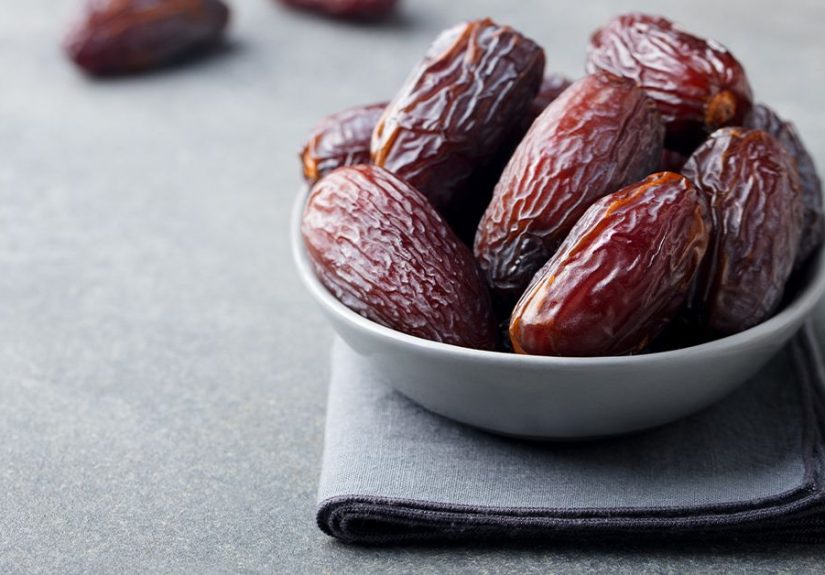
Medjool dates are the fruit of the date palm tree. They are larger, softer, and more caramel-like than many other date varieties, such as Deglet Noor. Their flavor is often described as brown sugar, caramel, honey, and toasted fruit all having a very polite meeting in your mouth.
They are commonly grown in warm, dry regions, including parts of the Middle East, North Africa, and the southwestern United States. In American grocery stores, you will usually find them in the produce section or dried fruit aisle, often sold whole with pits or already pitted for convenience.
The key thing to understand is that Medjool dates are whole fruit. They contain natural sugars, fiber, minerals, and plant compounds. However, because they are dense and sweet, a small serving delivers a lot of energy. One or two dates can feel like a treat; six dates can quietly become a small meal wearing a dessert costume.
Medjool Dates Nutrition Facts
A typical pitted Medjool date weighs about 24 grams. Nutrition can vary by size, brand, moisture level, and growing conditions, but the following values are useful estimates for one large pitted Medjool date:
- Calories: about 66
- Carbohydrates: about 18 grams
- Natural sugars: about 16 grams
- Dietary fiber: about 1.6 grams
- Protein: about 0.4 grams
- Fat: almost none
- Potassium: about 167 milligrams
- Magnesium: about 13 milligrams
- Calcium: about 15 milligrams
- Copper: a small but meaningful amount
Per 100 grams, Medjool dates provide roughly 277 calories, 75 grams of carbohydrates, 66 grams of natural sugars, 6.7 grams of fiber, 696 milligrams of potassium, 54 milligrams of magnesium, and 64 milligrams of calcium. In plain English: they are high-energy, high-carbohydrate fruits with fiber and minerals. They are not protein bars, low-carb snacks, or magic wellness coins. They are dates. Delicious, useful, and nutritionally interesting dates.
Top Health Benefits of Medjool Dates
1. They Provide Natural Energy
Medjool dates are rich in carbohydrates, mostly from naturally occurring sugars like glucose and fructose. That makes them a quick source of energy, especially before a workout, during a long hike, after school, or anytime your brain is staring at homework like it is written in ancient moon language.
Unlike candy, dates also bring fiber, potassium, magnesium, and antioxidants to the table. That does not mean you should eat them by the handful without thinking, but it does make them a more nutrient-dense sweet option than many ultra-processed snacks.
2. They Support Digestive Health
Fiber is one of the biggest reasons Medjool dates stand out. One date contains around 1.6 grams of dietary fiber, and a few dates can contribute meaningfully to your daily intake. Fiber helps support regular digestion, feeds beneficial gut bacteria, and adds bulk to meals and snacks.
If your current diet is low in fiber, add dates gradually. Going from “barely any fiber” to “date-powered fiber hero” overnight may cause bloating or discomfort. Your digestive system likes upgrades, not surprise renovations.
3. They Contain Potassium for Fluid Balance and Muscle Function
Potassium is an essential mineral involved in fluid balance, nerve signaling, and muscle contraction. Medjool dates are a naturally potassium-rich fruit, making them a convenient choice for people who want more potassium from whole foods.
This is one reason dates often show up in trail mixes, smoothies, and energy bites. Pairing them with nuts, yogurt, oats, or seeds can make a more balanced snack that combines carbohydrates with protein and healthy fats.
4. They Offer Antioxidant Plant Compounds
Dates contain plant compounds such as polyphenols and other antioxidants. These compounds help protect cells from oxidative stress, which is part of normal metabolism but can increase with poor diet quality, pollution, stress, and other lifestyle factors.
No single food can “detox” your body or turn you into a glowing wellness statue. But regularly choosing fruits, vegetables, legumes, whole grains, nuts, and seeds can support overall health. Medjool dates can fit nicely into that bigger pattern.
5. They Can Replace Refined Sugar in Some Recipes
One of the most popular uses for Medjool dates is as a natural sweetener. When blended into date paste, they can sweeten smoothies, sauces, oatmeal, energy balls, brownies, and homemade snack bars. The advantage is that dates bring fiber and minerals along with sweetness.
That said, date paste is still a concentrated source of sugar and calories. It is better described as a whole-food sweetener, not a free pass to turn every recipe into a dessert festival. Use it thoughtfully, and your taste buds will still send thank-you cards.
Are Medjool Dates High in Sugar?
Yes, Medjool dates are high in natural sugar. One large date contains about 16 grams of sugar, and 100 grams contains more than 60 grams. This number can look dramatic on paper, but context matters.
The sugar in whole dates comes packaged with fiber, water, minerals, and plant compounds. That makes it different from added sugar in soda, candy, or frosting. Still, natural sugar counts toward total carbohydrate intake, and portions matter, especially for people monitoring blood sugar.
For many healthy people, one to three Medjool dates can fit into a balanced diet. People with diabetes, prediabetes, kidney disease, or specific medical nutrition needs should follow guidance from a qualified healthcare professional or registered dietitian.
Medjool Dates and Blood Sugar: What to Know
Because dates taste intensely sweet, many people assume they cause an instant blood sugar spike. The reality is more nuanced. Dates contain fiber and may have a low to moderate glycemic response depending on the variety, portion size, ripeness, and what they are eaten with.
A smart strategy is to pair dates with protein or fat. Try one date stuffed with almond butter, peanut butter, walnuts, or cream cheese. This turns a sweet bite into a more balanced snack. It also makes the date taste like a tiny dessert with a personal trainer hiding inside.
Portion control is still important. Eating one or two dates after a meal is very different from eating a large bowl while watching a show and suddenly discovering the container has mysteriously emptied itself. The mystery, sadly, is usually us.
Best Ways to Use Medjool Dates
1. Eat Them Plain
The easiest way to enjoy Medjool dates is straight from the container. Remove the pit first unless you enjoy surprise dental drama. One or two dates can satisfy a sweet craving after lunch or dinner.
2. Stuff Them for a Balanced Snack
Slice a date lengthwise, remove the pit, and fill it with almond butter, peanut butter, tahini, Greek yogurt, or chopped nuts. Add a sprinkle of cinnamon or unsweetened cocoa powder for extra flavor. This is a snack that tastes fancy but requires about 40 seconds and almost no emotional commitment.
3. Blend Them Into Smoothies
Medjool dates are excellent in smoothies because they blend into creamy sweetness. Try one pitted date with banana, plain yogurt, milk or fortified soy milk, cocoa powder, and a spoonful of peanut butter. The result tastes like a chocolate shake that went to nutrition class.
4. Make Date Paste
Date paste is simple. Soak pitted Medjool dates in warm water for 10 to 20 minutes, then blend with a small amount of the soaking water until smooth. Store it in the refrigerator and use it to sweeten oatmeal, chia pudding, sauces, marinades, or homemade granola.
5. Add Them to Oatmeal and Breakfast Bowls
Chopped dates pair beautifully with oats, cinnamon, apples, bananas, nuts, and seeds. Because they are so sweet, you may not need brown sugar, maple syrup, or honey. A little goes a long way.
6. Use Them in Savory Dishes
Medjool dates are not only for sweet recipes. They bring balance to savory foods, especially dishes with salty, spicy, or tangy flavors. Add chopped dates to grain bowls, couscous, roasted carrots, chicken salad, lentil salad, or Moroccan-inspired stews.
7. Make Energy Bites
Blend pitted dates with oats, nuts, cocoa powder, seeds, and a pinch of salt. Roll the mixture into small balls and refrigerate. These no-bake bites are great for lunchboxes, road trips, or emergency snack situations when your stomach starts making executive decisions.
How Many Medjool Dates Should You Eat Per Day?
A practical serving size is one to three Medjool dates, depending on your calorie needs, activity level, health goals, and what else you are eating that day. One date has about 66 calories, so portions can add up quickly.
If you are using dates as a sweetener in recipes, count them as part of the total sweetness of the meal. For example, a smoothie with banana, dates, sweetened yogurt, and fruit juice may become sugar-heavy even if every ingredient sounds “natural.” Natural ingredients can still join forces like a dessert Avengers team.
Who Should Be Careful With Medjool Dates?
Medjool dates are safe and nutritious for many people, but some should be more careful with portions. People managing blood sugar should consider carbohydrate totals and pair dates with protein or fat. People with kidney disease may need to monitor potassium intake and should follow medical guidance. Anyone with digestive sensitivity should increase fiber-rich foods gradually.
Also, check labels when buying packaged dates. Plain Medjool dates typically have no added sugar, but some date products, bars, or chopped dates may include syrups, coatings, or added sweeteners. The ingredient list should be short. Ideally, it says something thrillingly boring like: “Medjool dates.”
How to Buy and Store Medjool Dates
Look for Medjool dates that are plump, glossy, and soft. A little wrinkling is normal, but they should not be rock-hard or smell fermented. If buying whole dates, remember that they may contain pits. Pitted dates are more convenient, but whole dates often stay softer longer.
Store dates in an airtight container. They can sit at room temperature for a short period, but refrigeration helps preserve freshness and texture. For longer storage, freeze them. Frozen dates thaw quickly and can be blended into smoothies or chopped into recipes.
Simple Medjool Date Recipe Ideas
Peanut Butter Stuffed Dates
Slice two pitted dates open and fill each with a teaspoon of peanut butter. Add crushed peanuts or a sprinkle of cinnamon. This snack is sweet, salty, chewy, and satisfying.
Chocolate Date Smoothie
Blend one pitted Medjool date, one banana, one cup of milk or fortified soy milk, one tablespoon of cocoa powder, and a spoonful of plain Greek yogurt. Add ice if desired. It tastes indulgent but gives you fruit, protein, and minerals.
Date-Sweetened Oatmeal
Cook oats with milk or water, then stir in one chopped date, cinnamon, and walnuts. The date softens into the oats and creates a naturally sweet breakfast without needing refined sugar.
Quick Date Paste
Soak one cup of pitted dates in warm water, drain lightly, and blend with two to four tablespoons of soaking water. Use the paste in baking, sauces, or breakfast bowls.
Experience Notes: Living With Medjool Dates in the Real Kitchen
The everyday experience of using Medjool dates is less like following a strict recipe and more like discovering a kitchen shortcut that keeps showing up at the right time. They are especially useful when you want sweetness but do not want to reach automatically for candy, syrup, or a bakery item the size of a throw pillow.
One common experience is that Medjool dates work best when they are treated as an ingredient, not just a snack. Eating one date plain is pleasant. Stuffing that same date with almond butter and adding a pinch of flaky salt turns it into something that feels like a tiny dessert from a very confident café. The fiber and fat combination also tends to feel more satisfying than eating dates alone.
In breakfast routines, dates can quietly reduce the need for added sweeteners. Chopped into oatmeal, they soften as the oats cook and create little caramel pockets. In yogurt bowls, they pair well with walnuts, pumpkin seeds, cinnamon, berries, and unsweetened coconut. The result tastes sweet without becoming one-note. Dates are naturally rich, so they play nicely with bitter, tart, salty, and nutty flavors.
Smoothies are another place where Medjool dates shine. A single date can round out cocoa powder, greens, coffee, or plain yogurt without making the drink taste sugary in a flat way. The trick is not to overdo it. Two or three dates in one smoothie may be delicious, but they can quickly turn a light drink into a high-calorie meal. That is not a problem if you need the energy, but it is worth knowing before your “small smoothie” becomes a blender full of dessert wearing running shoes.
For meal prep, date paste is surprisingly practical. Keeping a small jar in the refrigerator makes it easy to sweeten sauces, homemade granola, chia pudding, or marinades. It is also helpful in no-bake snacks because dates act like edible glue. Blend them with oats and nuts, and suddenly everything sticks together like it signed a contract.
The biggest lesson from using Medjool dates regularly is portion awareness. They are wholesome, but they are not weightless. Because they taste like caramel, it is easy to eat more than planned. A helpful habit is to take out the serving you want, close the container, and then enjoy them. This prevents the classic “I only had a few” moment, followed by looking into the box and realizing the dates have staged a disappearing act.
Medjool dates also make healthy eating feel less boring. They can make salads more interesting, snacks more satisfying, and homemade desserts more flavorful. They are not a cure-all, and they are not something everyone needs to eat daily. But for people who enjoy sweet foods and want more whole-food options, dates offer a practical bridge between nutrition and pleasure. That bridge, thankfully, tastes like caramel.
Conclusion
Medjool dates are nutrient-rich whole fruits with natural sweetness, fiber, potassium, magnesium, copper, and antioxidant plant compounds. They can support digestive health, provide quick energy, and serve as a whole-food sweetener in snacks, smoothies, oatmeal, sauces, and no-bake desserts.
The main thing to remember is balance. Medjool dates are healthy, but they are also calorie-dense and high in natural sugar. Enjoy them in reasonable portions, pair them with protein or healthy fats when possible, and use them as part of an overall diet built around fruits, vegetables, whole grains, lean proteins, legumes, nuts, and seeds.
In short, Medjool dates are not candy, but they are definitely candy-adjacent in the best possible way. Respect the portion, enjoy the flavor, and let this chewy little fruit upgrade your kitchen one caramel-like bite at a time.
Note: Nutrition values are approximate and may vary by date size, brand, moisture level, and growing conditions. This article is for general informational purposes and should not replace personalized medical or nutrition advice.