Table of Contents >> Show >> Hide
- What the Mackinder Counter Stool Looks Like in Real Life
- Why This Counter Stool Works So Well
- How to Know If the Mackinder Counter Stool Is the Right Fit
- Best Rooms and Design Styles for the Mackinder Counter Stool
- Materials, Finish, and Everyday Maintenance
- How It Compares to Other Counter Stool Types
- Who Should Buy the Mackinder Counter Stool?
- Final Verdict
- Experiences Related to the Mackinder Counter Stool
If your kitchen island has been begging for a glow-up, the Mackinder Counter Stool makes a strong case for being the answer. It has that rare furniture trick where it looks polished without acting like it knows it is the prettiest thing in the room. In other words, it delivers style without becoming a diva. That balance is exactly why the Mackinder Counter Stool stands out in a crowded world of lookalike seating.
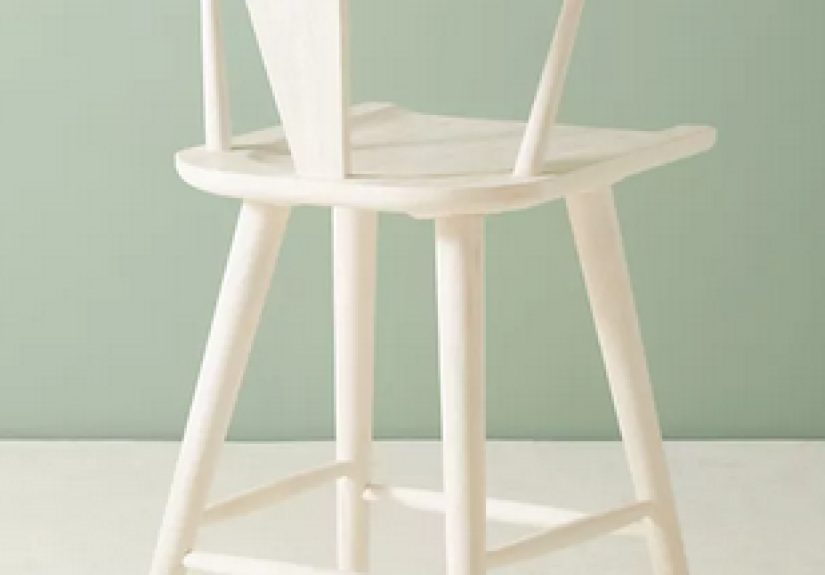
At first glance, this stool leans classic. Look again, and it starts showing off a little. The yoked back adds visual character, the slightly scooped seat promises more comfort than a flat slab of wood ever could, and the tapered legs bring in that tailored, furniture-designer energy people love in elevated kitchens. It feels refined, but not precious. Chic, but not “don’t actually sit there” chic. That is a very important distinction in a house where people eat cereal over the island, answer emails with one shoe on, and somehow always gather in the kitchen during parties.
What makes the Mackinder Counter Stool so appealing is not just its silhouette. It is the way the design solves a real decorating problem. Many counter stools are either too bulky, too industrial, too farmhouse, or too aggressively modern. The Mackinder threads the needle. It reads warm, sculptural, and versatile, which means it can move between traditional, transitional, coastal, cottage, and even softer modern interiors without causing visual chaos.
What the Mackinder Counter Stool Looks Like in Real Life
The Mackinder Counter Stool is best understood as a wood stool with personality. Its defining details do a lot of heavy lifting. The yoked back gives it a more finished appearance than a plain spindle or ladder-back option. The scooped seat suggests comfort and practical everyday use. The brushed wood grain and painted finish add texture, which keeps the stool from looking flat or mass-produced. Tapered legs complete the look with a clean, graceful stance that feels intentionally designed rather than merely assembled.
That combination matters because counter stools live in highly visible spots. They are not tucked under a desk or hidden in a guest room. They sit front and center at the kitchen island, breakfast bar, or entertaining zone. A stool like this has to look good from every angle, because people will see the front, back, and side all day long. The Mackinder does exactly that. It feels considered from top to bottom.
Its proportions are also a big part of the appeal. A seat height around 25 inches places it in the sweet spot for standard kitchen counters, making it much more practical than a stool that is too tall, too squat, or mysteriously designed for a counter that exists only in a furniture showroom. The overall footprint is substantial enough to feel stable, but not so wide that it overwhelms an island or makes your kitchen look like it has accidentally opened a tiny bistro.
Why This Counter Stool Works So Well
1. It balances comfort and polish
Some wood stools look fantastic in photos and then punish your spine in real life. The Mackinder avoids that problem by pairing a shaped seat with a supportive back. It is still a wood stool, so no one is pretending it is a recliner, but it is clearly designed for lingering. That matters for homes where the counter doubles as a breakfast spot, homework station, wine bar, or unofficial family command center.
2. It has a flexible style language
One of the smartest things about the Mackinder Counter Stool is that it does not lock you into one decorating identity. Pair it with marble and brass, and it looks sophisticated. Place it beside butcher block and matte black fixtures, and it feels more grounded and casual. Put it in a kitchen with shaker cabinets, warm woods, and natural textures, and it suddenly looks like it has always belonged there. That kind of versatility is design gold.
3. It is easier to decorate around than trendier stools
Very trendy stools often age like milk. A heavily industrial frame or an ultra-futuristic acrylic seat can look exciting for six months and then feel like a phase you would rather not discuss. The Mackinder has enough personality to feel interesting, but not so much that it hijacks the room. That makes it easier to update the rest of your space over time without replacing the seating every time your taste evolves.
How to Know If the Mackinder Counter Stool Is the Right Fit
Before buying any counter stool, the first rule is simple: measure before your wallet gets emotionally attached. The Mackinder’s counter-height proportions are designed for standard counters, not taller pub tables or bar-height surfaces. If your countertop is in the common 35- to 39-inch range, a seat height around 24 to 27 inches usually works beautifully, and the Mackinder’s 25-inch seat sits comfortably in that zone.
Just as important is legroom. Designers and retailers commonly recommend leaving roughly 10 to 12 inches between the seat and the underside of the counter. That gap makes sitting easier, keeps knees from filing a formal complaint, and helps the stool feel functional rather than decorative. If your island lacks enough overhang, even the prettiest stool in the world can become a daily annoyance.
Width and spacing matter too. A stool with a back generally needs more breathing room than a backless option. The Mackinder’s more sculptural upper profile means it works best when you avoid packing stools shoulder to shoulder like passengers on an overbooked flight. Give each stool enough room so people can get in and out comfortably, and your kitchen will feel far more generous and intentional.
Best Rooms and Design Styles for the Mackinder Counter Stool
Modern farmhouse kitchens
If your space has wood tones, soft whites, classic cabinetry, and a welcoming family vibe, this stool fits right in. Its painted wood finish keeps it feeling clean and tailored, while the shaped seat and graceful lines add more polish than a rougher rustic stool.
Coastal and airy interiors
The Mackinder also makes sense in bright kitchens layered with pale finishes, woven textures, and light-reflecting surfaces. It has enough visual softness to work in beachy or breezy interiors without slipping into theme-park territory. No one wants a stool that screams “nautical” unless there is an actual sailboat parked in the driveway.
Traditional and transitional homes
Because the form feels rooted in classic furniture rather than novelty design, the Mackinder plays especially well in traditional and transitional spaces. The yoked back gives it a furniture-quality look that works with detailed millwork, polished stone, and more formal kitchen finishes.
Warm minimal spaces
Even in simplified modern interiors, the Mackinder can work if the palette leans warm rather than stark. Pair it with creamy walls, white oak accents, understated pendants, and clean-lined cabinetry, and it adds shape without clutter.
Materials, Finish, and Everyday Maintenance
The Mackinder Counter Stool is a painted wood piece sealed with a clear lacquer finish. That is good news for real life. Lacquer helps protect the surface from moisture and routine wear, and painted wood tends to be easier to style than highly glossy metal or high-maintenance upholstery. It offers enough visual warmth to keep a kitchen from feeling sterile, while still reading crisp and refined.
Care is refreshingly uncomplicated. Routine dusting with a soft cloth is usually enough to keep it looking polished. For smudges or spills, a warm damp cloth followed by immediate drying is the sensible move. Harsh chemical cleaners are not your friend here. Neither is letting mystery breakfast syrup harden into a long-term design feature.
Because it is intended for indoor use, the Mackinder is best treated like the stylish kitchen piece it is, not like outdoor furniture that can shrug off weather, humidity swings, and rogue garden hose experiments. Used properly, the finish and structure should hold up well for daily kitchen life.
How It Compares to Other Counter Stool Types
Compared with upholstered counter stools, the Mackinder is lower-fuss and visually lighter. Upholstered stools can be cozy, but they also invite staining, fading, and long-term maintenance drama. If your household includes kids, pets, red sauce, or guests who gesture enthusiastically with full glasses, wood starts looking very wise.
Compared with metal or industrial stools, the Mackinder feels softer and more residential. It is less likely to make your kitchen feel like a repurposed warehouse café. That is great if you want sophistication without coldness.
Compared with backless stools, it wins on support and presence. Backless stools can tuck away more easily, but they often disappear visually or feel less comfortable for longer sits. The Mackinder gives you the best part of a full chair while still behaving like proper counter seating.
Who Should Buy the Mackinder Counter Stool?
This stool makes sense for people who want their kitchen seating to look elevated without feeling intimidating. It is especially well suited to anyone who values a balance of style and practicality, wants a wood stool with more design detail, or needs seating that can flex between everyday use and entertaining.
It is also a strong option for homeowners who are tired of either-or shopping. Too plain or too fussy. Too trendy or too boring. Too cushioned or too delicate. The Mackinder lands in that sweet middle ground where the design feels special, but the function still comes first.
Final Verdict
The Mackinder Counter Stool succeeds because it understands its job. It is there to make the kitchen more useful, more comfortable, and much better looking. Its mix of sculptural detail, painted wood finish, supportive shape, and counter-friendly proportions gives it lasting appeal. It does not rely on gimmicks, wild colors, or novelty silhouettes to earn attention. Instead, it leans on thoughtful design, which is usually the better long-term strategy in furniture and in life.
If you want a counter stool that feels timeless, adaptable, and a little bit charming without trying too hard, the Mackinder is an easy piece to appreciate. It brings enough personality to elevate an island, enough restraint to work with many styles, and enough practicality to survive actual human behavior. That is a rare trifecta. Frankly, many stools should be taking notes.
Experiences Related to the Mackinder Counter Stool
Living with a counter stool like the Mackinder is less about dramatic reveal moments and more about all the small daily wins that add up over time. It is the kind of piece you notice when you pour your coffee in the morning and realize the kitchen feels more pulled together than it did a month ago. You notice it again when someone sits down “for just a second” and ends up staying through a full conversation because the seat is more comfortable than expected. That is usually the first real sign that a stool is doing its job well.
In a busy household, a stool like this often becomes the unofficial landing zone. Someone uses it while chopping vegetables. Someone else parks there with a laptop. A child climbs up for after-school snacks. A friend settles in with a glass of wine and starts telling a story that absolutely could have been a text but is far more entertaining in person. Through all of that, the Mackinder-style design makes sense because it feels sturdy, supportive, and visually calm. It does not scream for attention, but it quietly improves the room every single day.
There is also something satisfying about the back detail in everyday use. A yoked back may sound like the sort of phrase you say while pretending to know antique furniture jargon, but in practice it gives the stool a more finished and substantial feel. It looks good when tucked in, and it still looks good when one stool is pulled out at a weird angle because no one in history has ever pushed in every kitchen stool perfectly. That matters more than furniture catalogs like to admit.
The painted wood finish also changes the experience. Upholstered stools can feel plush at first, but they often come with a low-grade anxiety about spills, crumbs, and mysterious smudges. A painted wood stool is more forgiving mentally. You are more likely to use it like normal furniture instead of treating it like a museum loan. Wipe, dry, move on. That ease creates a better relationship with the piece over time.
Styling-wise, the Mackinder works best when it is allowed to support the room rather than dominate it. In real homes, that means it pairs nicely with pendant lighting, a stone or wood island top, and a few contrasting textures nearby. It can look crisp in an all-white kitchen, warm in a neutral kitchen, and surprisingly elevated next to darker cabinetry. Over time, that flexibility becomes one of its strongest qualities. You can switch runner rugs, change hardware, repaint walls, or update lighting, and the stool still makes sense. It is not locked into one decorating chapter.
Maybe that is the best way to describe the experience of a piece like this: it ages gracefully within a home. It becomes part of the routines, part of the backdrop for conversations, part of the everyday mess and order that makes a kitchen feel lived in. And when furniture can do all of that while still looking polished, it earns its keep. The Mackinder Counter Stool may not cook dinner or answer emails, which honestly feels a little lazy on its part, but it does make the space where life happens feel smarter, warmer, and better designed.