Table of Contents >> Show >> Hide
- Why HIV can be linked to mouth sores
- What mouth sores can look like (and how “photos” help)
- How clinicians figure out what’s going on
- Prevention: how to lower the odds of mouth sores (and keep them from coming back)
- Treatment: what usually helps (depending on the cause)
- Comfort care you can discuss with your clinician (often helpful alongside medical treatment)
- Oral thrush (candidiasis): antifungal treatment
- Oral hairy leukoplakia: treat the immune issue
- Canker sores / aphthous ulcers: anti-inflammatory approaches
- Herpes-related ulcers: antivirals
- Gum disease and infections: dental treatment matters
- Kaposi sarcoma: ART + targeted cancer care when needed
- When to seek urgent care (not “tough it out” care)
- FAQs people actually ask (but might whisper)
- Conclusion
- Real-world experiences (what people commonly report) extra notes
- SEO tags (JSON)
Quick reality check (with kindness): Mouth sores can happen for dozens of reasonsstress, a sharp chip, a new toothpaste, a virus, a yeast overgrowth, you name it. So llagas en la boca are not an automatic “this is HIV” alarm. But in people living with HIVespecially if the immune system is weakenedcertain oral problems can show up more often, last longer, or feel extra dramatic (the mouth is a small stage… with very strong opinions).
This guide explains what HIV-related mouth sores can look like (and why photos can help), what typically causes them, how to prevent flare-ups, and what treatments clinicians commonly use. It’s written in plain American English, with practical examples and a dash of humorbecause nobody asked for a scary pamphlet.
Why HIV can be linked to mouth sores
HIV targets immune cells (notably CD4 T cells). When immune defenses drop, infections and inflammation that your body might normally keep “on mute” can get loud. That’s why oral issues like thrush (oral candidiasis), viral ulcers (like herpes), and other lesions may become more frequent or stubborn in untreated or advanced HIV.
Also important: mouth sores can show up during acute HIV infection (early infection), but they’re nonspecific and can resemble common canker sores or viral mouth ulcers. Translation: symptoms alone can’t diagnose HIVtesting can.
What mouth sores can look like (and how “photos” help)
Photos are helpful because they give you a visual vocabulary for describing what you’re experiencing (“white patches that wipe off” is different from “white patches that won’t budge”). But photos can’t confirm HIV. They can only support a conversation with a clinician or dentist.
1) Oral thrush (oral candidiasis)
Typical look: Creamy white patches on the tongue, inner cheeks, or palate. Sometimes they can be gently wiped away, leaving a red, tender surface underneath. Some people mainly feel burning, a cottony sensation, or taste changes instead of obvious patches.
Why it matters in HIV: Thrush is more common when the immune system is weakened, and it can sometimes spread into the esophagus (more on that in “When to seek urgent care”).
2) Oral hairy leukoplakia
Typical look: White patchesoften on the sides of the tonguethat look “corrugated” or slightly fuzzy/hairy. Unlike thrush, these patches usually don’t scrape off.
Common storyline: It’s linked to Epstein–Barr virus (EBV) and tends to appear when immunity is low. It may be painless or cause mild discomfort or taste changes.
3) Canker sores (aphthous ulcers)
Typical look: Round or oval shallow ulcers with a whitish/yellow base and a red border. They can be small… or, in some cases, large and intense enough to make eating feel like a competitive sport you did not sign up for.
Key point: Canker sores are common in the general population. In HIV, they may be larger, more persistent, or recur more often.
4) Herpes-related oral ulcers (HSV)
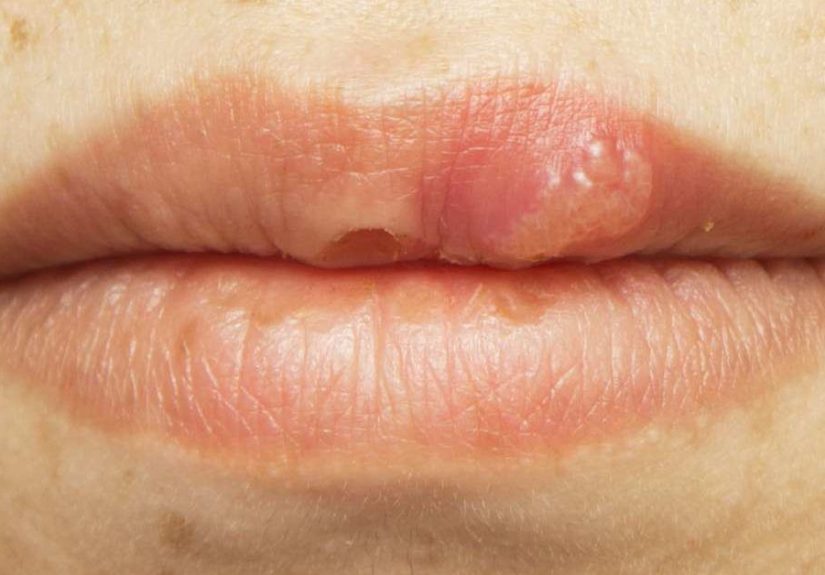
Typical look: Painful blisters that break into ulcersoften on the lips (cold sores) or inside the mouth. In immunocompromised people, lesions can be more severe, atypical, or slow to heal.
5) Gum and periodontal problems
Typical look: Swollen, bleeding gums; gum pain; bad breath that doesn’t quit; loose teeth in severe cases. HIV can be associated with certain aggressive gum/periodontal conditions, especially with low immunity.
6) Kaposi sarcoma lesions in the mouth
Typical look: Red, purple, or brown patches or raised lesionsoften on the palate or gums. They may be painless, but they can bleed or interfere with chewing/swallowing depending on size and location.
Important: Kaposi sarcoma is cancer related to immune suppression and certain viral factors; ART has dramatically reduced how often it appears in many settings, but it still matters clinically.
7) Other look-alikes (because mouths love plot twists)
- Trauma: A sharp tooth edge, braces, or an over-enthusiastic tortilla chip can cause ulcers.
- Medication irritation: Some drugs can contribute to mouth sores or dry mouth.
- Nutrient deficiencies: Low iron, B12, or folate can be associated with mouth ulcers in some people.
- Smoking/vaping and alcohol: Can irritate tissues and increase oral health problems.
- Other infections or conditions: Not everything oral is HIV-relatedso persistent lesions should be evaluated.
How clinicians figure out what’s going on
Because many mouth sores look similar, diagnosis often depends on a mix of:
- History: How long it’s been there, pain level, triggers, recent illness, meds, smoking, dry mouth, dental work, sexual health history, and immune status.
- Exam: Location (tongue side vs. palate vs. gums), whether patches scrape off, presence of fever or swollen glands, and gum health.
- Testing when needed: Swabs/cultures for yeast, viral testing, or a biopsy for suspicious or persistent lesions (especially if cancer is a concern).
If someone has mouth sores plus symptoms that raise concern for HIV (or possible exposure), clinicians may recommend HIV testing. It’s not about judgmentit’s about getting the right answer quickly.
Prevention: how to lower the odds of mouth sores (and keep them from coming back)
For people living with HIV
- Stay consistent with ART: Effective antiretroviral therapy supports immune recovery, which reduces the risk of opportunistic infections and HIV-associated oral problems.
- Don’t skip dental care: Regular cleanings and early treatment for gum disease can prevent minor issues from turning into major mouth drama.
- Brush gently, floss daily: Use a soft-bristled brush and replace it regularly. Your toothbrush is not supposed to feel like sandpaper with ambition.
- Manage dry mouth: Sip water, consider sugar-free gum/lozenges, and ask about saliva substitutes if neededdry mouth raises cavity and irritation risk.
- Avoid triggers: Spicy, acidic, or very salty foods can worsen ulcers. So can alcohol-based mouthwashes for some people.
- Quit tobacco: Smoking increases oral irritation and overall oral disease risk.
For preventing HIV (and protecting oral health)
- Use safer sex strategies: Condoms and other barrier methods reduce HIV and STI risk.
- Consider PrEP if appropriate: Pre-exposure prophylaxis can dramatically reduce HIV risk for people with ongoing exposure risktalk to a clinician.
- Test regularly if you’re at risk: The best prevention plan includes knowing your status.
Treatment: what usually helps (depending on the cause)
First principle: Treat the cause, not just the pain. Symptom relief matters, but the best long-term fix depends on what’s actually creating the sores.
Comfort care you can discuss with your clinician (often helpful alongside medical treatment)
- Gentle rinses: Warm saltwater or baking soda rinses can soothe irritation.
- Protective eating: Soft foods, smoothies, soups, and cooler temperatures can reduce pain while healing.
- Avoid irritants: Spicy foods, citrus, alcohol, and tobacco can delay healing.
- Topical pain relief: Over-the-counter oral anesthetics may help short-term (use as directed).
Oral thrush (candidiasis): antifungal treatment
Clinicians commonly treat thrush with antifungals. Options can include topical medicines (like lozenges or rinses) or oral/systemic antifungals depending on severity, recurrence, and immune status. If symptoms suggest esophageal involvement (painful swallowing, food “sticking”), treatment and evaluation are more urgent and often require systemic therapy.
Oral hairy leukoplakia: treat the immune issue
This condition often improves when immune function improves. In practice, that usually means optimizing HIV treatment. Some cases don’t require direct treatment unless symptoms are bothersome or diagnosis is uncertain.
Canker sores / aphthous ulcers: anti-inflammatory approaches
Typical approaches focus on reducing inflammation and pain. Clinicians may recommend topical corticosteroids (for example, dental steroid pastes), prescription rinses, or other therapies for severe or recurrent casesespecially if ulcers are large, frequent, or interfering with nutrition.
Herpes-related ulcers: antivirals
HSV oral ulcers are often treated with antiviral medications. In people with compromised immunity, treatment may be especially important because lesions can be more severe or prolonged.
Gum disease and infections: dental treatment matters
If gums are inflamed or bleeding, treatment may involve professional cleaning, improved home care, and sometimes prescription rinses or antibioticsdepending on the diagnosis.
Kaposi sarcoma: ART + targeted cancer care when needed
For HIV-associated Kaposi sarcoma, ART is a core part of treatment. Depending on lesion size, symptoms, and spread, clinicians may use local treatments (including therapies directed at mouth lesions) or systemic cancer treatments.
When to seek urgent care (not “tough it out” care)
Get urgent medical attention if you have any of the following:
- Severe pain with inability to drink fluids or signs of dehydration
- Painful swallowing, chest discomfort with swallowing, or food sticking (possible esophageal involvement)
- Fever plus rapidly worsening mouth lesions
- Bleeding lesions that don’t stop, or swelling affecting breathing
- Any mouth sore that lasts longer than 2 weeks without improvement
- Unexplained weight loss, night sweats, or persistent swollen lymph nodes
FAQs people actually ask (but might whisper)
Do mouth sores mean I have HIV?
No. Mouth sores are common and usually not related to HIV. But if you’ve had possible exposure or you’re having multiple symptoms that worry you, HIV testing is the most reliable way to know.
Can HIV cause mouth ulcers early on?
Mouth ulcers can occur during acute HIV infection, but they’re nonspecific. Many other viruses and everyday factors can cause similar ulcers.
What’s the fastest way to heal mouth sores?
The fastest path is the right diagnosis. Treating thrush like a canker sore (or vice versa) wastes time. Supportive care helps pain, but targeted treatment helps healing.
Should I see a dentist or a doctor?
Either can be a good starting point. Dentists are excellent at recognizing oral patterns and red flags; medical clinicians can evaluate systemic causes and manage HIV-related care. For persistent or unusual lesions, a coordinated approach is ideal.
Conclusion
Mouth sores can be frustrating, painful, andthanks to the internetinstantly terrifying. In the context of HIV, certain oral conditions (like thrush, oral hairy leukoplakia, herpes ulcers, and Kaposi sarcoma lesions) can appear more often when the immune system is weakened. The good news is that modern HIV treatment (ART) strengthens immune function and lowers the risk of many opportunistic infections, and most oral issues can be managed effectively once they’re properly identified.
If you’re dealing with persistent, severe, or recurring mouth soresor you’re worried about HIV exposureskip the guesswork and get evaluated. Your mouth is trying to tell you something. A professional can help translate.
Real-world experiences (what people commonly report) extra notes
People’s experiences with “HIV mouth sores” are often less like a single neat symptom and more like a messy series of clues. A common first chapter is uncertainty: someone notices a sore that doesn’t behave like the usual canker sore. It lasts longer, hurts more, or comes back right when they think it’s finally done. That’s when the late-night Google spiral beginsequal parts research and panic, with a side of “Why did I look at images at 1:00 a.m.?”
Many people describe thrush as surprisingly disruptive. It’s not always dramatic white patches; sometimes it’s a burning tongue, food tasting “off,” or a cottony feeling that makes eating less enjoyable. A few report feeling embarrassed about bad breath or visible coating, even though it’s a medical issueno moral failure, no hygiene shame, just biology taking advantage of a weakened immune system. When treatment starts, relief can be quick, but some people mention frustration if it returnsespecially if dry mouth, smoking, certain medications, or inconsistent immune control are part of the bigger picture.
For canker sores or larger aphthous ulcers, the lived experience tends to center on pain and logistics. People talk about avoiding acidic foods, cutting meals into tiny bites, or living on smoothies for a few days. One very relatable theme: the mouth sore is small, but it negotiates like it’s the boss. People often discover which foods are “safe” (soft, bland, cool) and which ones feel like betrayal (orange juice, salsa, chipsbasically anything delicious). Clinician-recommended topical treatments can help, but severe cases sometimes require prescription approaches, especially when nutrition or hydration is at risk.
Herpes-related ulcers can come with a different kind of stress: fear of stigma and questions about transmission. People often worry about kissing, sharing drinks, or being judged. What helps in real life is clarityunderstanding what HSV is, how common it is, and how antiviral treatment can reduce severity and duration. In people with compromised immunity, these sores can feel more intense or persistent, which is exactly why getting medical advice early matters.
Another common experience is the “healthcare relay”: starting with a dentist who recognizes a pattern, then moving to a primary care clinician or HIV specialist for testing and follow-up. Many people describe the moment of getting answerswhether it’s confirming HIV, ruling it out, or adjusting HIV treatmentas a turning point. Uncertainty is exhausting; a plan is empowering. With good care, people often report that oral problems become less frequent and less severe over time, especially when immune health improves and oral hygiene routines become steady. Not glamorous, but effectivekind of like flossing: underrated, occasionally annoying, and wildly helpful.