Table of Contents >> Show >> Hide
- What Is a Lansa Handle?
- Why Lansa Handles Are Popular
- Best Places to Use Lansa Handles
- How to Choose the Right Lansa Handle Size
- Where to Place Lansa Handles on Cabinets
- Installation Tips for Lansa Handles
- Design Ideas: How to Style Lansa Handles
- Pros and Cons of Lansa Handles
- How to Clean and Maintain Lansa Handles
- Buying Replacement Lansa Handles
- Common Mistakes to Avoid
- Practical Experience Notes: Living With Lansa Handles
- Conclusion
The Lansa handle may look like a small strip of stainless steel, but in kitchen design, small details have a suspicious amount of power. A cabinet handle can make a drawer feel modern, make an old cabinet feel updated, and make your morning coffee routine slightly less dramatic when you are opening a drawer half-awake. The LANSA handle, commonly associated with IKEA cabinet and drawer hardware, is known for its clean bar-pull shape, stainless-steel finish, and simple modern profile.
For homeowners, renters, DIY remodelers, and anyone staring at cabinet fronts thinking, “Something is missing, but I don’t want to renovate my entire kitchen,” the Lansa handle is worth understanding. It fits into the larger world of cabinet handles, drawer pulls, bar pulls, replacement hardware, and affordable kitchen upgrades. It is not flashy. It does not shout. It politely raises its hand and says, “Your cabinets could look sharper by dinner.”
This guide explains what a Lansa handle is, why it works in modern interiors, how to choose the right size, where to install it, how to care for it, and what to consider before buying replacement LANSA cabinet pulls online.
What Is a Lansa Handle?
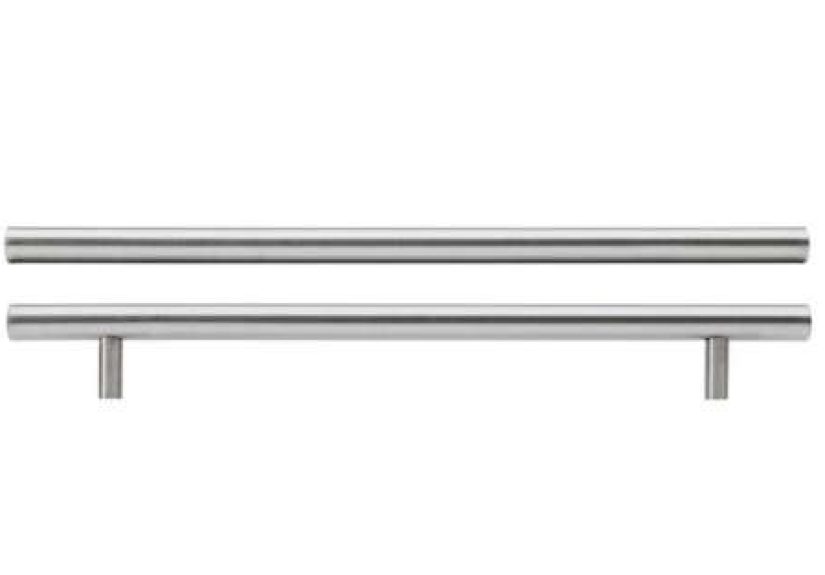
A Lansa handle is a slim, straight cabinet or drawer pull, most commonly found in stainless steel. It is designed for doors and drawers in kitchens, bathrooms, wardrobes, laundry rooms, and storage cabinets. The style is simple: a rounded or softly squared bar projects from the cabinet face, allowing your fingers to wrap around it easily.
Many LANSA handles were sold through IKEA in different lengths, often as multipacks. Archived product information and resale listings show sizes ranging from shorter drawer pulls to extra-long handles suitable for tall pantry doors or large cabinet fronts. The defining features are usually stainless steel construction, a modern bar-pull silhouette, included mounting screws, and compatibility with standard cabinet door thicknesses.
Why the Name Matters
Because LANSA is not always available in every market at the same time, shoppers often search for “Lansa handle replacement,” “IKEA Lansa drawer pull,” or “Lansa stainless steel handle.” This matters because if you are replacing one damaged handle, you need to match the hole spacing, overall length, finish, and projection. Buying a handle that looks close but has different screw spacing can turn a five-minute refresh into a woodworking episode nobody requested.
Why Lansa Handles Are Popular
The Lansa handle became popular because it checks several boxes at once: it is simple, affordable, practical, and flexible enough to work with many cabinet styles. In design terms, it belongs to the bar pull family, one of the most common choices for updated kitchens and bathrooms.
1. Clean Modern Lines
The Lansa handle has a streamlined shape that works especially well with slab cabinet doors, flat-front drawers, IKEA kitchen systems, and minimalist interiors. It does not add visual clutter. Instead, it creates a neat horizontal or vertical line that makes cabinetry feel more intentional.
2. Stainless-Steel Durability
Stainless steel is a practical choice for cabinet hardware because it resists corrosion better than many cheaper metals and pairs naturally with stainless appliances, chrome faucets, brushed nickel fixtures, and modern lighting. In a kitchen, where steam, fingerprints, sauce splatter, and mysterious sticky spots appear without warning, durable hardware is not a luxury. It is survival.
3. Comfortable Grip
Compared with tiny knobs, bar handles are generally easier to grasp. This is helpful on heavier drawers, wide pan drawers, pull-out trash cabinets, and pantry doors. A handle like LANSA gives your hand more surface area, which can make daily use easier for children, older adults, and anyone who prefers a comfortable grip over decorative acrobatics.
4. Affordable Cabinet Refresh
Replacing cabinet hardware is one of the fastest ways to refresh a kitchen without painting cabinets, replacing countertops, or sending your budget into witness protection. If your cabinet boxes are in good condition, swapping outdated knobs or worn handles for stainless-steel bar pulls can create a noticeably cleaner look.
Best Places to Use Lansa Handles
Lansa handles are versatile, but they shine most in spaces where clean design and daily function meet. Think of them as the white sneakers of cabinet hardware: simple, useful, and surprisingly good with many outfits.
Kitchen Cabinets
The kitchen is the most obvious place for Lansa cabinet handles. They work on base cabinets, wall cabinets, tall pantry doors, drawer stacks, and integrated appliance panels. On white cabinets, stainless-steel LANSA pulls create crisp contrast. On wood cabinets, they add a modern edge without overpowering the grain. On dark cabinets, they provide a bright accent that feels polished and practical.
Bathroom Vanities
In bathrooms, stainless-steel handles pair well with chrome faucets, nickel towel bars, glass shower doors, and simple vanity designs. Because bathrooms are humid, a corrosion-resistant finish is especially helpful. Just remember to wipe hardware dry when water sits on it, because even good metal appreciates manners.
Wardrobes and Closets
Longer LANSA-style handles can look sleek on wardrobe doors or closet storage systems. A vertical installation can visually lengthen the door and make the closet feel more built-in. This works particularly well in bedrooms, mudrooms, and laundry rooms where a clean, utility-focused style is welcome.
Furniture Makeovers
A Lansa handle can also update dressers, media consoles, sideboards, and office storage cabinets. If the furniture has old hardware, measure the existing screw holes before buying replacements. Matching the center-to-center measurement saves you from filling holes, sanding, painting, and questioning your life choices.
How to Choose the Right Lansa Handle Size
Size is the detail that separates a polished installation from a “why does this drawer look like it borrowed someone else’s handle?” situation. Cabinet handles have two important measurements: overall length and center-to-center spacing.
Overall Length
Overall length is the full length of the handle from end to end. Longer handles create a more modern, architectural look. Shorter handles feel quieter and more traditional. For wide drawers, many designers use pulls that are roughly one-third the width of the drawer front. For example, a 24-inch drawer often looks balanced with a handle around 8 inches long. This is a guideline, not a courtroom ruling, but it is a helpful starting point.
Center-to-Center Spacing
Center-to-center spacing is the distance between the two screw holes. This is the measurement you must match when replacing existing hardware. If your old handle has 160 mm hole spacing, the new handle should also have 160 mm spacing unless you are ready to drill new holes.
Projection and Grip Space
Projection is how far the handle sticks out from the cabinet surface. Too little projection can make the pull hard to grip. Too much projection can catch on clothing or bump into nearby appliances. Lansa-style handles usually offer enough clearance for a comfortable grip while keeping a low-profile modern look.
Where to Place Lansa Handles on Cabinets
Placement matters because cabinet hardware affects both appearance and usability. A beautiful handle installed too high, too low, or slightly crooked can haunt you every time you unload the dishwasher.
On Base Cabinet Doors
For lower cabinet doors, vertical handles are commonly installed near the top corner of the door, opposite the hinges. A typical placement is about 2 to 3 inches down from the top edge and centered on the stile, or placed consistently on slab doors. This keeps the handle easy to reach while giving the cabinet a balanced look.
On Wall Cabinet Doors
For upper cabinets, vertical handles are usually installed near the lower corner of the door, opposite the hinges. Again, consistency is the secret sauce. Once you choose a distance from the edge, repeat it across the entire room.
On Drawers
For drawers, handles are usually centered horizontally. On standard drawers, center the pull vertically on the drawer face. On deep drawers, you can center the handle or place it slightly higher for easier access. Wide drawers can use one long handle or two smaller pulls, depending on the look you want.
Installation Tips for Lansa Handles
Installing cabinet handles is a beginner-friendly DIY project, but accuracy matters. A handle that is off by even a small amount can look crooked, especially when repeated across a row of cabinets.
Use a Hardware Template or Jig
A cabinet hardware jig or template helps mark holes consistently. This is especially useful when installing multiple Lansa handles across a kitchen. You can make a simple cardboard template, but a reusable jig is more precise and less likely to betray you halfway through the project.
Measure Twice, Drill Once
Before drilling, mark the hole locations with a pencil and check the spacing against the handle. Use painter’s tape on the cabinet face to reduce chipping and make marks easier to see. Start with a small pilot hole, then drill to the recommended screw size.
Check Door Thickness
Lansa handles are typically designed for standard cabinet door and drawer front thicknesses. If your furniture is unusually thick or thin, the included screws may not fit perfectly. In that case, buy screws of the correct length rather than overtightening or leaving the handle loose.
Do a Dry Fit First
Before tightening everything, loosely attach the handle and check alignment. Open nearby doors and drawers to make sure longer handles do not collide with each other. This is especially important on corner cabinets, horizontal pantry pulls, and tight galley kitchens.
Design Ideas: How to Style Lansa Handles
The beauty of a Lansa handle is that it does not demand attention, yet it quietly improves the entire cabinet surface. Here are a few ways to style it well.
White Cabinets with Stainless Steel Handles
This is the classic modern look. White cabinet fronts and stainless-steel LANSA pulls create a clean, bright kitchen that feels organized even when there is a rogue cereal box on the counter. Pair with stainless appliances, a simple backsplash, and warm wood accents to avoid a sterile look.
Wood Cabinets with Modern Bar Pulls
On oak, maple, walnut, or birch cabinets, stainless-steel handles create a balanced mix of warmth and modernity. The metal keeps the look crisp, while the wood grain prevents the space from feeling too cold.
Dark Cabinets with Bright Hardware
Charcoal, navy, espresso, and black cabinets can handle stainless-steel pulls beautifully. The contrast makes the hardware visible and adds a tailored finish. For extra cohesion, repeat the cool metal finish in faucets, lighting, or appliance trim.
Mixed Metal Kitchens
You do not have to match every metal in the room. Stainless-steel handles can work with brass pendants, black faucets, or bronze accents if the mix looks intentional. The trick is repetition. Use each finish at least twice so the kitchen feels designed, not accidentally assembled during a clearance sale.
Pros and Cons of Lansa Handles
Pros
Lansa handles are sleek, practical, easy to grip, and suitable for many cabinet styles. Their stainless-steel finish works with modern kitchens, bathrooms, wardrobes, and furniture makeovers. They are also a smart choice for budget-conscious updates because hardware replacement can dramatically change the look of cabinetry without major construction.
Cons
The biggest challenge is availability. Since LANSA handles may be discontinued or unavailable in some markets, matching an existing set can require searching resale sites, replacement hardware shops, or IKEA archives. Another consideration is proportion. Long bar pulls can look awkward on narrow doors if they are not scaled correctly.
How to Clean and Maintain Lansa Handles
Stainless-steel handles are easy to maintain, but they are not magic. For routine cleaning, wipe them with a soft cloth dampened with mild soap and warm water. Dry immediately with a clean cloth to prevent water spots. Avoid abrasive pads, harsh chemicals, bleach, or scouring powders, which can scratch or dull the finish.
If fingerprints are noticeable, use a microfiber cloth and wipe in the direction of the brushed grain. In kitchens, clean handles regularly because cooking oils and hand residue can build up over time. A quick wipe once a week keeps stainless hardware looking fresh and prevents that slightly sticky feeling nobody wants to discuss.
Buying Replacement Lansa Handles
If you are shopping for replacement Lansa handles, start with measurements. Write down the overall length, center-to-center spacing, finish, package quantity, and screw requirements. Search using both inches and millimeters because IKEA and international listings often use metric measurements.
Also check whether the listing includes screws. If buying used handles, inspect photos for scratches, dents, missing fasteners, or mismatched finishes. Stainless steel can last a long time, but secondhand hardware may show wear depending on how it was removed and stored.
Common Mistakes to Avoid
Choosing Handles That Are Too Long
Long handles look modern, but they can overwhelm small cabinet doors. They may also bump into neighboring doors or drawer fronts if installed horizontally in tight spaces.
Ignoring Hole Spacing
Never buy replacement pulls based only on overall length. The center-to-center measurement is what determines whether the handle will fit existing holes.
Installing Without a Template
Freehand installation sounds brave until the handles form a subtle staircase across your cabinets. Use a template or jig for repeatable accuracy.
Forgetting the Whole Room
Hardware should coordinate with the room’s other finishes. It does not have to match perfectly, but it should feel intentional with faucets, appliances, lighting, hinges, and nearby furniture.
Practical Experience Notes: Living With Lansa Handles
In everyday use, a Lansa-style handle tends to feel like the kind of upgrade you notice most when you stop thinking about it. That sounds backward, but it is true. Good cabinet hardware disappears into the routine. You open a drawer with one hand while holding a mixing bowl in the other. You pull out a trash cabinet without pinching your fingers. You grab a pantry door quickly while cooking. The handle works, the drawer opens, and nobody has to negotiate with a tiny knob covered in flour.
One common experience with stainless-steel bar pulls is that they make a kitchen feel more organized even when nothing else changes. Old knobs can make cabinets look busy, especially if they are ornate, mismatched, or worn. Replacing them with straight LANSA-style handles creates visual rhythm. Drawers line up. Doors look taller. The kitchen suddenly has a cleaner grid. It is not quite a full remodel, but it can deliver that pleasant “new kitchen smell” feeling without the dust, delays, and emotional support snacks.
For families, the grip is another advantage. A longer handle gives children and adults an easy target. On deep drawers filled with pots, pans, food containers, or the legendary drawer of random lids, a sturdy pull is much easier to use than a small knob. This is also useful for anyone with limited hand strength. While no single handle solves every accessibility need, a bar pull is generally more forgiving than hardware that requires pinching or twisting.
There are a few real-world annoyances to consider. Stainless steel shows fingerprints, especially in high-traffic kitchens. If your household includes enthusiastic cooks, snack detectives, or children who treat cabinet doors like climbing equipment, expect to wipe the handles regularly. The good news is that cleaning is simple. A microfiber cloth and mild soap usually do the job. The bad news is that once the handles are clean, you may suddenly notice the cabinets need cleaning too. Hardware has a way of exposing nearby laziness. Rude, but helpful.
Installation experience also matters. The first handle usually takes the longest because you are measuring, checking, rechecking, and trying not to drill into regret. After that, the process becomes much faster. A cabinet hardware jig can turn the project from stressful to satisfying. Without a jig, even careful measuring can drift slightly from door to door. On a single cabinet, a tiny error might hide. Across twelve drawers, it may become a modern art installation titled “Almost Level.”
The best overall experience comes from matching handle size to cabinet size. Shorter LANSA handles work well on standard drawers and small doors, while longer versions look elegant on tall pantry doors or wide drawers. When the proportions are right, the handle looks built-in rather than added later. That is the sweet spot: practical hardware that feels like it belonged there all along.
Conclusion
The Lansa handle is a simple piece of hardware with an impressive design payoff. Its stainless-steel finish, clean bar-pull shape, and practical grip make it a strong choice for modern kitchens, bathrooms, wardrobes, and furniture upgrades. Whether you are replacing old IKEA handles, refreshing dated cabinets, or planning a budget-friendly remodel, LANSA-style cabinet pulls can help create a cleaner, sharper, and more functional space.
The key is to measure carefully, choose the right length, install consistently, and maintain the finish with gentle cleaning. Do that, and this modest handle can make your cabinets feel newer, smoother, and more intentionally designed. Not bad for something smaller than a rolling pin.